
- LOGIN
- MemberShip
- 2026-05-07 04:28:39
- Company
- Nexviazyme, 1st biobetter to receive preferential pricing
- by Eo, Yun-Ho Aug 21, 2023 05:37am
- The Pompe disease treatment ‘Nexviazyme’ may become the first drug to receive the premium pricing benefit as a biobetter in Korea. According to industry sources, Sanofi-Aventis Korea’s Nexviazyme (avalglucosidase alfa-ngpt) has completed the drug premium pricing calculation process and is soon to receive reimbursement. The drug is likely to receive reimbursement listing in the coming September. In 2016, the government announced a preferential pricing plan for biobetters which are improved versions of biosimilars and previously approved biopharmaceuticals that contributed to the improvement of healthcare in Korea. In consideration of how biobetters like Nexviazyme are more difficult to develop compared to incrementally modified drugs (chemical drugs), a 10% additional premium was added, rendering the overall price of biobetters to be set at the 100-120% range of the original drug. No drug has benefited from the system since it was implemented in 2016. Therefore, Nexviazyme will become the first biobetter to be recognized for its improved effectiveness and safety and receive premium drug pricing benefits. Nexviazyme is an improved biological drug that offers improved dosing and administration compared to Myozyme (alglucosidase alfa), a recombinant human acid alpha-glucosidase (rhGAA), that is developed by the same company, Sanofi. The drug has increased the amount of M6P, which plays an important role in the intracellular uptake of drugs, by about 15-fold compared to Myozyme through the glycoengineering technology. Nexviazyme’s increased M6P increases drug uptake over Myozyme and GAA activity to enable more effective glycogenolysis and less damage to muscle cells. Also, the increase in surface M6P contributes to improved immunogenicity, providing benefits in terms of safety. Pompe disease is a progressive, genetic neuromuscular disease that is known to be caused by a genetic deficiency or dysfunction of the lysosomal enzyme acid alpha-glucosidase (GAA). It can affect patients of all ages. When left untreated, it may lead to muscle damage, respiratory failure, movement disorders, and even premature death.
- Company
- Hugel HA filler Revolax, obtained product approval
- by Nho, Byung Chul Aug 18, 2023 05:20am
- Hugel, a global total medical aesthetic company, announced on the 17th that it had obtained item permission for the HA filler Revolax from the Thai Food and Drug Administration (TFDA) on the 27th local time. Thailand is the largest beauty/plastic surgery market in Southeast Asia, and according to Decision Resource Group, a global market research firm, HA fillers are expected to grow rapidly at an annual average of 8% from 95 billion won in 2023 to 110 billion won in 2025. With the approval of this item, Hugel has succeeded in entering Thailand's HA filler/botulinum toxin/PDO suture market for the first time in Korea. Aestox, a botulinum toxin product, maintains the top spot in the industry with a market share of around 50%, and in June, the PDO suture brand Licellvi was launched and started to be sold in earnest. Hugel plans to aggressively promote sales/marketing of Revolax with the goal of launching it in 4Q. It plans to effectively deliver its product power by conducting academic programs and hands-on training for local medical institutions and key opinion leaders (KOLs). The synergy between the three products, Revolax, Aestox, and Licellvi, will be continuously enhanced by utilizing high awareness and local distribution networks. An official from Hugel said, “With this HA filler product approval, we will be able to further enhance our competitiveness in the Thai medical aesthetic market.” ” he said. Meanwhile, Hugel's HA fillers (domestic product name: THE CHAEUM)/export product names: Revolax, Dermalax, and Persnica, launched in 2014, are recognized for their outstanding product quality based on physical properties specialized for volumizing and high safety, and are currently sold in 38 countries around the world.
- Company
- HK Inno.N will comarket Roche’s single-dose Xofluza in KOR
- by Kim, Jin-Gu Aug 18, 2023 05:20am
- With the number of influenza cases rising for the longest period ever after the COVID-19 endemic, Xofluza is expected to open a new paradigm in post-exposure prophylaxis treatment. On the 17th, HK Inno.N announced that it had signed an exclusive distribution and joint sales agreement with Roche Korea for Roche’s ‘Xofluza (baloxavir marboxil) in Korea. HK Inno.N will be in charge of distributing Xofluza for 2 years and will be jointly market and sell the drug with Roche Korea. Xofluza was the first new influenza treatment developed in 20 years. The drug rapidly reduces flu symptoms compared to placebo with a single oral dose and reduces the detection of influenza virus. Xofluza inhibits the endonuclease activity of the polymerase acidic (PA) protein found in influenza virus to ultimately inhibit virus replication in the early stages. The drug showed consistent effects in high-risk patients including those with old age and chronic diseases. In the Phase III CAPSTONE-2 trial, the median time to improvement in symptoms in patients over the age of 12 at high-risk was approximately 3 days for Xofluza (73.2 hours), reducing the period by 1.2 days (29.1 hours) compared with placebo (4.3 days, 102.3 hours).
- Company
- Vabysmo pays attention to entry into reimbursement
- by Eo, Yun-Ho Aug 18, 2023 05:20am
- Vabysmo, a treatment for macular degeneration, stood in front of the final gateway to being listed as an insurance benefit. According to industry sources, Roche Korea's first bispecific antibody treatment Vabysmo for the ophthalmic disease is in negotiations with NHIS. Last month (July), this drug accepted the conditions below the evaluation amount proposed by the Pharmaceutical Reimbursement Evaluation Committee and received the final reimbursement adequacy decision. Vabysmo, licensed as a treatment for neovascular or wet age-related macular degeneration and vision loss caused by diabetic macular edema, is a significant disease pathogenesis pathway, vascular endothelial growth factor-A (VEGF-A) and angiopoietin-2 (Ang-2) ), it is a new drug with a differentiated mechanism that targets all. It is the first intraocular injection that enables administration at 4-month (16-week) intervals through licensed clinical research based on a new mechanism, and it can reduce the patient's treatment burden with fewer injections. Vabysmo is administered by intravitreal injection once monthly (4 weeks) at the recommended dose of 6 mg (0.05 ml) for the first 4 doses. After that, nAMD patients without disease activity are administered once every 4 months (16 weeks). In patients with DME, the administration interval can be increased by 4 weeks and extended up to 4 months (16 weeks) according to the judgment of the medical staff. Meanwhile, Vabysmo proved its effectiveness through four phase 3 studies, including clinical studies related to nAMD treatment, TENAYA and LUCERNE, and clinical studies related to DME treatment, YOSEMITE, and RHINE studies. The double TENAYA and LUCERNE studies were non-inferiority trials comparing Vabysmo and Eylea in nAMD treatment. As a result of the study, in the first year of treatment, Vabysmo treatment at intervals of up to 4 months (16 weeks) showed a non-inferior level of visual acuity improvement to Eylea treatment at intervals of 2 months (8 weeks). In particular, in the first year of treatment, about 80% of the Vabysmo-administered group maintained a dosing interval of 3 months (12 weeks) or more. In the recently announced results of the second year of treatment, it was found that more than 60% of patients maintained a 4-month (16-week) dosing interval, raising expectations that continuous clinical benefits will be provided to patients.
- Company
- Bavencio’s reimb may change the Rx paradigm in KOR
- by Hwang, byoung-woo Aug 17, 2023 05:29am
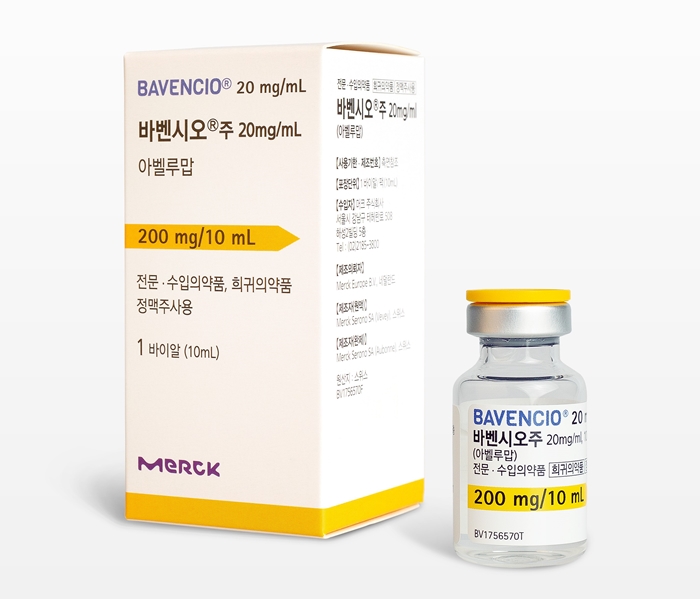
- Changes are arising in the prescription pattern for metastatic urothelial cancer due to the emergence of new treatment options. The reimbursement of Bavencio (avelumab) as a first-line maintenance therapy, increased treatment options for the patients. The drug was first granted reimbursement only as a second-line treatment. As demand for maintenance therapy has been high in the field, experts believe the prescription pattern will also change rapidly with Bavencio's reimbursement. Pic of Bavencio# Urothelial carcinoma begins in the urothelial cells and is the most common type that accounts for 90% of all bladder cancer diagnoses. Platinum-based chemotherapy, which has been the standard of care in the field for the past 30 years, showed a response in 3 out of 4 patients, but overall survival and progression-free survival were only around 12-15 months and 6-8 months, respectively. Also, the rate (25%) of patients using second-line chemotherapy was low, indicating the high unmet need for a viable treatment option after first-line chemotherapy. This is why the reimbursement of Bavencio (avelumab) from August as first-line maintenance therapy for adult patients with locally advanced or metastatic urothelial carcinoma is being received such high expectations. Bavencio was found to delay disease progression in the randomized, multicenter, open-label JAVELIN Bladder 100 study that studied 700 patients with locally advanced or metastatic urothelial cell carcinoma from 29 countries including Korea for over 38 months. Study results showed that the median overall survival (OS) of patients who received Bavencio was 29.7 months (25.2-34.0), a 9-month extension compared to patients who received best supportive care (BSC) care alone (20.5 months, 19.0-23.5), and patients showed over an 8-month improvement compared with the control group regardless of the first-line chemotherapy option. Professor A from the Department of Oncology at one tertiary hospital, said, “30-40% of patients progress after receiving first-line treatment. This means that out of 10 patients, around 7 patients will be eligible to use Bavencio as maintenance therapy.” “In the past, if 3 out of 10 patients experienced disease progression and moved on to second-line treatment, the 6 to 7 who did not progress just stayed without treatment. If the patient’s condition worsened after 3 to 4 months of non-treatment, the only positive aspect was that they were able to move on and receive later-line treatments.” However, considering the characteristics of locally advanced or metastatic urothelial cell carcinoma, experts believe that attention should be paid to later-line treatment options to treat the progression of the disease. The use of Bavencio may offset part of Keytruda’s use as a second-line treatment to some extent, but as the disease progresses, concern about what to use next becomes inevitable. Professor Miso Kim of the Department of Hemato-Oncology at the Seoul National University Hospital, said, “It is difficult to say which is more important - maintenance therapy and later-line treatment, but we are concerned about patients who cannot receive maintenance therapy, on how to treat these patients.” As the demand for later-line treatment is still high due to the nature of the disease, doctors have been stressing the need for reimbursement of such treatments. Treatments such as Padcev (ingredient: enfortumab vedotin-ejfv) that have been introduced have been raising interest in reimbursed options to use after second-line treatment. At a meeting last July, Astellas emphasized the justification for reimbursement of treatments such as Padcev as third-line or later-line treatments, apart from reimbursement of treatments like Bavencio. During the meeting, Kyung-Ah Park, Director of Medical Affairs at Astellas Korea, said, “We are offering drugs that can be used in a field where no 3rd-line or later-line option has been available until now. Padcev is strongly recommended by NCCN or European guidelines. We are working to benefit more patients by receiving reimbursement for this drug as soon as possible.” A urologist at a tertiary hospital, said, "In Korea, patients whose disease progresses after second-line rechallenge their tumor with previously treated treatments or use chemotherapy with paclitaxel. Although there are limitations due to its non-reimbursed status, there is a demand for a valid later-line treatment option, apart from Bavencio's reimbursement.”
- Company
- Retevmo fails reimb at the last stage in KOR
- by Eo, Yun-Ho Aug 17, 2023 05:29am
- The RET-targeted anticancer therapy ‘Retevmo’ failed to pass the last gateway to reimbursement listing in Korea. According to industry sources, the drug pricing negotiations between the National Health Insurance Service and Lilly Korea for the reimbursement of the RET inhibitor Retevmo (selpercatinib) broke down recently. Retevmo, which received marketing authorization in March last year, was unable to pass CDDC review for reimbursement in May of the same year but then passed review in November and finally passed deliberation by the Drug Reimbursement Evaluation Committee in May this year. Although expectations on its reimbursement listing had risen with the company starting drug pricing negotiations with the NHIS in June, in the end, an agreement had not been reached. With the breakdown, whether NHI’s coverage will be extended to cover anticancer drugs that target RET mutations has become unclear. The only other approved RET-targeted anticancer drug in Korea is Roche Korea’s ‘Gavreto (pralsetinib),’ but reimbursement discussions for the drug have virtually been discontinued. Until now, lung cancer patients with RET mutations had no choice but to undergo chemotherapy like general cancer patients due to lack of other anticancer options. The introduction of a RET-targeted anticancer drug had been received with high expectations as virtually the only option for the patients. Retevmo is indicated for the treatment of: ▲adult patients with metastatic RET fusion-positive non-small cell lung cancer (NSCLC); ▲adults and pediatric patients 12 years of age or older with advanced or metastatic RET-mutated medullary thyroid cancer who require systemic therapy; and ▲ adult patients who are refractory to radioactive iodine therapy and who have prior sorafenib and/or lenvatinib treatment, with advanced or metastatic RET-fusion benign thyroid cancer who require systemic therapy. The company had attempted to receive reimbursement for the thyroid cancer and NSCLC indications.

- Company
- Companies seek to invalidate Jardiance’s unlisted patents
- by Kim, Jin-Gu Aug 16, 2023 05:37am
- Generic companies have begun challenging the unlisted patent of Jardiance (empagliflozin), an SGLT-2 inhibitor-class diabetes treatment. From the generic companies’ perspective, they must overcome Jardiance’s unlisted patents to release their generics early, just after Jardiance’s substance patent expires in 2025. According to industry sources on the 14th, Chong Kun Dang and Genu Pharma recently filed an invalidation trial against Boehringer Ingelheim on Jardiance’s use patent (10-1463724). The patent is not listed on the Ministry of Food and Drug Safety’s Green List. The patent, which is set to expire in November 2027, covers not only the treatment of diabetes but also the use of Jardiance for the treatment of obesity and metabolic syndrome. Currently, only 2 Jardiance patents are listed on the Ministry of Food and Drug Safety’s Green List: a substance patent (10-1249711) that expires in October 2025 and a crystalline patent (10-1174726) that expires in December 2026. Previously, generic companies have succeeded in avoiding Jardiance’s crystalline patent. In 2018, 52 companies, including Chong Kun Dang, filed a trial to confirm the passive scope of rights of the Jardiance’s crystalline patent against Boehringer Ingelheim in 2018 and won in May of the following year. In the case of the substance patent, Dong-A ST failed to invalidate the patent. Based on the results, generic companies planned to release Jardiance generics upon the expiry of the drug’s substance patent in March 2025. However, Jardiance’s unlisted patents are holding the companies back. Even if they do not overcome unregistered patents, there is no problem for patent challengers receiving approval for their generics. However, if they really release their drugs onto the market, they are at a high risk of patent infringement. If a product is released without overcoming an unlisted patent, there is a high possibility that the original company will file a patent infringement lawsuit and an application for a provisional injunction to prohibit the sales of the product. In addition, if a company loses the patent infringement lawsuit, a claim for damages is inevitable. The problem is that it is difficult to know exactly how many unlisted patents exist for Jardiance. First of all, it is speculated that there will be 1 or 2 more unlisted patents based on NHIS analysis. From the perspective of the generic companies, they are faced with the task of overcoming unlisted patents without knowing how many really exist, to release their latecomer drugs.
- Company
- [Reporter’s View] Trending CSO sales and their treatment
- by Lee, Seok-Jun Aug 16, 2023 05:37am
- Contract sales organizations (CSOs) are trending in the pharmaceutical industry. The Ministry of Food and Drug Safety announced that 45% of the 195 companies it had surveyed use CSO companies. When limiting the subjects to small-to-mid-size companies, the industry expects the rate to far exceed 70%. The Top 10 pharmaceutical companies in Korea are also preparing to use SCO sales for their products. Kyung Dong Pharma also chose to outsource sales to CSOs at the beginning of the year. The company laid off 180 of the 250 sales representatives. As a result, the number of employees (excluding fixed-term workers) decreased from 569 at the end of last year to 397 by the end of Q1 this year. Company K also announced plans to start using CSO for sales from 2H this year. The company will use CSOs instead of its local workforce. The change in the company’s number of employees is expected to be reflected in the company’s Q3 report. However, two major challenges must be addressed for the trending CSO sales to go mainstream in Korea. The first is in preserving the sustainability of each company’s management. Pharmaceutical companies that introduce the CSO system undergo major changes. Their number of employees plummet and commissions paid out to the CSOs soar. Performance fluctuates in this process. Since the companies have never used such methods before, if they fail to implement the CSO system well in the beginning, it can lead to poor performance. Therefore, the company should share its revamping process and share their future management policies. Kyung Dong Pharma’s case is worth referring to. After switching to a CSO system earlier this year, the company distributed press releases even though it marked a deficit for 2 consecutive quarters. This was unusual considering how performance reports are mainly released by companies that show an improvement in their performance, such as record-high sales. However, the press release showed the reason why. Through the release, the company explained the reason for the deficit and the company’s future management direction. “The decline in profits in 1H is within the expected range due to the company’s introduction of a marketing agency system. We will do our best to turn a profit in the 2H this year by launching combination drugs and new products, increasing defense of drugs subject to price cuts, and strengthening sales competitiveness.” Although the message was simple, from an investor's point of view, the press release provided ‘thankful information’ on when to expect a surplus and how the company is planning to overcome its deficit. The second task that remains for the CSO sales culture to settle in Korea is managing the point organizations exposed to rebates. This is an issue we are all already aware of, and it is now the time to act on it. Companies that are using CSOs are on the up and rise. The ‘Increase in commissions=increase in sales” settled as a formula. Some companies are investing more than half of their sales revenue as commissions to drive sales through CSOs. However, the management of the CSOs that are made up of point organizations, remains a challenge. Some say it is virtually out of control. Some describe them as rebate windows due to overheated commission competitions. This is why the CSO reporting system should be legislated with a soft landing. Although CSO legislation is an option, in the end, it all depends on the will of the pharmaceutical company owners. The CSO reporting system only suppresses rebates but is not a fundamental measure. If CSO is the trend, it is necessary to devise a way to use CSOs without triggering a dumping war based on the owner's determination to fight cleanly. This is also connected to ESG management. The patent for the blockbuster antidiabetic ‘Januvia (sitagliptin),’ worth KRW 110 billion a year, is set to expire in a month. It is expected that sales competition will intensify around CSOs for the sales of generic products. Rebate concerns are rising. For CSOs, which is settling as a method of pharmaceutical sales, to make a soft landing in Korea, the owner's will for the clean competition will be ever the more important. The company should also share its prediction of its business sustainability to its shareholders consistently. These two will be essential for companies that seek to use CSO sales.
- Company
- Cinqair draws attention to entry into reimbursement rights
- by Eo, Yun-Ho Aug 16, 2023 05:37am
- Attention is focusing on whether Cinqair, an asthma antibody drug, will be listed on the list of insurance benefits after six years of domestic approval. According to related industries, Teva Handok is negotiating with the NHIS for the listing of Cinqair, a monoclonal antibody targeting interleukin (IL)-5. Unlike competitive drugs, positive results are expected as the general listing process is in progress, rather than RSA. AstraZeneca Korea's Fasenra and GSK Korea's Nucala, two interleukins (IL)-5 antagonists with the same mechanism as Cinqair, are aiming to enter reimbursement rights through RSA, but no progress has been made in discussions yet. These drugs reduce the number of eosinophils, a type of white blood cell involved in the induction of asthma. Cinqair was approved in Korea for the first time in 2017 as a maintenance treatment for adult patients with severe eosinophilic asthma (blood eosinophil counts at the start of treatment: 400 cells/μL or more) that is not adequately controlled by existing treatments. After that, after the non-payroll launch in 2018, it tried to be listed but eventually failed. The efficacy of Cinqair was confirmed in five placebo-controlled trials demonstrating the efficacy and safety profile of Cinqair 3 mg/kg in 1028 adults and adolescents with asthma who were not managed with baseline therapy. In three phase 3 clinical programs in asthma patients with high blood eosinophil levels, Singcare reduced the frequency of asthma exacerbations by up to 59% and significantly improved lung function, symptoms, and asthma-related quality of life. In addition, Cinqair attracted attention by disclosing the results of post-hoc analysis, which selected only stage 4 and 5 patients among all patients who participated in phase 3 clinical trial. Cinqair lowered the degree of clinical asthma exacerbation in patients with stages 4 and 5 according to the GINA guidelines by 53% and 72%, respectively, compared to the placebo group, and increased FEV1 (forced expiratory volume in 1 second) by 103ml in stage 4 patients and by 237ml in stage 5 patients. It was confirmed that the benefit was greater in stage 5 patients. Meanwhile, there are no registered drugs for severe asthma since Novartis Korea's Xolair entered reimbursement rights in 2020. In terms of the disease domain of 'asthma', they seem identical, but three drugs and Xolair are prescribed for allergic asthma. There are differences in the details of indications. However, according to the government's standards, Xolair became the target of comparison, and the price of the drug was unbearable for three new biologics.
- Company
- the era of Lung cancer cure
- by Jung, Sae-Im Aug 14, 2023 05:21am
- The third-generation EGFR-targeting anti-cancer drug Tagrisso (Osimertinib) has left a unique record in non-small cell lung cancer. Significant improvement was achieved in adjuvant therapy after surgery, and it was also proven that survival time could be extended. This is an area that previous TKI drugs have failed to overcome. Tagrisso has already demonstrated that it can reduce the risk of recurrence or death by about 80% through the phase 3 clinical trial of ADUARA three years ago. Since then, people's attention has been focused on overall survival. I wondered how much longer actual patients could live if Tagrisso was used early. The results were revealed at ASCO 2023 held this year. As a result of analyzing the overall survival rate at 5 years, the risk of death in the Tagrisso group was 88%, compared to the placebo group (78%), and the risk of death was reduced by 51% (HR=0.49). The overall survival improvement of Tagrisso was consistently shown in the sub-analysis according to sex, age, race, smoking history, and adjuvant chemotherapy. Professor Han Ji-yeon, National Cancer Center.\ Han Ji-yeon, professor of hemato-oncology at the National Cancer Center, said, "Following the primary evaluation variable, DFS, OS improvement also showed data of HR of 0.49." It was groundbreaking in that it opened." The reason for administering adjuvant chemotherapy after surgery in early patients is to minimize the possibility of recurrence by preventing very small tumors from remaining in the early stage. However, the cytotoxic anticancer drugs used before Tagrisso were not very effective in reducing recurrence. According to Professor Han, cytotoxic anticancer drugs do not respond well to patients with EGFR-mutated lung cancer, so more than half suffer recurrence. With the introduction of Tagrisso, the recurrence rate of patients dropped significantly from 3% in the first year to 10% in the second year. At 3 years, 78% of patients still had no recurrence of cancer. Tagrisso ADAURA OS graph (source ASCO) According to the sub-analysis, the risk ratio was slightly higher in the L858R patient group than in the exon 19 deletion patient group among EGFR mutation types, at 0.68, but still proved the benefit of Tagrisso. Regarding this, Professor Han explained, "The receptor mutation structures of the exon 19 defect and L858R are different, but compared to the L858R mutation, the exon 19 defect has a structural feature that TKI adheres well." Professor Han explained, "Also, the L858R mutation rate was relatively higher in Asians, so the results were better in non-Asians. There is no way to solve the difference due to the characteristics of genetic mutations biologically." Following the DFS risk ratio of 0.17, the primary endpoint, the OS risk ratio of 0.49 was added, and Professor Han emphasized that Tagrisso's position in postoperative adjuvant therapy has become more solid. In addition, he emphasized the need to change the perception of reimbursement registration for adjuvant therapy. Earlier, in a discussion session on adjuvant treatment after Tagrisso surgery at ASCO, she said, "10% of patients who would not have survived 5 years without Tagrisso are alive." Then, an opinion was raised that “global support is needed to provide support for early screening and treatment so that the gap and inequality in global access to effective cancer treatment does not deepen.” In Korea, Tagrisso can still be used as a reimbursement only for the second or higher treatment only for progressive and metastatic cases, leaving a large gap with the global market. Professor Han said, “It has been about five years since Tagrisso was approved in Korea, but it is not yet covered by insurance as a first-line treatment. Considering the global trend, discussing first-line treatment benefits is too late.” If it goes well, I think that Tagrisso should be provided even in the environment of early lung cancer adjuvant therapy, which opened the 'era of lung cancer cure'," she emphasized.
