
- LOGIN
- MemberShip
- 2026-05-07 04:50:39
- Company
- Obesity is a chronic disease
- by Kim, Jin-Gu Sep 12, 2023 05:37am
- “Currently, only obesity metabolic surgery is covered. The scope needs to be expanded to include obesity treatments, etc.” “Obesity is a chronic disease like high blood pressure and diabetes. We need to apply health insurance benefits from a treatment perspective, not from a beauty perspective.” Gyeong-gon Kim, Vice President of the Korean Obesity Society (Department of Family Medicine, Gachon University College of Medicine) Kim Gyeong-gon, vice president of the Korean Society of Obesity (Department of Family Medicine, Gachon University School of Medicine), made this claim at the policy symposium of the Korean Society of Obesity academic conference held at the Conrad Hotel in Seoul on the 7th. Vice Chairman Kim said that the number of obese patients in Korea has been increasing at a very rapid rate recently. Vice Chairman Kim said, "Severe obesity, especially among young people, is increasing rapidly. Just 10 years ago, severe obesity with a body mass index (BMI) of 30 or more was less than 3%, but recently, especially among men in their 20s and 30s, it accounts for 3% of the total." “More than 10% of people are severely obese,” he warned. Vice Chairman Kim emphasized that obesity should be recognized as a chronic disease like high blood pressure or diabetes. For example, in the case of high blood pressure, a systolic blood pressure of 150 mmHg does not immediately cause serious problems, but because we know that it can cause various problems, such as cardiovascular disease, in the future, we are prescribing various medications through health insurance coverage, he explains. Obesity does not cause any symptoms right away, but it causes a variety of conditions such as high blood pressure, diabetes, cardiovascular disease, stroke, osteoarthritis, and obstructive sleep apnea, so it is argued that it should be managed in advance through compensation. Vice Chairman Kim said, “In Korea, there are quite a few patients with stage 2 and 3 obesity with serious complications,” and added, “They must be provided with appropriate treatment.” Vice Chairman Kim said, "Fortunately, we have recently secured many diverse and effective tools for obesity treatment, such as obesity metabolic surgery and next-generation obesity treatment drugs," and added, "Patient treatment, examination, education, and drug treatment are still non-reimbursed." “Policies are needed to improve access to effective treatments for weight loss and improving complications,” he emphasized. Vice Chairman Kim added, "A change in perception is necessary. Obesity should not be viewed only from the perspective of beauty. Obesity must be recognized as a major chronic disease."
- Company
- Celltrion’s Remsima celebrates 10th year of export
- by Chon, Seung-Hyun Sep 12, 2023 05:37am
- Celltrion’s first biosimilar, ‘Remsima’, has marked its 10th anniversary in entering the overseas market. Together with its subcutaneous injection formulation Remsima SC, Remsima successfully settled in the European market and recorded total exports that exceeded KRW 6 trillion over the past 10 years. Celltrion Healthcare announced on the 11th that it will launch various campaigns throughout the world to celebrate the 10th anniversary of Remsima's approval in Europe. Celltrion Healthcare is Celltrion's affilate that receives antibody biosimilar products from Celltrion and sells them to global distributors. Celltrion Healthcare plans to hold global lecture tours and symposiums around the globe from year to the second half of next year, starting with the United European Gastroenterology Week. During the campaign, the company will reexamine Remsima's achievements over the past 10 years and identify how the biosimilar industry, which was born with Remsima's success, has been impacting the field. Celltrion received marketing authorization for Remsima in Europe in August 2013 and received the title, ‘the world’s first antibody biosimilar.’ Remsima is a biosimilar of Remicade. Annual exports of Remsima and Remsima SC (Unit: KRW 1 million, Data: FSS) According to Celltrion Healthcare, Remsima's export volume has gradually increased since it generated exports of KRW 145.3 billion in 2013. Remsima recorded exports of KRW 402.3 billion in 2014, then exceeded KRW 700 billion in 2016. The growth of Remsima's exports slowed somewhat thereafter, recording exports of KRW 506.9 billion and KRW 401.4 billion in 2017 and 2018, respectively. However, its exports rebounded and exceeded KRW 500 billion for the first time in 2 years in 2019, then continued to grow to exceed KRW 800 billion in 2021 and last year, setting a new record for two consecutive years. By the first half of this year, Remsima recorded exports of KRW 477.3 billion. Remsima's cumulative exports over the past 10 years amounted to KRW 5.6314 trillion. Remsima SC has also started to produce export results in 2020. Celltrion received approval for Remsima SC, a subcutaneous injection formulation of Remicade, in Europe in November 2019 and began targeting the market in earnest. Remsima SC first generated exports of KRW 34.8 billion in 2020, and then posted KRW 236.9 billion last year, exceeding KRW 1 trillion in exports together with Remsima. Remsima SC recorded exports of KRW 146.6 billion in the first half of this year, exceeding KRW 500 billion in cumulative exports. The cumulative exports of Remsima and Remsima SC together over the past 10 years were calculated to be KRW 6.1394 trillion. Remsima is recording the highest sales performance among finished products sold overseas by domestic pharmaceutical companies. Celltrion Healthcare explained, “Remsima has steadily maintained its top spot in infliximab prescriptions since surpassing the market share of its original in 2017.” According to the market research institute IQVIA, Remsima recorded a market share of 56% in Europe, including 83% in the UK and 61% in France, in Q1 this year. An official from Celltrion Healthcare said, “Remsima was able to succeed and maintain its lead in the market for a long time by preoccupying the market after implementing a customized strategy for each country based on proven data on treatment efficacy and safety in the highly competitive biosimilar industry.”
- Company
- Entresto’s 2nd patent suit ruling postponed to November
- by Kim, Jin-Gu Sep 12, 2023 05:37am
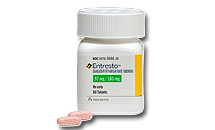
- The rulings for the 2nd trial surrounding the chronic heart failure treatment ‘Entresto (sacubitril/valsartan)’ have been postponed to November 9. The drug has been posting annual prescriptions of more than KRW 40 billion annually. According to industry sources on the 11th, the Patent Court of Korea 1st Division recently postponed the decision date for the 2nd trial on Entresto’s crystalline patent to November 9. With the argument now concluded, the court originally planned to pronounce judgment on the 14th of this month but decided to postpone the decision for two more months. The exact reason why the judgment was postponed remains unknown. As a result, the outline of the second trial of the Entresto patent dispute is expected to come out after the end of this year. Three Entresto patent disputes are currently being tried at the Patent Court. In addition to the crystalline patent (10-1432821), whose judgment has been postponed, disputes over the composition/use patent (10-0984939) and the salt/hydrate patent (10-1549318) have not yet been resolved. The ruling surrounding the crystalline patent is expected to come first, followed by the other 2 rulings. Entresto is protected by 6 patents: ▲salt and hydrate patent that expires in November 2026, ▲use patent that expires in July 2027, ▲crystalline patent set to expire in September 2027, ▲composition patent set to expire in November 2028 (10-1700062), ▲another composition patent set to expire in January 2029 (10-1589317), and ▲a use patent set to expire in 2033 (10-2159601). Among the 6 patents, generic companies have succeeded in nullifying or avoiding 2 patents. The results of the two were finalized after the generic companies won the first trial and Novartis did not file an appeal. In the case of the use patent that expires in 2033, the patent was listed after generic companies applied for marketing authorization of their generics. The generic companies have also succeeded in winning against Novartis in the first trial for the other 3 patents as well. However, Novartis chose to appeal and proceed to the Patent Court of Korea for all 3 cases. The generic companies that challenged the 3 patents plan to succeed in overcoming the remaining patents and qualify for early release. Entresto's PMS already expired in April, so the companies may release their generic versions early as long as they overcome the remaining patents. However, if generic companies lose or win the second trial but Novartis appeals to the Supreme Court, the release of their generic will be further delayed. There is the possibility that the Entresto patent dispute will be prolonged for more than four years. Since 2021, generic companies have been filing trials against Entresto's patents. Starting with Elyson Pharm, about 10 companies including Hanmi Pharm, Chong Kun Dang, and Daewoong Pharmaceutical jumped into the dispute. According to the market research institute UBIST, Entresto's outpatient prescriptions amounted to KRW 42.5 billion last year. Entresto has shown rapid growth in the market, increasing prescription sales by nearly KRW 10 billion every year. Its prescription performance, which recorded KRW 5.5 billion in 2018, increased to KRW 14.3 billion in 2019, KRW 22.4 billion in 2020, then to KRW 32.4 billion in 2021. By the first half of this year, its cumulative sales reached KRW 27.2 billion, heralding annual sales of KRW 50 billion this year. The sales have surged after its indication was extended from heart failure with reduced ejection fraction (HFrEF) to heart failure with preserved ejection fraction (HFpEF) Entresto is a first-in-class angiotensin receptor-neprilysin inhibitor (ARNI) that combines the angiotensin receptor blocker (ARB) valsartan and neprilysin inhibitor sacubitril. The drug may be used as an alternative to an angiotensin receptor blocker (ARB) or an angiotensin-converting enzyme (ACE) inhibitor in patients with left ventricular (LV) dysfunction in combination with other heart failure treatments.
- Company
- Dinutuximab beta was designated as an orphan drug
- by Eo, Yun-Ho Sep 12, 2023 05:37am
- Dinutuximab beta, an immunotherapy drug administered to neuroblastoma patients, has been designated as an orphan drug. Dinutuximab is a drug from EUSA Pharma, a domestic corporation launched last year, and is currently undergoing formal approval procedures. EUSA Pharma was absorbed and merged into Recordati in 2021. This drug is a chimeric antibody that targets a specific antigen called 'GD2' expressed on neuroblastoma cells. Dinutuximab beta is indicated for patients who previously received myelosuppression and hematopoietic stem cell transplantation and showed a partial response after receiving induction chemotherapy, and for patients with a history of relapsed or refractory neuroblastoma regardless of residual disease. United Therapeutics' Unituxin, which has a similar mechanism, was approved by the FDA in 2015, but production is insufficient. Accordingly, it remains to be seen whether the domestic supply of Dinutuximab beta, a major treatment option for high-risk neuroblastoma patients, can be smoothly achieved. Neuroblastoma refers to a tumor that appears in the adrenal medulla and sympathetic ganglia. Most occur in the abdominal cavity, but about half originate in the adrenal medulla. The rest are known to appear in the sympathetic ganglia around the spinal cord and also in the skeleton surrounding the neck, pelvis, and chest where the sympathetic nerves pass. It usually occurs in children under 5 years of age, and symptoms vary. It is often felt in the form of a lump in the stomach and can cause coughing or difficulty breathing. If the tumor spreads to the cerebellum, symptoms such as rapid movement of the eyes, arms, and legs may appear, and if the tumor spreads to the pelvis, symptoms such as frequent need to urinate or difficulty urinating may appear.
- Company
- Different progress of three new asthma drugs launched
- by Eo, Yun-Ho Sep 11, 2023 05:29am
- The results of the three types of asthma antibody drugs were different. According to the related industry, at the HIRA Pharmaceutical Reimbursement Evaluation Committee held on the 7th, Nucala of GSK Korea was judged to be appropriate for reimbursement, and Fasenra of AstraZeneca Korea was judged to be non-reimbursable. These drugs are interleukin (IL)-5 antagonists, and only Handok Teva's Cinqair, which uses the same mechanism, passed the Pharmaceutical Review Committee in July and is currently negotiating drug prices with the National Health Insurance Corporation. The reason Singcare was able to get ahead was that it went on the general registration track. On the other hand, difficulties were expected in salary discussions as Nucala and Pasenra were in the process of registering a Risk Sharing Agreement, but Nucala passed the committee this time. If so, it is believed that the difference in results between the two drugs for which RSA was applied is due to finances and drug prices. Since Cinqair has not yet been registered, RSA itself is not impossible, so interest is focused on Nucala's future actions. Nucala has proven its effectiveness through phase 3 DREAM, MENSA, and SIRIUS studies. Among these, MENSA was published in NEJM in 2014 as a representative study on this drug. This study was conducted on patients with severe asthma who experienced exacerbations despite the use of multiple control agents, including high-dose inhaled corticosteroids (ICS). In particular, the eosinophil count was more than 150 cells/㎕ in the first screening test (300 cells/㎕ a year ago). above) An increased number of patients were recruited. They were administered mepolizumab and placebo and the annual incidence of exacerbations was observed. As a result, at week 32, the annual incidence of exacerbations in the Mepolizumab 75mg intravenous injection treatment group decreased by 47% compared to the placebo group, and the Mepolizumab 100mg subcutaneous injection treatment group also decreased by 53%. In addition, quality of life improved and satisfaction with asthma control was higher than with placebo. Meanwhile, there are no drugs listed for severe asthma since Novartis Korea's Xolair entered the coverage area in 2020. When looking at the disease area called 'asthma', it looks the same, but 3 types of drugs and Xolair are prescribed for allergic asthma. There is a difference in the details of the indications. However, according to the government's standards, Xolair was the subject of comparison, and the price of the drug was difficult to bear for the three new bio drugs, so the reimbursement registration process was suspended, but discussions were held again recently.

- Company
- Rebamipide survives reimb evaluations...a relief
- by Chon, Seung-Hyun Sep 11, 2023 05:29am
- The gastric ulcer treatment ‘rebamipide’ survived Korea’s reimbursement reevaluations. As a result, pharmaceutical companies were able to hold on to their cash cow that brings in KRW 140 billion per year. The Health Insurance Review and Assessment Service concluded that the active substance rebamipide was adequate for reimbursement after discussing the Revaluation Results on of the Adequacy of Reimbursement 2023 National Health Insurance Drug reimbursement adequacy reevaluations at its recent Drug Reimbursement Evaluation Committee meeting. Rebamipide is a muscoprotectant that prevents peptic ulcers by reducing f gastric mucosal blood flow. It has various indications for improving gastric ulcers and gastric mucosal lesions. The original product is Korea Otsuka Pharmaceutical’s ‘Mucosta.’ From the companies' perspective, they were able to preserve their cash cow and a market that is worth more than KRW 100 billion a year This anti-ulcer drug’s use has increased significantly recently. According to the pharmaceutical research institute UBIST, outpatient prescriptions for rebamipide last year amounted to KRW 143.1 billion. This is a 19.7% increase from the KRW 119.5 billion prescribed in 2021. Outpatient prescription sales of rebamipide by year (unit: KRW 100 million, Data: UBIST). Rebamipide was approved in Korea more than 30 years ago, and sales of generic products began in 2003, so the market is not subject to much change. However, its market had grown rapidly after the impurity issue arose for ranitidine in 2019. At the end of September 2019, the government banned sales of all products containing the H2 receptor antagonist anti-ulcer drug 'ranitidine' due to excess detection of carcinogenic N-nitrosodimethylamine (NDMA) impurities. The ranitidine market has been a large market with prescriptions that amounted to approximately KRW 180 billion in 2018. As a result, the rebamipide prescription market grew 7.6% from KRW 90.7 billion in 2018 to KRW 97.6 billion in 2019. In 2020, it increased 15.2% YoY and exceeded KRW 100 billion in prescriptions for the first time. Last year, prescriptions grew 57.7% over the past 4 years compared to that in 2018. Recently, the introduction of rebamipide extended-release tablets has led to market expansions. Extended-release tablets allow patients to reduce the number of doses to two times a day, compared to the three times a day required for previous products. Yuhan Corp, GC Biopharma, Daewoong Pharmaceuticals, and Daewon Pharmaceutical jointly developed sustained-release dosage forms of rebamipide and received approval in December 2020. Korea Otsuka Pharmaceutical also entered the time-release formulation market after receiving approval for its Mucosta SR in January 2021. In the H1 this year, the rebamipide prescription market continued its upward trend, increasing 11.1% YoY to reach KRW 75.8 billion. Looking at the prescription amount of the major rebamipide drugs in the market, Mucosta posted KRW 12.4 billion in 1H, up 11.2% YoY. Mucosta posted prescription sales of KRW23.1 billion won last year. Prescriptions for Yuhan Corp’s Recomid in H1 this year amounted to KRW 3.8 billion, up 17.4% YoY. Huons' Mucoramine prescriptions in H1 this year rose 17.0% YoY, to record KRW 3 billion.
- Company
- 2nd-gen CML drug approved for reimb following 4th-gen drug
- by Eo, Yun-Ho Sep 11, 2023 05:29am
- Companies are actively working to expand insurance coverage for their prescription chronic myeloid leukemia treatments in Korea. According to the industry sources, Novartis Korea's 4th generation CML treatment ‘Scemblix (asciminib)' was listed for reimbursement last July, and Pfizer Korea's 2nd generation drug 'Bosulif (bosutinib)' also recently received conditional approval and passed the National Health Insurance Service’s Drug Reimbursement Evaluation Committee review. As Bosulif is a latecomer to the area, it is expected that there will be no major difficulties for the company in accepting DREC’s evaluated amount. Contrary to expectations, Scemblix, a next-generation new drug, attracted attention by completing the registration process within a year after applying for reimbursement. Although it is a 4th generation treatment, Scemblix submitted an estimated cost calculated to be similar to that of Korea Otsuka Pharmaceutical’s ‘Iclusig (ponatinib)', a 3rd generation drug, and was listed without drug pricing negotiations by accepting a price less than 100% of the weighted average price (WAP) of its alternative. The reimbursement progress for Bosulif is not so slow either. The drug, which was approved in January, has been commercialized later in Korea than in other countries as it was approved by the U.S. FDA in 2012, but has submitted reimbursement applications immediately after receiving marketing authorization, and made smooth progress to the DREC review stage. Bosulif is a 2nd generation-targeted anticancer therapy like Novartis Kroea’s ’ ‘Tasigna (nilotinib),’ BMS Korea’s ‘Sprycel (dasatinib),’ Il-Yang Pharamceutical’s ‘Supect (ladotinib)’. With so many drugs already on the market, no major difficulties are expected in Bosulif’s reimbursement process. Meanwhile, Scemblix was approved as a treatment for adult patients with Ph+ CML in the chronic phase previously treated with two or more tyrosine kinase inhibitors (TKIs) after demonstrating its safety and efficacy through the Phase III ASCEMBL trial. Study results showed that Scemblix improved the rate of major molecular response (MMR) compared to its comparator bosutinib by 2 times. Also, the rate of treatment discontinuation due to adverse reactions in the Scemblix group was 5.8%, about one-fourth of the control group's 21.1%, confirming its overall safety profile. Bosulif’s safety and efficacy were verified through the Phase III NCT02130557 trial that was conducted on patients with newly diagnosed Ph+ CML. The major efficacy outcome measure was the major molecular response (MMR) at 12 months. Results showed that MMR at 12 months was 47% in the Bosulif arm and 36% in the Glivec (imatinib) arm. MMR at 60 months was 74% in the Bosulif arm and 66% in the Glivec arm. The median time to MMR in respondents after 60 weeks of follow-up was 9.0 months in the Bosulif arm and 11.9 months in the Glivec arm.
- Company
- The generic for exclusivity period for Vemlidy ends
- by Kim, Jin-Gu Sep 08, 2023 05:34am
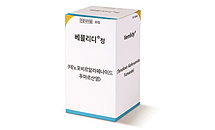
- The generic exclusivity period for the hepatitis B treatment Vemlidy expires on the 15th of this month. Five additional companies that have received approval for generic drugs for this ingredient are expected to enter the market. The pharmaceutical industry is paying attention to whether the original will have an impact on the market share, which accounts for 99%. According to the Ministry of Food and Drug Safety on the 6th, the generic exclusivity period for Daewoong's Vemliver, Dong-A ST's Vemlia, and Chong Kun Dang's Tenofobell-A expires on the 15th of this month. Three companies avoided the Vemlidy salt patent in March last year. They succeeded in evading the patent by using a salt different from the original drug, Vemlidy. Subsequently, it received generic for exclusivity in December of last year and January of this year, respectively. The generic exclusivity period is until the 15th of this month. Five additional companies, including DongKook, Samil Pharmaceutical, Samjin Pharmaceutical, Jeil, and Hutecs, received approval for the generic Vemlidy. The pharmaceutical industry predicts that they will release generics after the 15th. Attention is focused on how much influence additional generic products can have on the market landscape. Currently, the original drug Vemlidy dominates the hepatitis B treatment market containing Tenofovir Alafenamide. According to IQVIA, a pharmaceutical market research firm, Vemlidy's sales in the first half of last year were 20.5 billion won, a 23% increase compared to 16.6 billion won in the same period last year. In particular, quarterly sales exceeded 10 billion won for the first time in the second quarter of this year. Although a generic version was released at the beginning of the year, the price of Vemlidy was not lowered because it uses a different salt than the original. The analysis is that it is rapidly replacing Gilead's existing hepatitis B treatment, Viread. Beread's sales decreased 4% from 31.5 billion won to 30.4 billion won during the same period. Vemlidy generics are not selling well. The combined sales of the three Vemlidy generic products in the first half of this year amounted to only 200 million won. In terms of market share, the original Vemlidy is at 99%. Among the five companies releasing new generic Vemlidy, Samjin does not sell the product directly. Samjin's Taflead was sold by Bukwang Pharmaceutical, which has strengths in the hepatitis B treatment market. DongKook's Alfoterin and Samil's Vemlino join the competition with low drug prices. The prices of the two products are 2,424 won and 2,425 won, respectively. At 70% of the original price, it is the cheapest including previously released generics. The price of Vemlidy's generic drug from Daewoong Pharmaceutical, Dong-A ST, and Chong Kun Dang is in the range of 2,439 to 2,474 won. Vemlidy is an upgraded treatment from Gilead's existing hepatitis B treatment, Viread. It was developed in the form of a prodrug to improve tolerability and nephrotoxic side effects.
- Company
- Appearance of 3rd generation MAO-B inhibitors
- by Eo, Yun-Ho Sep 08, 2023 05:33am
- Professor Dongwoo Ryu Parkinson's disease is one of the diseases for which treatment development is slow. It is known that a cure is still impossible, and treatment focuses on suppressing the progression of the disease or alleviating symptoms. Madopar, a representative treatment, is the drug with the greatest anti-Parkinson effect and has become the gold standard for Parkinson's disease treatment since its first release in the 1960s. However, it is known that approximately 75% of Parkinson's disease patients who take levodopa for more than 5 years experience complications. About two years have passed since the third-generation MAO-B inhibitor Equfina was launched in Korea. This drug was commercially launched in January 2021, 7 months after approval by the Ministry of Food and Drug Safety in June 2020. Dailypharm met with Ryu Dong-woo, professor of neurology at Yeouido St. Mary's Hospital of the Catholic University of Korea, to hear about changes and treatment trends in Parkinson's disease, where treatment options have been added for the first time in a long time. -Have there been any changes in Parkinson's disease drug treatment strategies? With the advent of the MAO-B inhibitor Equfina, one more new option has been added to improve patients' motor symptoms. Previously, there were not many options other than increasing the dosage of dopamine-related drugs to improve patient symptoms, but as new drugs appeared one by one, it became possible to formulate or suggest slightly different treatment strategies. However, the fact that there are still no drugs that actually treat Parkinson's disease is still an issue. -The standard treatment for Parkinson's disease is Levodopa medication. However, because there are several limitations when using Levodopa, it is understood that additional therapy is necessary. Levodopa is a drug that has a clear symptom improvement effect in terms of treatment, but side effects caused by dopamine, such as dizziness and nausea, can occur, and because of these side effects, it is often difficult to use the drug in high doses. Additionally, with long-term use, you may experience complications such as motor fluctuations, dyskinesias, or shortened drug duration. This is a phenomenon that occurs when people suffer from the disease for a long time, but it is also possible that it is worsened by dopamine drugs. There are also hypotheses that these side effects that may occur due to long-term use of the drug may accelerate the progression of Parkinson's disease or reduce drug response. -What is the treatment strategy to control the side effects or complications of levodopa? A strategy can be developed to maintain the body's dose of dopamine at a constant level by administering drugs such as MAO-B inhibitors or COMT inhibitors. All of these strategies are ultimately strategies to control levodopa usage, and they need to be used more actively, especially in young patients who are at high risk of motor complications. -What is the frequency of levodopa side effects? The side effects of levodopa are something that will eventually occur to anyone who uses it over a long period of time, and it is known that symptoms of motor fluctuations can usually be experienced within two years of starting use. It is known that dyskinesias develop in 40% of patients after 4 to 6 years, but this period varies slightly from patient to patient. -What is the effect of third-generation MAO-B inhibitors? How does it compare to existing generation drugs? In the case of Equfina, in addition to the effects seen in existing MAO-B inhibitors, it also has the effect of suppressing glutamate release. Glutamic acid is known to be involved in the progression of Parkinson's disease as well as complications resulting from long-term use of levodopa. Therefore, safinamide may be more effective in improving dyskinesia. So far, there is no clear difference in effectiveness between the previous and third-generation MAO-B inhibitors, but the new MAO-B inhibitors may be more stable when treating patients.
- Company
- Ildong’s new GLP-1 analogue starts clinical trial
- by Chon, Seung-Hyun Sep 07, 2023 05:31am
- Pic of Ildong Pharmaceutical Ildong Pharmaceutical announced on the 6th that it recently received investigational new drug (IND) approval from the Ministry of Food and Drug Safety for its ID110521156’s Phase I clinical trial. ID110521156 is Ildong’s new GLP-1 receptor agonist drug candidate. Through the trial, the company plans to evaluate the tolerability, safety, and pharmacokinetic properties of ID110521156 in healthy adults. ID110521156 acts as an analog of the GLP-1 hormone, which regulates blood sugar levels by inducing insulin secretion in the body. GLP-1 hormone is produced in pancreatic beta cells and is known to be involved in insulin synthesis and secretion in the body, reduction of blood sugar level, regulation of gastrointestinal motility, and appetite suppression. Based on the clinical development and commercialization progress, the company plans to develop ID110521156 into an oral new drug targeting type 2 diabetes and obesity in the future. ID110521156 is a new compound that serves the same function as the GLP-1 hormone. Compared to biological agents such as peptides, it has a low molecular weight and is structurally stable. In an efficacy and toxicity evaluation of ID110521156 that was conducted using diseased animal models, the drug candidate has demonstrated superior efficacy in insulin secretion and glucose control, as well as superior safety compared to other same-class competitors. Ildong Pharmaceutical plans to develop an oral formulation that has advantages in terms of marketability and dosing convenience, unlike existing injection-type formulations, by utilizing the differences in effectiveness, safety, and stability resulting from the structural characteristics of its active substance. An official from Ildong Pharmaceutical said, “We have been actively discussing partnership opportunities with many global pharmaceutical companies, including licensing out our technology. To secure a favorable position in terms of promoting commercialization and securing rights, we have completed patent registration or applications in major market countries including Korea, the United States, Europe, China, and Japan.”
