
- LOGIN
- MemberShip
- 2026-05-06 20:25:32
- Company
- Restrictions on new AML drug Xospata may be lifted next yr
- by Eo, Yun-Ho Dec 26, 2023 05:47am
- The acute myeloid leukemia drug Xospata has entered the last gateway to resolving its dosing cycle restrictions. According to industry sources, Astellas Korea has started drug pricing negotiations with the National Health Insurance Service for its Xospata (gilteritinib), a new drug for patients with relapsed or refractory acute myeloid leukemia (AML) with an FLT3 mutation If the negotiations are finalized by the deadline, the drug could be covered in the first quarter of next year. The drug applied for reimbursement extensions in November last year passed the Cancer Disease Review Committee in May, and passed the Drug Reimbursement Evaluation Committee last month. The drug is indicated as monotherapy for the treatment of patients with relapsed or refractory acute myeloid leukemia (AML) with a FLT3 mutation (FLT3mut+). However, only patients who received allogeneic hematopoietic stem cell transplantation are eligible for reimbursement, for up to 4 cycles, under the current reimbursement standards. Other than the financial issues, there are no specific reasons to limit the number of administration cycles for Xospata. This is why the need for its reimbursement extensions was already suggested in the Cancer Disease Deliberation Committee review stage during the initial reimbursement listing. In the ADMIRAL trial, Xospata was used without limiting the treatment period, and the NCCN guidelines also issued a ‘Category 1 recommendation for the drug without restricting its treatment period. The current best option to cure AML patients is hematopoietic stem cell transplantation, but this is accompanied by a high risk of recurrence, and transplantation is not an option for the large number of elderly AML patients that exist. Therefore, there is no suitable treatment alternative other than Xospata available for patients who cannot undergo hematopoietic stem cell transplantations, and these patients are still using the chemotherapy that was developed over 40 years ago due to ineligibility for reimbursement of Xospata. Xospata targets both types of FLT3 mutations, FLT3-ITD and FLT3-TKD, and may be self-administered at home as a single oral tablet once daily without frequent hospital visits. Also, Xostapa has demonstrated improved safety and efficacy compared with existing chemotherapy.

- Company
- Fierce competition heralded in the hair loss treatment mkt
- by Nho, Byung Chul Dec 22, 2023 05:47am
- Enterobiome confirms the efficacy of akkermansia muciniphila in preclinical trial The battle between global big pharma and domestic pharma-bio companies is expected to unfold in the field of hair loss treatment. Multinational pharmaceutical companies that have succeeded in commercializing alopecia areata treatments - U.S. companies Eli Lilly and Pfizer - have been leading the market, but local pharmaceutical companies have also been completing their clinical trials, heralding an imminent clash between them in the global market. In terms of U.S. FDA approval, the foreign company at the most advantage is Eli Lilly, whose Olumiant was approved in June 2022 to treat alopecia areata. The drug is a Janus kinase (JAK) inhibitor class drug that contains baricitinib, an immunomodulatory and anti-inflammatory enzyme, and is the first drug that works systemically, unlike existing alopecia areata treatments that work locally on the lesion. Pfizer also received FDA approval in June 2023 for Litfulo, a ritlecitinib-based treatment for alopecia areata. This drug is also a JAK inhibitor class drug. In particular, Pfizer’s drug gained attention as the first hair loss treatment for adolescents aged 12 and older, as previous treatments were only available for adults aged 18 and older. The domestic pharmaceutical industry is focusing on developing new types of hair loss treatments that offer a better effect and convenience in intake. Daewoong Pharmaceutical is making significant progress in developing a long-acting injectable that can be administered only once a month, dramatically reducing the number of doses. In July last year, Daewoong completed a Phase 1 clinical trial of IVL3001, a long-acting injectable drug candidate for the treatment of hair loss, that was conducted in Australia. IVL3001 is being developed as a long-acting injectable version of finasteride, an existing oral drug prescribed for androgenic alopecia in adult men. Patients will be able to see an identical effect to the daily pill with once-monthly injections. The results of the Phase 1 IVL3001 trial showed no evidence of an initial burst, a major weakness of existing long-acting injectables, where a large amount of drug is released into the body immediately after administration. Also, the study showed that a steady level of the drug flowed steadily into the blood for more than a month, and blood levels of DHT, the male hormone that causes hair loss, remained as low as they would have been with an oral drug during the monitoring period. In particular, oral finasteride is strictly off-limits to women of childbearing age because it can suppress male hormones and affect the genitals of an unborn child. The availability of long-acting injectable formulations could be convenient for patients and pharmacists alike, eliminating the need for personal storage of medications due to the reduced risk of human contact. Se-ho Jin, Head of Raw Material Research Center at JW Pharmaceutical, and Kim Kyoung-dong, CEO of Theraject Asia shake hand after signing an agreement this October JW Pharmaceutical signed a joint research agreement with Theraject Asia in October and is developing a microneedle hair loss treatment. Microneedle, also known as the "sticker injection," adopts a transdermal drug delivery technology that delivers drugs through the skin with a microscopic needle about one-third the size of a human hair. When a microneedle is applied to the skin, the microneedle pierces the skin and injects the drug, making it a next-generation drug delivery technology that can replace existing injections or oral medications. In addition to the convenience of dosing, it has the advantage of faster recovery compared to injections and the possibility of mass production at low cost. Enterobiome had also recently published the results of its research on hair loss treatment in the International Journal of the Federation of American Societies for Experimental Biology (FASEB), suggesting the possibility of new microbiome drugs.” The research was conducted in collaboration with Dr. Changhwa Jung of the Korea Food Research Institute through R&D support from the Korea Institute for Advancement of Technology. When orally administering the live and killed stains of Enterobiome’s leading strain, akkermansia muciniphila ‘EB-AMDK19’ to animal models with testosterone-induced hair loss for 5 weeks, both models showed a significant increase in the number of hair follicles and improved hair loss by activating beta-catenin protein, which is involved in hair follicle growth and promoting beta-catenin protein proliferation. Furthermore, its hair growth efficacy was equivalent to that of finasteride, the representative hair loss treatment in the field, and the expression of fibroblast growth factor (FGF) and insulin-like growth factor-1 (IGF-1), which are well-known factors for promoting hair growth, was significantly higher in the EB-AMDK19 administered group, indicating the potential for developing innovative hair loss treatments. Meanwhile, according to the Korea Health Insurance Review and Assessment Service, 243,609 patients in Korea received medical treatment for hair loss in 2021, which is an increase of about 15% compared to the 212,041 in 2016. The domestic hair loss treatment market is expected to double from KRW 103.4 billion in 2021 to KRW 200 billion in 2028. The global hair loss treatment market is also expected to grow at an annual rate of 8% from KRW 8 trillion in 2020 to around KRW 15 trillion in 2028, drawing attention to the emergence of new hair loss treatments both in Korea and abroad.
- Company
- 30 companies do not fulfill disability employment obligation
- by Kim, Jin-Gu Dec 21, 2023 05:39am
- Twenty-nine Korean pharmaceutical and biotech companies have failed to fulfill their obligations to hire people with disabilities. The Ministry of Employment and Labor added AstraZeneca Korea to the list for 10 consecutive years and Kolon Pharmaceutical for 3 consecutive years due to their failure in fulfilling their disability hiring obligations. On the 20th, the Ministry of Employment and Labor published a list of 457 companies and organizations that are under-employing people with disabilities. As of the end of last year, the list contained 29 local governments and public institutions with a disability employment rate of less than 3.6% and 428 private companies with a disability employment rate below 1.55%. In April, the Ministry of Employment and Labor issued a preannouncement that it would disclose the list and gave the companies until October to fulfill their employment obligations. Even so, 457 organizations and companies have not made any new hiring or recruitment efforts. Of these, 29 were pharma and bio companies. AstraZeneca Korea has been on the list for 10 consecutive years. At the end of last year, AstraZeneca Korea had 372 permanent employees, and while it was required to hire 11 people with disabilities, it did not hire any. In the case of Kolon Pharmaceuticals, the company made it to the list for 3 consecutive years. As of the end of last year, the company was required to hire 11 people with disabilities out of 372 permanent workers but only hired one. Among companies with more than 1,000 full-time workers, Ildong Pharmaceutical also violated its obligations. The company was required to hire 46 people with disabilities but only hired 10. Among businesses with over 500 and fewer than 1,000 employees, companies including ▲Medtronic Korea ▲IQIVA Korea ▲ Abbott Diagnostics Korea ▲ Samjin Pharmaceutical ▲Chong Kun Dang Bio ▲Korea United Pharm ▲Bioneer ▲Reyon Pharm ▲ Daihan Pharmaceutical ▲ Baekje Pharmaceutical Green Cross Laboratories did not fulfill their disability hiring obligations. In the case of Medtronic Korea and Korea IQVIA, they did not hire any persons with disabilities. Among businesses with over 300 and fewer than 500 employees, companies including ▲Roche Diagnostics Korea, ▲AstraZeneca Korea ▲Pharmaceutical Research Associates Korea ▲ Kolon Pharmaceuticals ▲Green Cross EM ▲ Thermo Fisher Scientific Korea ▲Osang Healthcare ▲Johnson & Johnson Korea) ▲C&R Research ▲Pharmbio Korea ▲Sam Chun Dang Pharm ▲Janssen Korea ▲Shinsin Pharmaceutical ▲Seoul Viosys ▲GlaxoSmithKline ▲Myung In Pharm ▲Neobiotech ▲Dong Kwang Pharmaceutical did not fulfill their disability hiring obligations. Roche Diagnostics Korea and AstraZeneca did not hire any persons with disabilities. The Ministry of Employment and Labor announced companies that failed to comply with their hiring obligation to hire people with disabilities and conducted disability awareness training, briefings, and meetings for 6 months. The companies hired 3,477 people with disabilities in the process. Young-Mi Lim, Director of the Inclusive Employment Policy Bureau, said, “In the following year, the government will continue to develop suitable jobs and consult with large companies that have low employment rates. We will also improve the regulations for establishing standardized workplaces for people with disabilities and allow state-linked employment in the government sector so that more companies can participate in hiring people with disabilities."
- Company
- ‘Use of Cosentyx will rise in ankylosing spondylitis’
- by Son, Hyung-Min Dec 21, 2023 05:39am
- On the 20th, Novartis held a media session at its Yeouido headquarters in Seoul on Cosentyx, it Reimbursement for Novartis' Cosentyx has been expanded to the first-line in ankylosing spondylitis in Korea. The rise of the new reimbursed drug option in the treatment of early ankylosing spondylitis, which is added to the existing options of tumor necrosis factor-alpha (TNF-α) inhibitors such as Humira and Remicade, is expected to increase Cosentyx's use in the field. On the 20th, Novartis held a media session at its Yeouido headquarters in Seoul on Cosentyx, it's biologic that inhibits interleukin (IL)-17A. IL-17 induces the reduction of osteoblasts and causes various inflammatory diseases. Cosentyx has a mechanism of action that directly blocks IL-17, which causes spinal deformity from the earliest stages of the disease including enthesitis. Novartis announced today that Cosentyx’s reimbursement standard had been extended to ankylosing spondylitis on the 1st. Previously, patients were only covered for Cosentyx if they had an inadequate response to one or more TNF-α inhibitors or if they discontinued treatment due to side effects or contraindications. Cosentyx’s reimbursement had been extended to patients with severe active ankylosing spondylitis who have been treated with 2 or more types of non-steroidal anti-inflammatory drugs (NSAIDs) or biologic disease-modifying anti-rheumatic drugs (bDMARDs) for at least 3 months and have discontinued treatment due to lack of benefit or drug side effects. In the long-term MEASURE1 4-year study, approximately 80% of patients using Cosentyx showed a modified Stoke Ankylosing Spondylitis Spine Score (mSASSS) of less than 2 over 4 years, showing no progression of spinal deformation. Cosentyx showed sustained effectiveness at all doses and formulations, regardless of age and disease duration. The MEASURE2 study also demonstrated that treatment with Cosentyx improved key symptoms of ankylosing spondylitis, including early morning stiffness, spinal pain, fatigue, and nighttime back pain, which was sustained for up to 5 years. Professor Sang-Heon Lee, Professor of Rheumatology at Konkuk University Hospital, said, “The treatment adherence rate of TNF-α inhibitors is not as high as expected, highlighting the limitations of existing treatment options and the need for new treatment options.” Lee added, "People have been switching between TNF-α inhibitors to little effect. Studies have shown that 15.4% of all patients fail treatment. Continuing to use ineffective drugs can be burdensome for patients. It makes medical sense for the patients to attempt a new mechanism of action, such as Cosentyx." The need to start early diagnosis and treatment rises in ankylosing spondylitis Ankylosing spondylitis is an autoimmune disease in which the spine joint becomes inflamed and gradually stiffens. Inflammation of the spinal joints causes pain, stiffness, and other symptoms. If left untreated, the joints can become stiff and become immobile. Ankylosing spondylitis affects a various body systems and can lead to a number of complications. Recognizing the condition is the first step in its treatment, as the disease progresses slowly and patients often don't recognize the early symptoms. Professor Lee said, “Although many patients affected with rheumatism are women aged in their 40s to 50s, spondylarthritis patients are more generally men aged in their teens to 30s. Ankylosing spondylitis occurs in socially active patients, therefore their life satisfaction will decrease. Ankylosing spondylitis often starts with pain in the hips, patients should suspect ankylosing spondylitis if the pain persists. "Ankylosing spondylitis is a systemic inflammatory disease, not just a spinal condition, and is difficult to diagnose early. Patients tend not to notice the stiffness in the morning and the stiffness improves with activity during the afternoon, so they often visit the hospital too late. Recognizing the early symptoms of ankylosing spondylitis and administering medications early can lead to a good recovery. It is important to recognize the condition early on."
- Company
- One-shot Luxterna may soon receive reimbursement
- by Eo, Yun-Ho Dec 21, 2023 05:39am
- The one-shot retinal disease treatment 'Luxterna' is likely to be reimbursed soon. According to industry sources, Novartis Korea completed negotiations for Luxturna (voretigene neparvovec), a treatment for inherited retinal dystrophy (IRD), with the National Health Insurance Service on the 18th. Although the drug pricing negotiations did not reach an agreement by the deadline (60 days). When considering the schedule of the Health Insurance Policy Review Committee, the drug will be reimbursed by February next year at the latest. Luxturna passed the Health Insurance Review and Assessment Service's Drug Reimbursement Evaluation Committee review in July. The company submitted its application for reimbursement benefits in September 2021 but made little progress for a while. Then, the agenda was presented to DREC in March, but failed to set reimbursement standards and started pricing negotiations after reapplying and submitting supplementary data. The government and company had then been unable to reach an agreement in Luxturna's evaluation process due to differences in opinion regarding the terms of the Risk Sharing Agreement (RSA) (refund type, etc.). In this situation, Novartis has submitted supplementary data to apply again for reimbursement, and both the government and pharmaceutical companies have shown a strong will to reimburse the drug in Korea. Even though the brakes were pulled during drug negotiations, the company ended up deriving good results. By replacing the defective or defective RPE65 gene - one of the causes of IRD - with a normal gene, Luxturna restores the visual function of an IRD patient with a single administration. In other words, the drug provides a fundamental cure for IRD. In the US, the drug was granted a Breakthrough Therapy Designation by the FDA in 2014, the drug was approved as an orphan drug in 2016, then was granted Priority Review and a Fast-Track designation in 2017. Meanwhile, the efficacy of Luxturna was demonstrated through a Phase III trial that was conducted on IRD patients with confirmed biallelic RPE65 mutations. Study results showed that the group of patients that received Luxturna demonstrated statistically significant improvements in their functional vision compared to the control group at one year of treatment. Using the mean score of the multi-luminance mobility test (MLMT), which evaluates the ability to complete the obstacle course at low light levels by recreating the daily walking environment, as the primary endpoint at one year of treatment, the MLMT score change in the Luxturna treatment group was 1.8 points, 1.6 points higher than the 0.2 points in the control group.
- Company
- Marketability of homegrown drugs being tested in the US
- by Chon, Seung-Hyun Dec 20, 2023 05:41am
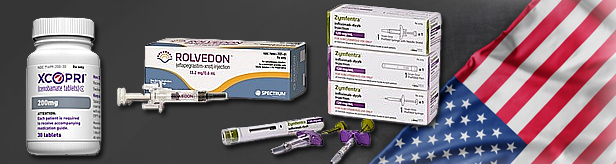
- Domestic pharmaceutical and bio companies are entering the US one after another. GC Biopharma succeeded in entering the US market with its blood product on its third try. Since last year, 3 domestically developed drugs have passed the US market gateway, starting with Hanmi Pharmaceutical and Celltrion. Until now, homegrown drugs that have entered the U.S. were deemed to be far from market success. In this sense, the success potential of homegrown drugs is now being tested in earnest in the US market. GC Biopharma announced on the 18th that it received marketing authorization for its Alyglo from the US Food and Drug Administration on the 15th. ALYGLO is a liquid solution containing immunoglobulin G for intravenous infusion, manufactured from pooled human plasma from US donors. It is used to treat primary humoral immunodeficiencies such as congenital immune deficiency and Immune thrombocytopenia. In Korea, the drug is being sold under the brand name, ‘IV-Globulin SN Inj.’ GC Biopharma was able to pass the barrier to US market entry and receive FDA approval on its third try. GC Biopharma first applied for the approval of its IVIG-SN 5% product at the end of 2015. In November 2016, the company was asked to supplement the manufacturing process data. In September 2017, the authorities again requested GC Biopharma to submit supplementary material, delaying approval. As a result, the company revised its strategy to introduce the more marketable 10% dosage to the U.S. market first. In 2020, it completed the North American Phase 3 clinical trial of IVIG-SN 10% Alyglo and submitted a biologics license application to the FDA in February 2021. However, in February of last year, the company received a notice of delay from the FDA. Due to the COVID-19 pandemic at the time, the review was conducted non-face-to-face in Q4 2021, but the FDA decided to postpone the drug’s approval due to the need for on-site inspection of the manufacturing facility. In April, the FDA team conducted an inspection of the manufacturing facility and quality system, including the fractionation and finishing of IVIG-SN at GC Biopharma’s Ochang plant. After completing the GMP inspection of the Ochang plant, GC Biopharma resubmitted the license application in consultation with the FDA and received final approval this time. Among those made by Korean pharma and bio companies, three homegrown drugs from Hanmi Pharmaceutical, Celltrion, and GC Biopharma have entered the U.S. market since last year. In September last year, the FDA gave the final approval to Spectrum Pharmaceuticals' application for Rolontis (U.S. brand name Rolvedon) Rolvedon Rolvedon is a biological drug Hanmi Pharmacuetical had licensed out to Spectrum in 2012. is administered to prevent or treat neutropenia in cancer patients who receive myelosuppressive chemotherapy in Korea. In Korea, the drug received approval as the 33rd homegrown novel drug in March 2021. Rolontis is manufactured at Hanmi’s Pyeongtaek plant. It is the first Korean biological drug to enter the US market after being produced in a domestic plant that passed the FDA’s on-site inspections. Rolvedon became the 6th new drug developed by a domestic company to clear the FDA approval process. In October, Celltrion received approval from the US FDA to market Zymfentra, a subcutaneous (SC) formulation of its antibody biosimilar Remsima as a new drug. Remsima is a biosimilar product of Remicade. Zymfentra is licensed and marketed in Europe under the name Remsima SC. Zymfentra is Celltrion's first product licensed as a new drug in the United States. ZymfentraThe FDA recognized the product's differentiated value from the approval discussion stage and recommended the company take the new drug approval process. To obtain approval as a new drug, Celltrion conducted two new global Phase III clinical trials. Based on the safe safety and efficacy results demonstrated through the clinical trial Celltrion submitted an application for approval in December of last year in accordance with the FDA's new drug approval process and obtained approval in 10 months. LG Chem’s antibiotic Factive was the first among homegrown new drugs to pass the US gates in 2003. Then, Sivextro that Dong-A ST licensed-out was approved by the FDA in 2014. Then, in 2016, SK Chemical’s hemophilia drug Afstyla received FDA approval. Afstyla is a new genetic recombinant drug that was developed by SK Chemical with its proprietary technology. SK Chemical licensed the drug candidate to Australia’s CSL Behring in the preclinical stage in 2009, and CSL Behring conducted the clinical trials and received approval for the drug in the US and Europe. In 2019, two of SK Biopharmaceuticals’ drugs - the narcolepsy drug Sunosi and the new epilepsy drug Xcopri - received FDA approval. In 2019, Sunosi, SK Biopharmaceuticals’ sleep disorder drug that the company licensed out, received final approval from the FDA. SK Biopharmaceuticals completed Phase I trials for the candidate drug after discovery and licensed-out the candidate Jazz Pharmaceuticals in 2011. Jazz acquired the global commercialization rights for Sunosi, including those for the US and Europe, completed Phase III trials, and reached the commercialization stage. In November 2019, the company also received FDA approval for its epilepsy treatment Xcopri. Xcopri is the first new drug to be solely developed and applied and granted FDA approval by a domestic company. Xcopri is a positive allosteric modulator of the y-aminobutyric acid (GABAA) ion channel, which blocks the voltage-gated sodium currents, causing the reduction in repetitive neuronal firing, and reducing seizures. As such, the industry believes this is the time to test the potential for commercial success of homegrown drugs in the United States. So far, domestic drugs that have received US approval have been far from conquering the global stage. Factive’s overseas expansion was hindered when its partner GlaxoSmithKline withdrew from the deal over clinical data. More than KRW 300 billion was invested in its development, but its sales in the U.S. have been negligible. Sivextro, which was approved by the FDA in 2014, and Afstyla, which debuted in the U.S. market in 2016, have not performed as well commercially as expected. The company voluntarily withdrew the license for Sivextro, citing low drug prices in Korea. Quarterly Sales of Xcopri in the US (Unit: KRW 10 million, Data SK Biopharm). On the other hand, SK Biopharm's Xcopri is gradually expanding its share in the US market. Since its launch in the US, Xcopri has continued to renew its sales record every quarter. After posting initial sales of KRW 2.1 billion in the US in 2020, the drug generated sales of KRW 75.7 billion in Q3 this year. Xcopri’s cumulative sales in the US last year were KRW 169.2 billion, and in Q3 of this year alone, Xcopri surpassed last year's sales with KRW 193 billion. Xcopri’s cumulative sales in the U.S. over the past 3 years totaled at KRW 452.1 billion. Rolvedon, a drug licensed out by Hanmi Pharmaceutical, has also continued to grow in the US market, with sales of $15.6 million (KRW 20 billion) and $21 million (KRW 28 billion) in Q1 and Q2 respectively. Rolvedon was developed by Assertio Holdings, a pharmaceutical company specializing in central nervous system, pain, and inflammation, which acquired Spectrum Pharmaceuticals in April.
- Company
- LG Chem joins in the 3-way race in Humira biosimilar mkt
- by Chon, Seung-Hyun Dec 19, 2023 05:54am
- LG Chem has joined in to compete for a share of the Humira biosimilar market. Humira is an original autoimmune disease treatment. With the introduction, a three-way competition will start between Samsung Bioepis, Celltrion, and LG Chem in the KRW 100 billion annual market. It has been 2 years since biosimilars entered the Humira market, but the original product still has a stronghold and remains unrivaled in the market. LG Chem announced on the 15th that it has received marketing authorization from the Ministry of Food and Drug Safety for its adalimumab Humira biosimilar Xelenka. Two types of Xelenka - Xelenka Prefilled Syringe Inj and Xelenka Autoinjector Inj – were approved at the time. Xelenka is approved for the following adult indications: rheumatoid arthritis, psoriatic arthritis, axial spondyloarthritis, adult Crohn's disease, psoriasis, ulcerative colitis, Behcet's enteritis, hidradenitis suppurativa, and uveitis. It is also approved for 3 pediatric indications: pediatric Crohn's disease (6 to 17 years of age), pediatric idiopathic arthritis, and pediatric plaque psoriasis. As a result, three domestic companies, with LG Chem following Samsung Bioepis and Celltrion, have released Humira biosimilars in the market. In July 2020, Samsung Bioepis received approval for Adalloce, the first Humira biosimilar, followed by the approval of Celltrion’s Yuflyma in June 2021. Humira posted sales of KRW 104 billion in 2019 and KRW 91.2 billion and 85.8 billion in 2021 and last year, respectively. Quarterly saels of Humira (Unit: 100 million, Data: IQIVA). Competition in the Humira biosimilar market started in earnest when Samsung Bioepis’s Adalloce was approved with reimbursement in May 2021. Although 2 years have passed since domestic companies started selling Humira biosimilars, the pace of expansions made by the biosimilars has been deemed to be slow.. According to the market research institution IQVIA, the market for adalimumab reached KRW 25.3 billion in Q3. This is a 3.7% YoY increase and a 17.6% rise 2 years from the KRW 21.5 billion in Q3 2021. The original Humira has maintained a solid stronghold over the market despite the entry of its biosimilar. Humira's Q3 sales decreased 2.3% YoY to KRW 21.5 billion. This is still a 1.8% rise from the KRW 21.1 billion it had raised in Q3 2021. Adalloce’s Q3 sales were KRW 3.4 billion. This was a 54.5% increase from Q3 last year and a 13.3% share of the adalimumab market. Yuflyma’s Q3 sales reached KRW 400 million. The market share of the two domestic biosimilars combined was 14.9% in Q3. The share of biosimilars in the Humira market has been gradually expanding after exceeding 10% in Q4 last year, but the sales gap with the original product remains large. Experts have attributed the slow market penetration rate to the small gap in the prices of original products and biosimilars. The insurance ceiling price of Adalloce Prefilled Syringe 40mg/0.4ml and Yuflyma Pen 40mg/0.4ml are KRW 248,877 each, which is only a 15.0% difference from the price of Humira Prefilled Syringe 40mg/0.4ml and Humira Pen 40mg/0.4ml, which are set at KRW 288,091. In principle, under the Korean drug pricing system, biosimilars can receive insurance prices up to 70% of the original drug price that was set before patent expiry. Since October 2016, the price of ‘items developed by innovative pharmaceutical companies, or are equivalent, or those developed by domestic pharmaceutical companies in partnership with foreign companies, or items for which Korea grants first approval, or items produced domestically’ are set up to 80% of the original drug’s price. The price of original drugs whose patents have expired is automatically reduced to 70-80% of its previous level upon the introduction of its biosimilars. Even if a biosimilar is listed at a price 30% or more lower than the original drug's pre-patent expiry price, as the original drug's price is reduced at the same time, it is difficult for the generic company to secure price competitiveness. Some analysts believe that in the field of autoimmune diseases, as drugs are used to treat severe illnesses, doctors and patients may prefer new drugs from multinational pharmaceutical companies that have accumulated trust over time if there is not much difference in drug prices. However, biosimilars are known to contribute to financial savings for national health insurance by lowering the price of original drugs. As of June 7, 2021, the insurance ceiling price of Humira has been reduced by 30% from the previous price. The price of 3 drugs, Humira Pen Inj 40mg/0.4mL, Humira Prefilled Syringe Inj 40mg/0.4mL, and Humira Inj 40mg Vial, were cut 30% from KRW 415,058 to KRW 280,891, and the price of Humira Prefilled Syringe Inj 20mg/0.2mL was cut from KRW 224,002 to KRW 156,801. Humira recorded sales of 27.5 billion won in Q1 2021, but sales had fallen 24.9% the next quarter to 20.7 billion won due to price cuts.
- Company
- 2 new JAK inhibitors secure expanded reimb
- by Son, Hyung-Min Dec 19, 2023 05:54am
- The treatment market for active ankylosing spondylitis, which had been previously dominated by Tumor Necrosis Factor-alpha (TNF-α) inhibitors such as Humira and Remicade, is transforming. As of the 1st of this month, reimbursement has been applied and expanded to include major Janus Kinase (JAK) inhibitors and biologic agents for treating active ankylosing spondylitis; thereby, forecasting a likely surge in market competition. According to the industry on the 16th, the two JAK inhibitors, Pfizer’s Xeljanz (tofacitinib) and AbbVie’s Rinvoq (upadacitinib), newly passed the reimbursement criteria for treating active ankylosing spondylitis. Eli Lilly’s Taltz (ixekizumab) and Novartis’ Cosentyx (secukinumab) now receive expanded reimbursement criteria for primary treatment options active ankylosing spondylitis. Active ankylosing spondylitis is an autoimmune disease that involves inflammation in the spine and, over time, can cause progressive spinal rigidity. The inflammation in spine joints results in pain and loss of flexibility. If left untreated, active ankylosing spondylitis can restrict movements because the bones in the spine fuse in a fixed position. Until now, TNF-α inhibitors were used as the first-line treatment for active ankylosing spondylitis. Due to the lack of treatment options for patients who developed resistance, anticipation is rising on the effect the newly reimbursement treatments will provide to the field. Xeljanz and Rinvoq, first JAK inhibitors to add reimbursement standards for active ankylosing spondylitis. Patients with severe active ankylosing spondylitis who have stopped receiving treatment due to poor response to one or more types of TNF-α inhibitor or IL-17A inhibitor will be able to receive reimbursement for the JAK inhibitors Rinvoq and Xeljanz. JAK inhibitors suppress JAK enzymes., which play a critical role in facilitating processes in the immune system; however, their overactivation can lead to several autoimmune diseases. JAK inhibor Pfizer Rinvoq and Xeljanz proved effective in patients who failed prior treatments in clinical trials as well. In the Phase 3 SELECT-AXIS 2 clinical studies, which enrolled patients with ankylosing spondylitis who failed previous treatments with TNF-α inhibitor or IL-17A inhibitor, the ASAS40 (Assessment of Spondyloarthritis International Society response standard improvement of 40% or more) response rate for patients treated with Rinvoq was 45.0% at week 14. This was significantly higher than that of the placebo group (18.0%). In the Phase 3 S-I clinical trial, which enrolled patients with active ankylosing spondylitis who had an inadequate response to prior TNF-α inhibitor treatments, the ASAS40 response rate for patients treated with Xeljanz was 41%, as opposed to 13% in the placebo group. Due to the current expansion of reimbursement, the patients with active ankylosing spondylitis will be able to receive reimbursement for Xeljanz and Rinvoq, the drugs previously used for eczema, rheumatoid arthritis, and ulcerative colitis. Notably, two drugs offer an advantage over other treatment options due to their convenience in administration, as they are oral treatments. Cosentyx and Taltz, which are biologic drugs, succeeded in expanding the reimbursement criteria as first-line treatments for active ankylosing spondylitis The reimbursement criteria are expanded for Novartis's Cosentyx and Eli Lilly's Taltz, biologics that inhibit IL-17A, to include first-line treatments for ankylosing spondylitis. Previously, reimbursement criteria were limited to cases where there was an inadequate response to one or more TNF-α inhibitors, or when treatment was discontinued due to side effects or incompatibility. Cosentyx and Taltz both function by selectively binding to the cytokine IL-17A, an inflammatory mediator, and inhibiting its interaction with respective receptor. IL-17 inhibitor Novartis Through expanded reimbursement, Cosentyx and Taltz can now be used under the same criteria as TNF-α inhibitors. The reimbursement criteria for these treatments have been expanded for patients with severe active ankylosing spondylitis who had shown insufficient response or drug side-effects despite treatment with two or more types of non-steroidal anti-inflammatory drugs (NSAIDs) or biological Disease-Modifying Anti-Rheumatic Drugs (bDMARDs) for over three months. In the four-year long-term MEASURE 1 study, Cosentyx has shown that in approximately 80% of active ankylosing spondylitis patients, there was no progression of spinal deformity (modified Stoke Ankylosing Spondylitis Spinal Score (mSASSS) changes less than 2) over four years. Moreover, the MEASURE 2 study demonstrated the long-term effect of Cosentyx in improving key symptoms of active ankylosing spondylitis, including morning stiffness, spinal pain, fatigue, and nocturnal back pain up to 5 years. The effectiveness of Taltz was demonstrated in COAST-V clinical studies in patients who are biologic disease-modifying antirheumatic drug (bDMARD)-naïve, and COAST-W Phase 3 studies in patients who previously had an inadequate response or were intolerant to tumor necrosis factor (TNF) inhibitors. The COAST-V clinical trial result demonstrated that the ASAS40 response rate for patients treated with Taltz was 48% at week 16, a significantly higher response rate compared to the 18% in the placebo group. In addition, the COAST-W clinical trial also demonstrated a higher ASAS40 response rate for Taltz compared to the place group (Taltz: 25.4%, Placebo: 12.5%). Cosentyx and Taltz have shown consistent results not only in clinical trials but also in real-world data, confirming their effectiveness and safety in real medical settings.
- Company
- Baxter-JW-HK Inno.N-Kabi introduce 4th gen 3 chamber TPNs
- by Nho, Byung Chul Dec 19, 2023 05:53am
- The race to expand the market share of ‘new lipid formulation total parenteral nutrition’ has been ignited by pharmaceutical companies specializing in parenteral nutrition. The new intravenous lipid total parenteral nutritions that have been introduced to the market are regarded as 4th generation total parenteral nutritions and are an amino acid admixture to the existing three-chamber bags for parenteral nutrition. It consists of refined fish oil (Omega-3) or refined olive oil, amino acids, and glucose. Baxter was the first company to enter the market with a 4th generation product, which received authorization in August last year. Baxter’s Olimer N12E Inj is an olive oil containing amino acid-reinforced lipid emulsions that comes in650·1000·1500·2000ml sizes and are priced at KRW 29,746, KRW 37,777, KRW 43,835, and KRW 55,202, each. The company launched the product in Korea after signing a domestic distribution agreement with Boryung Phramacetucial, a sales and marketing powerhouse in general hospitals in Korea. Among domestic pharmaceutical companies, JW Pharmaceuticals, the domestic leader in the third-generation three-chamber bag for parenteral nutrition, was the first to receive approval and reimbursement for its new product and was expected to rival Baxter's Olimer N12E Inj. In the case of the Winuf A Plus Inj has increased the ratio of amino acids by including refined fish oil, refined olive oil, and refined soybean oil, the fluid is being considered as an upgrade of the company's preexisting three-chamber bag Winurf Inj, which has a market size of KRW 70 billion. Winuf A Plus Inj comes in 1089·1090·1438·1452ml sizes and are priced at KRW 41,609, KRW 41,197, KRW 46,049, and KRW 46,679, respectively. HK Inno. N’s Omapone Plus Inj, which uses refined fish oil, has also recently obtained approval from the Ministry of Food and Drug Safety and is receiving drug price calculations. Although HK Inno.N failed to become the first domestic company to launch a 4th generation product, as its product comes after JW Pharmaceutical, HK Inno.N has newly registered a patent for a 'pharmaceutical composition comprising of omega fatty acids and fluid preparation that contains the same' to differentiate its product theoretically from others. JW Pharmaceutical Fresenius Kabi also received approval to import its Ntense Inj. in September last year, which contains a higher proportion of amino acids such as refined fish oil. The company plans to promote it as a next-generation product to replace its own Smofkabiven Inj. In terms of the drug distribution performance, Smofkabiven Peripheral Inj posted KRW 27.1 billion in sales last year and ranked second in the third-generation three-chamber bag for parenteral nutrition following Winuf. The price of Smofkabiven had suffered cuts due to the combination of products that contain the same components, but the company is looking to turn things around by introducing Ntense Inj. According to reports, Ntense Inj and Omapone Plus are expected to receive prices that are similar to those set for Winuf A Plus. Therefore, the industry prospect is that the fourth-generation lipid emulsions based on refined fish oil and olive oil will form a new market and ignite fierce competition in 2024.

- Company
- Who will take over the Forxiga market worth 50 bil?
- by Chon, Seung-Hyun Dec 18, 2023 05:31am
- The pharmaceutical industry is closely monitoring the potential withdrawal of the diabetes drug Forxiga from the market in Korea. This withdrawal is expected to intensify competition among companies aiming to fill the market gap left by Forxiga. Companies that have recently introduced generics of Forxiga are predicted to enter intense market competition. Furthermore, there is speculation that Daewoong Pharmaceutical, having launched a new medication from the same class this year, could benefit from these developments. According to the industry, AstraZeneca Korea has officially declared on the 14th its exit from the Korean market with its diabetes treatment Forxiga. This decision by AstraZeneca to withdraw from the market is attributed to increased competition arising from the introduction of generics, drug price cuts, and restructuring of their portfolio. Forxiga is a SGLT-2 inhibitor class treatment for diabetes and contains dapagliflozin as its active ingredient. SGLT-2 inhibitors function by preventing the reabsorption of glucose in the kidneys, which leads to the excretion of glucose via urine and consequently lowers blood sugar levels. According to the data from UBIST, a market research firm, Forxiga’s prescription totaled to 51 billion won in the previous year. Therefore, pharmaceutical companies already in the SGLT-2 inhibitor market may likely benefit from the Forxiga's withdrawal. SGLT-2 inhibitors, which are used as diabetes treatments, has recently shown rapid growth in sales. In Q3 of this year, SGLT-2 inhibitors monotherapy achieved outpatient prescription sales of 37.7 billion won. This reflects a 41.0% increase compared to the previous year. From Q3 of 2020, where it reached 20.1 billion won in sales, there has been a remarkable 87.2% growth over three years. SGLT-2 inhibitors, unlike DPP-4 inhibitors which are another class of diabetes treatments, offer an insulin-independent mechanism of action; therefore, they are not affected by insulin resistance. Additionally, clinical studies that demonstrate benefits in weight loss are seen as a positive factor contributing to the market expansion of SGLT-2 inhibitors. The recent sales for dapagliflozin monotherapy, including Forxiga, have shown a steep increase in growth. Q3’s prescription sales of dapagliflozin monotherapy reached 20.5 billion won, up 56.0% YoY compared to the last year. The market size has approximately doubled from the 10.9 billion won in Q3 of 2021, demonstrating substantial expansion over just two years. The market has significantly expanded recently with the introduction of Forxiga generics. Following the expiration of Forxiga's substance patent in April, numerous pharmaceutical companies in Korea rushed to release generics containing the dapagliflozin. Currently, there are approximately 60 companies that have introduced generics of Forxiga monotherapy. Dapagliflozin’s prescription sales was recorded at 14.5 billion won in Q1, and it increased to 17.9 billion won in Q2, up 23.4%. Compared to Q1, the prescription sales in Q3 increased by 40.8%. For pharmaceutical companies, Forxiga's market exit is seen as an opportunity to grow through the substitution of generics that contain the same active ingredient. In the early stage of the Forxiga generic market, Boryung Pharmaceutical and Hanmi Pharmaceutical are emerging as key players. Boryung's Trudapa has achieved prescription sales of 1.2 billion won since its introduction, while Hanmi's Daparon has recorded a prescription amount of 1.1 billion won in the past six months. Additionally, other companies like Chong Kun Dang, Aju Pharm, KyugDong Pharmaceutical, and Daewon Pharmaceutical have also seen prescription figures exceeding 500 million won. Following Forxiga's withdrawal, prescriptions of other for-2 inhibitors like empagliflozin, ipragliflozin, ertugliflozin, and enavogliflozin may also rise. Empagliflozin, already a significant player in the SGLT-2 inhibitor market alongside dapagliflozin, is expected to potentially benefit from this market shift. Empagliflozin monotherapy’s sales from prescription reached 14.6 billion won in the Q3, a YoY 53.0% increase from 9.5 billion won in the Q3 of 2020, demonstrating a strong growth. As for Empagliflozin-class monotherapy, Boehringer Ingelheim's Jardiance is currently the only product. Daewoong Pharmaceutical's new drug Envlo may rise to become a viable competitor in the SGLT-2 inhibitor market. Envlo, which contains the active ingredient Enavogliflozin, is Daewoong Pharmaceutical’s SGLT-2 class inhibitor, which was developed for the first time among domestic pharmaceutical companies. It received domestic approval last year and was launched in May. Envlo demonstrated superior efficacy with just 0.3 mg, which is less than one-thirtieth of the dose required by existing SGLT-2 inhibitors. In phase 3 clinical trials involving patients with type 2 diabetes, it proved superior in lowering glycated hemoglobin (HbA1c) and fasting blood sugar levels, as well as in safety, compared to existing drugs. Since its introduction, Envlo has achieved a prescription sales of 1.6 billion won. In Q2, it reached 400 million won in prescriptions, which then increased to 1.1 billion won in Q3. Despite being relatively new to the market and thus having a smaller prescription volume, Envlo has already outperformed the sales performance of ipragliflozin and etugliflozin, making it the third most prescribed drug in its class. In this sense, Envlo is beginning to establish a significant presence in the market, outshining Forxiga's generics. Daewoong Pharmaceutical’s past experience in marketing is postulated for the background of Envlo's market expansion. Since 2018, Daewoong Pharmaceutical has been a co-distributer of Forxiga, and had led its market expansion. Daewoong Pharmaceutical has proven its sales power in the anti-ulcer drug market. The company distributed AstraZeneca's PPI class anti-ulcer drug Nexium for 13 years, from 2008 to last year. This year, they have focused on selling self-developed gastroesophageal reflux disease drug, Fexuclue. Fexuclue has successfully penetrated the market, recording a prescription amount of 37.4 billion won in its second year until the Q3 of this year. Last year, Daewoong Pharmaceutical launched Nexierd, containing the active ingredient Esomeprazole, and its cumulative prescription sales in Q3 of this year reached 4.8 billion won, ranking it among the top in its class. AstraZeneca has secured the domestic supply of Forxiga until the first half of next year and is discussing patient protection measures with the Ministry of Food and Drug Safety (MFDS).
