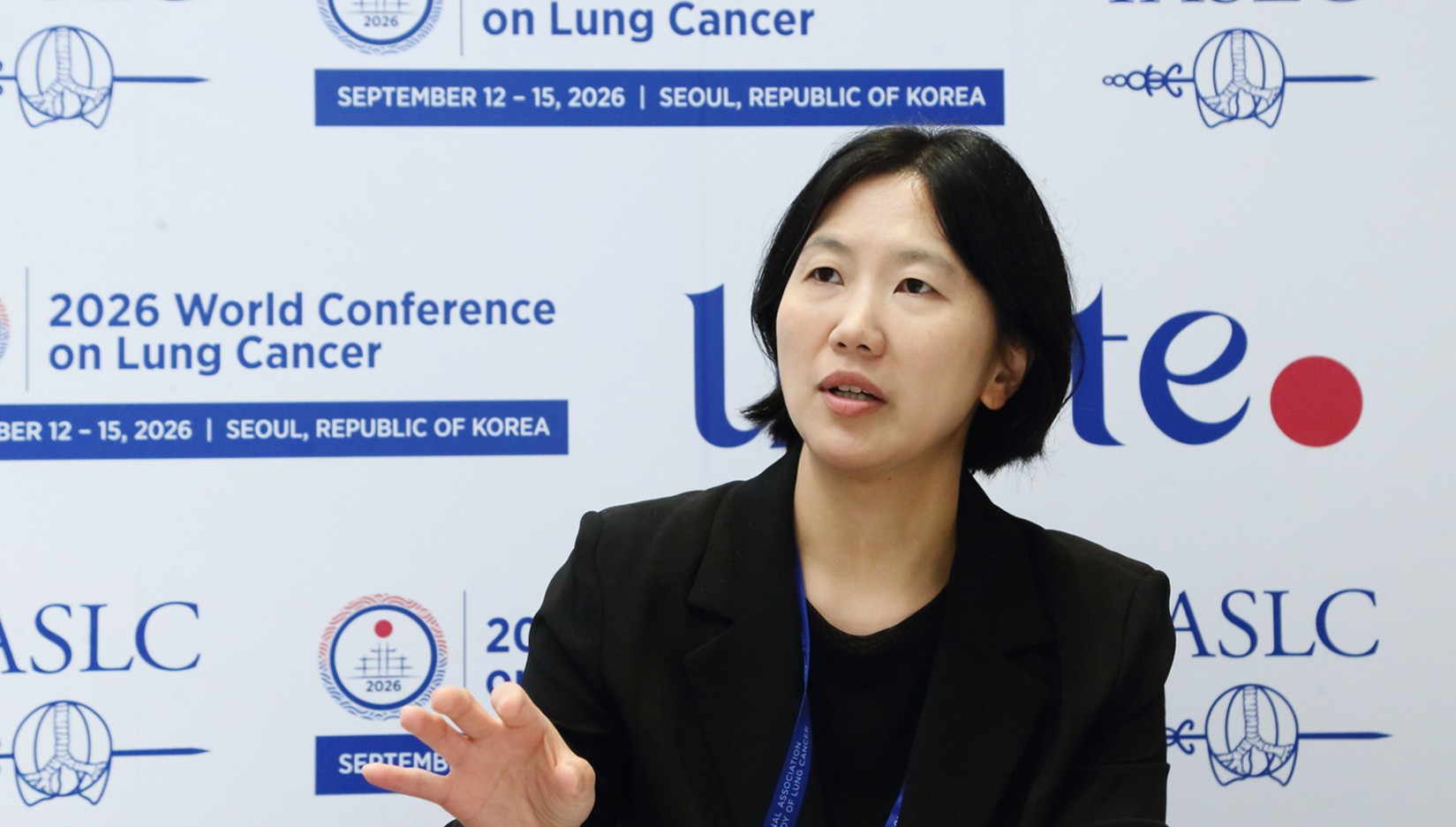
- LOGIN
- MemberShip
- 2026-09-21 15:36:10
- ‘Early start is key to menopausal hormone therapy’
- by Son, Hyung Min | translator Alice Kang | 2026-09-21 09:11:51
Menopausal hormone therapy (MHT) strategies are shifting toward an approach that comprehensively takes into account treatment timing, the characteristics of individual therapies and patient-specific risk factors.
Experts say it is important to initiate treatment relatively early after menopause and that patients who begin MHT at an appropriate time do not necessarily need to discontinue treatment solely because of age. Evidence also suggests that even among MHT regimens, breast cancer and cardiovascular safety profiles may vary depending on the type of progestogen used with estrogen.
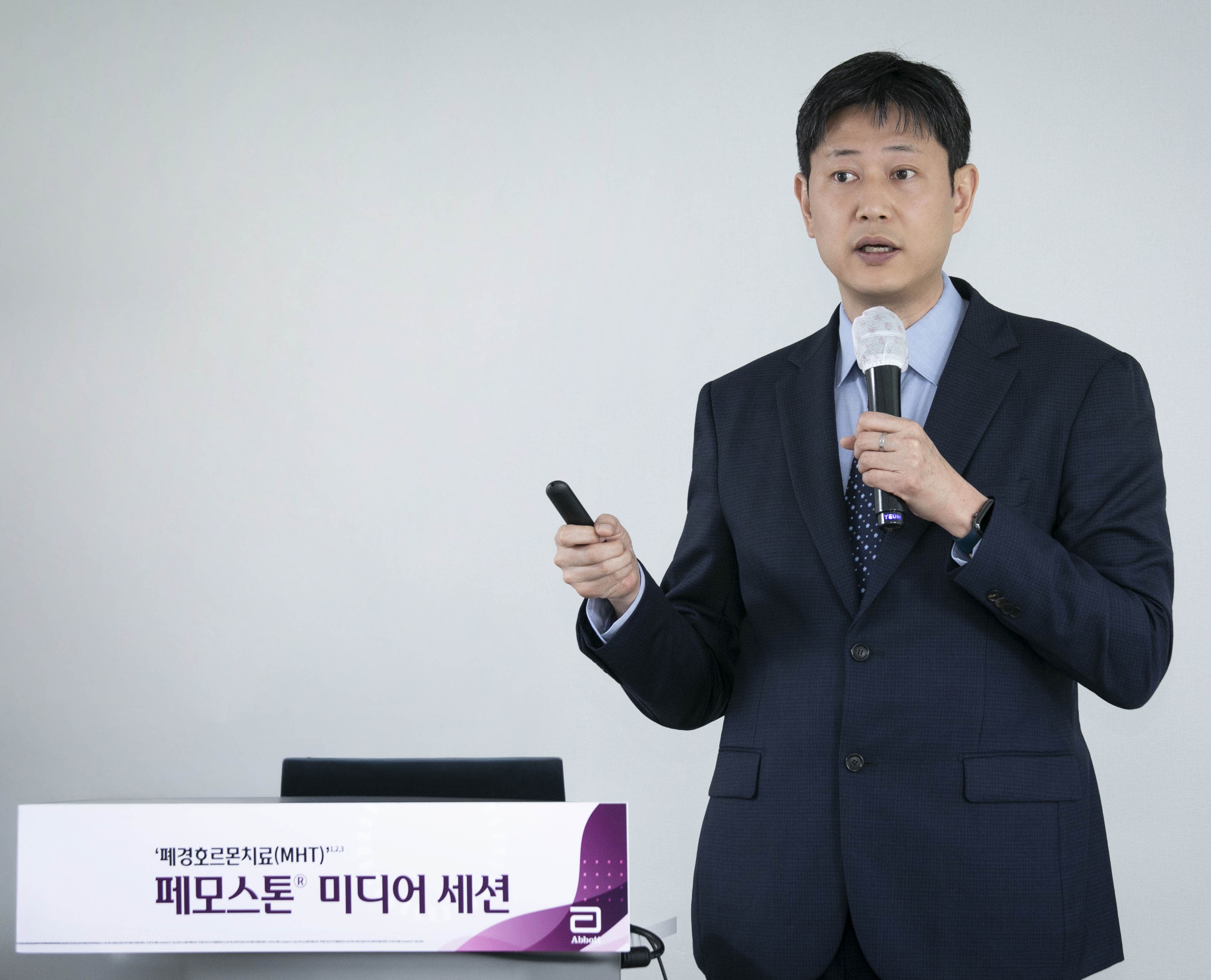
Seong-wook Chun, Professor of Obstetrics and Gynecology at Inje University Haeundae Paik Hospital, presented the latest MHT treatment paradigms and guidelines at Abbott Korea’s Femoston Media Session in Seoul on Sept. 18.
Chun said, “Most recent global and Korean guidelines emphasize when treatment is initiated but are moving away from imposing a uniform limit on treatment duration. Starting treatment for the first time after age 65 requires caution, but a patient who has been receiving treatment since age 50 does not necessarily have to stop simply because she has turned 65.”
He added, “This does not apply to all hormone therapies. The benefits and risks can vary depending on the type and formulation of hormones, dose, route of administration, timing of treatment initiation and the progestogen used in combination.”

Treating menopausal symptoms remains the primary goal…risks vary by timing
MHT is used to replace estrogen that declines with menopause and relieve vasomotor symptoms such as hot flashes and night sweats. It can also improve genitourinary symptoms associated with menopause and help prevent bone loss.
Because long-term estrogen monotherapy in women with a uterus can increase the risk of endometrial hyperplasia and endometrial cancer, a progestogen is generally administered together with estrogen.
Chun cited vasomotor symptoms, genitourinary syndrome of menopause (GSM), prevention and treatment of osteoporosis, and premature menopause as major indications for MHT. He explained that in clinical practice, however, the most common reason for treatment is to relieve menopausal symptoms severe enough to affect daily life.
Chun said, “Most women experience a range of symptoms after menopause, although their severity varies. The problem is that even when symptoms are severe enough to interfere with daily life, relatively few women actually consult a healthcare professional and receive treatment.”
Safety concerns surrounding MHT intensified following publication of the Women’s Health Initiative (WHI) study in 2002. The trial was stopped early after concerns emerged over coronary heart disease and breast cancer in the estrogen-plus-progestin group, leading to a sharp decline in MHT prescriptions worldwide.
However, as follow-up evidence accumulated, the so-called “timing hypothesis,” that the benefits and risks of treatment may differ depending on when therapy is initiated, gained traction.
Chun explained that atherosclerosis is often absent or still at an early stage shortly after menopause, whereas women who are many years beyond menopause are more likely to have established atherosclerosis.
Estrogen can have favorable cardiovascular effects, including lowering LDL cholesterol, but initiating hormone therapy after atherosclerotic plaques have already developed may produce different outcomes.
Chun said, “The average age of women enrolled in the WHI study was over 60, and many participants were already well past menopause. The concept is now well established that it is important to initiate treatment relatively early, such as within 10 years of menopause or before age 60.”
MHT is not, however, recommended specifically for the prevention of cardiovascular disease. The distinction is between initiating therapy at an appropriate time to treat menopausal symptoms and starting it for the first time many years after menopause.
Chun said, “The timing of treatment initiation matters. Starting MHT for the first time more than 10 years after menopause or after age 60 may increase risks, but patients who have continued treatment since shortly after menopause can maintain therapy based on their individual condition, including by lowering the dose or changing the formulation, rather than stopping solely because of age.”
The regulatory environment is also changing. The U.S. Food and Drug Administration (FDA) has moved to revise boxed warnings concerning cardiovascular disease, breast cancer, and dementia that have been applied to MHT products.
The previous approach of using “the lowest effective dose for the shortest duration” is also giving way to a more individualized strategy in which dose and treatment duration are adjusted based on symptoms, risk factors and treatment response.
MHT profiles differ by regimen…progestogen choice in focus
Differences among progestogens used with estrogen were another major focus of the session.
Femoston is a combination of estradiol and dydrogesterone. Sequential or continuous combined regimens can be selected depending on the stage of menopause and treatment needs, while multiple dose strengths allow treatment to be tailored to individual patients.
Chun stressed that progestogens should not be evaluated as a single, uniform drug class.
He said, “The risks of MHT can vary not only according to the type, dose, duration, route of administration and timing of treatment, but also according to which progestogen is used,” he said.
He noted that some observational studies have found relatively lower risks of breast cancer and venous thromboembolism with micronized progesterone or dydrogesterone, which are structurally closer to natural progesterone, compared with certain other synthetic progestogens.
The French E3N cohort study found differences in breast cancer risk depending on the progestogen combined with estrogen. Estrogen plus dydrogesterone was associated with a relatively lower risk than combinations involving some other synthetic progestogens.
Abbott Korea also presented findings from a study using a U.K primary care database. In the analysis, estradiol/dydrogesterone was not associated with an increase in cardiovascular events such as myocardial infarction, thrombotic stroke and venous thromboembolism compared with some other MHT regimens.
Also, a study using Korean real-world clinical data was presented, showing differences in cardiovascular outcomes according to the type of progestogen used.
However, most of these findings are based on observational studies rather than randomized controlled trials, meaning it cannot be concluded that a specific ingredient directly reduces the risk of breast cancer or cardiovascular disease.
Abbott Korea said, “The observational findings should not be interpreted as showing that dydrogesterone prevents disease, but rather as evidence that safety profiles may differ according to the characteristics of individual progestogens.”
Femoston is used to relieve menopausal symptoms and prevent bone loss. In sequential combined therapy, dydrogesterone is added after estradiol has been administered for a specified period, while continuous combined therapy involves taking both ingredients every day.
Abbott also presented clinical evidence related to the prevention of bone mineral density loss as well as vasomotor symptoms including hot flashes and night sweats. Both sequential and continuous regimens have been shown to suppress bone loss or improve bone mineral density in the lumbar spine and hip in postmenopausal women, the company said.
Chon said MHT is likely to evolve toward a more individualized approach rather than applying the same criteria to all postmenopausal women.
He said, “A patient’s symptoms, stage of menopause, health status and risk factors all need to be considered together. The question is moving beyond whether or not to use MHT to determining who should receive it, when it should be started, and which therapy and dose should be selected.”
-

- 0
댓글 운영방식은
댓글은 실명게재와 익명게재 방식이 있으며, 실명은 이름과 아이디가 노출됩니다. 익명은 필명으로 등록 가능하며, 대댓글은 익명으로 등록 가능합니다.
댓글 노출방식은
댓글 명예자문위원(팜-코니언-필기모양 아이콘)으로 위촉된 데일리팜 회원의 댓글은 ‘게시판형 보기’와 ’펼쳐보기형’ 리스트에서 항상 최상단에 노출됩니다. 새로운 댓글을 올리는 일반회원은 ‘게시판형’과 ‘펼쳐보기형’ 모두 팜코니언 회원이 쓴 댓글의 하단에 실시간 노출됩니다.
댓글의 삭제 기준은
다음의 경우 사전 통보없이 삭제하고 아이디 이용정지 또는 영구 가입제한이 될 수도 있습니다.
-
저작권·인격권 등 타인의 권리를 침해하는 경우
상용 프로그램의 등록과 게재, 배포를 안내하는 게시물
타인 또는 제3자의 저작권 및 기타 권리를 침해한 내용을 담은 게시물
-
근거 없는 비방·명예를 훼손하는 게시물
특정 이용자 및 개인에 대한 인신 공격적인 내용의 글 및 직접적인 욕설이 사용된 경우
특정 지역 및 종교간의 감정대립을 조장하는 내용
사실 확인이 안된 소문을 유포 시키는 경우
욕설과 비어, 속어를 담은 내용
정당법 및 공직선거법, 관계 법령에 저촉되는 경우(선관위 요청 시 즉시 삭제)
특정 지역이나 단체를 비하하는 경우
특정인의 명예를 훼손하여 해당인이 삭제를 요청하는 경우
특정인의 개인정보(주민등록번호, 전화, 상세주소 등)를 무단으로 게시하는 경우
타인의 ID 혹은 닉네임을 도용하는 경우
-
게시판 특성상 제한되는 내용
서비스 주제와 맞지 않는 내용의 글을 게재한 경우
동일 내용의 연속 게재 및 여러 기사에 중복 게재한 경우
부분적으로 변경하여 반복 게재하는 경우도 포함
제목과 관련 없는 내용의 게시물, 제목과 본문이 무관한 경우
돈벌기 및 직·간접 상업적 목적의 내용이 포함된 게시물
게시물 읽기 유도 등을 위해 내용과 무관한 제목을 사용한 경우
-
수사기관 등의 공식적인 요청이 있는 경우
-
기타사항
각 서비스의 필요성에 따라 미리 공지한 경우
기타 법률에 저촉되는 정보 게재를 목적으로 할 경우
기타 원만한 운영을 위해 운영자가 필요하다고 판단되는 내용
-
사실 관계 확인 후 삭제
저작권자로부터 허락받지 않은 내용을 무단 게재, 복제, 배포하는 경우
타인의 초상권을 침해하거나 개인정보를 유출하는 경우
당사에 제공한 이용자의 정보가 허위인 경우 (타인의 ID, 비밀번호 도용 등)
※이상의 내용중 일부 사항에 적용될 경우 이용약관 및 관련 법률에 의해 제재를 받으실 수도 있으며, 민·형사상 처벌을 받을 수도 있습니다.
※위에 명시되지 않은 내용이더라도 불법적인 내용으로 판단되거나 데일리팜 서비스에 바람직하지 않다고 판단되는 경우는 선 조치 이후 본 관리 기준을 수정 공시하겠습니다.
※기타 문의 사항은 데일리팜 운영자에게 연락주십시오. 메일 주소는 dailypharm@dailypharm.com입니다.