- LOGIN
- MemberShip
- 2026-09-16 20:37:21
- Korea’s pharma industry: 20 years of rebate competition
- by Lee, Jeong-Hwan | translator | 2025-12-10 08:49:02
An argument has been raised that even if generic drug prices are cut, fostering generic drug companies capable of achieving economies of scale in selected therapeutic areas will increase the likelihood of the domestic pharmaceutical industry's global expansion.
The logic is that unless the industry structure, in which many pharmaceutical companies produce and sell a little bit of every ingredient's generic version in a multi-product, small-volume production model, is reformed, the repetitive, destructive rebate competition among pharmaceutical companies will inevitably continue.
There was also a suggestion that government policy must follow to prevent generic drug price reductions from leading to supply instability for certain generics.
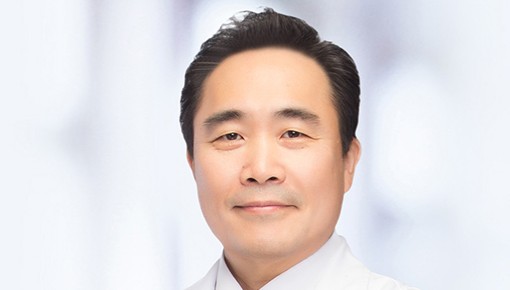
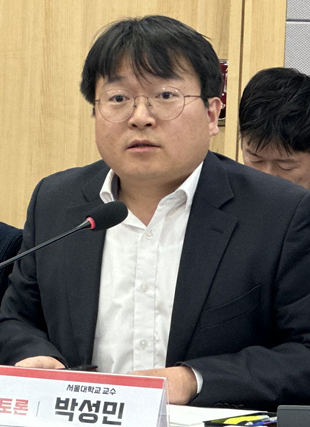
On the 5th, Professor Sung-min Park of Seoul National University's Graduate School of Public Health expressed concern at a National Assembly forum on drug pricing policy reform, stating, “Korea’s generic price competition has been distorted for decades and has instead manifested as rebate competition.”
Professor Park's view is that the problem, where a higher market share is gained by higher generic prices, resulting in low drug expenditure savings from generic use, has persisted for 20 years. Consequently, the means of generic competition continues to be rebates to prescribing physicians rather than price reductions.
Professor Park pointed out, “As sanctions against illegal rebates intensified, the practice became more covert to evade detection. While the margin rate for general wholesalers is 6%, CSO commission rates range from 40% to 50%, and can even reach 100%. The structure requires sales practices that benefit prescribers to secure generic prescriptions.”
He stressed, “Korean generic companies have no real competitive tools besides rebates, being forced into rebate wars. Rebate competitiveness is far easier to achieve than price or quality competitiveness. This leads to an increase in small and micro pharmaceutical companies.”
Professor Park proposed that the government should focus on creating a generic industry structure where economies of scale operate as a solution to these problems.
Professor Park's solution is to transform the domestic generic industry, currently characterized by domestic-focused, multi-item, small-volume production, into an export-driven industry producing consumer goods like cosmetics and automobiles.
Professor Park explained, “In the sheltered environment without genuine price competition, Korea's generic industry has many companies producing a little of this and that for the domestic market. Generic companies may be highly competitive in terms of rebates because they work hard to win sales. However, rebate competition that drives domestic prescription is meaningless in the global market.”
Professor Park elaborated, “Even if we build competitiveness by supporting companies through methods like paying 40-50% commissions to CSOs, giving special margins to wholesalers who pay upfront, donating to hospital-related foundations, or setting up booths and paying fees at medical conferences, exporting domestic generics overseas remains a distant prospect. For the generic industry to become an export industry, it must achieve economies of scale that allow for price and quality competitiveness.”
He noted, "We should refer to Japan's Ministry of Health, Labour and Welfare's generic pharmaceutical industry policy. MHLW categorizes generic companies into two types: general trading company-type firms with high market share, numerous product lines, and overall improved productivity; and specialized domain-focused companies leading specific areas and concentrating on products where they have strengths to secure productivity. Japan concluded that limiting competition to about 5 companies per active ingredient is optimal for a stable supply.
Professor Park added, “While lowering generic drug prices, we must foster generic companies to achieve economies of scale across numerous items or in specific areas of strength, enabling global expansion. We must also be cautious that generic drug price reductions do not lead to supply instability for certain generics. We must not repeat the major disruption caused by the acetaminophen shortage during COVID-19.”
-

- 0
댓글 운영방식은
댓글은 실명게재와 익명게재 방식이 있으며, 실명은 이름과 아이디가 노출됩니다. 익명은 필명으로 등록 가능하며, 대댓글은 익명으로 등록 가능합니다.
댓글 노출방식은
댓글 명예자문위원(팜-코니언-필기모양 아이콘)으로 위촉된 데일리팜 회원의 댓글은 ‘게시판형 보기’와 ’펼쳐보기형’ 리스트에서 항상 최상단에 노출됩니다. 새로운 댓글을 올리는 일반회원은 ‘게시판형’과 ‘펼쳐보기형’ 모두 팜코니언 회원이 쓴 댓글의 하단에 실시간 노출됩니다.
댓글의 삭제 기준은
다음의 경우 사전 통보없이 삭제하고 아이디 이용정지 또는 영구 가입제한이 될 수도 있습니다.
-
저작권·인격권 등 타인의 권리를 침해하는 경우
상용 프로그램의 등록과 게재, 배포를 안내하는 게시물
타인 또는 제3자의 저작권 및 기타 권리를 침해한 내용을 담은 게시물
-
근거 없는 비방·명예를 훼손하는 게시물
특정 이용자 및 개인에 대한 인신 공격적인 내용의 글 및 직접적인 욕설이 사용된 경우
특정 지역 및 종교간의 감정대립을 조장하는 내용
사실 확인이 안된 소문을 유포 시키는 경우
욕설과 비어, 속어를 담은 내용
정당법 및 공직선거법, 관계 법령에 저촉되는 경우(선관위 요청 시 즉시 삭제)
특정 지역이나 단체를 비하하는 경우
특정인의 명예를 훼손하여 해당인이 삭제를 요청하는 경우
특정인의 개인정보(주민등록번호, 전화, 상세주소 등)를 무단으로 게시하는 경우
타인의 ID 혹은 닉네임을 도용하는 경우
-
게시판 특성상 제한되는 내용
서비스 주제와 맞지 않는 내용의 글을 게재한 경우
동일 내용의 연속 게재 및 여러 기사에 중복 게재한 경우
부분적으로 변경하여 반복 게재하는 경우도 포함
제목과 관련 없는 내용의 게시물, 제목과 본문이 무관한 경우
돈벌기 및 직·간접 상업적 목적의 내용이 포함된 게시물
게시물 읽기 유도 등을 위해 내용과 무관한 제목을 사용한 경우
-
수사기관 등의 공식적인 요청이 있는 경우
-
기타사항
각 서비스의 필요성에 따라 미리 공지한 경우
기타 법률에 저촉되는 정보 게재를 목적으로 할 경우
기타 원만한 운영을 위해 운영자가 필요하다고 판단되는 내용
-
사실 관계 확인 후 삭제
저작권자로부터 허락받지 않은 내용을 무단 게재, 복제, 배포하는 경우
타인의 초상권을 침해하거나 개인정보를 유출하는 경우
당사에 제공한 이용자의 정보가 허위인 경우 (타인의 ID, 비밀번호 도용 등)
※이상의 내용중 일부 사항에 적용될 경우 이용약관 및 관련 법률에 의해 제재를 받으실 수도 있으며, 민·형사상 처벌을 받을 수도 있습니다.
※위에 명시되지 않은 내용이더라도 불법적인 내용으로 판단되거나 데일리팜 서비스에 바람직하지 않다고 판단되는 경우는 선 조치 이후 본 관리 기준을 수정 공시하겠습니다.
※기타 문의 사항은 데일리팜 운영자에게 연락주십시오. 메일 주소는 dailypharm@dailypharm.com입니다.