- LOGIN
- MemberShip
- 2026-09-13 22:46:08
- "Psoriasis, stage-specific strategy emerges…Sotyktu"
- by Son, Hyung Min | translator Hong, Ji Yeon | 2026-02-13 08:28:58
The treatment paradigm for psoriasis is rapidly shifting. While the past was characterized by a structure transitioning from systemic therapies for severe patients to biologics, the recent emergence of oral therapies is segmentizing treatment strategies.
In particular, with the introduction of BMS's selective TYK2 inhibitor 'Sotyktu (deucravacitinib),' discussions regarding intermediate-stage treatments that can be utilized before biologic, are in full-scale.

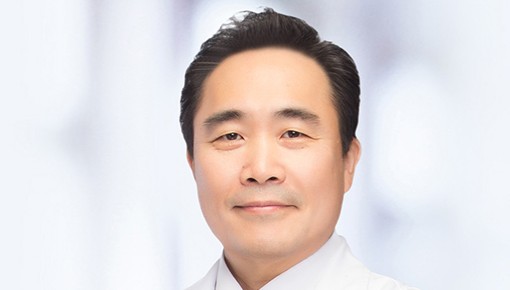
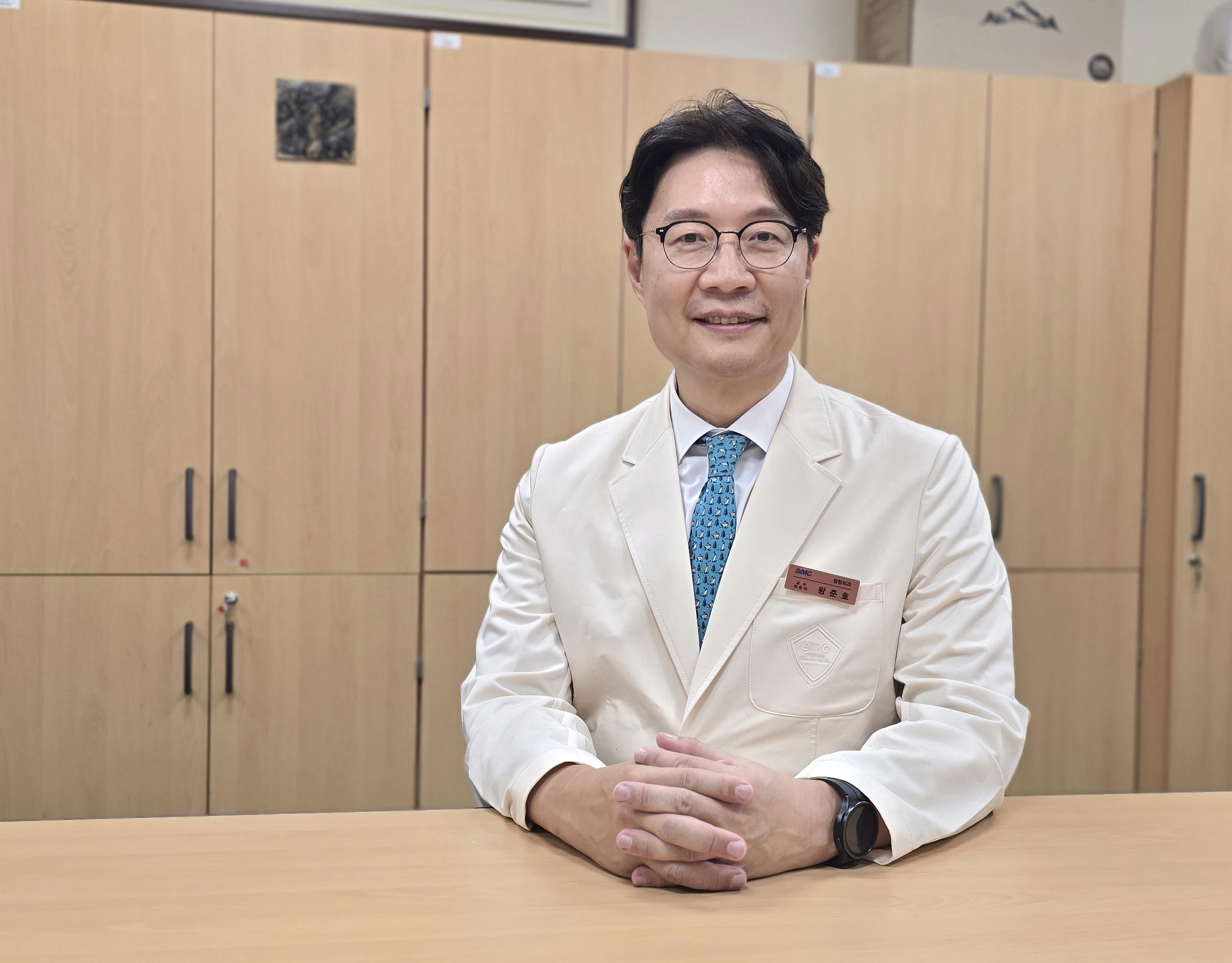
DailyPharm met with Professor Dong Hyun Kim of the Department of Dermatology at Cha University Bundang Medical Center (CBMC) to discuss changes in the psoriasis treatment landscape and remaining challenges for improvement.
Psoriasis is a chronic inflammatory skin disease caused by immunological abnormalities. It is characterized by silvery-white scales (dead skin cells) accumulating over red rashes. As symptoms worsen, lesions merge extensively into plaque psoriasis, which accounts for 80–90% of all psoriasis patients.
While the domestic prevalence is estimated at approximately 3% (about 1.5 million patients), fewer than 15% actually visit medical institutions. Despite the heavy mental and social burden, as lesions often appear on exposed body parts, a significant treatment gap persists.
Psoriasis is more than just a skin condition. It is highly associated with metabolic diseases such as psoriatic arthritis, hypertension, diabetes, and dyslipidemia. Reports suggest that the risk of systemic disease in psoriasis patients is 1.5 to 2.5 times higher than in the general population. This is why long-term, systematic management is needed.
Recently, with the introduction of various advanced therapies, including biologics and small-molecule drugs, treatment goals are steadily rising.
Sotyktu, the first selective TYK2 inhibitor to emerge in this space, is known for its mechanism of selectively targeting and inhibiting TYK2 signaling, a key inflammatory pathway in psoriasis development. By doing so, it suppresses the release of pro-inflammatory cytokines and chemokines. Notably, as an oral option, Sotyktu may be highly utilized for patients who are averse to injectable treatments.
Professor Kim explained, "The recent changes in the treatment landscape are significant not just because of the increase in new drugs, but because we can now design customized strategies for individual patients."
Q. How has the psoriasis treatment landscape changed compared to the past?
In the past, methotrexate or cyclosporine were the center of first-line systemic therapy. However, it was difficult to maintain sufficient dosages due to concerns over long-term side effects such as hepatotoxicity. As a result, there was a strong tendency to treat moderate patients primarily with topical agents.
Recently, the arrival of biologics and small-molecule treatments, such as TYK2 inhibitors, has made long-term treatment feasible. While the past goal for Sotyktu might have been PASI 75 (75% improvement in psoriasis severity), we are now in an era where we expect PASI 90 or even 100. More patients are reaching a state where lesions are almost non-existent.
Q. What are the mechanistic advantages of the oral agent Sotyktu?
In psoriasis, pathological Th17 cells that overproduce interleukin (IL)-17 play a central role. IL-23 is the cytokine that continuously activates these Th17 cells, and TYK2 plays a critical role in transmitting this signal into the cell. Sotyktu is a treatment designed to block the root of the pathological inflammatory response by selectively inhibiting this TYK2 signaling.
Globally, before Sotyktu’s launch, the apremilast was an advanced oral option. In Korea, only generics were used instead of the original drug, and because their efficacy was not superior compared to other options, they were not widely used in clinical practice. Sotyktu has been shown in clinical trials to be more effective than apremilast.
Q. Given that psoriasis requires long-term management, what are the advantages of oral agents in chronic care?
In practice, assuming the treatment method and efficacy are equal, patients may prefer treatments with longer administration intervals that require fewer hospital visits. However, there are clear differences between oral and injectable medications. The biggest advantage of oral drugs is high medication convenience. Nevertheless, to maintain therapeutic effects, it is crucial to take them consistently without interruption.
In clinical settings, preferences vary by age group. Younger patients who are socioeconomically active due to employment, interpersonal relationships may find daily dosing burdensome or desire rapid results. Conversely, older patients tend to maintain medication adherence more consistently and choose options with a lower financial burden.
Q. What factors do you comprehensively consider when selecting a treatment?
In practice, we select treatments based not only on the severity of psoriasis but also on the patient's lifestyle and expectations. Domestic consensus generally evaluates IL-17 inhibitors and IL-23 inhibitors as having overall equivalent efficacy, with differences primarily in the speed of action. These features, dosing cycles, and patient preferences affect the choice.
The health insurance in Korea is also a major variable. Biologics are generally expensive and mostly prescribed to patients covered under the "Special Calculation System". However, fewer than 10% of Korean psoriasis patients qualify for this system. Given that clinicians often struggle to apply this status, even in moderate-to-severe cases, oral agents like Sotyktu are a rational choice given patients' out-of-pocket costs.
Sotyktu, taken as one pill a day, is characterized by its safety for long-term use. With patient co-pays at approximately KRW 200,000 to 250,000 per month and eligibility for private indemnity insurance, I believe it is an appropriate option for patients who require long-term treatment but do not yet meet the criteria for the Special Calculation System.
Q. Which patient groups are considered for Sotyktu prescriptions as a primary treatment?
The most important characteristic of the patient group for whom I prioritize Sotyktu is a resistance to injectable therapy. Previously, clinicians typically thought of biologics as the immediate next step after first-line systemic therapy failed. Now, I believe an "intermediate" treatment option has emerged between those steps.
Sotyktu can be a suitable choice for patients who have failed systemic therapy but find the prospect of moving directly to biologics burdensome.
While the concept of "intermediate-stage therapy" is not yet clearly defined, if a patient does not necessarily require biologics, an approach that first passes through this stage, reserving biologics for those with an insufficient response, can also be rational from a pricing perspective. Additionally, there is a tendency to prefer Sotyktu for scalp treatment.
Since some patients do reach PASI 90, identifying the right patient is key. It is an option worth considering for those with severe symptoms in localized areas, such as the scalp, or for patients whose Body Surface Area (BSA) does not exceed 10% but who have severe local lesions.
Q. How do you evaluate the data and efficacy of Sotyktu in Asian patients?
Currently, Real-World Data (RWD) for Sotyktu is gradually accumulating across various hospitals and medical institutions in Korea. In cases where patients who participated in previous clinical trials had to stop treatment for a period due to insurance issues and later resumed with Sotyktu, those who previously responded well tended to maintain efficacy upon re-administration.
While Asian patients may have different clinical characteristics compared to Western populations, they generally have lower body weights and often diligently combine oral treatment with topicals. Considering this, as more RWD is collected, we may observe clinical efficacy even better than that seen in clinical trials.
I have a patient who was referred to our hospital and participated in a clinical trial to take Sotyktu. The patient had very severe symptoms at the time but has now continued treatment for nearly six years, with the effect remaining stably maintained.
Q. Late-comer treatments are expanding indications beyond psoriasis and psoriatic arthritis. Do you expect the utility of TYK2 inhibitors to grow as their indications expand?
Because TYK2 inhibitors are involved in multiple inflammatory signaling pathways, not just IL-23 but also interferons (IFN), I understand that clinical trials are currently underway to expand their indications.
If indications are expanded, the scope of utility could include various inflammatory diseases, including autoimmune conditions such as lupus. From a dermatological perspective, I expect it will be most widely used for psoriasis and psoriatic arthritis for the time being. Beyond that, there is ample potential for its application to expand into inflammatory bowel disease (IBD) or various rheumatic diseases.
Q. What aspects of the psoriasis treatment environment need improvement?
As of now, many patients are not sufficiently aware of Sotyktu. Unlike in other countries, drug advertising is prohibited in Korea, so clinicians must directly explain the drugs to patients. Despite psoriasis being a disease with clear treatment effects, many patients discontinue treatment or repeat ineffective treatments due to vague fears about side effects.
Another realistic issue is the insurance authorization process. To maintain Special Calculation status, PASI and BSA must be evaluated every six months, which involves tedious, time-consuming procedures such as charting and photography. Since there is no separate medical fee for this process, primary care physicians are sometimes hesitant to use it.
Even though these treatments can be prescribed without specialized equipment, institutional conditions limit drug utility in the field. Consequently, since the psoriasis Special Calculation System began in 2017, there has been cases where patients crowding into university hospitals. In the future, I believe the government should establish fees for PASI/BSA evaluations and patient education so that primary care and regional medical institutions can manage psoriasis patients more systematically.
-

- 0
댓글 운영방식은
댓글은 실명게재와 익명게재 방식이 있으며, 실명은 이름과 아이디가 노출됩니다. 익명은 필명으로 등록 가능하며, 대댓글은 익명으로 등록 가능합니다.
댓글 노출방식은
댓글 명예자문위원(팜-코니언-필기모양 아이콘)으로 위촉된 데일리팜 회원의 댓글은 ‘게시판형 보기’와 ’펼쳐보기형’ 리스트에서 항상 최상단에 노출됩니다. 새로운 댓글을 올리는 일반회원은 ‘게시판형’과 ‘펼쳐보기형’ 모두 팜코니언 회원이 쓴 댓글의 하단에 실시간 노출됩니다.
댓글의 삭제 기준은
다음의 경우 사전 통보없이 삭제하고 아이디 이용정지 또는 영구 가입제한이 될 수도 있습니다.
-
저작권·인격권 등 타인의 권리를 침해하는 경우
상용 프로그램의 등록과 게재, 배포를 안내하는 게시물
타인 또는 제3자의 저작권 및 기타 권리를 침해한 내용을 담은 게시물
-
근거 없는 비방·명예를 훼손하는 게시물
특정 이용자 및 개인에 대한 인신 공격적인 내용의 글 및 직접적인 욕설이 사용된 경우
특정 지역 및 종교간의 감정대립을 조장하는 내용
사실 확인이 안된 소문을 유포 시키는 경우
욕설과 비어, 속어를 담은 내용
정당법 및 공직선거법, 관계 법령에 저촉되는 경우(선관위 요청 시 즉시 삭제)
특정 지역이나 단체를 비하하는 경우
특정인의 명예를 훼손하여 해당인이 삭제를 요청하는 경우
특정인의 개인정보(주민등록번호, 전화, 상세주소 등)를 무단으로 게시하는 경우
타인의 ID 혹은 닉네임을 도용하는 경우
-
게시판 특성상 제한되는 내용
서비스 주제와 맞지 않는 내용의 글을 게재한 경우
동일 내용의 연속 게재 및 여러 기사에 중복 게재한 경우
부분적으로 변경하여 반복 게재하는 경우도 포함
제목과 관련 없는 내용의 게시물, 제목과 본문이 무관한 경우
돈벌기 및 직·간접 상업적 목적의 내용이 포함된 게시물
게시물 읽기 유도 등을 위해 내용과 무관한 제목을 사용한 경우
-
수사기관 등의 공식적인 요청이 있는 경우
-
기타사항
각 서비스의 필요성에 따라 미리 공지한 경우
기타 법률에 저촉되는 정보 게재를 목적으로 할 경우
기타 원만한 운영을 위해 운영자가 필요하다고 판단되는 내용
-
사실 관계 확인 후 삭제
저작권자로부터 허락받지 않은 내용을 무단 게재, 복제, 배포하는 경우
타인의 초상권을 침해하거나 개인정보를 유출하는 경우
당사에 제공한 이용자의 정보가 허위인 경우 (타인의 ID, 비밀번호 도용 등)
※이상의 내용중 일부 사항에 적용될 경우 이용약관 및 관련 법률에 의해 제재를 받으실 수도 있으며, 민·형사상 처벌을 받을 수도 있습니다.
※위에 명시되지 않은 내용이더라도 불법적인 내용으로 판단되거나 데일리팜 서비스에 바람직하지 않다고 판단되는 경우는 선 조치 이후 본 관리 기준을 수정 공시하겠습니다.
※기타 문의 사항은 데일리팜 운영자에게 연락주십시오. 메일 주소는 dailypharm@dailypharm.com입니다.