- LOGIN
- MemberShip
- 2026-08-03 18:02:13
- 'True innovation requires guaranteed access to new drugs'
- by Son, Hyung Min | translator Alice Kang | 2025-11-18 06:09:04

The survey, commissioned by global pharmaceutical company BeOne Medicines and conducted by research firm Embrain from August to October 2025, aimed to objectively understand public perceptions of new drug accessibility and the need for improvement.
A total of 1,000 Korean adults aged 20 and older participated, including more than 200 cancer or severe-disease patients and caregivers.
Among respondents, 69.5% believed they or a family member could face cancer or a severe disease, and a similar proportion, 69.7%, replied that “accessing new drugs would be difficult.” The biggest barriers were financial burden (54.2%) and lack of information (52.2%).
Older respondents perceived the lack of information about new drugs as a greater problem.
Among respondents who had personally experienced or had a family member with cancer or a serious illness, 47% considered treatment with new drugs, but 74% of those reported difficulties accessing such treatments.
84% of respondents stated that ensuring accessibility after new drug development is essential for innovation, and 82.7% agreed that if a drug is inaccessible due to cost, it cannot be considered innovative.
This indicates that the majority of Koreans perceive pharmaceutical innovation not merely as scientific progress but also as encompassing broader social value.
The government (89%) was identified as the most important entity for improving new drug accessibility, followed by healthcare professionals (83.5%) and pharmaceutical companies (64.2%).
70.8% of respondents felt that the role of certain stakeholders was being over-emphasized in the current system, while 87.2% agreed that collaboration among all stakeholders is necessary.
Regarding the roles expected of each entity to improve new drug accessibility, the most common response (receiving positive responses from over 80% of respondents) was that the government should secure flexibility in new drug price evaluations and relax/expand reimbursement criteria to broaden coverage.
Healthcare professionals needed to provide patients with information on new drugs and disease education, and to assist in selecting optimal treatments through sufficient communication with patients.
Pharmaceutical companies needed to contribute to improved accessibility by expanding clinical trials and engaging in reasonable price negotiations.
Patient groups needed to lead efforts to improve awareness through sharing patient experiences and advocating for healthcare policy improvements.
In-depth interviews conducted to gain deeper insights from the quantitative survey results and derive practical improvement measures revealed that experts from various sectors, government, pharmaceutical industry, patient groups, and media, unanimously agreed that for the innovation of new drugs to truly reach patients, cooperation across systems, industry, and society as a whole must function together.
The most urgent issue identified was structural reform of the pricing and reimbursement system.
Experts noted that the system remains largely unchanged from 20 years ago and pointed to shortages of trained reviewers and delayed assessment timelines as major bottlenecks.
There was broad consensus on the need for a shift toward a reimbursement structure prioritizing severe diseases, improved predictability in pricing evaluation procedures, and greater flexibility to accommodate patient-specific circumstances.
Additionally, establishing a sustainable ecosystem for new drug supply was presented as a key task.
Emphasis was placed on transparency of data during drug price negotiations, reasonable price negotiations, and responsible efforts by the pharmaceutical industry to prevent market withdrawal due to pricing issues.
Lastly, patient-centered decision-making and strengthened public dialogue were deemed necessary.
Experts pointed out that the rigid reimbursement criteria limit treatment choices for individual patients, proposing institutional mechanisms to bridge the gap between medical professionals' judgments and patient expectations.
They also emphasized the importance of the media and civil society's role in consistently highlighting treatment access issues and fostering public discourse.
Ji-yeon Lee, Team Leader of the Business Division at Embrain Research, who oversaw this survey, stated, “This survey confirmed that the public recognizes the innovation of new drugs not just as technological achievements, but as social value that actual patients can tangibly experience.
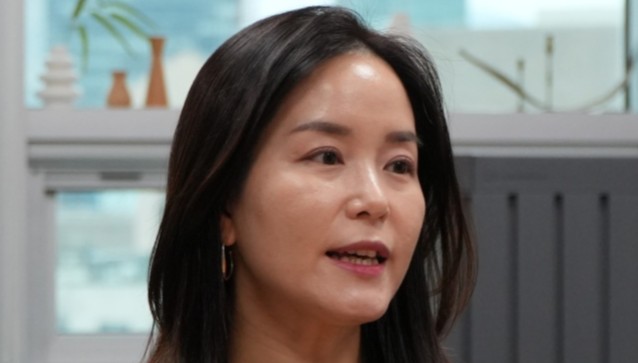
It is time to ‘redefine innovation’ to include not only efficacy but also accessibility, and this public perception needs to be actively reflected in future policy and system improvement discussions.” Jihye Yang, CEO of BeOne Medicine Korea, remarked, “This survey confirms the public's recognition that innovation must be proven in patients' lives, not just in laboratories.
The background enabling BeOne Medicine Korea to drive the rapid reimbursement introduction of Brukins and Tevimbra was internalizing clinical development and streamlining operational models.
Innovation can reach patients when all stakeholders—the government, healthcare professionals, and patient groups—act and cooperate."
-

- 1
댓글 운영방식은
댓글은 실명게재와 익명게재 방식이 있으며, 실명은 이름과 아이디가 노출됩니다. 익명은 필명으로 등록 가능하며, 대댓글은 익명으로 등록 가능합니다.
댓글 노출방식은
댓글 명예자문위원(팜-코니언-필기모양 아이콘)으로 위촉된 데일리팜 회원의 댓글은 ‘게시판형 보기’와 ’펼쳐보기형’ 리스트에서 항상 최상단에 노출됩니다. 새로운 댓글을 올리는 일반회원은 ‘게시판형’과 ‘펼쳐보기형’ 모두 팜코니언 회원이 쓴 댓글의 하단에 실시간 노출됩니다.
댓글의 삭제 기준은
다음의 경우 사전 통보없이 삭제하고 아이디 이용정지 또는 영구 가입제한이 될 수도 있습니다.
-
저작권·인격권 등 타인의 권리를 침해하는 경우
상용 프로그램의 등록과 게재, 배포를 안내하는 게시물
타인 또는 제3자의 저작권 및 기타 권리를 침해한 내용을 담은 게시물
-
근거 없는 비방·명예를 훼손하는 게시물
특정 이용자 및 개인에 대한 인신 공격적인 내용의 글 및 직접적인 욕설이 사용된 경우
특정 지역 및 종교간의 감정대립을 조장하는 내용
사실 확인이 안된 소문을 유포 시키는 경우
욕설과 비어, 속어를 담은 내용
정당법 및 공직선거법, 관계 법령에 저촉되는 경우(선관위 요청 시 즉시 삭제)
특정 지역이나 단체를 비하하는 경우
특정인의 명예를 훼손하여 해당인이 삭제를 요청하는 경우
특정인의 개인정보(주민등록번호, 전화, 상세주소 등)를 무단으로 게시하는 경우
타인의 ID 혹은 닉네임을 도용하는 경우
-
게시판 특성상 제한되는 내용
서비스 주제와 맞지 않는 내용의 글을 게재한 경우
동일 내용의 연속 게재 및 여러 기사에 중복 게재한 경우
부분적으로 변경하여 반복 게재하는 경우도 포함
제목과 관련 없는 내용의 게시물, 제목과 본문이 무관한 경우
돈벌기 및 직·간접 상업적 목적의 내용이 포함된 게시물
게시물 읽기 유도 등을 위해 내용과 무관한 제목을 사용한 경우
-
수사기관 등의 공식적인 요청이 있는 경우
-
기타사항
각 서비스의 필요성에 따라 미리 공지한 경우
기타 법률에 저촉되는 정보 게재를 목적으로 할 경우
기타 원만한 운영을 위해 운영자가 필요하다고 판단되는 내용
-
사실 관계 확인 후 삭제
저작권자로부터 허락받지 않은 내용을 무단 게재, 복제, 배포하는 경우
타인의 초상권을 침해하거나 개인정보를 유출하는 경우
당사에 제공한 이용자의 정보가 허위인 경우 (타인의 ID, 비밀번호 도용 등)
※이상의 내용중 일부 사항에 적용될 경우 이용약관 및 관련 법률에 의해 제재를 받으실 수도 있으며, 민·형사상 처벌을 받을 수도 있습니다.
※위에 명시되지 않은 내용이더라도 불법적인 내용으로 판단되거나 데일리팜 서비스에 바람직하지 않다고 판단되는 경우는 선 조치 이후 본 관리 기준을 수정 공시하겠습니다.
※기타 문의 사항은 데일리팜 운영자에게 연락주십시오. 메일 주소는 dailypharm@dailypharm.com입니다.
- “Drug pricing intervention contributes to the crisis in essential healthcare and shortage of drugs”
- Reporter's view | Lee, Jeong-Hwan