- LOGIN
- MemberShip
- 2026-08-03 17:52:01
- "Gilead-Kite will lead the trt landscape for DLBCL in KOR"
- by Hwang, byoung woo | translator Hong, Ji Yeon | 2025-09-10 06:12:37
With the approval of the CAR-T cell therapy Yescarta (axicabtagene ciloleucel) in Korea, a shift in the treatment landscape for Diffuse Large B-cell Lymphoma (DLBCL) is anticipated.
Analysis suggests that an innovative therapeutic option that has demonstrated higher cure rates and improved survival compared to existing second-line treatments is expected to provide a new option for patients in Korea.
Gilead Sciences and Kite Pharma plan to use Yescarta's Korean approval to strengthen their cooperation with Korea's health authorities and medical institutions, focusing on addressing the unmet needs of DLBCL patients.
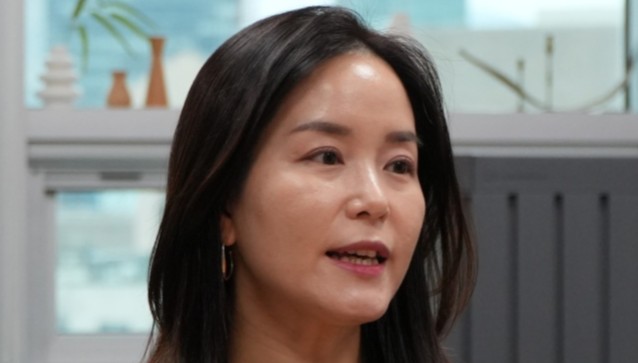
DailyPharm met with Diego Santoro, Head of the International Region for Kite Pharma (a Gilead Sciences company), to hear about the company's specific plans.
Diego Santoro is an expert who has led the commercialization and expansion of access for CAR-T cell therapies in key countries such as Japan, Korea, and Brazil, with over 25 years of leadership experience at global pharmaceutical companies.
Yescarta's Milestone in DLBCL Treatment..."Became a Key Treatment Option" Diffuse Large B-cell Lymphoma (DLBCL) is a very rapidly progressing disease, with approximately 40% of patients who receive first-line treatment experiencing a relapse.
Previously, the average survival period after second-line treatment was only about 6 months, but with the introduction of CAR-T therapies, survival rates have significantly improved.

Yescarta is currently approved in over 40 countries, and its reimbursement has been secured in numerous countries based on its therapeutic efficacy and financial feasibility, expanding patient access.
From this perspective, Yescarta is also expected to become an important therapeutic option that addresses unmet needs in Korea.
Diego Santoro explained, "Korean medical professionals were well-informed about Yescarta's clinical data even before its approval, and the demand for its introduction was high." He added, "The biggest differentiation factor is that it allows patients to start treatment at an earlier stage, which improves prognosis and increases the possibility of a cure.
The trend in clinical practice is already shifting, with patients who were previously considered for third-line therapy now being treated at the second-line stage." In other words, by administering CAR-T earlier at the second-line treatment stage, rather than waiting until the third-line as in the past, it is possible to suppress the cancer early and aim for a cure.
For Yescarta, which has already proven its efficacy in the global market, to secure influence in Korea, three major challenges exist: access, supply, and competing treatments.
Among these, entry into the national health insurance system will be the biggest hurdle for expanding access.
Regarding this, Santoro said, "Yescarta's reimbursement application was submitted at the end of August, immediately following its domestic approval in Korea.
We are currently expediting the submission of all relevant documents and are ready to enter into full-scale discussions with the government," and added, "Gilead and Kite Pharam will focus on improving patient access by collaborating closely with the government, as well as with Korean medical professionals and patient organizations." And added, "We are fully aware of the concerns regarding the drug's price and institutional challenges.
During the negotiation process, we plan to present a compelling case about Yescarta's differentiated clinical value as a second-line therapy and how earlier treatment improves patient outcomes and the possibility of a full recovery." "Quickly applying for reimbursement...patient access is the main priority" Another task is the supply issue.
Currently, both the reimbursed CAR-T therapy Kymriah and Yescarta require harvesting the patient's cells in Korea, sending them to the U.S.
for manufacturing, and then bringing the finished product back to Korea.
There is a concern that this process can delay treatment, which is critical for CAR-T patients, and potentially worsen their prognosis.
Regarding this, Santoro said, "The speed of supply is the priority for treatment outcomes with CAR-T therapies, so we prioritize it above all else." He added, "Based on the experience accumulated from treating over 31,000 patients worldwide, Gilead and Kite Pharma have achieved a CAR-T therapy manufacturing success rate of over 96%, which is the highest in the industry, and a vein-to-vein (V2V) time that is among the fastest globally." V2V refers to the time from a patient's leukocyte collection to the infusion of the therapy.
The company maintains a supply time of less than 30 days in Asia and plans to guarantee the same volume for Korea.
He said, "We ensure that the collected cells are not frozen and arrive at the manufacturing site within 72 hours.
In the actual supply process, we always secure more than two backup flights to prevent any disruption to patient treatment." He stated, "We know that a difference of even 1-3 days can have a significant impact on a patient's treatment outcome, so our goal is to provide the therapy as quickly as possible." Regarding competition with new options like recently emerged bispecific antibodies, Santoro emphasized, "In most countries, bispecific antibodies are approved as third-line therapies after CAR-T, and the guidelines from major academic societies and institutions also recommend the use of CAR-T therapies in early stages." Aim to Become a Hub for CAR-T Therapy in Asia Santoro views that Yescarta's approval in Korea represents not just a commercial entry but also a significant medical and scientific milestone.
He said, "Korea is a competitive country with excellent medical infrastructure and highly skilled medical professionals.
The swift approval of Yescarta is expected to bring a positive change to the patient treatment environment, alongside existing anti-cancer drugs." Kite Pharma has a strong history of collaboration with Korea's medical institutions and health authorities, as it highly values Korea's capabilities.
Based on this foundation, Kite Pharma has presented a blueprint to develop Korea into a hub for CAR-T therapy in Asia by investing in training medical professionals and strengthening hospital capabilities.
Finally, Santoro stated, "The approval of Yescarta as a second-line therapy in Korea is an important starting point that will significantly change the patient treatment environment." He added, "Based on our global experience, we will provide trustworthy and innovative treatment options to Korean patients."
-

- 0
댓글 운영방식은
댓글은 실명게재와 익명게재 방식이 있으며, 실명은 이름과 아이디가 노출됩니다. 익명은 필명으로 등록 가능하며, 대댓글은 익명으로 등록 가능합니다.
댓글 노출방식은
댓글 명예자문위원(팜-코니언-필기모양 아이콘)으로 위촉된 데일리팜 회원의 댓글은 ‘게시판형 보기’와 ’펼쳐보기형’ 리스트에서 항상 최상단에 노출됩니다. 새로운 댓글을 올리는 일반회원은 ‘게시판형’과 ‘펼쳐보기형’ 모두 팜코니언 회원이 쓴 댓글의 하단에 실시간 노출됩니다.
댓글의 삭제 기준은
다음의 경우 사전 통보없이 삭제하고 아이디 이용정지 또는 영구 가입제한이 될 수도 있습니다.
-
저작권·인격권 등 타인의 권리를 침해하는 경우
상용 프로그램의 등록과 게재, 배포를 안내하는 게시물
타인 또는 제3자의 저작권 및 기타 권리를 침해한 내용을 담은 게시물
-
근거 없는 비방·명예를 훼손하는 게시물
특정 이용자 및 개인에 대한 인신 공격적인 내용의 글 및 직접적인 욕설이 사용된 경우
특정 지역 및 종교간의 감정대립을 조장하는 내용
사실 확인이 안된 소문을 유포 시키는 경우
욕설과 비어, 속어를 담은 내용
정당법 및 공직선거법, 관계 법령에 저촉되는 경우(선관위 요청 시 즉시 삭제)
특정 지역이나 단체를 비하하는 경우
특정인의 명예를 훼손하여 해당인이 삭제를 요청하는 경우
특정인의 개인정보(주민등록번호, 전화, 상세주소 등)를 무단으로 게시하는 경우
타인의 ID 혹은 닉네임을 도용하는 경우
-
게시판 특성상 제한되는 내용
서비스 주제와 맞지 않는 내용의 글을 게재한 경우
동일 내용의 연속 게재 및 여러 기사에 중복 게재한 경우
부분적으로 변경하여 반복 게재하는 경우도 포함
제목과 관련 없는 내용의 게시물, 제목과 본문이 무관한 경우
돈벌기 및 직·간접 상업적 목적의 내용이 포함된 게시물
게시물 읽기 유도 등을 위해 내용과 무관한 제목을 사용한 경우
-
수사기관 등의 공식적인 요청이 있는 경우
-
기타사항
각 서비스의 필요성에 따라 미리 공지한 경우
기타 법률에 저촉되는 정보 게재를 목적으로 할 경우
기타 원만한 운영을 위해 운영자가 필요하다고 판단되는 내용
-
사실 관계 확인 후 삭제
저작권자로부터 허락받지 않은 내용을 무단 게재, 복제, 배포하는 경우
타인의 초상권을 침해하거나 개인정보를 유출하는 경우
당사에 제공한 이용자의 정보가 허위인 경우 (타인의 ID, 비밀번호 도용 등)
※이상의 내용중 일부 사항에 적용될 경우 이용약관 및 관련 법률에 의해 제재를 받으실 수도 있으며, 민·형사상 처벌을 받을 수도 있습니다.
※위에 명시되지 않은 내용이더라도 불법적인 내용으로 판단되거나 데일리팜 서비스에 바람직하지 않다고 판단되는 경우는 선 조치 이후 본 관리 기준을 수정 공시하겠습니다.
※기타 문의 사항은 데일리팜 운영자에게 연락주십시오. 메일 주소는 dailypharm@dailypharm.com입니다.
- “Drug pricing intervention contributes to the crisis in essential healthcare and shortage of drugs”
- Reporter's view | Lee, Jeong-Hwan