- LOGIN
- MemberShip
- 2026-08-09 11:46:39
- "Why are pharma developing salt changes called innovative?"
- by Lee, Jeong-Hwan | translator Hong, Ji Yeon | 2025-10-01 06:10:27

South Korea is the only country in the world that recognizes incrementally modified drugs as having the value of innovative new drugs.
(If we want to call incrementally modified drugs innovative new drugs), The government should establish the concept of a super-innovative new drug and allocate funds to companies that develop truly innovative treatments.
The National Health Insurance authorities shouldn't be worrying about Korean pharmaceutical companies; they should be preparing to spend hundreds of millions, or billions, of KRW from the NHI budget when a genuine domestic innovative treatment is developed." Criticism calls for a major shift in perspective among domestic pharmaceutical companies in Korea, the Ministry of Health and Welfare (MOHW), and the National Health Insurance Service (NHIS) to foster the Korean pharmaceutical industry and develop new domestic drugs into global blockbusters.
The argument is that to produce domestic new drugs that meet the standards of the global market, the NHI authorities must establish an environment that invests limited national budgets and NHI funds into genuine new drugs, rather than salt-changed, incrementally modified drugs.
Pharmaceutical companies must step up their investments in New Drug Research and Development (R&D).
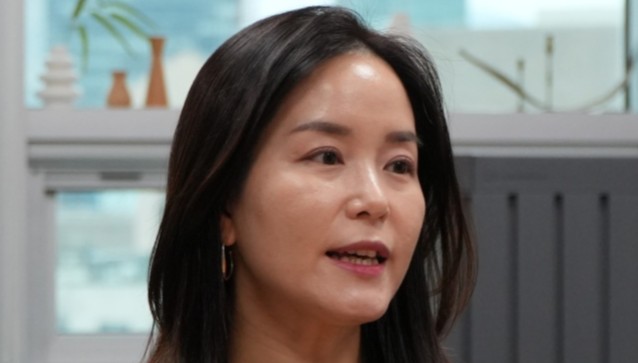
Immediately after the parliamentary forum, held on September 26, on improving NHI financial management, Professor Yong Jin Kwon of the Public Healthcare Center at Seoul National University Hospital met with DailyPharm and sharply criticized the government's new drug administration and the R&D direction of domestic pharmaceutical companies.
Professor Kwon asserted that the current innovative new drug support policy of the Korean government is fundamentally flawed.
He pointed out that Korea is the only country in the world to support these efforts with national budgets and NHI funds, recognizing the value of incrementally modified drugs based on salt changes.
Professor Kwon emphasized that the Korean pharmaceutical industry must deeply reflect on the fact that it has grown significantly over the past 25 years, driven mainly by public health insurance premiums, yet failed to produce innovative new drugs during that period.
"I believe that the presidential pledge for a drug price premium based on innovative new drug value is someone's lobbying work," Professor Kwon stated.
"We need to have a conversation with the public about whether there is any developed country that gives NHI funds to companies that just change salt formation.
I don't think (the domestic pharmaceutical industry) should be operating this way." He further pointed out, "Twenty-five years ago, when the National Health Insurance Act was introduced and the separation of prescribing and dispensing was implemented, domestic pharmaceutical companies made enormous net profits, eliminating all their debt until generic prices were cut in 2013." He criticized, "That's why structural reform of the pharmaceutical industry failed.
There are no studies on how much of the R&D funding provided to pharmaceutical companies, which includes high generic drug prices paid by the public and government support from the MFDS, actually led to tangible results, and no one is looking into it." Professor Kwon said, "The R&D support budget for pharmaceutical companies is public tax money and insurance premiums.
So, how much has the domestic pharmaceutical industry truly developed over the past 25 years?" He added, "We need to evaluate this before talking about developing the pharmaceutical industry.
The NHIS shouldn't be worrying about domestic pharmaceutical companies.
The NHIS should be pushing them to create proper rare disease drugs (new drugs)." Professor Kwon also proposed improving the financial soundness of the NHI by rationalizing the prices of generic drugs.
It is to lower generic drug prices to an appropriate level relative to the original price and use the saved resources to support and expand investment in innovative drug development.
Specifically, Professor Kwon suggested unilaterally reducing generic drug prices, which currently account for 53.55% of the original drug price, to a level of 30% to 40%, and mitigating the market shock through phased adjustments.
It is believed that this redistribution of NHI finances could expand investment in innovative new drugs by two to three times without increasing the total medical expenditure.
Professor Kwon said, "I strongly disagree with the NHIS's remark that we should reconsider the structural reform (reduction) of generic drug prices.
The NHIS is the public's agent.
If they look into where the public's NHI money has been wasted, I absolutely want to tell them that this is not the time to worry about domestic pharmaceutical companies," he asserted.
"The Korean government and pharmaceutical companies must raise the competitiveness of the domestic pharmaceutical industry and be prepared to spend hundreds of millions, or billions, of KRW from the NHI budget when an innovative new drug is developed." Finally, Professor Kwon said, "How long will we continue to out-license all our new drug candidates and then have to slash prices when we bring them back from overseas markets?
We are a developed country now." He added, "(The government) should improve the system by modifying the current actual transaction price reimbursement system and introducing a dual pricing system so that our new drugs can command high prices when exported to foreign markets."
-

- 0
댓글 운영방식은
댓글은 실명게재와 익명게재 방식이 있으며, 실명은 이름과 아이디가 노출됩니다. 익명은 필명으로 등록 가능하며, 대댓글은 익명으로 등록 가능합니다.
댓글 노출방식은
댓글 명예자문위원(팜-코니언-필기모양 아이콘)으로 위촉된 데일리팜 회원의 댓글은 ‘게시판형 보기’와 ’펼쳐보기형’ 리스트에서 항상 최상단에 노출됩니다. 새로운 댓글을 올리는 일반회원은 ‘게시판형’과 ‘펼쳐보기형’ 모두 팜코니언 회원이 쓴 댓글의 하단에 실시간 노출됩니다.
댓글의 삭제 기준은
다음의 경우 사전 통보없이 삭제하고 아이디 이용정지 또는 영구 가입제한이 될 수도 있습니다.
-
저작권·인격권 등 타인의 권리를 침해하는 경우
상용 프로그램의 등록과 게재, 배포를 안내하는 게시물
타인 또는 제3자의 저작권 및 기타 권리를 침해한 내용을 담은 게시물
-
근거 없는 비방·명예를 훼손하는 게시물
특정 이용자 및 개인에 대한 인신 공격적인 내용의 글 및 직접적인 욕설이 사용된 경우
특정 지역 및 종교간의 감정대립을 조장하는 내용
사실 확인이 안된 소문을 유포 시키는 경우
욕설과 비어, 속어를 담은 내용
정당법 및 공직선거법, 관계 법령에 저촉되는 경우(선관위 요청 시 즉시 삭제)
특정 지역이나 단체를 비하하는 경우
특정인의 명예를 훼손하여 해당인이 삭제를 요청하는 경우
특정인의 개인정보(주민등록번호, 전화, 상세주소 등)를 무단으로 게시하는 경우
타인의 ID 혹은 닉네임을 도용하는 경우
-
게시판 특성상 제한되는 내용
서비스 주제와 맞지 않는 내용의 글을 게재한 경우
동일 내용의 연속 게재 및 여러 기사에 중복 게재한 경우
부분적으로 변경하여 반복 게재하는 경우도 포함
제목과 관련 없는 내용의 게시물, 제목과 본문이 무관한 경우
돈벌기 및 직·간접 상업적 목적의 내용이 포함된 게시물
게시물 읽기 유도 등을 위해 내용과 무관한 제목을 사용한 경우
-
수사기관 등의 공식적인 요청이 있는 경우
-
기타사항
각 서비스의 필요성에 따라 미리 공지한 경우
기타 법률에 저촉되는 정보 게재를 목적으로 할 경우
기타 원만한 운영을 위해 운영자가 필요하다고 판단되는 내용
-
사실 관계 확인 후 삭제
저작권자로부터 허락받지 않은 내용을 무단 게재, 복제, 배포하는 경우
타인의 초상권을 침해하거나 개인정보를 유출하는 경우
당사에 제공한 이용자의 정보가 허위인 경우 (타인의 ID, 비밀번호 도용 등)
※이상의 내용중 일부 사항에 적용될 경우 이용약관 및 관련 법률에 의해 제재를 받으실 수도 있으며, 민·형사상 처벌을 받을 수도 있습니다.
※위에 명시되지 않은 내용이더라도 불법적인 내용으로 판단되거나 데일리팜 서비스에 바람직하지 않다고 판단되는 경우는 선 조치 이후 본 관리 기준을 수정 공시하겠습니다.
※기타 문의 사항은 데일리팜 운영자에게 연락주십시오. 메일 주소는 dailypharm@dailypharm.com입니다.
- “Drug pricing intervention contributes to the crisis in essential healthcare and shortage of drugs”
- Reporter's view | Lee, Jeong-Hwan