
- LOGIN
- MemberShip
- 2026-04-24 08:27:21
- Product
- Distributors of Neurontin, Lyrica, and Celebrex to change
- by Kim JiEun Feb 14, 2025 05:58am
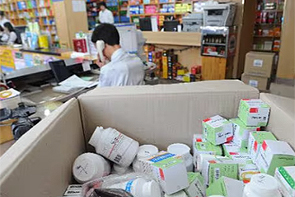
- With the transfer of sales rights between domestic pharmaceutical companies for major original products expected, the change is expected to affect not only the pharmaceutical and distribution industries but also front-line pharmacies. According to the pharmaceutical wholesale industry sources on the 13th, the transfer of rights to domestic pharmaceutical companies for some of Viatris and Takeda Pharmaceutical’s products is being confirmed or under discussion in the first quarter of this year. The products for which the recent transfer of rights has been confirmed and related notices are being issued to the pharmaceutical wholesale industry one after another are: Viatris' Neurontin Tab, Neurontin Cap, Lyrica Cap, Lyrica CR Tab, and Celebrex Cap. Their supplier will change from Jeil Pharmaceutical, the current supplier of these products, to a domestic pharmaceutical company on the 4th of next month. With less than a month left for the change of suppliers, some of these products are already in short supply. In the case of Neurontin, no new stock has been supplied to the distribution industry since last month, and the industry believes that the pharmaceutical company has adjusted its supply in anticipation of the change in sales channels. In the pharmaceutical and distribution industries, the change in the supplier of some of Takeda Pharmaceutical’s products is also rising as an issue. According to industry sources, information about the transfer of sales rights of Dexilant DR Cap and Lanston LFDT Tab, which have been supplied by Jeil Pharmaceutical, has spread throughout the industry, with the timing of the change expected around April 1. It is also reported that Dexilant's stock has been rapidly depleted recently. Jeil Pharmaceutical, which is at the center of the issue of changing suppliers, responded, “We are aware that relevant information is circulating in the industry, but it is difficult to confirm the details as it is a sensitive part of our contract.” The pharmaceutical and distribution industries believe that the market will be affected to some extent, as the products for which the change of suppliers is expected are major items. There may be some instability in the supply and demand of related items in the process of transferring sales rights, therefore, pharmacies that handle related items may need to manage their inventory. “Pharmaceutical companies and the distribution industry are keeping a close eye on the situation because the items under discussion are large,” said an official from the wholesale industry. “As the quantity of goods shipped may be adjusted during the process of changing suppliers, there may be temporary instability in the supply and demand of related items.”

- Product
- Non-face-to-face treatment takes another hit
- by Jung, Heung-Jun Feb 12, 2025 06:13am
- Following obesity treatments such as Wegovy, the medical community is now raising voices to restrict non-face-to-face artificial tears prescriptions. Following the restriction of Wegovy prescriptions through non-face-to-face medical care, voices are rising on the need to regulate the prescription of artificial tears as well. The platform industry believes that overprescription is an issue that occurs regardless of whether the patient receives face-to-face or non-face-to-face care. The Korean Ophthalmologists Association believes that prescriptions should be managed so that they are only given to appropriate patients, regardless of the route of care. During a press conference on the 9th, the Korean Ophthalmological Association argued on the need to increase restrictions due to the increase in non-face-to-face prescriptions of artificial tears. The purpose is to establish standards for non-face-to-face treatment of artificial tears and to develop a reasonable plan for the operation of non-reimbursed medical services. Due to an increase in non-face-to-face prescription of obesity drugs such as Wegogy, non-face-to-face prescription of such drugs has been restricted since December last year. A platform official said, “I understand that it should be prescribed appropriately to those who meet the indications. However, this problem is not only seen in non-face-to-face medical care but also in face-to-face medical care. We plan to communicate further to address the concerns that the medical community has.” Pharmacists have pointed out that in non-face-to-face medical care, artificial tears are prescribed in non-ophthalmic departments, increasing the possibility of overprescription. Pharmacist A from Seoul said, “Artificial tears are often overprescribed during face-to-face medical care. Of course, we cannot know how much a patient needs when we are not face-to-face, so there is a high possibility that they will be overprescribed according to patient demand.” Pharmacist B said, “Artificial tears are also being prescribed in non-ophthalmic departments. The reality is that it is not a problem for gynecologists to treat patients with hair loss during non-face-to-face medical care.” According to the ratio of patients by disease among non-face-to-face patients announced by the Telehealth Industry Council last year, artificial tears account for 4% of the total population. However, the industry explained that the ratio may be even lower if the total non-face-to-face patients are included, as only 4% of the patients that use the platform were counted. “4% of patients using the platform have been prescribed artificial tears, and 11 million cases are all non-face-to-face patients,” said a platform official. ”If all non-face-to-face patients are included, the number of chronic diseases will increase, so the rate of artificial tear prescriptions will be lower.”
- Product
- Wegovy outpatient prescriptions ↓…pharmacy burden↑
- by Jung, Heung-Jun Feb 12, 2025 06:13am
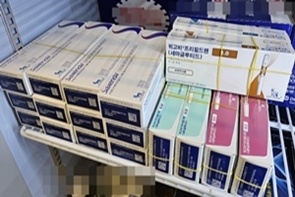
- Wegovy, whose sales suffered due to inventory shortage in pharmacies, has now become an intractable inventory four months after its launch in Korea. Wegovy is a self-injectable drug that requires refrigeration and is a non-returnable product. Each unit costs tens of thousands of won, so pharmacies bear a heavy burden if it becomes a dead stock. At the time of its launch, its convenience of being administered once a week and the expectation of its dramatic effects were the main factors behind the craze, but the excessive enthusiasm gradually faded as public opinion grew concerned about the potential side effects. The government's restriction on non-face-to-face prescriptions since December last year also played a role. Not only did the amount of non-face-to-face prescriptions decrease, but sales were also affected by the transition to in-hospital dispensing. Pharmacist A in Gangnam, Seoul, said, “I brought in some stock because I thought there would be patients who would ask for it, but there were no prescriptions. It's an item that can't be returned, but I have about KRW 2 million worth of stock.” Some clinics sell Wegovy as a package with blood tests and physical examinations, and some dispense Wegovy after general medical examinations. An industry official said, “Clinics and hospitals were not interested in selling insulin because it was not profitable, but Wegovy and Saxenda are now being well sold in clinics. It is puzzling that there are no problems (even though they are dispensing it within their institutions rather than as outpatient prescriptions).” You can easily find examples of in-hospital prescriptions in obesity treatment-related communities. Some people say that they pay KRW 500,000 to 600,000 for a pen, and although they know its price at pharmacies, as the hospitals don’t issue outpatient prescriptions, they were buying it within hospitals. There are also reports that they pay for blood tests and physical examinations separately to buy Wegovy at the clinic, which demonstrates the rampant in-hospital prescription activities being carried out in Korea. The problem is that, with the exception of exceptional circumstances, outpatient prescriptions are the rule. The issue of in-hospital dispensing of self-injectable drugs for obesity treatment, including Saxenda, has been a constant issue. As cases where the doctor injects the drug first is an exception, some clinics have been selling the remaining quantity in-house after an initial injection. During the 2020 NA Audit, there was also a claim that outpatient prescriptions for self-injectable drugs such as Saxenda should be made mandatory. Legal experts also explain that unless in some exceptional circumstances, the sale of Wegovy within the hospital is against the law. They added that it is inappropriate to sell Wegovy within the hospital for reasons such as self-injections and education. “The government has also stated that outpatient prescriptions are the rule. In-hospital prescriptions (unless they are injected) can be problematic, and the justification for education on the use of self-injectable drugs is not a valid reason,” explained attorney Jong-Sik Woo (Qone Law).
- Product
- Will doctor-pharmacist conflict reignite?
- by Kim JiEun Jan 07, 2025 06:05am
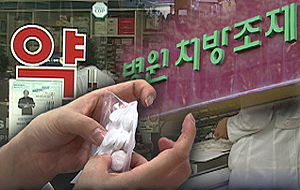
- With candidate Joo Soo-ho, who advocates for the selective dispensing of drugs, advancing to the runoff election for the new president of the Korean Medical Association, a potential conflict between the medical community and the pharmaceutical association is expected. In the 43rd presidential election of the Korean Medical Association, which was held on Thursday, candidates Taek-woo Kim (No.1) and Soo-ho Joo (No.3) advanced to the runoff. As neither candidate received a majority of the votes, a runoff election will be held on the 7th and 8th to determine the final winner. The Korean Pharmacists Association is paying close attention to the outcome of this election. Depending on which candidate wins the election, the relationship between the medical association and the pharmacists’ association may change in the future. The current KPA executives, under Kwang-Hoon Choi, have not been at odds with the KMA. The previous KMA executives, led by Pil-Soo Lee, had also a relatively peaceful relationship with Choi’s KPA executives. When Lee stepped down earlier this year, the election of Hyun-Taek Lee, who had been at odds with KPA, created a tense atmosphere, but Lim, who focused on doctor-government conflicts, was eventually impeached and forced to leave his post early. With the KMA holding an early election due to the retirement of the previous president, the timing of the inauguration of the new KPA and KMA coincided, and attention was focused on the change in the tide between Young-hee Kwon’s executives and the new KMA executive. The medical community is wary of Kwon, who has been advocating for the introduction of International Nonproprietary Name prescription during her service as president of the Seoul Pharmaceutical Association. One after another, candidates for the presidency of the Korean Medical Association have voiced their opposition to Kwon's core campaign promise and long-awaited initiative. In particular, candidate Soo-ho Joo, who was selected as a runoff voter in the first round of the election, is noted for his stance against INN prescriptions and the need to introduce a selective dispensing system. “It is unfair for doctors to be held responsible for any accidents that may occur from the pharmacists’ choice of generic drugs from random pharmaceutical companies,” said Joo in a recent position paper, adding, ”The most effective way to minimize public inconvenience and reduce health insurance financial leakage by reducing dispensing fees is the selective dispensing system.” “We need to fix the wrong system and eliminate unsustainable systems. We already know what we need to change: the mandation of long-term care institutions, a single-payer insurance system, and the separation of prescribing and dispensing. We already know what we need to change. Now it's just a matter of taking action.” If Joo is ultimately elected president of the KMA, he is likely to be at odds with the Kwon and her KPA administration. It is also expected to have an impact on the bills currently in the National Assembly related to the activation of generic substitution and INN prescriptions. Currently, there is a bill introduced by Representative Yoon Kim to introduce INN prescribing for drugs with unstable supply and demand, as well as a bill to activate generic substitution by Representative Byung-Deok Min. “As Kwon has presented INN prescription as one of her key pledges for the presidential election, she will have no choice but to speak out and move to promote the policy,” said a pharmaceutical industry insider. ”INN prescriptions are unacceptable to the medical community. So if the militant candidate wins the KMA election, he may create a conflict with the KPA in the future. It will be important to see how Kwon can convince the government and the public despite the opposition from the medical community.”

- Product
- Price of Pulmican, Pulmicort, Tantum Sol to be raised in Jan
- by Kang Hye-Kyung Dec 27, 2024 05:56am
- As of January 1 next year, items including Pulmican, Pulmicort, and Tantum Sol which are set to receive price hikes, will demand the pharmacists' attention. According to a notice from the Ministry of Health and Welfare on the 24th, the price of ▲ Whanin Imipramine HCl Tab 25mg ▲ Lithan Tab ▲ Myungin Lithium Carbonate Tab ▲ Myungin Lithium Carbonate Tab 150mg ▲ Whanin Trazodone HCl Cap ▲Spiracton Tab 50mg ▲ Pulmican Suspension for Nebulizer ▲ Pulmicort Respule 0.5mg/2mL ▲ Sama Tantum Sol. (100mL) ▲ Movizolo Tab 1mg ▲ Movizolo Tab 2mg ▲ Lavopa Inj ▲ Pine Inj 1000IU/mL ▲ Greencross Heparin Sodium Inj ▲Pine Inj 5000IU/mL ▲ Alkeran Tab will be increased. The price of Pulmican Suspension for Nebulizer will be increased by KRW 126 from 1,121 won to 'KRW 1,247,’ and Pulmicort Respule Nebulized Suspension will be increased by KRW 255 to 'KRW 1,380.’ Sama Tantum Sol's price will increase by KRW 311 from KRW 1,000 to 1,311. There are also items whose drug prices will be reduced. ▲ Epyztek PFS, ▲ Epyztek IV Inj. ▲ Olumiant Tab 2mg, ▲ Olumiant Tab 4mg, ▲ Tremfya Prefilled Syringe Inj, ▲ Tremfya One Press Auto-Injector Inj, ▲ Rinvoq ER Tab 15mg, ▲ Rinvoq ER Tab 30mg, ▲ Entresto Film Coated Tab 100mg, ▲ Entresto Film Coated Tab 200mg, ▲ Entresto Film Coated Tab 50mg, ▲ Alprolix Injection, ▲ Sugar Tree XR Tab, ▲ Vegzelma In, ▲ Pomalyst Cap 1mg, ▲ Pomalyst Cap 1mg 2mg, ▲ Pomalyst Cap 3mg, ▲ Pomalyst Cap 4mg, etc. are included for price cuts. Meanwhile, the prices of Pulmicort Respule Nebulized Suspension and Pulmican will be raised in just one year, as the public-private council has recently requested a preemptive drug price increase to secure domestic imports as Pulmicort supply and demand in global markets such as Japan and Canada.
- Product
- Gout drug allopurinol side effect alert
- by Kang, Shin-Kook Nov 20, 2024 06:08am
- As reports of adverse reactions to allopurinol, a drug prescribed for gout, continue to mount, health authorities are calling for genetic testing of patients before prescribing it to prevent side effects. According to medical and pharmaceutical associations on the 19th, the NMC Adverse Drug Reaction Committee recently reviewed applications for side effect damage relief of allopurinol-containing medicines and suggested the need for medical institutions to be informed of the ‘reimbursement of genetic testing before prescribing allopurinol.’ A notice regarding the reimbursement of genotyping fees before the first administration of allopurinol for all patients was issued in August 2021, but the committee believes the notice should be revised to request testing before prescribing. Allopurinol may cause a rare and potentially fatal Severe Cutaneous Adverse Drug Reaction (SCAR). Examples include Stevens-Johnson syndrome, toxic epidermal necrolysis, and drug hypersensitivity syndrome. As of 2023, allopurinol was the No. 1 drug (ingredient) causing adverse drug reactions in Korea, according to the Korea Institute of Drug Safety & Risk Management. The MFDS explained that “allopurinol-induced SCARs are highly associated with the HLA-B5801 allele,” and that Koreans have a higher rate of the gene than Westerners, allowing the prevention of adverse reactions through genetic testing. As a result, doctors and pharmacists should pay attention to follow-up, guidance, and medication guidance for allopurinol’s side effects.
- Product
- MOHW cautions non-face-to-face Wegovy prescriptions
- by Kang Hye-Kyung Nov 13, 2024 05:55am
- The government has asked medical institutions for cooperation in making indiscriminate Wegovy prescriptions. The Ministry of Health and Welfare said on the 11th through the medical community, “Regarding Wegovy, which was recently released as a treatment for obesity, medical institutions are issuing prescriptions without sufficiently examining the patient's condition, raising concerns of its abuse and misuse.” The ministry emphasized, ”Wegovy is administered as an aid for weight management for obese patients, and side effects may occur if used regardless of the patient's medical condition.” The MOHW also asked institutions to comply with the MFDS’s approved indication, which specifies Wegovy’s use as an adjunct for managing weight in people with ▲a BMI of 30 kg/m² or greater (obesity) or ▲a BMI of at least 27 kg/m² but less than 30 kg/m² who have weight-related health problems (such as diabetes, high blood pressure, abnormal levels of fats in the blood, breathing problems during sleep called ‘obstructive sleep apnoea’ or a history of heart attack, stroke or blood vessel problems), or to reduce the risk of major adverse cardiovascular events (cardiovascular death, nonfatal myocardial infarction or stroke) in people with confirmed cardiovascular disease who are ▲either obese or overweight with a BMI of at least 27 kg/m². They also ordered that patients should be properly screened to determine if they are eligible and that they should be informed of possible side effects, including gallbladder disease, intestinal obstruction, aspiration pneumonia, pancreatitis, acute heart injury, hypoglycemia, various gastrointestinal, metabolic, neurological disorders, and suicidal thoughts. In addition, the ministry asked doctors to be careful not to mislead patients into believing that Wegoby can easily be prescribed for weight loss, and to be vigilant in preventing the misuse of such drugs during virtual visits.
- Product
- KTIC, ’21s Wegovy prescriptions, not a telemedicine issue'
- by Kang, Hye-Kyung Nov 07, 2024 05:47am
- the platform industry has spoken out to state its opinion regarding the government’s move to restrict non-face-to-face prescriptions in response to the criticism that 'obesity drugs are being easily prescribed – just in 21 seconds - through non-face-to-face medical treatment platforms.’ While the platform industry sympathizes with social concerns, the essence of the problem, such as the misuse of Wegovy, does not lie in the mode of consultation, whether it is face-to-face or non-face-to-face. On the 6th, the Korean Telemedicine Industry Council (represented by Jae-won Sun, Seul Lee, KTIC) announced its ‘Position regarding the concerns over misuse of obesity drugs through non-face-to-face medical treatment platforms,’ stating, “Since the recent launch of new obesity drugs, some influencers and patients have been found to have used non-face-to-face medical treatment in the process of prescribing the drugs, raising concerns. But the root of the problem of misuse of obesity drugs does not lie in the mode of consultation.” KTIC claims that the misuse of anti-obesity medications can occur regardless of the mode of consultation and that the problem stems from the prescribing and medication guidance process. “Therefore, various social efforts, such as strengthening DUR registration to improve transparency and the doctors’ and pharmacists' compliance with laws and regulations, are essential to essentially solve the problem of off-label drug abuse, including obesity drugs. The platform does not directly intervene in prescribing and dispensing, but will contribute to the doctors’ and pharmacists’ law abidance and prevention of drug abuse through technical support.” The association also emphasized that telemedicine overseas focuses on “preparing safety measures” rather than “putting restrictions.” Rather than looking at telemedicine as the cause of the problem, KTIC emphasized the need to put in place specific controls to ensure the safety of prescribing and medication use. The UK has implemented transparency improving guidelines for pharmacies and medical institutions to manage certain medicines, and the US is known to be improving its management system to ensure the safety of generic obesity drugs. The KTIC pledged to prepare practical and concrete management measures to improve the accessibility and safety of non-face-to-face medical treatment. “It is a clear fact that the high convenience of non-face-to-face medical treatment, which enables access to medical services without time and space constraints, enhances people's rights and interest in healthcare, but apart from this good function, we deeply sympathize with the social concerns that have been raised with the recent launch of new obesity drugs,” they said. As a member of the non-face-to-face healthcare delivery system, we will strive to enhance people's medical access and safety while addressing various social concerns that have been raised with the launch of new obesity drugs.” The council will work closely with the relevant authorities to provide input to help formulate measures to improve access to healthy healthcare, while actively guiding participating medical institutions and pharmacies to comply with relevant laws and MFDS indications in the prescribing and dispensing process. “The council will continue to pay attention to various concerns and opinions on-site to protect the public's health and make efforts to establish telemedicine as a trusted medical service.”
- Product
- KMA ‘non-face-to-face Wegovy prescriptions cause harm'
- by Kang, Shin-Kook Oct 30, 2024 05:53am
- A Korean doctor's association has called for an immediate halt to the government's plan to allow non-face-to-face medical treatment. The Korean Medical Association (Chairman Hyun-Taek Lim) issued a statement on the 28th claiming, “The government should immediately stop allowing all non-face-to-face medical treatment as its pilot project and ensure that the non-face-to-face treatment pilot project is operated only as a supplementary means for returning patients, under the principle of face-to-face treatment.” The Ministry of Health and Welfare implemented a pilot project for non-face-to-face treatment in June last year, focusing on clinic-level medical institutions and returning patients who have received face-to-face medical treatment, and then allowed overall non-face-to-face treatment as a pilot project in February this year. In response, the Korean Medical Association pointed out, “With the full permit of non-face-to-face treatment, online platforms are encouraging patients to use non-face-to-face treatment platforms through various advertisements, SNS, influencers, and other promotional activities. Rather than providing essential medical treatment services for returning patients that have received face-to-face treatment, patients are being seriously induced to receive non-reimbursed initial medical treatment related to beauty such as hair loss, diet, and acne through online medical platforms.” “In the case of Wegovy, an injectable obesity drug that has been controversially overprescribed through non-face-to-face online platforms, the manufacturer suggests gallstones, hair loss, and indigestion as common side effects, and in rare cases, fatal side effects such as pancreatitis can occur, so it is a specialty drug that should be prescribed through BMI criteria. However, due to the full allowance of non-face-to-face medical treatment, consumers, not patients, can easily acquire and abuse specialty drugs, and we would like to question whether this is in line to allow non-face-to-face treatment,’ said KMA. It added, “To prevent the distortion of the medical market and indiscriminate prescriptions caused by non-face-to-face treatment and the damage to public health, we need to restrict prescription of non-face-to-face treatment for drugs that should be prescribed after strictly identifying the patient's condition. As such, the government should strengthen the monitoring system for online platform companies and prepare measures against factors that may disrupt the medical market.”

- Product
- AZ seeks to reaffirm Tagrisso’s position in NSCLC
- by Moon, sung-ho Oct 25, 2024 05:49am
- Se-hoon Lee, a Professor at Samsung Medical Center, recently gained attention by publishing a study on Leclaza (lazertinib, Yuhan Corp), a domestic third-generation EGFR TKI (Tyrosine Kinase Inhibitor). With the advent of another option to the global standard therapy option Tagrisso (osimertinib) increasing the number of treatment options to two and rendering choices difficult on-site, Dailpharm met with Lee to hear his thoughts on treatment strategies that should be implemented in the clinical field? Sehoon Lee, MD, Professor of Hematology/Oncology at Samsung Medical Center, spoke at an event hosted by AstraZeneca on the 11thto evaluate the value of Tagrisso amid the growing number of treatment options for EGFR mutation-positive non-small cell lung cancer (NSCLC). As the event was hosted by AstraZeneca, Professor Lee first described Tagrisso as a ‘model’ treatment for the development of EGFR TKIs, starting with Iressa (gefitinib). In particular, the recent increase in the number of patients with EGFR mutation-positive NSCLC, particularly in East Asia, has made TKIs more relevant, said Lee. “Recently, the number of non-smoking lung cancer patients has been increasing, and many of them are EGFR mutation-positive NSCLC patients,” said Lee. “And new therapies have emerged, starting with Tagrisso. So it is now time for us to establish treatment strategies using third-generation EGFR TKIs.’ So what does Professor Lee see as the future strategy for lung cancer treatment? In the domestic market, the addition of Tagrisso monotherapy and chemotherapy combination therapy, as well as Leclaza monotherapy as first-line treatments for NSCLC, has rendered choice difficult for clinicians who have to prescribe treatments. At the same time, the US FDA has approved the Leclaza+Rybrevant combination therapy, and this may soon be approved in the domestic market as well. When asked about the differences between the two drugs, Professor Lee described the current situation as a ‘complex era’. While he considers Tagrisso to be the standard option, he also sees the newer drug as being in an ‘equal’ position. In other words, Tagrisso's position as a standard option remains unwaivered, even though the Leclaza+Rybrevant combination is recommended as first-line therapy in the NCCN guidelines. “I presented a study on Leclaza at the World Congress of Lung Cancer (WCLC), and we carefully discussed the evaluated study results with the sponsor, Janssen, to clarify the wording and terminology,’ says Lee. ’The gist of the presentation was that there was a possibility that lasertinib+amivantamab may be more beneficial.” He also noted the OS data for Tagrisso+chemotherapy, which is approved in Korea but is currently only available on a non-reimbursed basis. “Tagrisso monotherapy demonstrated a median overall survival of 38.6 months in the first-line treatment of EGFR-mutated NSCLC.” said Lee, adding that “Tagrisso+chemotherapy showed a significant PFS extension effect compared to monotherapy, despite the inclusion of more than twice as many patients with central nervous system metastases.” ‘The combination showed a significant improvement in survival over Tagrisso monotherapy, with a PFS of 24.9 months in patients with central nervous system metastases and 24.7 months in patients with the L858R mutation,” said Lee. ’While the data are still immature, the widening gap in OS data is now being observed, and we look forward to seeing the final data.”
