
- LOGIN
- MemberShip
- 2026-05-01 13:10:11
- Company
- Multiple sclerosis drug Ocrevus may soon be reimbursed
- by Eo, Yun-Ho Feb 05, 2025 05:52am
- The new multiple sclerosis drug Ocrevus is expected to be listed for reimbursement in Kore. According to industry sources, Roche Korea has completed negotiations with the National Health Insurance Service on the drug price of Ocrevus (ocrelizumab) for relapsing multiple sclerosis (MS). As a result, the drug is expected to be reimbursed once it passes the Health Insurance Policy Review Committee review. The company is moving quickly to finalize the reimbursement process, given that it submitted the application for reimbursement after its domestic approval in May last year. Ocrevus targets CD20-expressing B cells that affect the demyelinating process that causes neurological disorders in MS patients. MS is a chronic disease in which myelin is damaged by an autoimmune inflammatory response. Damage to the myelin sheath causes symptoms such as muscle weakness, fatigue, and vision impairment, and can lead to non-traumatic disability. As of 2022, an estimated 2,674 patients in Korea are known to be suffering from MS, with those in the 20-40 age group accounting for more than 62% of the total. Antibody therapies such as Tysabri (natalizumab), Gilenya (fingolimod), and Mabthera (rituximab) have been utilized in the disease area, but there has been a steady demand for additional high-efficacy drugs. Various new drugs have been developed overseas, including Novartis' Kesimpta (ofatumumab) and TG Therapeutics' Briumvi (ublituximab), but Roche's Ocrevus is the only one introduced in Korea. Ocrevus also has the advantage of offering a shorter dosing period. Ocrevus can be administered once every 6 months, which is more convenient than Kesimpta (administered once every month). The approval was based on the Phase III OPERA-I and II studies. The studies evaluated the efficacy and safety of Ocrevus versus Biogen's interferon therapy Plegridy (interferon beta-1a) in patients with relapsing MS. In the trial, Ocrevus reduced the annualized relapse rate (ARR) by nearly half compared to Plegridy. Specifically, in the OPERA I study, the ARR was 0.156 for 96 weeks of Ocrevus versus 0.292 for the control arm, and in OPERA II, the ARR was 0.155 for 96 weeks of Ocrevus versus 0.290 for the control arm. Ocrevus also showed efficacy in the Phase III ORATIORIO study in patients with primary progressive MS. In this study, Ocrevus reduced the risk of confirmed disability progression (CDP) by 24% over 12 weeks compared to the control group. Ho Jin Kim, professor of Neurology at the National Cancer Center, said, “In MS, even small differences in the early stages can have huge cumulative consequences. This is why the benefits of early access to highly effective therapies are significant. These treatments will not only improve patients’ quality of life but also help reduce the cost of the disease to society and the economy. Ocrevus is well positioned to be utilized because it has sufficient data established not only in terms of efficacy but also on long-term treatment administration.”
- Company
- Hepatitis B drug market remakes ₩300B after 6 years
- by Kim, Jin-Gu Feb 04, 2025 05:55am
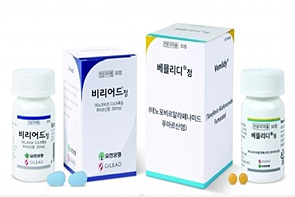
- The outpatient prescription market for hepatitis B drugs expanded again last year to exceed KRW 300 billion. This is the first time the market has exceeded the mark in 6 years since 2018. Gilead Sciences’ Vemlidy drove the market growth with a 15% increase in sales from KRW 61.9 billion to KRW 71.3 billion in 1 year, while the combined prescription volume of tenofovir-based generic products increased by 21%. Hepatitis B drug market re-enters KRW 300 billion range for the first time in 6 years According to the market research institution UBIST on Wednesday, the outpatient prescription market for hepatitis B drugs was KRW 303 billion last year. This is a 4% increase from the KRW 292.3 billion in 2023. The market has re-entered the KRW 300 billion range for the first time in six years since 2018. The market was valued at over KRW 300 billion in 2018 but declined to KRW 273.1 billion in 2019. This was due to the patent expiry of Gilead Science’ Viread, the market leader at the time, and the corresponding reduction in Viread’s drug price. The market further shrank to KRW 266 billion in 2020. In 2021, the market rebound. In 2021, it grew by 4% to KRW 275.6 billion. In 2022, it grew to KRW 283.8 billion and in 2023 to KRW 292.3 billion, a 3% increase for 2 consecutive years. It expanded further to exceed KRW 300 billion last year. Vemlidy grows 15% in one year...No. 2 in the market Gilead's Vemlidy led the market growth. Last year, Vemlidy’s prescriptions totaled KRW 71.3 billion, up 15% from the previous year. Vemlidy is Gilead’s new hepatitis B drug that was developed as a successor to Viread. While the original Viread was highly effective in suppressing the hepatitis B virus, it was criticized for its side effects, including kidney dysfunction and decreased bone density. Vemlidy overcame these shortcomings. In clinical trials, no adverse events, including renal dysfunction and decreased bone density, were found in patients using Vemlidy. Long-term safety was also highlighted as an advantage given the difficult-to-cure nature of hepatitis B. In fact, sales of Vemlidy have steadily increased since its launch in Korea in 2017, making up for the decline in Viread’s prescription performance. In 2019, it surpassed KRW 10 billion in prescriptions, and in 2021, it expanded to exceed KRW 30 billion. This was followed by a further increase to KRW 49.2 billion in 2022 and KRW 61.9 billion in 2023. In particular, last year, it reached KRW 71.3 billion, overtaking BMS Baraclude (KRW 71.9 billion), the No. 2 product in the market. Given Baraclude’s recent sales decline, the industry expects Viread will overtake Baraclude and become the No. 2 product within this year. While Gilead's prescription sales were down 1% YoY, the company’s still stays strong at more than KRW 90 billion. By 2019, the company was generating more than KRW 100 billion in annual prescription sales. Since then, it has switched to Vemlidy, and its prescription performance has been declining moderately. In addition, original items from domestic and foreign pharmaceutical companies have recently seen a slowdown in prescription sales. Ildong Pharmaceutical's Besivo (besifovir) generated KRW 2.3 billion in sales last year, the same as in 2023. The sales of Bukwang Pharm’s Sebivo (telbivudine) decreased from KRW 1.2 billion to KRW 1 billion, and the sales of Levovir (clevudine) remained at KRW 800 million each in 2023 and 2024. Levovir’s patent term expires in April 2022. Sales of GSK’s Zeffix (lamivudine) fell slightly from KRW 3.3 billion to KRW 3.2 billion in 1 year. Sales of GSK’s other product, ‘Hepsera (adefovir)’ have not been counted since the company withdrew the drug’s domestic license in 2022. Vemlidy generics enter market in full scale…sales of tenofovir-based generics jump 21% in the US Generic tenofovir drugs have also seen a significant increase in sales. Last year, the combined prescription value of tenofovir generics was KRW 20.7 billion, up 21% from KRW 17.1 billion in 2023. In Korea, generic versions of tenofovir-based hepatitis B treatments have been launched in succession since 2018 for Viread and 2023 for Vemlidy. In the case of tenofovir-based generics, the growth was somewhat slower, with the existing Viread generics generating KRW 15.9 billion in 2020, KRW 16.5 billion in 2021, KRW 17.7 billion in 2022, and KRW 17.1 billion in 2023. However, the entry of Vemlidy generics has grown the market significantly to reach KRW 20.7 billion. The prescription performance of existing Viread generics has mostly declined. Chong Kun Dang’s Tenofobell fell from KRW 3.7 billion in 2023 to KRW 3.3 billion last year. Dong-A ST’s Virreal fell from KRW 2.8 billion to KRW 2.6 billion. On the other hand, Vemlidy generics saw a significant increase in prescriptions. Samil Pharmaceutical's Vemlino generated only KRW 300 million in 2023 but increased eightfold to KRW 2.4 billion last year. Sales of Dong-A ST’s Vemlia also surged from KRW 300 million to KRW 1.7 billion in one year. Generic versions of another hepatitis B drug, Baraclude, generated KRW 33.6 billion last year. The combined prescription value of Baraclude generics has been growing moderately since exceeding KRW 30 billion in 2020. Among Baraclude generics, Dong-A ST’s Baracle was the highest prescribed at KRW 10.4 billion. It was followed by Samil Pharmaceutical's Enped at KRW 3.8 billion, Daewoong Pharmaceutical's Baracross at KRW 3.4 billion, Bukwang Pham’s Bukwang Entecavir at KRW 3.2 billion, and Hanmi Pharmaceutical's Cavir at KRW 3 billion.
- Company
- 'Tibsovo' reapplies for bile duct cancer indication reimb
- by Eo, Yun-Ho Feb 04, 2025 05:55am
- Product photo of Tipsovo 'Tibsovo,' which is indicated for the treatment of bile duct cancer (cholangiocarcinoma) and acute myeloid leukemia (AML), reapplies for obtaining insurance reimbursement. According to industry sources, Servier Korea has submitted a reimbursement application for cholangiocarcinoma indication of Tibsovo (ivosidenib), a drug targeting the isocitrate dehydrogenase 1 (IDH-1) gene mutation. If a patient is tested positive for IDH1 mutation, Tibsovo can be used as a ▲Monotherapy in patients with locally advanced or metastatic AML and had prior therapy ▲Combination therapy with 'azacytidine' in adult patients over 75 years with accompanying disease that cannot be treated with chemotherapy. Tibsovo's AML indication passed the Health Insurance Review and Assessment Service (HIRA)'s Cancer Disease Review Committee (CDRC) in October of last year. Yet, the cholangiocarcinoma indication has not passed the CDRC review. It remains to be seen if Tibsovo, effective in treating cholangiocarcinoma, where treatment options are limited, will be considered for reimbursement. Cholangiocarcinoma is a cancer with a poor prognosis. The five-year relative survival rate is only 28.9%. 65% of the patients with cholangiocarcinoma of the liver are found be non-operable when diagnosed. Tibsovo is the only targeted drug recommended as a Category 1, the highest grade, by the National Comprehensive Cancer Network (NCCN) for a second-line treatment for cholangiocarcinoma. According to ClarlDHy Phase 3 clinical trial, Tibsovo reduced the disease progression by 63% compared to a placebo and had a median progression-free survival (PFS) of 2.7 months (placebo 1.4 months). Also, patients treated with Tibsovo had a median overall survival (OS) of 10.3 months, which was longer over twice than 5.1 months of those treated with a placebo. Do-Youn Oh, Professor of Department of Hematology-Oncology at Seoul National University Hospital, said, "Over the last five years, the development of treatments for cholangiocarcinoma got fast. Along with new drug development, many companies are focusing on developing drugs for cholangiocarcinoma. Patients with cholangiocarcinoma need to follow physician's advice, receive treatments, and seize new opportunities such as participating in clinical trials." Meanwhile, in the AGILE Phase 3 trial involving patients with AML, Tibsovo was demonstrated to improve event-free survival (EFS) when combined with azacytidine, and the overall survival (OS) was significantly improved. The patients treated with Tibsovo had a median OS of 24.0 months (placebo 7.9 months). In a long-term follow-up study, the median OS of Tibsovo combination therapy was 29.3 months, over 3.7-fold longer than that of placebo combination therapy.

- Company
- Lixiana leads the DOAC market..generics make advances
- by Kim, Jin-Gu Feb 04, 2025 05:55am
- (Clockwise from top left) Lixiana, Eliquis, Pradaxa, and Xarelto Daiichi Sankyo's Lixiana (edoxaban) is further solidifying its dominance in the direct-acting oral anticoagulant (DOAC) market. Prescriptions grew 12% year-on-year, and its share of the total market expanded to 45%. Sales of Eliquis (apixaban) and Xarelto (rivaroxaban), on the other hand, have faltered. Eliquis saw its first year-over-year prescription decline due to generic re-entry. Xarelto generics have expanded prescriptions by 47% in a year, fiercely chasing the original. Lixiana’s sales near KRW 120 billion a year...doubled in 5 years, accelerating its dominance in the market According to the market research institution UBIST, the outpatient prescription market for DOAC was KRW 260.1 billion last year. This is a 7% increase from the KRW 242.8 billion in 2023. DOACs are anticoagulants that prevent blood clots by directly acting on blood clotting factors. It has replaced warfarin, which inhibits the metabolism of vitamin K, and expanded its use in the prescription field. Xarelto was approved in Korea in 2009, followed by Pradaxa-Eliquis in 2011 and Lixiana in 2015. When the products were first introduced, they were commonly referred to as NOACs (New Oral Anti-Coagulants), but as more than a decade has passed after their first approval, they are now referred to as DOACs (Direct Oral Anti-Coagulants), which means they act directly on clotting factors. Major DOAC prescriptions by year (Unit: KRW 100 million, Source: UBIST) Lixiana's dominance has been growing in the market. Last year, prescriptions for Rixiana totaled KRW 117.5 billion, up 12% from KRW 105.3 billion in 2023. Although Lixiana was one of the last DOACs to be launched in the market, it quickly ramped up prescriptions and has risen to become the market leader since 2019. With annual growth of around 10%, prescription sales have nearly doubled in 5 years from KRW 60.4 billion in 2019. Its share of the total DOAC market has also expanded from 33% in 2019 to 45% last year Eliquis’s sales decline for the first time...generics re-entry impact The remaining original drugs, on the other hand, have seen a recent decline. Eliquis, the No. 2 product in the market, posted prescription sales of KRW 74.3 billion last year. This is down 4% from KRW 77.3 billion in 2023. Last year was the first time Eliquis' prescription sales declined year-on-year. This decline in prescription sales is attributed to the reentry of generics and drug price cuts that followed. Last September, Eliquis' substance patent expired. This was followed by the re-entry of Eliquis generics into the market after a three-and-a-half-year break. Eliquis generics have been launched into the market one after another since June 2019. At that time, generic companies launched the product based on the verdict of the first and second material patent trials. Since then, Eliquis generics have steadily increased prescriptions in the market. However, in April 2021, the tide turned when the Supreme Court overturned the first and second trial rulings and ruled in favor of BMS. The generic companies immediately withdrew their products from the market, and Eliquis regained its monopoly position in the apixaban-based DOAC market. Quarterly prescription performance of Eliquis originals and generics (Unit: KRW 100 million, Source: UBIST) The generic drugs returned last year upon the expiry of Lixiana’s substance patent. At the same time, the price of the original product was reduced. When the generic was launched in 2019, the price cut was suspended due to BMS's administrative litigation, but last year, the 30% price cut was applied. Inluence of Xarelto generics expand...market share of rivaroxaban reach 46% Xarelto generated KRW 31.5 billion in sales last year. That's up 2% year-over-year, but the long-term decline is steady. Xarelto's prescription sales steadily declined from KRW 60.9 billion in 2021 to KRW 49.4 billion in 2022, then to KRW 31 billion won in 2023. The decline in Xarelto prescriptions was driven by patent expiry and subsequent generic launches. Xarelto generics have been available since the second quarter of 2021. Then Xarelto's price cut, which had been blocked by administrative litigations, was enforced in the third quarter of 2022. Xarelto prescriptions plummeted at the time of the price cut. Meanwhile, Xarelto generics are rapidly gaining influence in the market. Sales of Xarelto generics surpassed KRW 10 billion in prescriptions in 2022, their second year on the market. By 2023, the market had grown to KRW 18.3 billion, and last year, it rose 47% to KRW 26.9 billion. Generics' share of the rivaroxaban-based DOAC market expanded from 37% in 2023 to 46% last year. The pharmaceutical industry expects sales of Xarelto generics to surpass the original in combined prescriptions this year. Quarterly prescription performance of Xarelto original and generics (Unit: KRW 100 million, Source: UBIST) Prescription sales of major generic products increased simultaneously. Hanmi Pharmaceutical's Riroxban more than doubled from KRW 3.9 billion in 2023 to KRW 8.1 billion last year. Sales of Samjin Pharm’s Rivoxaban increased 64% from KRW 3.2 billion to KRW 5.2 billion. Sales of Chong Kun Dang’s Riroxia grew 10% year-on-year to KRW 5 billion. Sales of Pradaxa (dabigatran) have been in a prolonged slump. Last year, prescription sales fell to less than KRW 10 billion. Will Eliquis generics return to the market and replicate past gains The future of this market will be determined by how quickly generic Eliquis products, which returned to the market in September last year, will expand their influence. Some industry observers believe that the major generics companies will quickly expand their presence in the market, as they already have experience launching the products. Eliquis generics generated prescription sales of KRW 1.2 billion in 2019 and KRW 9.3 billion in 2020. In the first quarter of 2021, just before the Supreme Court ruling, the company's quarterly prescriptions expanded to KRW 3.6 billion. Since most companies have Xarelto generics in stock, the expectation is that the two products will bring a synergistic effect. On the contrary, some believe that it is unlikely that these generics will be able to achieve similar levels of prescription growth as Xarelto generics. As Xarelto generics are already well established in the DOAC market, it is unlikely that they will be able to generate the same level of prescriptions as expected. In addition, some believe that even if generic prescriptions of Eliquis do increase, this will then lead to a decline in Xarelto generic sales.
- Company
- ROS1 targeted cancer drug 'Augtyro' nearing mkt entry
- by Eo, Yun-Ho Feb 03, 2025 05:52am
- Product photo of Augtyro (repotrectinib)The ROS1-targeting anticancer drug, 'Augtyro,' is expected to be commercialized in South Korea. According to industry sources, Bristol Myers Squibb (BMS) Korea is close to receiving approval from the Ministry of Food and Drug Safety (MFDS) for Augtyro (repotrectinib), an anticancer drug that can be used regardless of cancer types. This drug was designated as an orphan drug from the MFDS in early June 2024. This drug was indicated for ▲the treatment of patients with ROS-1 positive topical advanced or metastatic non-small cell lung cancer (NSCLC) ▲the treatment of patients with NTRK(Neurotrophic tyrosine receptor kinase) fusions in topical advanced, metastatic solid cancer or who have a high likelihood of severe morbidity upon surgical removals. Augtyro initially received U.S. FDA approval for the treatment of NSCLC in November 2024. Its indication for the treatment of solid cancer accompanying NTRK fusions was recently approved. In November of the same year, it also successfully received a recommendation for marketing authorization from the European Medicines Agency's (EMA) Committee for Medicinal Products for Human Use (CHMP). The drug’s efficacy was confirmed through multinational Phase 1/2 TRIDENT-1 studies. The results showed that 71 patients who had not previously received TK1 treatments had an objective response rate (ORR), which was the primary endpoint, of 79% after Augtyro treatment. Progression-free survival (PFS) doubled compared to conventional targeted therapy. The ORR was defined by the percentage of patients showing decreased tumor sizes (partial response) or no more cancer symptoms (complete response) during the specified treatment period. The median duration of response (DOR) was 34.1 months. 56 patients who had previously undergone ROS1 TK1 therapy and no chemotherapy had an ORR of 38% and a median DOR of 14.8 months. The study also demonstrated the drug’s effectiveness in patients who had developed drug tolerance to previously administered targeted therapies. 56 patients with drug tolerance had an ORR of 38% and a PFS of 9 months. Notably, 17 patients who acquired G2032R mutation had an ORR of 59% and a PFS of 9.2 months. The TRIDENT-1 study was published in the New England Journal of Medicine (NEJM, IF 176.082) with Byoung Chul Cho (Director of the Lung Cancer Center at Yonsei Cancer Hospital) as the corresponding author. Meanwhile, lung cancers with ROS1 mutation account for 2% of all lung cancers. Conventional therapy includes targeted anticancer therapies that target the mutated gene. The common drugs are 'crizotinib' and 'entrectinib.' 'Repotrectinib' is gaining attention as the next-generation drug.
- Company
- Samsung Bioepis loses Eylea appeal trial in the US
- by Cha, Jihyun Feb 03, 2025 05:52am
- The U.S. market entry of 'Eylea' biosimilar, a treatment for eye diseases, from Samsung Bioepis is stalled. The company recently lost a trial of appeal in addition to the previous motion filed by the developer for a preliminary injunction over a sales ban on an item. According to the biotechnology industry sources on January 31, the United States Court of Appeals for the Federal Circuit ruled in favor of Regeneron over a preliminary injunction filed by Regeneron against Samsung Bioepis regarding the sales of Eylea biosimilars. According to the biotechnology industry sources on January 31, the United States Court of Appeals for the Federal Circuit ruled in favor of Regeneron over a preliminary injunction filed by Regeneron against Samsung Bioepis regarding the sales of Eylea biosimilars. The court stated, "Samsung Bioepis failed to present evidence that Eylea biosimilar does not infringe on Regeneron's patent." Further adding, "Regeneron is likely to suffer irreparable harm without preliminary relief. Therefore, the court will hold a restraining order barring the launch of Samsung Bioepis' Eylea biosimilar in the U.S. market." In late 2023, Regeneron filed a lawsuit against Samsung Bioepis for infringing on 51 Eylea patents. During the trial, Regeneron filed a motion to the court for a temporary restraining barring Samsung Bioepis from launching Eylea biosimilar 'Opuviz' in the U.S. market. After that, in June 2024, the U.S. District Court for the Northern District of West Virginia granted this claim and approved the barring of Opuviz's entry into the U.S. market. Samsung Bioepis appealed against this preliminary injunction and immediately filed a notice with the appeals court. As Samsung Bioepis lost the appeals trials, the entry of Opuviz in the U.S. market has become uncertain. Eylea, jointly developed by the U.S.-based Regeneron and Germany-based Bayer, is a treatment for eye diseases. It is used to treat various eye diseases, including macular degeneration, macular edema, and diabetic retinopathy. Currently, Eylea ranks No.1 worldwide among the treatments for wet age-related macular degeneration (AMD). Last year, it recorded global sales of US$9.36 billion (approximately KRW 12 trillion), accounting for the major market. For Regeneron, Eylea is a major cash cow, accounting for 70% of the total sales. Given that follow-up pharmaceuticals are unavailable, Regeneron has prepared a tight defensive strategy to stop the launch of biosimilars. In addition to existing substance patent, the company has prepared for various patents, such as the use patent, formulation patent, and a specified prescription group, or proceeding with trials to prevent competitors from entering the market. In the worst case, the U.S. launch of the Eylea biosimilar could be postponed until 2027. The U.S. substance patent for Eylea will expire this May, but the additional patent is set to expire on June 14, 2027. It is possible that the ruling could be overturned at the appeal court or Samsung Bioepis to negotiate with Regeneron. However, if both companies were to negotiate, Samsung Bioepis must pay Regeneron the royalty fee and compensation. Given the current appeal court result, Korean companies, such as Celltrion and Sam Chun Dang Pharm, that aim to enter the Eylea biosimilars market face setbacks. Regeneron is proceeding with the Eylea biosimilar lawsuit with these Korean companies and other companies, including Amgen, Mylan, and Biocon. Samsung Bioepis remarked, "We are unable to make an officially statement regarding the legal disputes."
- Company
- Jardiance is reimbursed for HFpEF
- by Whang, byung-woo Feb 03, 2025 05:52am
- Pic of Jardiance The SGLT2 inhibitor Jardiance (empagliflozin) has been granted reimbursement across the full spectrum of heart failure in Korea, increasing its influence in the market. Boehringer Ingelheim Korea announced on the 31st that its drug will be granted reimbursement as of February 1st, under the Ministry of Health and Welfare notifications, for patients with Heart Failure with Preserved Ejection Fraction. According to the notice, patients with heart failure with symptoms and signs of heart failure and an ejection fraction over 40% who have objective evidence of cardiac structural or functional abnormalities consistent with ▲abnormalities in left ventricular relaxation/increased left ventricular filling pressure (NT-proBNP ≥ 125 pg/mL or BNP ≥ 35 pg/mL) or;▲have visited the emergency room or been hospitalized for worsening heart failure within 12 months are eligible for Jardiance with reimbursment. Jardiance has been granted reimbursement since February last year for patients with heart failure with reduced ejection fraction (HFrEF, EF of 40% or lower). Under the notice, which allows patients with HFpEF reimbursement, patients with chronic heart failure in Korea can now be prescribed Jardiance with reimbursement regardless of ejection fraction. HFpEF is known to be associated with a high burden of disease and hospitalization due to worsening heart failure, similar to HFrEF. Jardiance was the first Type 2 diabetes drug to confirm cardiovascular benefits and expanded indications to cover chronic heart failure. Following the Phase III EMPEROR-Reduced clinical trial in patients with HFrEF, the EMPEROR-Preserved study confirmed the efficacy of the drug in HFpEF. Study results showed that Jardiance significantly reduced the risk of hospitalization due to heart failure or death from cardiovascular disease by 21% compared to placebo in patients with HFpEF, and reduced the risk of first hospitalization and repeated hospitalization due to heart failure by 27%. Currently, SGLT-2 inhibitors are recommended across the full spectrum of heart failure in international heart failure treatment guidelines (Class I). “We are pleased that this expansion of the reimbursement criteria will provide more patients with the opportunity to receive treatment for HFpEF, which has had limited treatment options,” said Jiyoung Park, Head of the Cardio-Renal-Metabolic BU at Boehringer Ingelheim Korea. ”Boehringer Ingelheim Korea will continue efforts to support the better lives of patients with chronic heart failure, with a focus on Jardiance.” Meanwhile, the original SGLT2 inhibitor Jardiance is approved for the treatment of Type 2 diabetes, chronic heart failure, and chronic kidney disease.
- Company
- ALS drug Qalsody to be commercialized in Korea
- by Eo, Yun-Ho Jan 31, 2025 05:56am
- Commercialization of the new drug ‘Qalsody’ for amyotrophic lateral sclerosis is expected in Korea. According to industry sources, Qalsody (tofersen), Biogen’s drug indicated for the treatment of amyotrophic lateral sclerosis (ALS) associated with a mutation in the Superoxide Dismutase 1 (OD1) gene mutation, is undergoing a review for marketing authorization by the Ministry of Food and Drug Safety. The drug had been designated an orphan drug in August last year. Qalsody, which was developed by Biogen, is an ASO (antisense oligonucleotide) drug that blocks the messenger ribonucleic acid (mRNA) associated with the SOD1 gene mutation to prevent its expression. The drug was approved by the US FDA in June of last year and by the European EMA in May of the same year. In fact, the efficacy data for Qalsody is not well received. However, it is believed that the situation reflects the fact that there are very few treatment options for ALS. In the Phase III VALOR study, Qalsody did not meet the primary endpoint, the ‘ALS Functional Rating Scale.’ However, the secondary indicator, ‘increase in the level of SOD1 protein in cerebrospinal fluid,’ and ‘the concentration of neurofilament light chain (Nfl) measures’ were found to be reduced by 26-38% and 48-67%, respectively. The most common adverse reactions reported in clinical trials were pain (back pain, pain in arms or legs), feeling tired, muscle and joint pain, fever, and increased white blood cell count in the cerebrospinal fluid (CSF). Meanwhile, Lou Gehrig's disease is a rare neurological disorder that affects the nerve cells in the brain and spinal cord that are responsible for muscle movement, which can lead to progressive paralysis and death. Even though quite a lot of clinical trials are being conducted in comparison to its incidence, most of the available treatments only work to alleviate patient symptoms.
- Company
- Epkinly may be prescribed in general hospitals in KOR
- by Eo, Yun-Ho Jan 31, 2025 05:56am
- Epkinly, an innovative bispecific antibody drug that binds to T cells, may now be prescribed in general hospitals in Korea. According to industry sources, AbbVie Korea’s Epstein-Barr virus (EBV)-associated diffuse large B-cell lymphoma (DLBCL) treatment Epkinly (epcoritamab) has recently passed the drug committee (DC) review of Asan Medical Center. In addition, prescription codes for the drug have been generated through emergency DCs at 4 to 5 other major medical institutions. Epkinly, which was approved last June in Korea, was also designated as an orphan drug by the Ministry of Food and Drug Safety. However, Epkinly remains non-reimbursed in Korea. The drug reimbursement application was submitted to the Health Insurance Review and Assessment Service's Cancer Disease Review Committee in December last year, but the committee was unable to set the reimbursement criteria. Epkinly is an immunoglobulin 1- bispecific antibody that simultaneously binds to CD3 of T cells and CD20 of B cells, inducing T cell-mediated killing of lymphoma B cells. Recently, the US FDA granted accelerated approval for the drug based on the results of the Phase I/II EPCORE NHL-1 study. The study enrolled 148 patients with CD20-positive diffuse large B-cell lymphoma, 86% of whom were patients with diffuse large B-cell lymphoma not otherwise classified. Of these, 27% were patients with DLBCL who had transformed indolent lymphoma. The remaining 14% were patients with high-grade B-cell lymphoma. As a result, Epkinly showed an objective response rate of 61%, a complete remission rate of 38%, and a median duration of response of 15.6 months in patients with relapsed or refractory DLBCL who had previously received an average of three treatments. “The bispecific antibody treatment Epkinly not only showed a complete remission rate similar to CAR-T treatment but can also be administered to patients immediately without a separate manufacturing period at medical institutions,” said Deok-hwan Yang, Professor of Hematology at Chonnam National University Hwasun Hospital. “It is encouraging that a new treatment option has emerged for patients who have failed CAR-T therapy, as Epkinly targets a different antigen than CAR-T therapies that target CD19.”
- Company
- 'Latuda,' the new schizophrenia drug, can be prescribed
- by Eo, Yun-Ho Jan 31, 2025 05:56am
- Product photo of Latuda 'Latuda,' a treatment for schizophrenia, becomes available for prescription at general hospitals. According to industry sources, Bukwang Pharmaceutical's Latuda (lurasidone) has passed the drug committees of tertiary general hospitals, including Samsung Medical Center, Seoul National University Hospital, and Severance Hospital in Sinchon, and major medical centers, including Kangbuk Samsung Hospital and Ajou University Hospital. After Latuda was added to the reimbursement list in August 2024 and officially launched in November, it became widely prescribed. Latuda is an atypical antipsychotic medication developed by Japan's Sumitomo Pharma. In April 2017, Bukwang Pharmaceutical acquired the exclusive license of Latuda for South Korea and has exclusive development and sales rights. This drug is orally administred once daily and works by binding to dopamine and serotonin receptors in the central nervous system, blocking the action of neurotransmitters in the brain. Bukwang Pharmaceutical appears to be focusing on strengthening business capacity in the CNS field through Latuda. The company newly established a CNS business division last year. The company projects that Latuda will become a blockbuster pharmaceutical within several years. Currently, the second-generation antipsychotics Otsuka's 'Abilify,' Boryung's 'Zyprexa,' and Janssen's 'Invega' are dominant in the Korean market. Meanwhile, the efficacy of Latuda has been confirmed in five short-term (6 weeks) placebo-controlled clinical trials for the treatment of schizophrenia in patients between the ages of 18 and 72 who have schizophrenia (average age of 38.4). An active control (olanzapine or quetiapine) was included in two clinical studies to assess the analysis sensitivity. The primary endpoints were the PANSS score, a multi-item inventory primarily focusing on positive symptoms of schizophrenia, the Brief Psychiatric Rating Scale derived (BPRSd), and the Clinical Global Impression Severity scale (CGI-S). In the clinical trials, all Latuda dosages (40mg, 80mg, 120mg) showed superior BPRSd total score and CGI-S score compared to the placebo group. The 40mg Latuda treatment group had an average BPRSd score of 54.2 points, different from 48.6 points of the placebo group. The 80mg Latuda treatment group had 55.1 points, higher than 50.4 points of the placebo group, and the 120mg Latuda treatment group had 52.7 points, an improved score than 46.0 points of the placebo group.
