
- LOGIN
- MemberShip
- 2026-04-24 08:27:22
- Company
- Facing the era of low-priced generics…diabetes drug competition
- by Chon, Seung-Hyun Mar 16, 2026 09:25am
- Dong-A ST is adding two more combination therapies that utilize its in-house-developed diabetes drug, Suganon. Having completed the development of these new combinations, the company has entered the regulatory approval stage. Once these two combination drugs are approved, six types of Suganon lineups will be secured.Chong Kun Dang has also expanded its Duvie line, new diabetes drugs, to six products. While competing drugs are seeing stagnant growth due to overheated market competition from hundreds of generics, Chong Kun Dang has strengthened its competitiveness by securing new growth engines through the concentration of its research and development (R&D) capabilities. Analysis suggests that establishing new, incrementally modified drugs (IMDs) will be a powerful driving force for profitability in preparation for the upcoming era of low-priced generics.Dong-A ST files for two Suganon combination drugs...establishing new growth engines amid slow growth in over-saturated marketAccording to the Financial Supervisory Service (FSS) on the 16th, Dong-A ST submitted applications for the marketing authorizations of “Sugaempa” and “Suganova SR” to the Ministry of Food and Drug Safety on the 13th. Both “Sugaempa” and “Suganova” are combination drugs made using Dong-A ST's diabetes drug, Suganon.Suganon, approved in October 2015 as the 26th Korea-developed new drug, is a DPP-4 inhibitor diabetes treatment. Suganon has an outstanding blood glucose-lowering effect even at low doses due to its high selectivity for the DPP-4 enzyme. It has a low impact on the metabolism of other drugs, resulting in high medication convenience and compliance for patients with chronic diseases who must take multiple medications. Furthermore, it can be used without dose adjustment, even in patients with decreased renal function."Sugaempa" is a combination drug that joins Suganon with empagliflozin, an SGLT-2 class diabetes drug. The original drug for the empagliflozin component is Jardiance. "Suganova" is a triple combination drug consisting of Suganon, empagliflozin, and metformin.Yearly outpatient prescriptions for Suganon products (unit: KRW 100 million, source: UBIST)If Dong-A ST receives approval for "Sugaempa" and "Suganova," the Suganon family lineup will expand to six types.In July 2016, Dong-A ST launched Sugamet, a combination containing Suganon and metformin. In May 2023, it released Sugadapa, combining Suganon with the SGLT-2 inhibitor dapagliflozin, and in January 2024, it added a triple combination drug comprising Suganon, dapagliflozin, and metformin.By combining two different SGLT-2 inhibitor components, Dong-A ST will offer two types of Suganon + SGLT-2 inhibitor combinations and two types of Suganon + SGLT-2 inhibitor + metformin combinations. This strategy aims to equip the maximum number of combinations possible so that patients taking individual component drugs separately can utilize a Suganon combination drug. The Suganon family is evaluated to have successfully settled into the prescription market, recording annual sales of approximately KRW 30 billion.According to the pharmaceutical research organization UBIST, the four types in the Suganon family recorded KRW 31.5 billion last year. Sugamet and Suganon recorded prescription amounts of KRW 17.4 billion and KRW 11.1 billion, respectively. Sugatree and Sugadapa recorded KRW 1.6 billion and KRW 1.4 billion, respectively.However, recent growth has been slow. Last year's prescription amount for Sugamet decreased by 3.5% compared to the previous year, and Suganon decreased by 7.7%. Sugamet recorded prescription sales of KRW 20.6 billion in 2022, but they have decreased by 15.6% over the last three years. Suganon has shown a downward trend for three consecutive years, following KRW 14.1 billion in 2022, a 20.9% decline. While Suganon and Sugamet combined for KRW 34.7 billion in 2022, the prescription amount for the four Suganon family products, including Sugatree and Sugadapa, decreased by 9.0% compared to three years ago.With both the DPP-4 inhibitor and SGLT-2 inhibitor markets in Korea entering a state of oversaturation due to the entry of generics, it is a difficult environment to sustain growth. While most domestic pharmaceutical companies compete by offering generics, Dong-A ST's move is to strengthen its competitiveness in the oversaturated market by investing in its self-developed new drugs and additional R&D capabilities. 174 subjects participated in the clinical trials for Dong-A ST's "Sugaempa" and "Suganova."Chong Kun Dang establishes 6 Duvie lineup... Securing profitability weapon against low-priced generic eraChong Kun Dang is also strengthening its competitiveness in a stagnant market by steadily adding to its self-developed diabetes drug Duvie lineup.On the 11th, Chong Kun Dang received marketing authorization approval from the Ministry of Food and Drug Safety for Duviempol XR. Duviempol XR is a triple combination drug comprising lobeglitazone, empagliflozin, and metformin. Lobeglitazone is the main component of Duvie, the diabetes drug independently developed by Chong Kun Dang.Chong Kun Dang stated, "We expect to increase administration convenience by providing a new treatment therapy with the fixed-dose combination of lobeglitazone, empagliflozin, and metformin for type 2 diabetes patients whose blood sugar is not appropriately controlled by the dual therapy of empagliflozin and metformin."Duviempol XR is the sixth lineup developed based on Duvie. Approved in 2013 as the 20th Korea-developed new drug, Duvie is a thiazolidinedione (TZD) class diabetes treatment.Starting with Duvie, Chong Kun Dang currently sells four Duvie lineups: Duviemet SR, Duviemet S, and Duet S. Duviemet SR, approved in 2016, is a combination drug combining Duvie and metformin.Duviemet S, approved in May 2023, is a combination drug containing Duviemet and the DPP-4 inhibitor sitagliptin. The original drug for sitagliptin is Januvia. In June 2023, Chong Kun Dang received additional approval for Duet S, a dual combination drug joining lobeglitazone and sitagliptin.In January, it equipped its fifth lineup by receiving approval for Duviempa, which joins Duvie and empagliflozin. Duviempa can be used for adult type 2 diabetes patients for whom the concomitant administration of lobeglitazone and empagliflozin is appropriate.For Chong Kun Dang, the strategy is to maximize synergy in the prescription market by presenting new treatment alternatives to medical staff and patients through the introduction of various combination drugs centered on Duvie.Annual outpatient prescriptions for Suganon family (unit: KRW 100 million, source: UBIST)The market situation for Duvie is also not easy. Last year, outpatient prescription costs for the four types in the Duvie family totaled KRW 20.3 billion, a 3.9% decrease from the previous year. Duvie's prescription volume was KRW 18.3 billion, accounting for about 90%, while the remaining products were not significantly prominent. In 2022, Duvie and Duviemet combined for KRW 25.4 billion. Last year, the combined prescription amount of the four products decreased by 20.2% compared to three years ago.As with Suganon, it is a difficult environment for Duvie to sustain growth as pharmaceutical companies indiscriminately release generics for diabetes drugs like SGLT-2 inhibitors. However, the company is moving to equip itself with additional growth engines by steadily releasing combination drugs developed through its R&D capabilities. It is viewed that combination drugs developed by a pharmaceutical company's proprietary new drugs can become a driving force for future profitability, especially as the government continues its attempts to lower generic drug prices.In November last year, the Ministry of Health and Welfare (MOHW) reported to the Health Insurance Policy Deliberation Committee a plan to improve the drug pricing system, which includes lowering the price calculation rate for generics and off-patent drugs from 53.55% to the 40% range. It is reported that on the 11th, the MOHW held a sub-committee of the Health Insurance Policy Deliberation Committee and suggested a generic drug price calculation rate in the low-to-mid 40% range. If the generic drug price standard is lowered from 53.55% to 43%, the calculation shows the maximum generic price will be reduced by 19.7%.In the reorganization plan reported by the MOHW last November, it was specified that, while maintaining the maximum price requirements applied since 2020, the reduction rate for unmet requirements would be expanded from 15% to 20%. This means that the prices of generics that do not meet the maximum price requirements will drop even further.Under the drug pricing system reform since July 2020, a generic product can receive the maximum price only if it meets both requirements: performing a bioequivalence study and using registered drug master file ingredients. Every time one requirement is not met, the upper limit price drops by 15%. If both requirements are not met, the structure results in a 27.75% reduction. Applying a 15% reduction rate, the generic maximum price calculation standard of 53.55% drops to 45.52% if one requirement is unmet, and to 38.69% if two requirements are unmet.If the generic calculation standard is set at 43%, a generic that fails to meet one maximum price requirement will be lowered to 34.40%, and a generic that fails to meet two requirements will be lowered to 27.52%. In this case, the price of a generic failing to meet one requirement is reduced by 24.4% compared to the current level, and the reduction rate for failing two requirements is 28.9%. It is mathematically possible to calculate that the reduction in generic drug prices will approach 30%.This is the background for which pharmaceutical companies are complaining that performance pressure could intensify due to the generic drug price cuts. An industry official stated, "Due to the government's policy on lowering drug prices, the market may find it difficult to expect profits from generics in the future. Equipping new drugs or IMDs that can receive high drug prices will greatly help future performance strength."
- Company
- Evolving HIV treatment strategies… new treatment options emerge
- by Son, Hyung Min Mar 16, 2026 09:25am
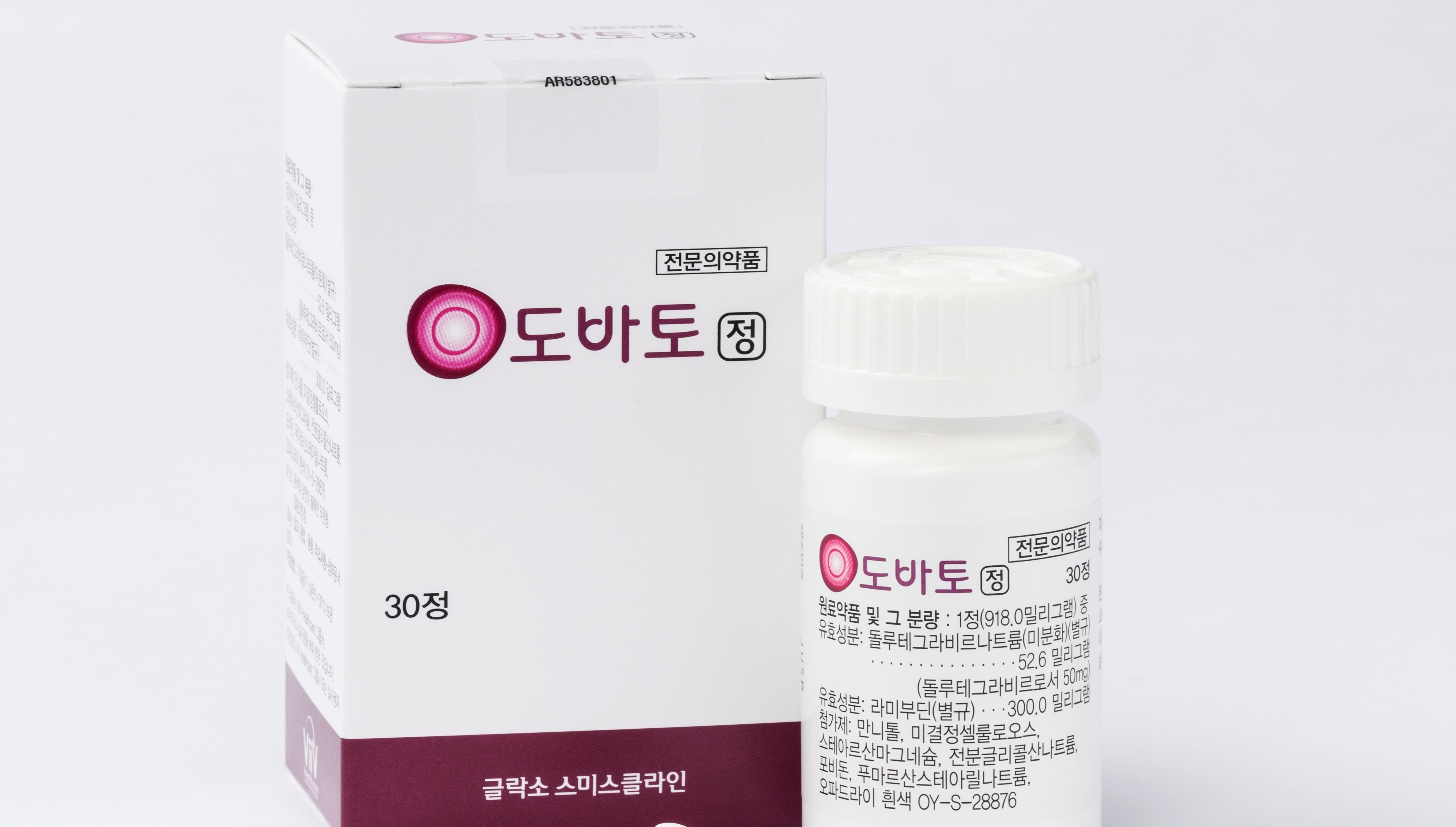
- The paradigm of HIV treatment is expanding beyond simple viral suppression toward a “lifecycle management” strategy that considers the entire lifespan of people living with HIV.Within the current HIV treatment landscape, a variety of options have emerged, ranging from oral dual-drug regimens that reduce the medication burden during the initial treatment phase to long-acting injectables that prioritize quality of life during long-term treatment. Consequently, treatment strategies are becoming increasingly multifaceted.HIV had long been perceived as a fatal infectious disease characterized by rapid disease progression and high mortality. However, with advances in antiretroviral therapy (ART), the life expectancy of people living with HIV has increased to approximately 78 years, reaching a level not significantly different from that of the general population.At the same time, the U=U (Undetectable = Untransmittable) concept—which states that the virus cannot be transmitted to others once the viral load in the blood becomes undetectable— has positioned HIV treatment as a core pillar of public health strategy, moving beyond individual care.Accordingly, HIV treatment is shifting from a question of survival to ‘how to manage the disease for a long time and in good health.’ In actual clinical practice, the number of patients newly diagnosed in their 20s and 30s is increasing, alongside those in their 60s and 70s who have been on treatment for decades, underscoring the growing importance of long-term treatment management strategies.Amid these changes, there is an emphasis on an approach that considers the entire treatment journey, from the initial treatment phase through long-term management. Among the leading treatment options are GSK’s oral two-drug regimen ‘Dovato (dolutegravir and lamivudine)’ and the combination therapy of the long-acting injectable combination therapy ‘Vocabria (cabotegravir) + Rekambys (rilpivirine).’Two-drug regimen ‘Dovato’ emerges as an initial treatment strategy…effective viral suppression with minimal drug burdenHIV treatment drug ’Dovato.’More than half (approximately 66.7%) of newly diagnosed HIV infections in Korea are diagnosed in people in their 20s and 30s. Since lifelong treatment is required from the time of diagnosis, the importance of strategies to minimize the medication burden during the initial treatment stage is increasing.Dovato, a two-drug oral regimen, is characterized by its ability to reduce drug exposure while demonstrating viral suppression efficacy non-inferior to existing three-drug regimens.In the GEMINI I and II studies, Dovato demonstrated non-inferiority in viral suppression compared with the dolutegravir (DTG) + tenofovir disoproxil fumarate/emtricitabine (TDF/FTC)-based three-drug regimen, and the TANGO study reported positive results regarding bone and renal biomarkers and lipid changes compared to TAF-based therapy. The risk of weight gain was also found to be relatively lower.Thermore, the PASO-DOBLE study, which directly compared the regimen to the existing three-drug regimen of bictegravir (BIC), FTC, and TAF, confirmed non-inferiority in viral suppression rates at week 48, and reported relatively lower risks of weight gain and metabolic side effects.The DOLCE study, conducted in a high-risk group of treatment-naïve HIV-infected individuals with low CD4 counts and high viral loads, and the ATTEND study, which focused on late-diagnosed individuals, also confirmed similar viral suppression effects compared to triple therapy.Based on these study results, guidelines from the Spanish AIDS Research Group GeSIDA (Grupo de Estudio de SIDA), as well as those in Norway, Sweden, and other countries, recommend Dovato as an initial treatment option regardless of baseline viral load.Every 2 month injectable better utilized for HIV in the long term…offers greater utilization in long-term treatment stagesHIV treatment drugs ‘Vocabria’ and ‘Rekambys’As HIV treatment enters the long-term management phase, the focus of treatment has naturally shifted toward quality-of-life management.Amid this trend, the long-acting injectable combination therapy ‘Vocabria + Rekambys,’ administered once every two months, is also establishing itself as a major treatment option.In the Phase III SOLAR study, the therapy demonstrated non-inferiority in both virologic failure rates and viral suppression rates compared with the standard three-drug oral regimen (BIC/FTC/TAF).Treatment satisfaction was also high. The study found that approximately 90% of patients who switched to the long-acting injectable regimen preferred it over the existing oral regimen, citing the following main reasons: ▲ the absence of the need to take medication daily, ▲ treatment convenience, and ▲ reduced psychological burden from being repeatedly reminded of their HIV status through daily medication.The U.S. Department of Health and Human Services (DHHS) guidelines also state that switching to long-acting injectable therapies can improve treatment convenience and reduce medication-related fatigue and the burden of social stigma.In the CARES study, which reflects real-world clinical practice, the virologic success rate of the long-acting injectable therapy reached 96.9%, showing similar efficacy to the oral medication group. Treatment adherence was also found to be high, with 96% of scheduled doses administered within ±7 days.Based on these study results, the 2025 European AIDS Clinical Society (EACS) removed HIV Subtype A1, which had previously been identified as a risk factor for virologic failure and resistance in certain ethnic groups when switching to the Vocabria + Rekambys combination therapy.Currently, the Vocabria + Rekambys combination therapy is the only long-acting HIV injectable treatment available in Korea. It is being used as a switch therapy option to improve treatment convenience and quality of life in adult patients whose viral load has been stably suppressed through existing treatments.This treatment has reportedly accumulated more than 1,000 treatment cases within about one year since its launch in Korea last April.

- Company
- Government sticks to low-40% pricing for generic drugs
- by Kim, Jin-Gu Mar 13, 2026 09:06am
- The government has reportedly decided to maintain its plan to apply a generic drug pricing ratio in the “low to mid-40% range” compared to original drugs. This position remains significantly different from the compromise proposal of about 48% suggested by the pharmaceutical industry, which had already represented a 10% reduction from the current level. Criticism is expected that the government is not demonstrating sufficient willingness to communicate with the pharmaceutical industry regarding drug pricing policy, despite industry objections.According to industry sources on the 11th, the MOHW held a subcommittee meeting of the Health Insurance Policy Deliberation Committee that day to discuss the drug pricing system reform plan. In the closed-door meeting, the MOHW reportedly presented a generic drug pricing calculation rate in the low to mid-40% range.This level is largely consistent with the direction the government presented during last month's HIPDC discussions. Last November, the MOHW reported a drug pricing system reform plan to the HIPDC. This plan included lowering the drug pricing ratio for generics and off-patent drugs from 53.55% to the 40% range.At that time, the ministry indicated that the new generic pricing calculation standard would likely be set between 40% and below 45%. When presenting the reform proposal, the ministry also outlined a schedule for adjusting the prices of already listed drugs. It stated that products currently priced at 45-50% would begin price adjustments in 2027, with reductions to the 40% range by 2029.This still shows a considerable gap from the 48% compromise level proposed by the pharmaceutical industry. The pharmaceutical industry has presented its bottom line for an acceptable calculation rate, signaling its willingness to negotiate with the government.On the 10th, the Emergency Response Committee for Drug Pricing Reform for Pharmaceutical Industry Development held a press conference and proposed joint research with the government, including analysis of price reduction impacts.At the press conference held by the ‘Emergency Response Committee for Drug Pricing Reform for Pharmaceutical Industry Development’ at the Korea Pharmaceutical and Bio-Pharma Manufacturers Association on the 10th, the committee proposed that “considering the profitability of listed pharmaceutical companies and industry conditions, the acceptable price for generic drugs would be about 48.2% of the original drug price.”The specific pricing ratio is expected to be confirmed at the full committee meeting scheduled for the 26th. However, the key question is whether there will be a re-discussion process before the agenda is submitted to the full committee meeting.In this regard, concerns have been raised in the National Assembly that the drug pricing reform plan is being pushed forward without sufficient discussion.Representative Sunmin Kim of the Rebuilding Korea Party pointed out during the National Assembly Health and Welfare Committee plenary meeting on the 10th that the Ministry of Health and Welfare had attempted to ‘pass NA’ by proceeding with the HIPDC subcommittee and plenary meeting schedules in March without including the drug pricing reform plan in its annual report to the National Assembly.Representative Joo-min Park of the Democratic Party of Korea, who chairs the Health and Welfare Committee, agreed that a separate briefing on the reform plan is necessary. He told Health and Welfare Minister Eun-Kyoung Jeong, “Since this is an extremely important matter, it would be appropriate to provide an additional report at the plenary session after discussions on the reform plan are completed.”As a result, the ministry is increasingly likely to provide a separate briefing on the direction of the drug pricing reform plan to the National Assembly before the HIPDC plenary vote.Currently, the MOHW plans to vote on the drug pricing system reform plan at the HIPDC plenary meeting on the 26th. This plan includes lowering the pricing ratio for already-listed generic drugs from the current 53.55% to the 40% range.The generic pricing ratio is the key issue in the current drug pricing reform debate. Currently, domestic generic drug prices are set at 53.55% of the original drug price. The government is pushing to reduce this ratio to the 40% range.In response, the pharmaceutical industry has raised concerns that an excessive price reduction could lead to deteriorating corporate profitability, reduced investment in research and development, and employment instability. As an alternative, the industry proposed a moderated reduction with a pricing ratio of around 48%.
- Company
- New RSV prophylaxis is entering KOR…expanded infant protection
- by Son, Hyung Min Mar 13, 2026 09:06am
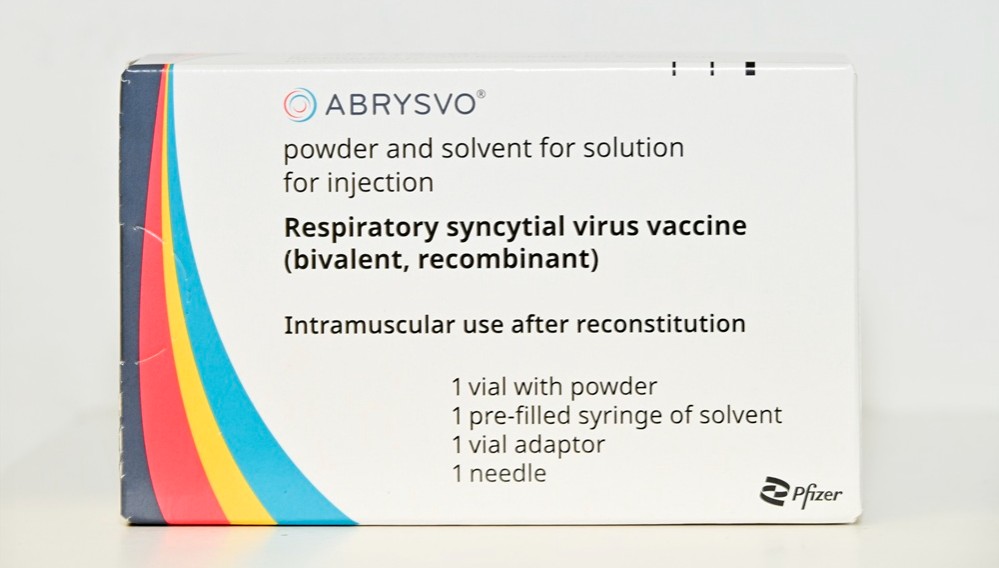
- The prevention strategy for infant respiratory syncytial virus (RSV) is expected to expand rapidly in South Korea.As global pharmaceutical companies are proceeding with regulatory approval processes for maternal vaccines and new antibody injectables, a new competitive landscape is beginning to take shape. RSV vaccine 'Abrysvo'According to industry sources on the 13th, Pfizer Korea has summitted application for the approval of 'Abrysvo,' its RSV vaccine. Approval is anticipated within the first half of this year.Abrysvo is a vaccine that targets the F protein, a major surface protein of RSV. It is specifically designed based on the pre-fusion (pre-F) form of the F protein, which the virus uses to penetrate cells.The pre-F protein is known to be the most effective antigen for inducing neutralizing antibodies, as it represents the viral structure just before cell binding and entry. Abrysvo induces an immune response using a protein that stabilizes this specific structure.Designed as a bivalent vaccine targeting both major RSV subtypes (A and B), Abrysvo uses a maternal immunization strategy. In this approach, antibodies generated by the mother following vaccination are transferred through the placenta to protect the infant after birth.RSV is a leading respiratory virus causing pneumonia and bronchiolitis. While it can infect individuals of all ages, infection rates are particularly high in infants. Globally, approximately 90% of children are infected with RSV before age two. For some, it progresses to severe lower respiratory tract disease, making it a primary cause of infant hospitalizations.Clinical evidence for Abrysvo was secured through the Phase 3 MATISSE study. The results showed that maternal vaccination during late pregnancy significantly reduced the risk of severe RSV-related lower respiratory tract disease in infants within six months of birth.Regarding safety, commonly reported adverse reactions included injection site pain, headache, myalgia, and nausea.Abrysvo is established as a preventive option in major overseas markets. In the U.S., it was approved in 2023 for the prevention of RSV-LRTD in infants via maternal vaccination (32–36 weeks) and for adults aged 60 and older. Last year, the indication was expanded to include adults aged 18 and older.Upcoming competition in RSV prevention strategy for children: Vaccines vs. Antibody InjectionsAntibody therapy, 'Enflonsia (clersrovimab),' for RSV prevention MSD has also entered the infant RSV prevention market.MSD Korea recently submitted an approval application to the Ministry of Food and Drug Safety (MFDS) for 'Enflonsia (clersrovimab),' an RSV preventive antibody injection for neonates and infants. The company anticipates approval by the second half of this year.Unlike vaccines, antibody injections deliver antibodies directly into the body, providing immediate protective effects following administration.Enflonsia is a long-acting monoclonal antibody targeting the F protein. It is designed to maintain preventive efficacy for approximately five months with a single dose, covering the typical RSV season from autumn to the following spring.Notably, Enflonsia was developed as a fixed-dose (105mg) treatment regardless of body weight, which is evaluated as a feature that increases convenience for pediatric prevention programs.In the Phase 2b/3 CLEVER study, a single administration of Enflonsia reduced the incidence of RSV-related LRTD by 60.5% and the risk of RSV-related hospitalization by 84.3%.Furthermore, the Phase 3 SMART study involving high-risk infants confirmed its preventive efficacy and a safety profile similar to 'Synagis (palivizumab),' the existing RSV preventive antibody.Antibody therapy 'Beyfortus' for RSV preventionIf Abrysvo and Enflonsia are approved, they are expected to compete with other long-acting RSV preventive antibodies.Currently, 'Beyfortus (nirsevimab),' an RSV preventive antibody developed by Sanofi, has already entered the infant market.Beyfortus is launching in Korea this year and is garnering attention as a major infant RSV prevention option.Previously, AstraZeneca's Synagis was used for RSV prevention, but its short half-life necessitated multiple doses during the RSV season. In contrast, Beyfortus is a long-acting antibody with an extended half-life, allowing for full-season protection with a single administration.Recent international studies have also compared the effectiveness of these different prevention strategies. A large-scale population-based study in France comparing maternal vaccines and infant antibody strategies found that the Beyfortus group had a lower risk of RSV-related hospitalization.Additionally, a surveillance study conducted in the U.S. showed that Beyfortus was 81% effective in preventing RSV-related hospitalizations, with efficacy maintained for approximately 4 to 7 months. Researchers found that while both strategies reduce RSV-related hospitalizations, antibody-based prophylaxis provided greater protection against severe disease.

- Company
- Leclaza launches in Germany, accelerates Europe entry
- by Cha, Ji-Hyun Mar 13, 2026 09:06am
- Photo of Yuhan Corp’s Leclaza (source: Yuhan Corp)Leclaza, a lung cancer drug developed by Yuhan Corporation, has successfully entered the health insurance reimbursement system in Germany, the largest pharmaceutical market in Europe. This listing is expected to accelerate Leclaza’s entry into other European countries.According to the biotech industry on the 12th, Germany’s Federal Joint Committee (G-BA), responsible for evaluating health insurance reimbursement in Germany, assigned billing codes 761990MO and 761990MP to Leclaza 80 mg and 240 mg, respectively, starting this month. Billing codes are assigned after drug price negotiations are finalized, enabling hospitals to bill health insurance for the medication after prescribing it.Leclaza is a third-generation treatment for non-small cell lung cancer (NSCLC) targeting epidermal growth factor receptor (EGFR) mutations. It received approval in Korea in January 2021 as the country's 31st domestically developed new drug. The combination therapy of Leclaza and Rybrevant received approval from the U.S. Food and Drug Administration (FDA) in August 2024 as a first-line treatment for adult patients with locally advanced or metastatic non-small cell lung cancer (NSCLC) with confirmed EGFR exon 19 deletion or exon 21 L858R substitution mutation.Later, at the end of 2024, the European Commission (EC) also approved the Lecelaza and Johnson and Johnson’s Rybrevant combination therapy as a first-line treatment for EGFR-mutated NSCLC. Subsequently, in July of last year, the G-BA determined that the combination therapy had sufficient clinical value to qualify for health insurance reimbursement.Under Germany’s Social Code Book V (SGB V), new drugs can enter the market immediately after receiving marketing authorization. Within approximately 6 months, the G-BA evaluates the drug’s clinical benefit, after which price negotiations with health insurers begin. Negotiations typically conclude within another 6 months, after which hospital billing codes are assigned.The G-BA ultimately determined that the combination therapy of Leclaza and Rybrevant positively impacts survival rates for lung cancer patients. It particularly noted a relatively pronounced survival benefit in the patient group aged 65 and under. The G-BA estimated the annual number of patients expected to receive treatment in Germany to be between 1,250 and 3,025.Germany is widely regarded as one of the most stringent countries in Europe in terms of drug pricing decisions. However, Lazertinib entered the reimbursement system relatively smoothly, being recognized for its clinical value. Once prescriptions gain traction in the German market, it is expected to positively influence drug pricing negotiations and insurance listings in other European countries as well.Once sales expand in major European countries, Yuhan Corporation is expected to receive additional licensing fees. Yuhan has not yet received the USD 30 million milestone payment for Leclaza’s approval in Europe. In addition, if sales grow in the European market, the company will receive royalties based on a certain percentage of sales according to the licensing agreement.Yuhan Corporation's total licensing revenue over the 7 years from 2019 to last year amounted to KRW 460 billion. Of this amount, cumulative licensing revenue from Lazertinib technology transfer alone has reached approximately USD 275 million, including upfront payments and development and regulatory milestones.Yuhan Corporation received a non-refundable upfront payment of USD 50 million when it licensed Leclaza to Janssen Biotech, a Johnson & Johnson subsidiary, in November 2018. Subsequently, a USD 35 million milestone was paid in 2020 when the clinical trial for the combination therapy of Rybrevant and Leclaza began. The company received an additional USD 65 million the same year when patient enrollment for the clinical trial began.The company continued to generate milestone revenues thereafter based on progress in development and regulatory approvals. A USD 60 million milestone was triggered by the 2024 U.S. Food and Drug Administration (FDA) approval. Last year, the company received additional milestone payments of USD 15 million for Japanese approval and USD 45 million for Chinese approval.
- Company
- Polivy makes 3rd bid for reimbursement…DREC review imminent
- by Eo, Yun-Ho Mar 13, 2026 09:06am
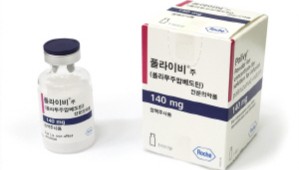
- Attention is focused on whether Polivy, the first new first-line treatment for diffuse large B-cell lymphoma (DLBCL) in 20 years, will succeed on its third attempt to obtain reimbursement listing in Korea.According to industry sources, Roche Korea's Polivy (polatuzumab vedotin), a treatment for relapsed or refractory diffuse large B-cell lymphoma (DLBCL), is expected to be submitted to the Health Insurance Review and Assessement Service's Drug Reimbursement Evaluation Committee next month (April).It remains to be seen whether progress can be made approximately 8 months after passing the Cancer Disease Deliberation Committee last July.Originally, Polivy sought reimbursement in 2021 for its first approved indication as a third-line therapy, in combination with the BR regimen (bendamustine + rituximab), but the application failed to pass CDDC review at that time.Later, in the first half of 2023, Roche submitted a reimbursement application for first-line therapy using Polivy in combination with R-CHOP therapy (rituximab, cyclophosphamide, doxorubicin, and prednisone). However, this application also failed to pass the Cancer Disease Deliberation Committee in February 2024.Expectations are high for Polivy's latest reimbursement attempt. Roche has submitted additional follow-up analysis results with a 60.9-month follow-up period from the POLARIX study, which evaluated the effectiveness of Polivy in combination with Pola-R-CHP as a first-line treatment for DLBCL.The study, presented at the American Society of Hematology (ASH 2024) annual meeting, has been regarded as the first clinical trial in 20 years to expand the standard first-line treatment for DLBCL. Key results show patients receiving Polivy combination therapy demonstrated a clear improvement in overall survival (OS) compared with those treated with the existing standard therapy, R-CHOP.The lymphoma-related mortality rate was 9.0% in the Polivy combination therapy group and 11.4% in the R-CHOP control group. At approximately 5 years after treatment initiation, the mortality risk in the Polivy combination therapy group decreased by 15%, an improvement over the previous 3-year follow-up result (6% risk reduction).In addition, patients receiving the Polivy combination therapy (38.7%) required follow-up treatments (radiation therapy, systemic chemotherapy, or CAR-T cell therapy) about 25% less frequently than those in the R-CHOP control group (61.7%).Meanwhile, diffuse large B-cell lymphoma (DLBCL) is an aggressive type of blood cancer and the most common form of non-Hodgkin lymphoma. In South Korea, the number of new patients diagnosed with DLBCL is estimated to reach 5,000 each year.Accounting for the highest proportion of non-Hodgkin lymphomas, diffuse large B-cell lymphoma is an aggressive lymphoma requiring immediate treatment due to its rapid progression. Although more than half of patients respond well to treatment and achieve remission, 30–40% of patients either fail to respond to the standard therapy R-CHOP or experience relapse after first-line treatment.Despite the fact that most patients experience relapse within two years and that survival is only about six months upon relapse, making it a highly lethal disease, relapsed/refractory diffuse large B-cell lymphoma remains an area with limited effective treatment options.
- Company
- Quadrivalent meningococcal vaccine 'MenQuadfi' prescribed at gen hospitals
- by Eo, Yun-Ho Mar 12, 2026 08:35am
- Sanofi Korea's MenQuadfiThe quadrivalent meningococcal vaccine 'MenQuadfi' is now available by prescription at major general hospitals.According to industry sources, Sanofi Korea's MenQuadfi (Meningococcal Polysaccharide Tetanus Toxoid Conjugate Vaccine), indicated for the prevention of invasive meningococcal disease (serogroups A, C, Y, and W), has passed the Drug Committees (DC) of 23 medical institutions nationwide. These include tertiary general hospitals such as Seoul National University Hospital and Asan Medical Center, as well as medical institutions, including Kyung Hee University Hospital at Gangdong, Konkuk University Medical Center, National Medical Center, and Soonchunhyang University Hospital.MenQuadfi was approved in Korea last April, and this drug is given as a single-dose administration in individuals aged 6 weeks to 55 years.Notably, MenQuadfi is the only vaccine in Korea approved with proven efficacy against meningococcal serogroup A in infants aged 6 weeks to less than 24 months. A key feature of the product is its ready-to-use liquid formulation, which eliminates the need for reconstitution or mixing, thereby enhancing convenience for healthcare providers. The immunization schedule consists of four doses for infants aged 6 weeks to less than 6 months, two doses for those aged 6 months to less than 24 months, and a single dose for individuals aged 2 to 55 years.Meningococcal disease has been pointed out as a significant global public health concern. Classified as a Group 2 legal infectious disease with a fatality rate of approximately 10–14%, it affects 500,000 people worldwide annually.Primary symptoms include headache, fever, neck stiffness, vomiting, and altered consciousness, often accompanied by petechiae or purpura fulminans. The importance of prevention is signified by the fact that 11–19% of survivors suffer from long-term sequelae, including hearing loss, cognitive impairment, and neurological disorders.Since meningococcal disease is transmitted via respiratory droplets or direct contact, vaccination is highly recommended for individuals entering communal living environments. Typical candidates include military recruits and first-year college students who plan to live in dormitories.Furthermore, vaccination is advised for travelers or residents in high-incidence areas such as the African meningitis areas, as well as pilgrims traveling to Mecca, Saudi Arabia. Other recommended groups include individuals with immune system disorders, such as complement deficiencies, and those with anatomical or functional asplenia.Meanwhile, in clinical trials, MenQuadfi demonstrated non-inferiority across all four serogroups compared to existing quadrivalent meningococcal vaccines. Specifically, in the 10–55 age group, the seroprotection rates for MenQuadfi were 94.7% in Group A, 95.7% in Group C, 96.2% in Group W, and 98.8% in Group Y.Additionally, studies in children aged 2–9 years confirmed non-inferiority to existing quadrivalent vaccines, with seroprotection rates ranging from 86% to 99%. The vaccine also demonstrated stable immunogenicity when co-administered with other pediatric vaccines.
- Company
- SK Biopharmaceuticals' Chinese joint venture pushes for listing
- by Cha, Ji-Hyun Mar 11, 2026 08:28am
- SK Biopharmaceuticals’ Chinese joint venture appears to be accelerating preparations for an initial public offering (IPO). This follows SK Biopharmaceuticals’ board approval late last year for pre-IPO investment in the joint venture and changes to the clinical development contract for an improved drug candidate in China. Observers note that SK Biopharm can simultaneously expect the benefits of expanding its China business and increasing its stake value through the joint venture's listing.According to industry sources on the 10th, SK Biopharm's board of directors in November last year approved two agenda items: a crossover investment in its Chinese joint venture, Ignis, and amendments to the agreement for the clinical development in China of an improved new drug owned by Ignis. Both proposals passed with unanimous support from outside directors.Ignis serves as SK Biopharmaceuticals’ strategic outpost for the Chinese market. In 2021, SK Biopharmaceuticals established Ignis together with China-based global investment firm 6 Dimensions Capital (6D). At the time of its launch, Ignis raised USD 180 million in Series A funding, the largest Series A investment in China’s pharmaceutical industry that year. Investors included Ruentex Group, KB Investment, WTT Investment, Abu Dhabi sovereign wealth fund Mubadala Investment Company, HBM Healthcare Investments, and Goldman Sachs.At the time, SK Biopharmaceuticals transferred the China rights to 6 central nervous system (CNS) assets, including its self-developed epilepsy drug cenobamate and sleep disorder treatment solriamfetol, to Ignis and acquired equity worth USD 150 million in the venture. Under the contract, SK Biopharmaceuticals also secured revenue streams, including a USD 20 million non-refundable upfront payment, USD 15 million in milestone payments tied to development, approval, and sales stages, as well as sales royalties. As of the end of September last year, SK Biopharm held 41% of Ignis shares, making it the largest shareholder.Industry observers view the latest board approval as a signal linked to Ignis’s IPO plans. Crossover investments are typically a funding method used by unlisted companies preparing for IPOs to attract institutional investors. Considering Ignis is pursuing a listing, this crossover investment decision is interpreted as a move to enhance its corporate value and establish an investment foundation before the IPO. Ignis is known to have formed an advisory team and proceeded with IPO preparations around the first half of last year to pursue a listing on the Hong Kong Stock Exchange (HKEX).At the same time, the revision of the clinical development agreement for the improved drug is seen as a measure to accelerate clinical trials in China and secure a more efficient commercialization pathway. China’s regulatory system, particularly regarding clinical trial sponsors and approval procedures, is heavily localized, requiring development structures tailored to local requirements. Analysts say the flexible adjustment of the contract structure reflects an effort to expedite clinical development and regulatory approval in line with the local regulatory environment.Ignis Pipeline Overview (Source: Ignis)Market expectations place the potential Ignis IPO around the first half of this year. If Ignis successfully lists on the Hong Kong exchange as planned, its growth trajectory is expected to accelerate. The influx of IPO capital could strengthen short-term funding for the China launch of cenobamate and solriamfetol, while in the longer term supporting development of additional CNS assets transferred from SK Biopharm as well as Ignis’s own pipeline.Ignis secured favorable conditions for entering the Greater China market after receiving new drug application (NDA) approvals from China’s National Medical Products Administration (NMPA) in December last year for both cenobamate and solriamfetol. With over 11 million epilepsy patients in China, the market is estimated to be worth USD 1.1 billion as of 2024. The number of patients with obstructive sleep apnea is estimated to exceed 170 million. With the two approvals, Ignis aims to expand access to treatments for CNS disorders in Greater China and provide new therapeutic options for local patients.Ignis has also applied for authorized generics for cenobamate and solriamfetol as part of a strategy to secure early market share. Authorized generics are identical versions of the original drug marketed with the permission of the original drug’s company. T This strategy allows companies to respond to competing generics after patent expiration while simultaneously targeting the price-sensitive segments of the market.In addition to licensed assets, Ignis is advancing its own drug development programs. The company recently completed dosing of the first patient in a Phase I clinical trial of ‘IGS01’, its internally developed candidate for levodopa-induced dyskinesia (LID) in Parkinson’s disease. IGS01 is a small-molecule drug candidate belonging to the positive allosteric modulator (PAM) class targeting the M4 muscarinic receptor, which regulates brain neurotransmission. This development signifies Ignis's evolution beyond merely commercializing acquired assets into a CNS biotech company with its own pipeline and R&D capabilities.The benefits SK Biopharmaceuticals stands to gain from Ignis's growth are clear. As Ignis's largest shareholder, SK Biopharmaceuticals is expected to see the value of its stake rise to hundreds of billions of won. Furthermore, by securing the massive Chinese market, it can diversify its portfolio, moving beyond its current business structure that is heavily dependent on the United States, which accounts for more than 90% of its revenue.An SK Biopharmaceuticals official stated, “We understand that Ignis is preparing for a listing on the Hong Kong stock exchange, but the specific timeline is confidential and difficult to confirm.”
- Company
- 'Datroway' launches in Korea…breast cancer ADC
- by Son, Hyung Min Mar 11, 2026 08:28am
- A Trop-2-directed antibody-drug conjugate (ADC), Datroway, obtained domestic approval, introducing a new treatment option to breast cancer. Based on clinical results, which show improved progression-free survival (PFS) compared with existing cytotoxic anticancer drugs. Attention is drawn to the possibility of expansion of the TROP2 ADC-based treatment strategy to triple-negative breast cancer (TNBC) beyond HR+/HER2- breast cancer.ADC anticancer drug 'Datroway'According to industry sources on the 11th, the Ministry of Food and Drug Safety (MFDS) approved Datroway (datopotamab deruxtecan), developed by AstraZeneca and Daiichi Sankyo, as a breast cancer treatment.The specific indication is hormone receptor (HR)-positive, human epidermal growth factor receptor 2 (HER2)-negative breast cancer.AstraZeneca paid $1 billion (approx. KRW 1 trillion) in upfront fees alone to secure the development rights for Datroway from Daiichi Sankyo in 2020. The total contract value, including development and commercialization milestones, amounts to $6 billion (approx. KRW 7 trillion).Datroway's target TROP2 is rapidly emerging as a core target in global ADC development.The TROP2 protein is known to be overexpressed in various cancer types, including breast cancer and non-small cell lung cancer (NSCLC). Datroway's mechanism of action involves binding to this protein and delivering cytotoxic drugs directly inside cancer cells to induce apoptosis. It is designed to maintain the efficacy of conventional cytotoxic chemotherapy while reducing damage to healthy cells.The basis for this approval is the Phase 3 TROPION-Breast01 study. This study was conducted on 732 patients with unresectable or metastatic HR-positive, HER2-negative breast cancer.Patients were randomized 1:1 into the Datroway group (365 patients) and the physician's choice of chemotherapy (TPC) group (367 patients).Datroway was administered intravenously at a dose of 6 mg/kg every three weeks, while the control group received an investigator's choice of chemotherapy among eribulin, capecitabine, vinorelbine, or gemcitabine.Primary endpoints included progression-free survival (PFS) and overall survival (OS) as assessed by Blinded Independent Central Review (BICR) according to RECIST 1.1 criteria. Objective response rate (ORR), duration of response (DOR), and disease control rate (DCR) were set as key secondary endpoints.The median PFS in the Datroway group was 6.9 months. This was an improvement over the 4.9 months in the chemotherapy group, reducing the risk of disease progression or death by 37%.The ORR was 36.4% in the Datroway group and 22.9% in the chemotherapy group, while the median DOR was 6.7 months and 5.7 months, respectively.Median OS was 18.6 months in the Datroway group and 18.3 months in the chemotherapy group, with no statistically significant difference at the time of analysis.In terms of safety, the most commonly reported adverse events were stomatitis, nausea, fatigue, alopecia, constipation, vomiting, and dry eye.Serious adverse events occurred in 3.1% of patients treated with Datroway. Major serious AEs included interstitial lung disease (ILD, 1.1%), vomiting (0.6%), diarrhea (0.6%), and anemia (0.6%). Fatal outcomes occurred in 0.3% of patients, with ILD cited as the cause.Potential as a first-Line treatment for triple-negative breast cancer (TNBC)TROP2-targeted ADCs are creating a new competitive landscape in breast cancer treatment. Currently, the first drug of this mechanism to be commercialized is Gilead's 'Trodelvy' (sacituzumab govitecan). Trodelvy has been approved for the treatment of TNBC in the U.S., Europe, and South Korea.Datroway has entered the market, pursuing indication expansions focused on breast cancer and non-small cell lung cancer.Both treatments show promise as first-line treatments for TNBC.In previously untreated metastatic TNBC, primary treatment options have been limited, except for the immune checkpoint inhibitor 'Keytruda' (pembrolizumab). Analysis suggests that, for PD-L1-negative patients who lack other options besides chemotherapy, the role of TROP2-targeted ADCs is likely to expand.In the Phase 3 TROPION-Breast02 study, Datroway significantly improved both PFS and OS compared with conventional chemotherapy in the first-line treatment of metastatic TNBC, where immunotherapy is difficult.The study results showed a PFS of 10.8 months for the Datroway group and 5.6 months for the chemotherapy group, nearly a twofold difference. OS was 23.7 months and 18.7 months, respectively, and both metrics were statistically significant.ADC anticancer drug 'Trodelvy'Trodelvy also demonstrated efficacy. The Phase 3 study, named ASCENT-03, compared Trodelvy with chemotherapy.In the study, Trodelvy had a median PFS of 9.7 months, compared with 6.9 months for chemotherapy. It was also shown to reduce the risk of disease progression or death by 38%.While OS was not yet mature at the time of the primary analysis, a trend of a continuously widening gap in PFS2 between the treatment and control groups has been confirmed, raising the possibility of future OS improvement.Gilead is also conducting the ASCENT-04 study to evaluate the efficacy of the Trodelvy + Keytruda combination. This combination has reportedly achieved PFS improvement compared to chemotherapy + Keytruda. Expects suggests that Trodelvy + Keytruda is highly likely to become the new standard of care for first-line TNBC treatment, regardless of PD-L1 expression levels.
- Company
- PAH drug Winrevair may be prescribed at general hospitals in Korea
- by Eo, Yun-Ho Mar 09, 2026 08:53am
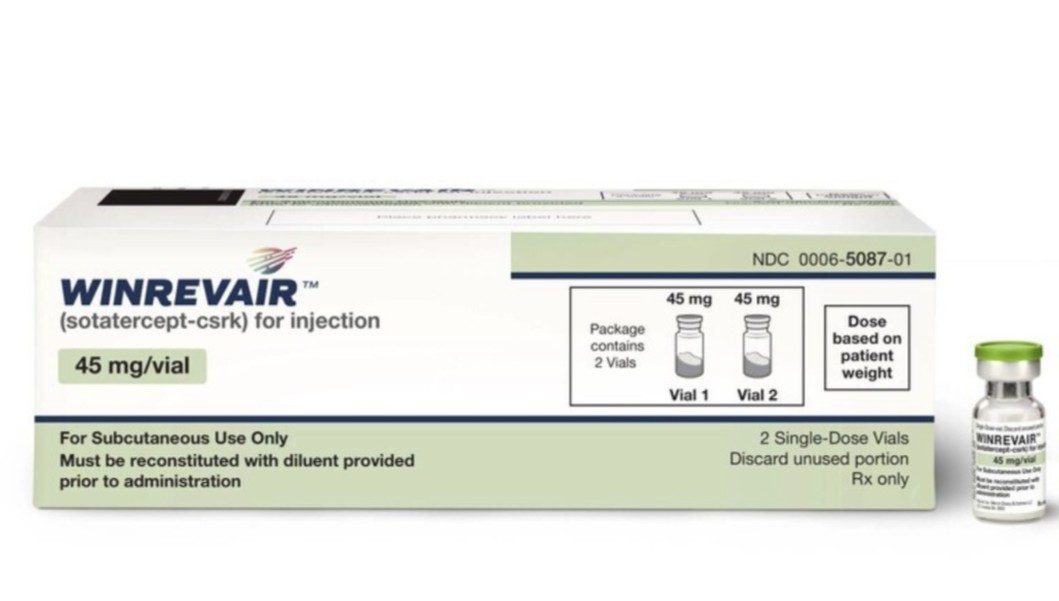
- The new pulmonary arterial hypertension (PAH) drug Winrevair is beginning to gain prescribing access at major hospitals in Korea.According to industry sources, MSD Korea’s activin signaling inhibitor (ASI) Winrevair (sotatercept has passed the drug committee (DC) reviews at leading tertiary hospitals, including Samsung Medical Center and Seoul National University Hospital.At the same time, MSD is currently conducting landing procedures at about 20 major medical institutions nationwide.Winrevair is a first-in-class innovative drug with a new mechanism of action, emerging 20 years after sildenafil, which targets the NO–sGC–cGMP pathway, was introduced in 2005. The drug is currently selected for the second phase of Korea’s ‘Approval-Evaluation-Negotiation Concurrent Pilot Program’ and is undergoing reimbursement procedures, but no significant progress has been made so far.Pulmonary arterial hypertension is a particularly challenging area for new drug development. Unlike existing treatments focused on dilating blood vessels, Winrevair improves vascular remodeling, the fundamental cause of the disease.Consequently, no comparable therapeutic alternative is available. If Winrevair is evaluated within the existing economic assessment framework, it would be compared to treatments developed two decades ago. This situation naturally delays the listing process. This challenge is not unique to Winrevair but is one commonly faced by drugs included in the parallel pilot program. Nearly 200 days have already passed since Winrevair received approval from Korea’s Ministry of Food and Drug Safety.Therefore, attention is now focused on whether Winrevair will successfully complete the reimbursement listing process and ultimately establish itself as a treatment option for patients.Winrevair received regulatory approval based on the STELLAR clinical trial. This study evaluated the efficacy and safety of Winrevair in 323 adult patients with pulmonary arterial hypertension (PAH) classified as WHO functional class (WHO-FC) II or III. During the 24-week study period, patients received Winrevair or a placebo in combination with their existing therapy once every three weeks.Results showed that Winrevair increased the 6-minute walk distance by 40.8 meters (Hodges–Lehmann estimate) compared with placebo at Week 24. It also reduced the risk of clinical worsening or death by 84%.In addition, significant improvements were observed across 8 secondary endpoints, including WHO-FC, pulmonary vascular resistance (PVR), and the heart failure biomarker NT-proBNP, compared with placebo.Wook Jin Jeong, President of the Korean Society of Pulmonary Hypertension (Professor of Cardiology at Gachon University Gil Medical Center), said, “Winrevair is a treatment with a new mechanism of action that restores abnormal pulmonary vascular structure toward normal. Based on the latest evidence, updated global clinical guidelines now present it as an option for combination therapy in the early phases of treatment. This approval broadens the treatment options available to pulmonary arterial hypertension patients in Korea.”
