
- LOGIN
- MemberShip
- 2026-04-30 03:56:03

- Company
- Emergence of a next-generation lung cancer targeted drug?
- by Son, Hyung Min Mar 12, 2025 05:57am
- Clinical trials on 4th generation non-small-cell lung cancer targeted therapies by domestic and international pharmaceutical and biopharmaceutical companies are progressing smoothly. J INTS BIO, Voronoi, Therapex, and BridgeBio are continuing their development making clinical success. Among global pharmaceutical companies, Blue Diamond has entered Phase II clinical trials, and it has been confirmed that Boehringer Ingelheim has shown efficacy with its candidate in preclinical trials. Korean companies make research results studying next generation lung cancer targeted therapies According to industry sources on the 12th, J INTS BIO recently announced the results of a Phase I, high-dose clinical trial of JIN-A02, which is being developed as a treatment for epidermal growth factor receptor (EGFR) positive non-small-cell lung cancer (NSCLC). JIN-A02, a fourth-generation EGFR tyrosine kinase inhibitor (TKI), has a mechanism of action that selectively binds to the C797S mutation that causes resistance to third-generation treatments for non-small cell lung cancer. In clinical trials, high doses (300 mg) of JIN-A02 did not cause any serious adverse reactions or dose-limiting toxicity. To date, JIN-A02 has shown partial response (PR) in 1 patient and stable disease (SD) in 3 patients in clinical trials. J INTS BIO explained that this is the first case of a PR in a patient with the C797S mutation among the fourth-generation EGFR-TKI treatments currently being developed in Korea and abroad. Currently, the first-generation EGFR-positive lung cancer drugs on the market include AstraZeneca's Iressa (gefitinib) and Roche's Tarceva (erlotinib), the second-generation drugs include Boehringer Ingelheim's Giotrif and Pfizer's Vizimpro (dacomitinib), and third-generation drugs, Yuhan Corp’s Leclaza (lasertinib) and AstraZeneca's Tagrisso (osimertinib). However, resistance inevitably develops even with the use of effective targeted therapies. A typical mutation that occurs with EGFR-positive targeted therapies is C797S. In addition, patients lack treatment options to use after targeted therapies. Platinum-based chemotherapy, docetaxel, and immune checkpoint inhibitors are available for patients who develop resistance to targeted therapies. Still, there has been no significant improvement in their response rates with their subsequent use. To address the need, latecomers such as J INTS BIO, have set a goal of confirming the possibility of commercialization by targeting the C797S mutation that occurs after patients develop resistance to existing 1st- to 3rd-generation targeted therapies. Voronoi will present the early clinical results of VRN11 at the American Association for Cancer Research (AACR) Annual Meeting 2025, which will be held next month. According to Voronoi, VRN11 is effective not only against EGFR C797S acquired resistance mutations, but also against common mutations such as EGFR Del19 and L858R, and atypical mutations such as EGFR G719X, L861Q, and S768I. Voronoi recently changed the clinical protocol for VRN11. The company has received approval from the Ministry of Food and Drug Safety to change the clinical trial protocol expand the size of the Phase I clinical trial from 50 to 103 patients and significantly increase the dose escalation rate and target. BridgeBio is exploring the safety and efficacy of BBT-207, which is being developed as a 4th-generation EGFR-positive non-small cell lung cancer treatment, in a Phase I dose-escalation trial. At the recent meeting of the Safety Monitoring Committee, the efficacy and safety of the drug were evaluated by analyzing data from 6 patients enrolled in the fifth dose group of the BBT-207 Phase 1 clinical trial. In the above, BBT-207 did not cause any serious adverse drug reactions, and 3 cases of partial response (PR) and several stable disease (SD) cases were observed. Therapex recently announced the clinical design and interim results of the first cohort of ‘TRX-221,’ a 4th-generation EGFR-targeted anticancer drug for non-small cell lung cancer. TRX-221 is a 4th-generation EGFR tyrosine kinase inhibitor that selectively inhibits EGFR C797S as well as EGFR activating mutations and T790M mutations. Currently, Therapex is conducting a Phase Ia clinical trial on TRX-221 at 6 university hospitals in Korea, including Asan Medical Center, Severance Hospital, and Samsung Medical Center. The company has been administering the drug to patients in the second cohort since early September. Therapex plans to conduct global clinical trials, including in the United States, to expand patient recruitment during the dose development phase. Black Diamond makes the most progress in development... Boehringer also shows its candidate’s potential in preclinical trials Black Diamond Therapeutics has made the most progress in the global pharmaceutical industry. Black Diamond Therapeutics has observed the most PRs with its 4th generation EGFR TKI candidate in the Phase I/II trial. Black Diamond Therapeutics is developing BDTX-1535, which had been developed as a treatment for brain tumors, as a 4th generation lung cancer targeted therapy. According to the results of the Phase II clinical trial that have been disclosed so far, 8 out of 19 patients (42%) treated with the 200 mg dose of BDTX-1535 showed an objective response rate (ORR). Five of the responding patients showed a confirmed partial response (PR), one of whom converted from a PR to an unconfirmed complete response (CR) at the 8-month time point. The safety assessment showed that the 200 mg dose was well tolerated, consistent with previous clinical results. The majority of adverse events were mild or moderate, with rash (70%) and diarrhea (35%) being the most common adverse reactions. There were two cases of Grade 3 rashes, but no Grade 4 rash or Grade 3/4 diarrhea were observed. In particular, Black Diamond explained that its candidate showed promising therapeutic effects in patients who developed resistance after treatment with Tagrisso. Black Diamond plans to update the Phase II clinical trial data within the second quarter of this year. Boehringer Ingelheim is developing BI-4732 as a 4th generation-targeted therapy. It is currently in the preclinical stage. Domestic researchers, including Byoung Chul Cho, director of the Lung Cancer Center at Yonsei Cancer Center, are participating in this clinical trial. In clinical trials that have been disclosed so far, BI-4732 has recorded a cancer cell growth inhibition rate of up to 183% in animal models transplanted with cell lines derived from patients with the triple mutations of exon 19 deletion, T790M, and C797S. This was up to 2.6 times higher than that of Tagrisso. The development of 4th generation lung cancer-targeted therapies is also underway in China. Chinese companies Betta Pharmaceuticals and Chia Tai Tianqing are conducting Phase I clinical trials of BPI-361175 and TQB-3804, respectively.
- Company
- New ADC for breast cancer 'Trodelvy' at the final reimb step
- by Eo, Yun-Ho Mar 12, 2025 05:57am
- A new antibody-drug conjugate (ADC) for breast cancer, 'Trodelvy,' will enter the last stage toward being added to the insurance reimbursement list. The Ministry of Health and Welfare (MOHW) ordered the National Health Insurance Service (NHIS) to begin drug pricing negotiations for Gilead Sciences Korea's triple-negative breast cancer (TNBC) treatment Trodelvy (sacituzumab govitecan). Consequently, negotiations are expected to begin this month (March). Trodelvy has already been listed in about 30 countries worldwide. Since last year, Taiwan has offered health insurance coverage for Trodelvy, which has a national health system like South Korea. Many countries are focusing on quickly improving patient access to Trodelvy due to poor treatment availability for mTNBC and the clinical value of Trodelvy. TNBC is an aggressive form among breast cancer types that is more likely to recur and metastasize. Patients with TNBC who have progressed metastasis despite undergoing chemotherapy have a life expectancy of several months. However, chemotherapy has been used as the standard therapy for a long time because an effective method to target cancer cells has not been discovered. Trodelvy is the first Trop-2 targeted ADC and is the only treatment for mTNBC that is used as second-line treatment or above with a demonstrated survival extension effect compared to chemotherapy. Since its introduction, it has become the standard therapy globally. The current guidelines in the United States and Europe recommend Trodelvy as a priority treatment for patients with mTNBC who have a treatment history. According to the Phase 3 study, patients treated with Trodelvy had an overall survival of 11.8 months, which is close to a year, whereas patients undergoing chemotherapy had 6.9 months. Furthermore, Trodelvy has been shown to be effective in regulating symptoms and pains associated with cancer and improving overall well-being, thereby improving patients' quality of life. Trodelvy received the highest score of 5 on the ESMO-MCBS, a value-evaluation tool for anticancer medicines rated by the European Society for Medical Oncology (ESMO). Drugs with Score of 5 are indicated to not only extend patient survival but also be effective in improving quality of life. Trodelvy is the only drug to receive a Score of 5 among TNBC treatments. Meanwhile, the clinical effectiveness of Trodelvy was demonstrated through the Phase 3 ASCENT study. It has shown a 49% reduction in the risk of death and a 57% improvement in progression-free survival (PFS) in adult patients with unresectable locally advanced or mTNBC who have received two or more prior systemic therapies, including at least one for metastatic disease, compared to patients who received single-agent chemotherapy (TPC, Treatment of Physician’s Choice). These effects were observed regardless of the presence of brain metastasis.

- Company
- 12 Korean biosimilars globally approved in 3 months
- by Chon, Seung-Hyun Mar 12, 2025 05:56am
- Domestic pharma and biotech companies have achieved 12 biosimilar approvals in the U.S. and Europe this year. Celltrion and Samsung Bioepis have surpassed last year's record of 11 approvals in three months due to their rapid global expansion. Together, Celltrion and Samsung Bioepis have received over 20 biosimilar approvals in Europe and the United States. Celltrion received the U.S. Food and Drug Administration (FDA) approval for Xolair’s biosimilar Omlyclo on the. 10, according to industry sources. Xolair is an antibody biologic drug used to treat allergic asthma, chronic rhinosinusitis with nasal polyps, and chronic idiopathic urticaria. Xolair generated global sales of approximately KRW 6 trillion last year. Omlyclo is the first Xolair biosimilar to be approved in the U.S. and was also the first to be approved in other major global markets including the European Commission (EC), South Korea, the United Kingdom, and Canada. Celltrion has now received approval for a total of 4 biosimilars in the U.S. this year. In January, Celltrion received FDA approval for Avtozma, a biosimilar version of the autoimmune disease treatment Actemra. Actemra is indicated for rheumatoid arthritis (RA), giant cell arteritis (GCA), systemic juvenile idiopathic arthritis (sJIA), polyarticular juvenile idiopathic arthritis (pJIA), and COVID-19. On April 4, Celltrion received FDA approval for the biosimilars Stoboclo and Osenvelt, which are biosimilar versions of Prolia and Xgeva. Prolia and Xgeva are biologics developed by Amgen that differ in the dose and dosing schedule of denosumab. Prolia is approved for the treatment of osteoporosis and Xgeva is approved for the prevention of skeletal-related events in patients with bone metastases and the treatment of giant cell tumors of bone. Number of biosimilars approved by domestic pharmaceutical and biotechnology companies in Europe and the United States by year (Unit: number of items, Source: each company, Financial Supervisory Service) Celltrion has also received 4 biosimilar approvals in Europe this year. Last month, Celltrion received biosimilar approvals for 4 original drugs: Eylea, Actemra, Prolia, and Xgeva. Eylea is indicated for the treatment of ophthalmic conditions including wet macular degeneration, retinal vein occlusion macular edema, and diabetic macular edema. Celltrion received a recommendation for approval of the 4 biosimilars from the European Medicines Agency's Committee for Medicinal Products for Human Use (CHMP) in December of last year and cleared the final approval hurdle within 2 months. This brings the total number of biosimilar approvals Celltrion has received in the U.S. and Europe in the first 3 months of this year to 8, the most ever. This more than doubles the 3 approvals it has received in 2018 and last year in just 3 months. Samsung Bioepis has received a total of 4 biosimilar approvals in the U.S. and Europe this year. Last month, Samsung Bioepis received approvals for 2 biosimilar products Prolia and Xgeva in the U.S. and Europe, respectively. The Prolia biosimilar was approved under the brand name Ospomyv in the U.S. and Obodence in Europe. The Xgeva biosimilar was approved under the brand name Xbryk in both the U.S. and Europe. Celltrion and Samsung Bioepis have received approvals for a total of 12 biosimilars in the U.S. and Europe this year. This surpassed the previous record of 11 approved in a year last year in just 3 months. Last year, 4 domestic pharma and biotech firms achieved 11 biosimilar approvals in the U.S. and Europe. Samsung Bioepis won 3 and 2 biosimilar approvals in the U.S. and Europe, respectively, last year. Samsung Bioepis received U.S. approval for its Eylea biosimilar Opuviz in May last year. In June and July last year, the company received FDA approval for its Stelara biosimilar Pyzchiva and Soliris biosimilar Epysqli, respectively. Samsung Bioepis' Stelara biosimilar Pyzchiva and Eylea biosimilar Opuviz passed through the European gateway in April and November last year. Celltrion received a total of 3 biosimilar approvals in the U.S. and Europe last year. Celltrion's biosimilar to Stelara received FDA approval last year, and biosimilars of Xolair and Stelara reached the commercialization stage in Europe. Dong-A ST won back-to-back FDA approvals in the U.S. and Europe for its biosimilar Imuldosa last year. Korean biopharmaceutical company Prestige Biopharma obtained marketing authorization for its Herceptin biosimilar Tuznue in Europe in September last year. In 2019, Celltrion and Samsung Bioepis received a total of 5 biosimilar approvals in the U.S. and Europe. In November 2019, Celltrion received approval in Europe for Remsima SC, a subcutaneous formulation of Remicade. Remsima SC is a subcutaneous (SC) version of the original intravenous (IV) formulation of Celltrion's proprietary biological drug, Remsima. In 2019, Samsung Bioepis received FDA approval for biosimilars of four products: Herceptin, Enbrel, Humira, and Lucentis. In January 2019, the company received U.S. marketing approval for Herceptin biosimilar Ontruzant, followed by Ethicobo and Hadlima in April and July. The original versions of Ethicobo and Hadlima are Enbrel and Humira, respectively. In September 2021, Samsung Bioepis received U.S. approval for Lucentis' biosimilar Byooviz. In August 2013, Celltrion's Remsima was approved for sale in Europe as the world's first antibody biosimilar, marking the beginning of domestic biosimilars' push into the global market. Since 2016, domestic pharma and biotech companies have continued to achieve new biosimilar approvals in the U.S. or Europe every year. Celltrion and Samsung Bioepis received 24 and 21 approvals in the U.S. and Europe, respectively. Celltrion received 12 and 12 approvals in Europe and the U.S., respectively. Samsung Bioepis' biosimilars received 11 approvals in Europe and 10 in the US.

- Company
- Besremi demonstrates effects in polycythemia vera
- by Whang, byung-woo Mar 11, 2025 05:54am
- "In polycythemia vera, 10–20% of patients develop resistance or intolerance to hydroxyurea treatment. Since no other treatment option is available, reimbursement for the new treatment option must be considered." Although the average survival for polycythemia vera is around 14.1 years, typically considered a comparatively lower mortality risk than other blood cancers, the abnormal overproduction of blood cells in the bone marrow can lead to severe cardiovascular complications such as thrombosis and embolism. Currently, the disease cannot be completely cured, and long-term management of complications is of utmost importance. However, treating the disease with the standard therapy hydroxyurea is limited because of its non-responsiveness or intolerance. Dr. Seong Yoon Yi, Professor of the Division of Hematology-Oncology in the Department of Internal Medicinea at Inje University Ilsan Paik HospitalDr. Seong Yoon Yi, Professor of the Division of Hematology-Oncology in the Department of Internal Medicinea at Inje University Ilsan Paik Hospital, emphasized the critical need to secure reimbursement for new treatment options that target the underlying pathology of polycythemia vera. Polycythemia vera is caused by somatic mutations in the bone marrow that abnormally activate hematopoiesis, resulting in excessive production of red blood cells, white blood cells, and platelets. Approximately 90% of patients with polycythemia vera have been found to harbor a mutation in the JAK2 gene. Dr. Lee explained, "Because polycythemia vera is a rare blood cancer, it is uncommon for patients to seek medical attention in its early stages. Most patients are diagnosed only after presenting with vague symptoms, followed by blood tests, bone marrow examinations, and genetic tests." Dr. Lee said treatment strategies are typically divided into low-risk and high-risk groups. Patients aged 60 or older or those with a history of thrombosis are classified as high-risk. Low-risk patients are generally treated with aspirin and phlebotomy, whereas high-risk patients receive these interventions in combination with hydroxyurea to help control excessive blood cell production. The problem with polycythemia vera, being an incurable condition requiring prolonged treatment, is the emergence of drug tolerance and adverse effects. Dr. Lee explained, "Polycythemia vera, like diabetes and hypertension, is a chronic condition that requires lifelong management, which means treatment lasts indefinitely," adding, "Over the long term, there are instances when blood counts are not stably controlled with hydroxyurea, and the disease can progress rapidly." "In some cases, patients develop tolerance to hydroxyurea so that it no longer provides therapeutic benefits, or they experience intolerable side effects that force them to discontinue treatment," He added. "Typical side effects include skin ulcers, a decrease in white blood cell counts leading to compromised immunity, and a decline in cardiac function, especially in older patients." Patient Lee Deok-hee, who joined the meeting with Dr. Lee, shared, "Since my diagnosis in 2010, I have been receiving both hydroxyurea and phlebotomy for 13 years. Initially, having hydroxyurea prescribed every three months was enough to maintain stable blood counts. However, since 2023, as I've developed resistance, I've had to visit the emergency room more frequently, and my daily life has become so restricted that I can no longer maintain my work." "Polycythemia vera's second-line treatment option poses a cost problem" According to research from the Myeloproliferative Neoplasms Research Group under the Korean Society of Hematology, approximately 10–20% of polycythemia vera patients develop resistance or intolerance to hydroxyurea treatment. Regarding this, Dr. Lee emphasized, "Although polycythemia vera is considered a rare blood cancer and may appear to affect only a small patient population, the number of cases continues to accumulate over time. As the disease progresses, low-risk patients often transition to a high-risk category, thereby increasing the likelihood of developing resistance or intolerance, presenting a challenge that cannot be overlooked." Following hydroxyurea treatment, two treatment options are considered: Besremi (ropeginterferon alfa-2b) and Jakavi (ruxolitinib). Besremi is a next-generation interferon that selectively targets and eliminates the JAK2 mutation, the primary cause of polycythemia vera. It was developed to improve the purity and tolerability compared to existing interferons, allowing for administration every two weeks for the initial 1.5 years and once every four weeks thereafter. Currently, Besremi is recommended as a polycythemia vera treatment in the National Comprehensive Cancer Network (NCCN) and European Leukemia Network (ELN) guidelines, regardless of a patient's prior treatment history. "Notably, the extent to which the allelic burden, which is the fundamental driver of the disease, is reduced," Dr. Lee said. "Clinical trials have demonstrated that Besremi significantly lowers the JAK2 mutation allelic burden. This means that Besremi alleviates symptoms and addresses the underlying cause of polycythemia vera." However, Besremi and Jakavi are currently not reimbursed, posing substantial cost hurdles. In practical terms, hydroxyurea remains the only treatment that patients can use without an economic burden. Consequently, there is growing attention on Besremi's multiple attempts to be considered for the Economic Evaluation Committee of Health Insurance Review and Assessment Service (HIRA). Given the apparent demand for new treatment options in clinical practice, industry observers are closely watching whether Besremi can pass through the subcommittee review and ultimately reach the final stage at the Drug Reimbursement Evaluation Committee (DREC). Dr. Lee said, "We know that patients with polycythemia vera want new treatment options to be reimbursed. In particular, Besremi has shown stable clinical data across risk groups and offers the potential for a fundamentally transformative approach, which has greatly raised patient expectations." He added, "While it would be ideal for every patient to access treatment without any economic burden, the realities of the National Health Insurance budget mean that securing reimbursement is especially urgent for patients who develop resistance or intolerance to hydroxyurea. These patients have no other treatment options once hydroxyurea becomes ineffective." Finally, Dr. Lee stressed that, given the unique characteristics of polycythemia vera as a rare blood cancer, reimbursement reviews should consider not only the number of patients and drug costs but also the broader societal burden. "Costs related to treating side effects of hydroxyurea, such as myocardial infarction or stroke, and the social costs when caregivers have to quit their jobs for patient care are often overlooked. I hope these factors will be partially reflected in the drug reimbursement decision-making process," Dr. Lee added.
- Company
- Celltrion’s Xolair biosimilar Omlyclo is approved in the US
- by Chon, Seung-Hyun Mar 11, 2025 05:54am
- Celltrion announced on the 10th that ‘Omlyclo,’ its biosimilar version of ‘Xolair’ has was approved by the US Food and Drug Administration (FDA). Xolair is an antibody biologic used for allergic asthma, chronic rhinosinusitis with nasal polyps (CRSwNP), and chronic spontaneous urticaria (CSU). Xolair posted global sales of approximately KRW 6 trillion and over KRW 3 trillion in the US market alone. Celltrion applied for Omlyclo’s marketing authorization to the FDA based on the results of a global Phase III trial last year and was approved for all indications the original drug was approved for, including allergic asthma, chronic rhinosinusitis with nasal polyps (CRSwNP), chronic spontaneous urticaria (CSU), and Immunoglobulin E (IgE)-mediated food allergy. Omlyclo was approved as the first Xolair biosimilar in the United States, following approvals in major global countries such as Europe (EC), South Korea, the United Kingdom, and Canada. As Omlyclo’s interchangeability was recognized in the United States, pharmacies will be able to substitute the original product with Omlyclo without the healthcare professional’s prescription change. Celltrion will sell Omlyclo through its local subsidiary in the US. With the approval, Celltrion has received approval for 4 products in the United States in the first quarter of this year alone – Omlyclo; the autoimmune disease treatment Avtozma; and biosimilar versions of the bone disease treatment Prolia-Xgeva. “Omlyclo has not only been approved as a first mover in the United States, the world's largest pharmaceutical market, but also secured an interchangeability designation, enabling it to take an advantageous position in the market upon its initial launch,” said a Celltrion official.
- Company
- AbbVie’s Rinvoq to benefit most from changes in KOR
- by Whang, byung-woo Mar 10, 2025 06:05am
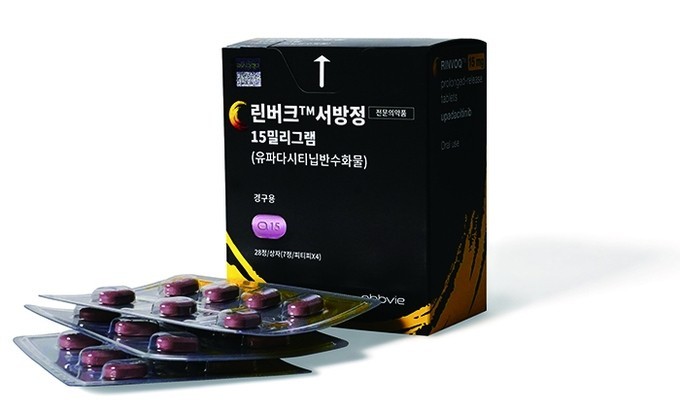
- Expansion has been growing on the expansion of related prescription markets with the government approving reimbursement for switching between atopic dermatitis treatments, which has been in high demand in the field. The industry expects an increased number of treatment options and an expanded scope of reimbursement to enable more effective treatment for patients. In particular, the presence of Rinvoq (upadacitinib) has been growing with its indication expansion to moderate to severe atopic dermatitis in adolescents aged 12 and older, and the grant for switching between JAK inhibitors. On the 7th, AbbVie Korea held a press conference on the latest clinical research of Rinvoq and changes in the treatment environment due to changes in the atopic dermatitis reimbursement coverage standards. Tae Young Han, Professor of Dermatology, Nowon Eulji Medical Center According to the Korean Atopic Dermatitis Association guidelines, patients with moderate-to-severe atopic dermatitis are highly recommended to consider switching to another biological agent or oral JAK inhibitor if they do not respond sufficiently to the biological agent or oral JAK inhibitor or if they cannot use them due to side effects. Until now, there have been limitations to treatment due to the fact that reimbursement coverage was not applied when the patient wanted to switch from biological agents to JAK inhibitors. However, from the 1st of this month, ▲if a patient is not responding to a biological agent or a JAK inhibitor, or ▲if the patient cannot continue taking the medication due to side effects (recommended to continue taking the replaced medication for at least 6 months), the patient will be eligible for reimbursement even if the patient has switched to a JAK inhibitor or biological agent. However, switching between the same class of drugs is not allowed. Professor Tae Young Han of the Department of Dermatology at Nowon Eulji Medical Center who made a presentation on this day, said, “Atopic dermatitis is a disease that has symptoms and manifestations depending on the characteristics of the patient, and a personalized treatment strategy is needed for each patient to receive appropriate treatment. The recognition of reimbursement coverage for switching has opened up new treatment opportunities for patients who have not seen sufficient treatment effects so far.” Han added, “Patients who have had side effects or showed an inadequate response to biological agents can be switched to a JAK inhibitor such as Rinvoq to achieve an appropriate treatment response. In addition, with the availability of reimbursement coverage, it is now possible to prioritize the use of treatments that are expected to be highly effective for each patient, from his or her initial treatment.” The reason why the expansion of Rinvoq’s influence is drawing attention is because of the Heads Up trial, which is a head-to-head trial between Dupixent (dupilumab), the biological agent with the most prescriptions, and Rinvoq. The results showed that 90% of patients who switched to Rinvoq (30 mg) after 24 weeks of dupilumab (300 mg) achieved EASI 90 (an almost clear skin condition) at Week 16 of Rinvoq treatment (40 weeks in total), and 56.1% achieved WP-NRS 0/1 (no or almost no itching). Yong Hyun Jang, Professor of Dermatology at Kyungpook National University said, “For moderate or more severe atopic dermatitis, the use of drugs that have quick and high efficacy in the early stages needs to be prioritized to quickly suppress severe itching. With switching between different classes of drugs granted reimbursement in Korea, the burden of choosing Rinvoq as the initial treatment option will be reduced as its long-term safety has been confirmed in clinical trials.” According to the results of the approximately 4-year follow-up of the extension study of Phase III clinical study on Rinvoq (Measure Up 1, Measure Up 2), among patients who received 15 mg and 30 mg Rinvoq, 69.8% and 72.9% of patients maintained EASI 90 and 44.9% and 47.2% of the patients maintained WP-NRS 0/1, respectively. Yong Hyun Jang, Professor of Dermatology at Kyungpook National University The indication expansion to adolescents aged 12 and older and the reimbursement expansion for Rinvoq also received positive evaluations. Professor Jang said, “Adolescents require sufficient sleep for growth and development, and lesions on visible areas such as the face and neck are especially stressful at that age. This is a very important period to prevent exacerbation of atopic dermatitis in adulthood, so the importance of early treatment is even greater. I expect the changes in the approval environment in Korea will help establish a flexible treatment strategy.” Jiho Kang, Country Medical Director of AbbVie Korea, added, “With the approval of switching and the approval for adolescents and the expanded insurance reimbursement coverage, we hope that the flexible dose strategy of Rinvoq will help improve the quality of life and enable patients to enjoy daily life that is no different from that of the general public through Rinvoq’s fast and strong treatment effect.” Meanwhile, due to the approval of switching, Rinvoq’s insurance price has been cut due to expected additional claims, based on the calculation formula. Due to this expansion of the scope of use, the insurance price ceiling of Rinvoq will be reduced from the previous KRW 18,740 to KRW 18,328 for the 15 mg product and from the previous KRW 29,850 to KRW 29,193 for the 30 mg product starting next month.
- Company
- Greenlight for reimbursement of ' Tepmetko'
- by Eo, Yun-Ho Mar 10, 2025 05:51am
- Product photo of Tepmetko The MET-targeted anticancer drug 'Tepmetko' has gained the greenlight to the insurance reimbursement coverage. According to industry sources, Merck Korea has agreed to the drug pricing negotiations with the National Health Insurance Service (NHIS) for its Tepmetko (tepotinib), a treatment for patients with topically advanced or metastatic non-small cell lung cancer (NSCLC) harboring mesenchymal-epithelial transition factor gene exon 14 (METex14) skipping mutations. The company achieved this three after obtaining domestic approval. In December 2024, Tepmetko passed the Drug Reimbursement Evaluation Committee (DREC) review of the Health Insurance Review and Assessment Service (HIRA) and has undergone drug pricing negotiations since January. Tepmetko received domestic approval in 2021 at the same time as 'Tabrecta (capmatinib),' a drug with the same mechanism of action as Tepmetko, and proceeded with the reimbursement process. Until now, no MET anticancer drugs have been listed for reimbursement in South Korea. If Tepmetko receives the final approval for reimbursement, it will be the first treatment option. The reimbursement listing process of Tepmetko has not been easy. This drug failed to set the insurance reimbursement criteria twice, including the Cancer Disease Review Committee review of the HIRA in March. Afterward, the company voluntarily withdrew from the reimbursement process and reapplied for reimbursement in July. Finally, the company gained a result this time. NSCLC accounts for 80% of all lung cancer diagnosis. METex14 skipping occurs in 3-4% of patients with NSCLC. Based on the diagnosis of 1020 patients with NSCLC in South Korea, 1.9% of patients were confirmed to have METex14 skipping. The efficacy of Tepmetko was evaluated through the VISION study, which enrolled the largest number of participants than any other clinical trials that enrolled patients with NSCLC harboring METex14 skipping mutations. The clinical results showed that patients treated with the drug had a median progression-free survival (PFS) of 15.3 months and an objective response rate (ORR) of 56.8%, demonstrating significant life extension effects. The median duration of response (DOR) was 46.4 months, and overall survival was 25.9 months, demonstrating long-term and continued anti-tumor activity. During the 2023 international conference of the Korean Association for Lung Cancer (KALC), Professor Han Ji-Youn, affiliated with the Division of Hemato-Oncology of the Center for Lung Cancer at the National Cancer Center, presented analysis outcomes of 79 Asian patients enrolled in the clinical trial for Tepmetko. Based on the results, the ORR was substantially high, with 66.7%. The second round of patients treated with the drug showed a 48.1% ORR. Meanwhile, in the Phase 3 VISION follow-up study, Tepmetko also showed significant results in analyzing Asian patients. The analysis showed that Tepmetko-treated patients had an ORR of 56.6%, a median DOR of 18.5 months, a PFS of 13.8 months, and a median OS of 25.5 months. Notably, Asian patients with no prior therapy experience had an ORR of 64.0%, reconfirming the previous study results that the drug is effective in the first round of treatment. 39.6% of patients experienced adverse reactions over Grade 3, indicating that the safety-related issue has not been found. Furthermore, Tepmetko passed the drug committees (DC) of 'Big 5' tertiary general hospitals, including Samsung Medical Center, Seoul University Hospital, Seoul St. Mary's Hospital, Asan Medical Center in Seoul, Sinchon Severance Hospital, and 30 medical centers nationwide.
- Company
- The cardiomyopathy drug 'Vyndamax' is reimbursed
- by Whang, byung-woo Mar 10, 2025 05:50am
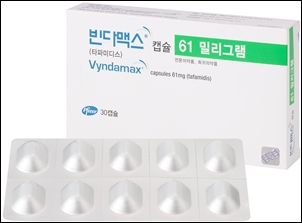
- 'Vyndamax,' a new drug for the treatment of transthyretin amyloid cardiomyopathy, has recently been added to the insurance reimbursement list after five attempts. Three years have passed since the company initially applied for the listing. Product photo of VyndamaxConsequently, the prescription of Pfizer Korea's Vyndamax (tafamidis 61 mg) is now covered with reimbursement for the treatment of ATTR amyloidosis with cardiomyopathy (ATTR-CM). Vyndamax was approved in August 2020 in South Korea. It has finally been added to the reimbursement listing after multiple rounds of challenges. At its first attempt at reimbursement in early 2021, Vyndamax failed to receive designation as an essential medicine. After that, the economic evaluation was conducted in the first half of the same year, and a second attempt was made through the Risk Sharing Agreement (RSA) program. However, it received the same result. In April 2022, the drug had not passed the reimbursement criteria committee of the Health Insurance Review and Assessment Service (HIRA). It passed the committee review in July of the same year. However, after 9 months, it received a non-reimbursement decision from the Drug Reimbursement Evaluation Committee (DREC) review. An agreement had not been reached between the government and the pharmaceutical company regarding the RSA. After that, Pfizer re-applied for the reimbursement process in June 2024. It passed the DREC review in October of the same year and reached an agreement with the National Health Insurance Service (NHIS) last month. Vyndamax's ceiling price has been set as KRW 100,000. Vyndamax is a product that received approval after adjusting a dosage of tafamidis, the same active ingredient in Vyndaqel, a treatment of Transthyretin Familial Amyloid Polyneuropathy (TTR-FAP). Some view that the company strategized this to aim at differential drug pricing. Reimbursement news is regarded as favorable since the company finally gained listing after five attempts over 4 years. Patients now only have to pay 10% of the drug price with the special exemption coverage. Meanwhile, the efficacy of Vyndamax was demonstrated through the Phase ATTR-ACT study, which showed Vyndamax reduced the occurrence of cardiovascular-related events and improved 6 minutes walking test in CM patients. In the ATTR-ACT study, 441 patients were randomly assigned at a 2:1:2 ratio to the tafamidis 80 mg treatment group, the tafamidis 20 mg treatment group, and the placebo group. The primary endpoint was hierarchical evaluation of all-cause mortality and cardiovascular-related hospitalizations. The study's secondary endpoints were changes in the 6 minute walk test and the 'Kansas City Cardiomyopathy Questionnaire-Overall Summary (KCCQ-OS)' score, which indicates better health conditions with a higher score from the baseline up to 30 months after treatment. The study results showed that the tafamidis treatment groups had statistically lower all-cause mortality or cardiovascular-related hospitalizations compared to the placebo group.
- Company
- Reimb approval JAKi switching can change RA treatment in KOR
- by Son, Hyung Min Mar 07, 2025 05:56am
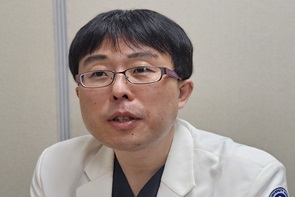
- Yun Sung Kim, Professor of Rheumatology at Chosun University Hospital “The realistic goal for treating rheumatoid arthritis is remission, not cure. With various treatment options introduced for the disease, patients can expect good results if they start treatment by administering the right treatment for them. In particular, since switching is now allowed for oral treatment options like JAK inhibitors, this may be of great help in improving the treatment environment for rheumatoid arthritis.” Yun Sung Kim, Professor of Rheumatology at Chosun University Hospital, explained so on the changes in the treatment environment for rheumatoid arthritis at a recent meeting with Dailypharm. Rheumatoid arthritis is one autoimmune disease that occurs when immune cells invade the joints that are part of our body. In the early stages, inflammation occurs in the synovial membrane surrounding the joints, causing pain, swelling, and deformation of the surrounding cartilage and bone. Inflammation mainly affects small joints such as the fingers, wrists, toes, and ankles, and can also occur in large joints such as the knees. It is a chronic disease that lasts for several months to several years, and the continuous inflammatory reaction of the synovial membrane can damage the cartilage of the joint, eventually leading to joint destruction, deformation, and dysfunction. It is also accompanied by symptoms of fatigue, low-grade fever, and generalized musculoskeletal pain. Professor Kim said, “Rheumatoid arthritis is a disease that requires continuous control, just like diabetes or hypertension. This is why we use the word remission rather than cure. The goal is to control the disease activity through medication.” In the early stages of rheumatoid arthritis, non-steroidal anti-inflammatory drugs (NSAIDs) are used to reduce inflammation and relieve pain, and steroids can be used temporarily if the inflammation is not controlled. However, such treatment can alleviate symptoms but not reduce disease activity, so treatment with disease-modifying antirheumatic drugs (DMARDs) such as methotrexate (MTX) may be needed depending on the severity of the symptoms. Kim explained, “Early diagnosis and treatment of all diseases is important, but in the case of rheumatoid arthritis, because it invades the joints, without an early diagnosis, not only inflammation but joint deformation can also occur, causing not just symptoms but also impairment in the joint function itself.” He went on to say, “If you have symptoms of rheumatoid arthritis such as numbness in your hands and leave them untreated, the risk of cardiovascular disease also increases, and if it invades the lungs, it can also cause interstitial lung disease. This is why early diagnosis and treatment are important.” Various treatment options have emerged in the field Rheumatoid arthritis treatment is one of the areas that has seen the most progress in the last 20 years. Treatment options have expanded with the introduction of steroids, anti-rheumatic drugs, biological agents, and Janus kinase (JAK) inhibitors. Kim said, “The 2022 European Congress of Rheumatology guidelines recommend reducing the dose or increasing the interval of anti-rheumatic drug administration, but the American College of Rheumatology recommends continuing the use of anti-rheumatic drugs.” In particular, with the recent inclusion of several JAK inhibitors, such as Jyseleca, Rinvoq, and Xeljanz in the National Health Insurance (NHI) reimbursement list, patients can now use oral drugs that are less burdensome to administer than injectable biologics. Until now, switching between JAK inhibitors was not allowed, so if a patient switched from a biologic to a JAK inhibitor and found no effect, there was no alternative but to switch back to other biologic drugs. In response to the demand for the allowance of switching between JAK inhibitors from patients and medical staff, the government has approved insurance reimbursement for switching between JAK inhibitors since December, reducing the patients’ burden of switching from biological agents to JAK inhibitors. Kim said, “JAK inhibitors are being used as a second-line treatment, but I think they may be used in the first-line in the future. Rather than preferring a particular treatment among JAK inhibitors, I think their usage in general will expand.” He went on to say, “Patients’ satisfaction level is higher with oral treatments. Since anti-rheumatic drugs must be taken when administering biological agents, the medication compliance for oral agents is high. Data shows that oral agents are a little safer, which may further increase their preference with the improvement in the reimbursement environment.” Although the reimbursement environment has improved, blind spots remain Kim stressed that patients with seronegative rheumatoid arthritis antibodies are facing difficulties because they cannot receive institutional benefits. About 80% of rheumatoid arthritis patients are diagnosed as seropositive, but the remaining 20% are seronegative. These seronegative patients are not eligible for the special calculation benefit. Therefore, there are many difficulties in treating seronegative rheumatoid arthritis patients due to restrictions on their use of JAK inhibitors and biological agents. Currently, patients may receive reimbursement for their treatment if their treatment with biological agents or JAK inhibitors is insufficient even after more than 6 months of treatment. Professor Kim said, “Although switching JAK is not yet covered by insurance for various inflammatory diseases, it is very encouraging that it is covered for rheumatoid arthritis. If there is one more thing I would like to see, I would like the reimbursement standards to be eased to cover patients with seronegative rheumatoid arthritis.”
- Company
- Roche adds expertise through leadership appointments
- by Whang, byung-woo Mar 07, 2025 05:56am
- (from the left) Jinyoung Jeong, Lead of Oncology·Hematology Cluster, and Hyunmi Kim, Lead of Specialty Medicines Cluster Roche Korea is strengthening its leadership by appointing new leads to its Oncology and Hematology cluster and Specialty Medicines cluster. The company announced on the 5th that it has appointed Jinyoung Jeong as the new head of the Oncology·Hematology Cluster and Hyun-mi Kim as the new head of the Specialty Medicines Cluster. By appointing two new leaders with extensive industry experience and expertise, Roche Korea plans to strengthen its portfolio across various therapeutic areas, including solid and hematological tumors, ophthalmic diseases, and neurological diseases, and solidify its innovative medicine leadership. Jinyoung Jeong graduated from the College of Pharmacy at Seoul National University and has accumulated experience in pharmaceutical marketing at Mundipharma Korea and Pfizer Korea since 2009. Prior to her new role, she was the Lead of the Lung Cancer Diseases Area in Roche APAC, where Jeong played a leading role in designing organizational operations and portfolio strategies and maximizing synergies by strengthening cross-country collaboration. Hyun-mi Kim first entered the pharmaceutical industry in 2004 when she joined Janssen Korea after graduating from the College of Pharmacy at Seoul National University and earning a master's degree from the same university. Since then, Kim has led business growth in a wide range of fields, including blood cancer, solid cancer, immunology, and neuroscience, and has demonstrated her ability to plan business strategies and develop new businesses in global markets, including Korea, the United States, China, and the Asia-Pacific (APAC) region. Jinyoung Jeong, Lead of Oncology·Hematology Cluster at Roche Korea, said, “Based on the experience and expertise I have accumulated in Oncology at Roche Korea, I will take the lead to promptly provide innovative treatment solutions to Korean patients suffering from cancer. We will continue to prioritize the extension of patients’ lives and improvement of their quality of life, and focus on expanding treatment access.” Hyun-mi Kim, Lead of the Specialty Medicines Cluster at Roche Korea, said “I am pleased to join Roche Korea, which has been driving innovation in the industry as a a global pharmaceutical industry leader. In the Specialty Medicines area, which includes ophthalmic and neurological diseases, it is very important to address unmet patient needs and reduce the burden of disease through innovation. I will make every effort to help more patients lead healthy and happy lives.”
