
- LOGIN
- MemberShip
- 2026-04-29 16:33:52
- Company
- ‘Should consider early use of effective new drugs for CML’
- by Son, Hyung Min Apr 17, 2025 05:57am
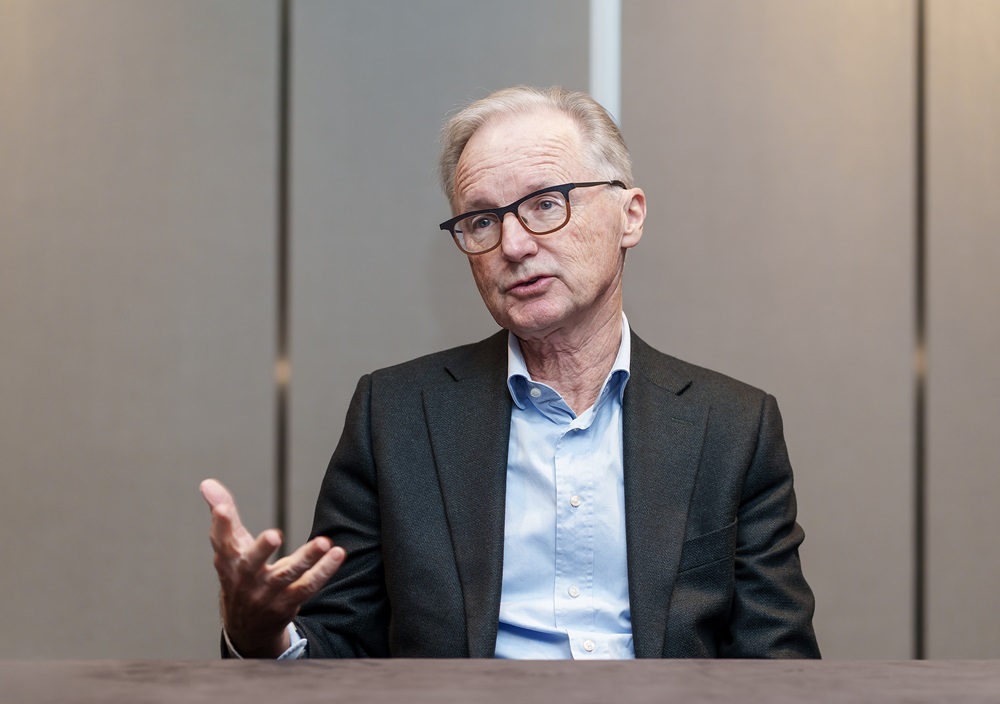
- Timothy Hughes, Professor of Hematology, South Australian Health and Medical Research Institute “Although various treatment options have emerged for chronic myeloid leukemia (CML), there is still unmet demand, as more than half of patients are intolerant. As CML treatment strategies are shifting to inducing a strong response in the early phase, it is important to prioritize the use of effective drugs.” Timothy Hughes, Professor of Hematology at the South Australian Health and Medical Research Institute, recently gave this assessment regarding CML treatment strategies during an interview with Dailypharm. The development of various tyrosine kinase inhibitors (TKIs), starting with Novartis' Gleevec, a first-generation targeted anticancer drug, in 2006, then the second-generation treatment options BMS' Sprycel, Novartis' Tasigna, Pfizer’s Bosulif, Il-Yang Pharmaceutical’s Supect, and the third-generation TKI Otsuka's Iclusig, has dramatically improved survival rates. However, since the existing first- to third-generation TKIs target the ATP binding site, there is a high possibility of developing resistance to mutations, which limits long-term treatment sustainability. In addition, as treatment options are limited for patients at risk of cardiovascular disease, there is a need for effective switching strategies and new treatment options in the third-line treatment space. Unlike existing treatment options, the fourth-generation TKI Scemblix is approved and mainly used as a third-line treatment for CML in Korea due to its specifically targeting the ABL myristoyl pocket t (STAMP) inhibition mechanism. Recently, it has been approved as a first-line treatment in Korea, the United States, and Europe, expanding its scope of use. Professor Hughes said, “We have seen a dramatic improvement in survival since the advent of TKI-based treatments, but many patients still experience treatment failure due to drug intolerance or resistance.” He added, “In particular, Scemblix is becoming an important alternative for patients who were contraindicated from using existing TKI treatment due to cardiovascular disease, etc.” Scemblix demonstrates superior efficacy in direct comparison studies with existing targeted therapies Scemblix has demonstrated its therapeutic improvement effect through a head-to-head study with existing targeted therapies. The clinical trial, ASC4FIRST, was the first study to compare Scemblix with standard first-line treatments currently available for newly diagnosed CML patients. The trial randomly assigned adult CML patients to the Scemblix group and the standard TKI treatment group and compared the major molecular response (MMR) rate at week 48. The results of the study showed that the MMR achievement rate at week 48 was 67.7% in the Scemblix-treated group and 49.0% in the standard TKI-treated group, showing an 18.9% difference. In terms of safety, the Scemblix-treated group showed a relatively low incidence of Grade 3 or higher adverse reactions, discontinuation rate due to adverse reactions, and dose adjustment and discontinuation rate for adverse reaction management compared to the control group. The biggest concern for TKI treatments, including Iclusig, which had been mainly used as a third-line therapy, was cardiovascular toxicity. Iclusig is known to have a tendency to increase the incidence of arterial occlusion depending on the dose. According to Professor Hughes, Iclusig should be used only in patients with no other treatment option because there have been many serious arterial system adverse reactions observed even at the standard dose of 45 mg per day. STAMP inhibitors have high target specificity as they act on the myristoyl pocket of the BCR-ABL1 protein, not the ATP binding site. Through this differentiated mechanism of action, Scemblix offers the advantage of maintaining a strong therapeutic effect while minimizing side effects. Professor Hughes commented, “Through the ASC4FIRST trial, Scemblix has demonstrated both efficacy and safety profiles superior to those of Gleevec, Tasigna, and Sprycel, which are currently used as first-line treatments for CML.” He went on to say, “In particular, Scemblix showed a higher MMR compared to Gleevec and also showed excellent results in terms of safety. The treatment discontinuation rate due to toxicity was also only half that of Gleevec. In addition, Scemblix also demonstrated higher treatment response rates and safety in the patient group compared to second-generation TKIs.” Potential rises for Scemblix as a first-line treatment option... “One step closer to treatment-free remission” #EB Professor Hughes believes that while CML treatment strategies have focused on improving survival in the past, it is now important to enable patients to achieve treatment-free remission and enjoy a 'life without need for treatment.' According to Professor Hughes, recent CML treatments tend to focus on inducing a strong response early, in the first-line treatment phase. This is because a fast and strong response induced by intensive treatment from the beginning can lead to a positive prognosis in the long term and ultimately increase the likelihood of achieving a treatment-free remission. Professor Hughes said, “Another notable agenda is that the treatment goal of patients is shifting to treatment-free remission. In fact, when patients are asked what treatment goal they most desire, most of them want to ‘no longer take medication.’ To date, the proportion of patients who have reached treatment-free remission is about 30%, but we expect that the figure will rise to more than 50% in the future through the use of STAMP inhibitors.” Professor Hughes believes that Scemblix has a high potential for use as a first-line treatment for CML. The ASCEND study, led by Professor Hughes, was the first Scemblix monotherapy clinical trial, involving approximately 100 patients. Professor Hughes explained that the results of the study were similar to those of the pivotal Scemblix clinical trial. “In Australia, ASCEND is currently undergoing a follow-up clinical trial. Patients who meet the criteria for participation are mostly enrolled in the study and receiving Scemblix as a first-line treatment,” added Professor Hughes. “For patients who are unable to participate in the trial, we are treating them with the best available option.” He went on to say, “Currently, the most important goal of first-line treatment is for patients to achieve a deep molecular response early and ultimately achieve a treatment-free remission. However, for patients who need to receive third line of treatment, the treatment goals will inevitably vary depending on the course and situation.” He said, “Scemblix has shown high safety and efficacy from the early stages of clinical trials. It is a drug that has shown the potential to be used not only as third-line treatment but also as first-line treatment.” He also emphasized, “We expect a strong therapeutic effect when Scemblix is used as a first-line treatment. If there were no restrictions set in our clinical trials, more than 90% of the patients may use Scemblix as a first-line treatment.”
- Company
- Vyndamax may be prescribed at tertiary hospitals in KOR
- by Eo, Yun-Ho Apr 16, 2025 05:55am
- Vyndamax, which was finally granted insurance reimbursement after 5 attempts, may now be prescribed in general hospitals. According to industry sources, Pfizer Korea's treatment for ATTR-CM (Tafamidis 61mg) passed the drug committees of 26 medical institutions nationwide, including the ‘Big 5’ major hospitals (Samsung Medical Center, Seoul National University Hospital, Asan Medical Center, Seoul St. Mary's Hospital, and Severance Hospital). Vyndamax was approved in Korea in August 2020 and has been granted reimbursement since March this year after a series of twists and turns. It failed its first reimbursement challenge in early 2021, Vyndamax failed to be designated as an essential drug at the time. In the first half of the same year, the company evaluated the drug’s cost-effectiveness and took on the second challenge through the risk-sharing agreement (RSA) track, just to meet the same results. In April 2022, it again failed to pass the Health Insurance Review and Assessment Service's Reimbursement Standard Subcommittee, but in July of the same year, it passed the subcommittee but was later judged non-reimbursable by the Drug Reimbursement Evaluation Committee 9 months later. At the time, the government and the pharmaceutical company were unable to reach an agreement on the risk-sharing plan. Pfizer again submitted a reimbursement application in June last year, passed the DREC review in October of the same year, and concluded a drug price negotiation with the National Health Insurance Service last month. The maximum insurance price ceiling for Vyndamax was set at KRW 100,000. Vyndamax is a separately licensed product that contains a different dose of the same ingredient as Vyndaqel, a treatment for familial amyloidotic polyneuropathy. Some view this as a strategy adopted by the pharmaceutical company to differentiate the drug price. However, it is encouraging that the drug was approved after 5 attempts over four years. Now, patients will only have to pay 10% of the drug price if the special calculation system is applied. The efficacy of Vyndamax was demonstrated through the Phase III ATTR-ACT study, where the drug reduced the incidence of cardiovascular events in patients with CM and showed an improvement in the six-minute walk test. In the ATTR-ACT study, 441 patients were randomly assigned in a 2:1:2 ratio to receive 80 mg of tafamidis, 20 mg of tafamidis, and placebo, respectively, and the primary endpoints of the study were hierarchical evaluation of all-cause mortality and frequency of cardiovascular-related hospitalization. The key secondary endpoints were the change from baseline to month 30 for the 6-minute walk test and the score on the Kansas City Cardiomyopathy Questionnaire–Overall Summary (KCCQ-OS), in which higher scores indicate better health status. Study results showed that tafamidis demonstrated a statistically significant reduction in all-cause mortality and frequency of cardiovascular-related hospitalizations compared to placebo.
- Company
- Tepmetko targets rare lung cancer target with reimbursement
- by Whang, byung-woo Apr 16, 2025 05:55am
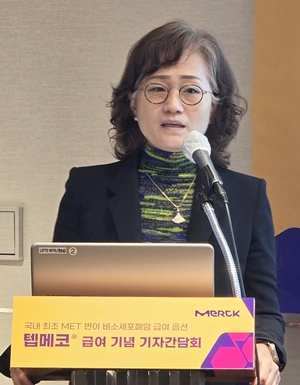
- Merck is seeking to increase the market influence of Tepmetko (tepotinib), which was granted reimbursement 3 years after its approval, by improving treatment access. Although the MET mutation is a rare mutation that occurs in 1.8-3.1% of non-small cell lung cancer patients in Korea, it is evaluated that the drug’s reimbursement will have a significant effect as it increases the success rate when early diagnosis and appropriate treatment are carried out. Ji-Youn Han, professor of Hemato-Oncology at the National Cancer Center, On the 15th, Merck Biopharma Korea held a press conference to shed light on the implications brought by Tepmetko’s reimbursement, a treatment for non-small cell lung cancer with MET exon 14 deletion mutation. In Korea, MET mutations in non-small cell lung cancer are known to cause resistance to other anticancer treatments and have a high rate of metastasis to bones, the brain, etc., which is associated with poor patient prognosis. In addition, most patients are elderly, which lowers the response rate to immuno-oncology drugs, and most patients relapse within 5 months. “MET-mutated non-small cell lung cancer has a poor prognosis, and brings threefold increased risk of death compared to those without mutations,” said Ji-Youn Han, a professor of Hemato-Oncology at the National Cancer Center, who presented at the press conference. ”Most patients are elderly, have a low response rate to immuno-oncology drugs, and have difficulty tolerating strong side effects, so there was a high unmet need for MET-mutation targeted therapies.” Tepmetko’s reimbursement was based on the Phase II VISION study in patients with MET-mutated NSCLC. In the 32.6-month follow-up of 313 patients diagnosed by liquid biopsy or tissue biopsy, Tepmetko showed an objective response rate (ORR) of 58.6%, median progression-free survival (PFS) of 15.9 months, median overall survival (OS) of 29.7 months, and median duration of response (DoR) of 46.4 months in patients diagnosed by tissue biopsy and with no previous treatment experience. These results were consistent regardless of treatment line, biopsy method, etc., and showed consistent efficacy in Asian patients, including Koreans. In a subgroup analysis of 106 Asian patients, the ORR of patients who were initially treated with Tepmetko was 64%, with a median PFS of 16.5 months, a median OS of 32.7 months, and a median DoR of 20.7. “The importance of personalized treatment based on MET mutations is being emphasized in the non-small cell lung cancer setting. Tepmetko has demonstrated consistent effects regardless of the treatment line in Asians,” said Professor Han. Although Tepmetko has demonstrated its effect through clinical results, the company had to jump over high hurdles to be included in the reimbursement list. After failing to set the reimbursement criteria twice, including during the Health Insurance Review and Assessment Service's Cancer Disease Review Committee meeting, the company voluntarily withdrew its reimbursement application, and submitted a new application in July last year, which led to the current result. As a result, Tepmetko became the first treatment option in the same class to be listed for reimbursement, ahead of Tabrecta (capmatinib), an anticancer drug that was approved in Korea at the same time in 2021. Currently, Tepmetko is expected to quickly settle into the prescription environment as it has passed the Drug Committees (DCs) of more than 30 medical institutions nationwide, including the Big 5 tertiary hospitals such as Samsung Medical Center and Seoul National University Hospital. “From the perspective of a doctor treating patients in the clinical setting, we need more treatment options to keep patients alive and improve their quality of life,” said Professor Han. ”I think this coverage of Tepmetko is a positive step because it means patients can use it without financial burden.” “We hope that this reimbursement of Tepmetko will play an important role in the future treatment environment in Korea,” said Christoph Hamann, General Manager of Merck BioPharma Korea. ”Merck will continue to endeavor to drive innovation at the forefront in the field of cancer treatment and will continue to strive to improve the intractable cancer treatment environment.”
- Company
- Orphan drug 'Thio Spal-P' avoids approval cancellation
- by Kim, Jin-Gu Apr 15, 2025 05:55am
- A rare disease treatment, 'Thio Spal-P Inj (thiotepa),' faced narrow escape from receiving approval cancellation. According to pharmaceutical industry sources on the 11th, the Seoul Administrative Court ruled in favor of Dongin Pharm against the Ministry of Food and Drug Safety (MFDS), ruling a 'plaintiff victory' on the 10th. Dongin Pharm filed a suit in the administrative court arguing that the MFDS' administrative measure related to the cancelation of imported item approval in May last year. This rare disease treatment is used as a premedication regimen before autologous·allogenic stem cell transplantation in adult·pediatric patients with hematological diseases. It is also used when high-dose chemotherapy in combination with stem cell transplantation is adequate for treating adults·pediatric patients with solid cancers. This type of drug, with imported annual sales below KRW 200 million, faced several hurdles. Initially, a medical device company imported a product called 'Thiotepa,' manufactured by US-based pharma company Bedford and distributed in South Korea. However, concerns have been raised in the United States that environmental waste and carcinogens are hugely produced during the production of Thiotepa. Therefore, the US-based manufacturer discontinued production of this drug, leading to discontinued import by the Korean importing company. After that, the Korea Orphan Drug & Essential Drug Center responded. The Korea Orphan Drug & Essential Drug Center secured 'Tepadina Inj' from Italia and began distributing in South Korea. Then, Korean companies also began importing this drug. Dongin Pharm received approval for the imported product 'Tepadina Inj 15mg·1g' with the same active ingredient. This drug soon became included in the National Health Insurance reimbursement list. On May 21st, the MFDS issued an administrative measure of cancellation of imported product approval for this drug. The Ministry of Health and Welfare (MOHW) announced that the reimbursement of this drug will be discontinued the next day due to the decision of approval cancellation by the MFDS. The announcement to suspend reimbursement was reversed within a day. On that same day, the MOHW announced that the reimbursement status for this drug would be maintained. The decision was made in response to a notification from the administrative court indicating that a suspension of execution had been filed. It was due to Dongin Pharm filing a suspension of execution and an administrative suit. In response to MFDS giving a cancelation measure of imported product approval, Dongin Pharm immediately filed a suit for withdrawing such measure and applied for suspension of execution until the ruling. The court accepted the application for suspension of execution. The lawsuit lasted over a year. Dongin Pharm and MFDS appeared in court three times since September 2024 to argue whether cancellation measure of the imported product is appropriate. Ultimately, the Seoul Administrative Court ruled in favor of Donging Pharm. Therefore, Dongin Pharm, which imports Thio Spal-P, was relieved. However, the MFDS has yet to decide whether to appeal. In South Korea, three companies have received approval for imported rare disease treatments containing thiotepa. Two pharmaceutical companies are distributing these drugs to South Korea, excluding a company without any import record. However, Thio Spal-P is the only drug that is in injectable formulation.
- Company
- Daehwa Pharmaceutical's Liporaxel aims for listing in China
- by Nho, Byung Chul Apr 15, 2025 05:55am
- The world's first oral paclitaxel, Liporaxel, for gastric cancer, is expected to enter the first negotiation step with the Chinese health authority in June for health insurance listing. The negotiation outcome gains attention. Daehwa Pharmaceutical's Liporaxel is sold in local Chinese hospitals at approximately KRW 940,000 per 30 mg. Sources said that this drug's anticipated reimbursement price will likely range KRW 400,000-450,000. The global market for paclitaxel injectables is valued at roughly KRW 5 trillion, of which China accounts for approximately 40–50%, making it a critical battleground for drug launches. Liporaxel obtained marketing approval in September 2024 from the China National Medical Products Administration (NMPA) for the indication of gastric cancer and began a full-scale launch centered in Shanghai around March. Until the development of Liporaxel solution in 2016, paclitaxel formulations had been prescribed only in injectable form. The oral liquid formulation of Liporaxel, a gastric cancer treatment, secured the status of the world's first improved drug converted from an injectable to a liquid formulation, and if reimbursement is achieved in China, its ease of administration is expected to drive rapid growth. Conventional paclitaxel intravenous (IV) treatments typically require more than three hours of infusion time, including pre-treatment, so launching a formulation-changed product has been a long-awaited goal for academia and patient groups. The mechanism of action of Daehwa Pharmaceutical Furthermore, in clinical trials for gastric cancer, the new formulation showed improved outcomes compared to IV therapy, particularly in terms of side effects such as hair loss and peripheral neuropathy, which is expected to enhance patient convenience and safety greatly. Notably, by reducing the treatment time, this drug is expected to provide more patients with the opportunity to receive treatment, thereby improving the overall efficiency of cancer care. Liporaxel demonstrated equivalent safety and efficacy compared to a control drug in a Phase 3 trial conducted in approximately 550 gastric cancer patients in China. Meanwhile, Liporaxel was licensed in September 2017 to China's RMX Biopharma under a contract that included a licensing fee of USD 25 million (approximately KRW 33.2 billion) along with separate sales royalties, and the rights for Liporaxel as a second-line treatment for advanced, metastatic, or locally recurrent gastric cancer in the markets of China, Taiwan, Hong Kong, and Thailand are held by Haihe Biopharma.
- Company
- BD experts in demand due to increasing global partnerships
- by Whang, byung-woo Apr 15, 2025 05:54am
- Due to increasing technology transfer and partnership opportunities in the pharmaceutical and biotech industries, the role of business development (BD) is becoming increasingly important. Also, demand is growing for the ability to move beyond R&D that advances science-based technologies to securing actual deals. BD is a position that identifies and introduces promising technologies or new products based on domestic and international market analysis and creates business opportunities such as technology transfer, strategic alliances, and joint research. This means that it is a key department that brings in new products or drives partnerships that will drive company growth, and it is directly tied to the export (licensing out) of new technologies. Domestic pharmaceutical and bio companies are achieving success and making licensing out deals overseas, thanks to increased investment in new drug development. In fact, in 2019, there were 14 licensing-out deals (worth about KRW 8.5 trillion) in Korea, and in 2021, the number of contracts reached 31, a threefold increase from the previous year, setting a new record. In particular, large-scale licensing deals are emerging, whose upfront payments exceed KRW 1 trillion per technology, although their milestone achievement progress remains to be seen. As pharmaceutical companies, which used to focus on the domestic market, are entering the global stage, the BD department is becoming at the forefront of business development, transferring technology to overseas partners and leading joint development, which is adding strength to the growing view that BD capabilities directly affect corporate competitiveness. In fact, domestic bio companies are strengthening their strategy of developing their own products from the non-clinical to early clinical stages and then licensing them out. Specifically, they are actively pursuing entry into the global market by establishing overseas subsidiaries and hiring local BD personnel. " “Lack of experience is the biggest challenge” ... Systematic training is essential. The problem is that domestic companies are still facing difficulties in the global BD process, due to the lack of negotiating power, lack of experience in evaluating technology value, and lack of global communication experience. A representative of Pharma Ventures, who the reporter met at the 2025 Young BD Workshop hosted by the Korea Drug Development Fund (KDDF), expressed disappointment in the “storytelling” poser of Korean companies. “Korean companies have very good scientific capabilities and technology, but they often fail to develop their assets to the level required by global big pharma,” said a Pharmaventures official. ”Companies often concentrate on a single pipeline, so when if they license out their technology, the company's is virtually just giving out their whole value.” It is also important to reduce the gap between investors and Korean companies when it comes to technology transfer and deal-making, but it is often assessed that Korean companies cannot translate science into 'value and business opportunities'. Ultimately, for Korean companies to find opportunities overseas, in addition to R&D, there is a growing need to develop specialized personnel who can turn these into commercial opportunities. In the pharmaceutical and biopharmaceutical industry, there is a common view that, as the saying goes, “it's all about people,” and that talent investment is important for new drug development. However, there is also a realistic point of view that there are still not enough educational opportunities to systematically train BD talents. In particular, young BD managers with 1-5 years of experience are in very high demand for training to strengthen their expertise, as they work in an environment where it is difficult to gain practical experience. In this situation, the 2025 Young BD Workshop held by KDDF in early April sought to foster the next generation of BD talent. Young-min Park, head of the National New Drug Development Project Team This event is a successor to the BD talent development workshop that began in 2018 through the pan-ministerial new drug development project and is a program that focuses on young BD practitioners in their first to fifth years to develop practical global technology transfer capacity. Young-min Park, head of the National New Drug Development Project Team, said, “A sophisticated commercialization strategy is needed from the early stages for successful new drug development. I hope this workshop will serve as a stepping stone for fostering young BD talents with expertise and practical capabilities that meet global standards.” With KDDF at the forefront, BD is responsible for the company's future growth engines, such as closing new product licensing agreements and building partnerships in the long term. As such, the company is showing a consensus on securing and cultivating talent. An industry official added, “I think the cultivation of BD talent is an important factor that can turn Korea's quality technology into commercial success. I think that the education and efforts related to BD, along with the cultivation of various talents in the pharmaceutical and bio sector, will play a major role in creating a Korean bio ecosystem in the future.”
- Company
- Varying sales of Korean subsidiaries of multinational pharma
- by Son, Hyung Min Apr 15, 2025 05:54am
- The 2024 sales performance of multinational pharmaceutical companies' subsidiaries in South Korea varied. Pfizer Korea, MSD Korea, and Gilead Sciences Korea experienced a significant drop in sales due to the impact of COVID-19 becoming endemic. Novo Nordisk saw substantial external growth following the launch of new drugs for diabetes and obesity, while AbbVie also achieved growth by advancing new drugs for immune-related disorders. According to the Financial Supervisory Service (FSS) on the 15th, the sales of the 31 major multinational pharmaceutical companies' subsidiaries in South Korea decreased by 5.5% from KRW 9.717 trillion in 2023 to KRW 9.187 triillion last year. Among the 31 Korean subsidiaries, sales declined at 13 companies, including Pfizer, MSD, AstraZeneca, Viatris, Bayer, Gilead, Lilly, Kyowa Kirin, Ferring, UCB Pharma, Menarini, Guerbet, and Biogen. The company with the largest decline in sales was Pfizer Korea. Last year, Pfizer Korea's sales amounted to KRW 783.7 billion, down 50.3% compared to the previous year. During the same period, operating profit dropped by 57%, from KRW 63.8 billion to KRW 27.2 billion. This was the first time in four years since 2020 that Pfizer Korea's sales fell below KRW 1 trillion. Pfizer Korea was hit directly by a decline in sales due to the endemic phase. Pfizer Korea succeeded in joining the KRW 1 trillion sales club in 2021 through its COVID‑19 vaccine 'Comirnaty' and treatment 'Paxlovid,' but its sales dropped as COVID‑19 stabilized. Pfizer began developing an mRNA vaccine in March 2020 in partnership with Germany's BioNTech as COVID‑19 spread globally. The collaboration between BioNTech, which possesses mRNA technology, and Pfizer, with its extensive global clinical experience, resulted in successful synergy. Consequently, Pfizer Korea's sales increased significantly. The company's sales reached KRW 1.6940 trillion in 2021, exceeding KRW 1 trillion for the first time, and then surged to KRW 3.2254 trillion in 2022. Compared to its 2020 sales, the company saw a 723% increase within two years. However, companies' sales declined as governments announced COVID-19 transitioning into the endemic phase in 2023. Pfizer Korea's sales in 2023 amounted to KRW 1.6018 trillion, a 50% decrease from the previous year, and last year, its sales fell short of maintaining the KRW 1 trillion mark at KRW 783.7 billion. Last year's sales represent a 76% decrease compared to 2022 when the highest sales performance was recorded. MSD Korea also experienced a sales decline of nearly KRW 100 billion from the previous year due to the impact of COVID‑19. MSD Korea's sales last year were KRW 667.8 billion, a 12.2% decrease compared to the prior year. Although the company developed the COVID‑19 therapeutic 'Lagevrio' during the pandemic, its sales declined as the situation transitioned to an endemic phase. MSD Korea explained that the current sales performance reflects the combined effects of decreased COVID‑19 cases and a strategic shift toward focusing on innovative drugs and vaccines. Korean MSD is not only driven by its chief immuno-oncology product, Keytruda, but is also expecting growth from vaccines and innovative new drugs. The company is preparing for domestic launches later this year, including a first‐in‐class pulmonary arterial hypertension activin signal inhibitor, 'Winrebair,' and the first adult customized pneumococcal vaccine, 'Capvaxive.' Gilead's sales last year reached KRW 319.8 billion, a 16.7% decrease compared to the previous year. Analysis suggests that Gilead's sales declined as its COVID‑19 therapeutic, Bekluri, decreased prescription volume. Bekluri is used for patients hospitalized with severe COVID‑19 who have an oxygen saturation of 94% or lower or require supplemental oxygen therapy. The sales of AstraZeneca, the first company to develop a COVID‑19 vaccine, also decreased slightly. AstraZeneca Korea's sales fell by 5.7%, from KRW 639.3 billion in 2023 to KRW 602.7 billion last year. Driven by the domestic launch of its COVID‑19 vaccine, AstraZeneca Korea recorded sales of KRW 655.3 billion in 2021, marking a 31.6% increase compared to the previous year. However, with the emergence of follow-on vaccines from companies such as Pfizer, Moderna, and Janssen, sales slightly decreased to KRW 615.1 billion in 2022. Last year, AstraZeneca Korea decided to withdraw its SGLT-2 inhibitor Forxiga from the market. The withdrawal of a product that had recorded over KRW 50 billion in annual sales significantly impacted overall sales decline. In contrast, the external prescription volume for the non–small cell lung cancer therapy Tagrisso reached KRW 136.8 billion last year, a 52.9% increase compared to the previous year. Additionally, sales declined at several companies, including Biogen Korea (–61.6%), Kyowa Kirin Korea (–29.9%), Viatris Korea (–5.2%), Bayer Korea (–3.6%), Korea Ferring (–2.5%), Korea Lilly (–2.2%), Korea Menarini (–2.0%), Korea UCB Pharma (–1.6%), and Guerbet Korea (–0.1%). New obesity drugs·new drugs for immune diseases are growing, sales surges for Novo Nordisk·AbbVie Meanwhile, innovative new drugs have been performing strongly, resulting in substantial increases in sales for Novo Nordisk, AbbVie, and Sanofi. Novo NordiskNovo Nordisk Korea’s sales increased by 63%, from KRW 230.2 billion in 2023 to KRW 374.7 billion last year. Operating profit rose by 65% during the same period, from KRW 8.3 billion to KRW 13.7 billion. Wegovy drove the growth in Novo Nordisk’s sales. According to market research firm IQVIA, Wegovy recorded KRW 60.3 billion in sales in just one quarter following its launch in October last year. Wegovy, which was approved in South Korea in April 2023, is a GLP‑1 agent containing semaglutide that has demonstrated efficacy in reducing HbA1c levels and body weight. Novo Nordisk developed Wegovy as a once‑weekly obesity treatment after observing weight loss effects during clinical trials of its GLP‑1 diabetes drug candidates. The sales growth of Novo Nordisk’s diabetes products also contributed to overall performance. According to market research firm UBIST, the GLP‑1 agent liraglutide and the insulin degludec combination product, Xultophy, recorded sales of KRW 15.1 billion last year, up 26% compared to the previous year. In addition, the once‑weekly insulin product Tresiba and the insulin combination product Ryzodeg recorded sales of KRW 38.0 billion and KRW 31.3 billion last year, up 3% and 7%, respectively. Sanofi also demonstrated notable growth, with its Korean subsidiary’s sales reaching KRW 529.6 billion last year, an 18.1% increase compared to the previous year. Sanofi expanded its overall market presence through the steady growth of its original products. The antithrombotic agent Plavix recorded sales of KRW 128.5 billion last year, up 2% compared to the previous year. Prescriptions for the insulin product Toujeo reached KRW 27.2 billion last year, an 11% increase over 2023, while the antiarrhythmic agent Multaq achieved sales of KRW 12.4 billion, up 14%. SanofiSanofi is also anticipating robust growth for its biologic Dupixent. Sanofi expects Dupixent's sales to increase further. Dupixent also received expanded approval for chronic obstructive pulmonary disease (COPD) earlier this year. Current COPD treatment guidelines, both domestic and international, now include recommendations for Dupixent. According to market research firm IQVIA, Dupixent's sales reached KRW 143.2 billion in 2023, making it a mega blockbuster product. AbbVie Korea also experienced double-digit growth last year. AbbVie Korea's sales increased by 32%, from KRW 234.7 billion in 2023 to KRW 308.9 billion last year. AbbVie Korea also experienced double-digit growth last year. AbbVie Korea's sales increased by 32%, from KRW 234.7 billion in 2023 to KRW 308.9 billion last year. The strong market positioning of Rinvoq and Skyrizi contributed to substantial growth in AbbVie Korea's sales. Rinvoq, a JAK1-selective inhibitor, was approved in Korea in 2020 for the treatment of rheumatoid arthritis. After that, Rinvoq was approved in 2021 for atopic dermatitis and expanded its indications in 2022 and 2023 to include ulcerative colitis and Crohn's disease, respectively. With the addition of new indications, Rinvoq's sales have begun to climb. According to market research firm UBIST, Rinvoq's sales increased by 450%, from KRW 1.4 billion in 2021 to KRW 7.7 billion in 2022. After breaking KRW 10 billion in early 2023, Rinvoq's sales reached KRW 26.1 billion last year, setting a new sales record. AbbVie AbbVie Korea is also expecting strong growth from 'Skyrizi,' a biologic that targets interleukin (IL)-23, in addition to Rinvoq. Skyrizi was initially approved in 2019 as a treatment for plaque psoriasis, followed by approval in 2022 for psoriatic arthritis, and last year for palmoplantar pustulosis. According to IQVIA, Skyrizi's sales are on a steep upward trend. Skyrizi's sales increased from KRW 8.4 billion in 2021 to KRW 16.5 billion in 2022 and KRW 27.6 billion in 2023. As of 2023, the combined sales of Rinvoq and Skyrizi have surpassed KRW 50 billion. A successful generational transition from Humira in the autoimmune disease sector is being made.
- Company
- ImmuneOncia seeks opportunity in the PD-1 market
- by Cha, Jihyun Apr 14, 2025 05:57am
- “PD-(L)1 antibodies are the backbone of immuno-oncology drugs. In the future, immuno-oncology developers will be divided into companies with PD-(L)1 drugs and those without. ImmuneOncia will commercialize its own PD-(L)1 drug and continue to grow based on this.” Heung-Tae Kim, CEO of ImmuneOncia, said so about the company's growth strategy and vision when Dailpharm met with him at the company's headquarters in Magok-dong, Gangseo-gu, Seoul. The company aspires to take the lead in the immuno-oncology market by launching actual products, not just licensing out new drug candidates. Heung-Tae Kim, CEO of ImmuneOncia ImmuneOncia was established in 2016 as a joint venture company between Yuhan Corp and US-based Sorrento Therapeutics. In late 2023, Yuhan acquired all of Sorrento's shares and currently holds a 67% stake in the company. Yuhan acquired the entire stake in Sorrento after Sorrento lost a 200 billion-dollar lawsuit and filed for bankruptcy. ImmuneOncia seeking to IPO with its technology and proprietary pipeline. Kim is a medical oncologist and an authority in the field of oncology with experience in academia, healthcare, and government. After graduating from Seoul National University School of Medicine and earning his M.D. from the same graduate school, Kim served as a professor at Dankook University School of Medicine and trained at the National Cancer Institute (NCI). He has then served at the National Cancer Center for more than 17 years, holding key positions such as Director of the Clinical Trials Center, Director of the Lung Cancer Center, Director of the Office of Planning and Coordination, and Deputy Director. For 4 years, he served as the head of the planning team that oversaw the National Cancer Control Planning Board, the only national R&D project on cancer in Korea, and is credited with dramatically improving the level of cancer research in Korea. Kim joined ImmuneOncia in 2021. With more than 30 years of clinical experience, Kim emphasizes the commercialization of new drugs. He believes that true drug development entails bringing a drug to market and making it safe and effective for patients. Kim explained that it is important to contribute to patient treatment by launching new drugs directly rather than realizing early profits or spreading risks through technology exports. This is why Kim advocated for the launch of Leclaza (lasertinib), a drug for non-small cell lung cancer that he had led a clinical trial in, in the Korean market after initiating a monotherapy Phase III trial. “In 2018, Janssen, a Johnson & Johnson subsidiary, introduced lasertinib from Yuhan Corp. If Janssen failed the lasertinib-amivantamab combination trial, lasertinib would have disappeared from the market,” explained Kim. ”I convinced the company that if lasertinib was to survive, Yuhan should conduct a monotherapy trial in Korea and sell it on its own.” “By launching Leclaza in Korea, Yuhan Corp has secured a stable revenue base while also gaining brand value as a global drug developer. When I first came to ImmuneOncia, most people were against the idea of bringing a drug to market, but now everyone agrees that it is necessary to commercialize new drugs,’ he added. ImmuneOncia's goal is to bring immuno-oncology drugs to market. Cancer cells evade immune cell attacks by using a trick called immune checkpoints to block immune cell attack signals and disguise themselves as normal cells. Immuno-oncology drugs block this evasion, allowing immune cells to work properly and effectively attack the cancer cells. ImmuneOncia currently has a pipeline of immuno-oncology drugs, including IMC-001, which targets PD-L1, IMC-002, which targets CD47, and IMC-201, which targets CD47 and PD-L1. Of these, IMC-001 is the most advanced in development. IMC-001 demonstrated excellent efficacy and safety in a Phase II monotherapy trial, with an objective response rate (ORR) of 79% and a complete response rate (CR) of 58%. However, some have questioned the possibility of success of new immuno-oncology drugs. With multiple PD-(L)1 therapies on the market, the question is whether the immuno-oncology market is already saturated. Currently, there are 10 drugs in the PD-(L)1 class approved by the U.S. Food and Drug Administration (FDA), eight of which are approved domestically. In particular, Merck's (MSD) Keytruda has expanded its indications to more than 30, including lung cancer, melanoma, renal cell carcinoma, and bladder cancer, making it a dominant player in the immuno-oncology market. Kim's answer is clear: the immuno-oncology market will continue to expand, and there are still opportunities for strategic approaches. “The PD-(L)1 market will continue to grow through combination therapies. There are only 20 PD-(L)1 drugs licensed in China, and the fact that China continues to develop new PD-(L)1 drugs shows the growth of the market.” ImmuneOncia's plan for tapping into the PD-(L)1 market as a late entrant is to go niche. Instead of focusing on common cancers, where competition is fierce, ImmuneOncia's strategy is to first gain approval in rare cancers where no one else is developing, i.e., where there are fewer treatment options, and then expand indications to solid tumors, based on biomarkers. “It's hard to get initial approval, but once you do, it's fairly easy to add indications,” said Kim, ”Some have asked whether we could go niche and achieve meaningful results, but I believe I can create our market.” ImmuneOncia expects to commercialize IMC-001 in 2029. The company is implementing a comprehensive strategy for commercialization and early market entry. The license agreement stipulates that the parent company, Yuhan, will be the exclusive distributor in Korea. This means that Yuhan will be in charge of drug price and reimbursement listing, sales, inventory management, etc. after approval. After the approval of IMC-001, the company plans to accelerate the development of next-generation antibodies. The company plans to strengthen its position in the immuno-oncology market by expanding its development area to include a pipeline of bispecific immuno-oncology drugs. Kim explained, “ImmuneOncia is also implementing a 'franchise antibody' strategy to continuously discover and develop next-generation antibodies based on its own PD-(L)1 drug.” IMC-002 is also a key part of ImmuneOncia's pipeline. In 2021, ImmuneOncia transferred the development and commercialization rights for IMC-002 to 3D Medicines in China for a total worth of USD 470.5 million, including an upfront payment of USD 8 million. The drug is in Phase Ib clinical trials based on its mechanism that blocks CD47 and macrophage signaling in cancer cells. A few years ago, CD47-targeted immuno-oncology drug was considered the next big target after PD-(L)1. CD47 is overexpressed in most cancers, whereas PD-(L)1 is only effective in a subset of cancers, so targeting CD47 was likely to overcome the limitations of existing therapies. The ability to block the earliest stages of immune privilege was also highlighted as a differentiating feature of CD47-targeted immuno-oncology drugs. However, the mood has changed somewhat. Global big pharma companies such as AbbVie, Gilead Sciences, and Pfizer have stopped developing CD47-targeted immuno-oncology drugs. There had been skepticism on whether CD47 class drugs can become the next generation of immuno-oncology drugs without overcoming their side effects or efficacy issues. Kim believes that the big pharma's discontinuation can be an opportunity for ImmuneOncia. To solve the problem of side effects of CD47-targeted immuno-oncology drugs, ImmuneOncia has been focusing on discovering antibodies that can selectively bind to cancer cells and normal cells. And the company’s result is IMC-002. IMC-002 binds strongly to cancer cells while barely binding to red blood cells. ImmuneOncia will present efficacy and safety data from the Phase Ib trial of IMC-002 at the American Society of Clinical Oncology (ASCO) Congress in June. “I think this is an opportunity to boom up the CD47 market, which has been somewhat stagnant. I believe IMC-002 could be a game-changer that can address the efficacy and safety issues that were an issue with CD47 drugs. 'Changing the standard of cancer treatment By bringing Korea's 1st immuno-oncology drug.' This is the slogan that Kim created upon joining ImmuneOncia. It means that he aims to change the standard of cancer treatment by creating Korea's 1st immuno-oncology drug. He engraved this phrase on the company's business card. It is not just a slogan, but an expression of his determination to make it a reality. Kim is committed to leveraging the IPO to accelerate clinical trials of ImmuneOncia’s key pipeline drugs and commercialize the first domestic immuno-oncology drug. Kim said, “If ImmuneOncia succeeds in developing the first domestic immuno-oncology drug, we expect to have a strong brand value as the company that launched the second Leclaza. Based on our technological excellence and differentiated R&D capabilities, we will lead innovation in the immuno-oncology field and provide high value to prospective investors.”
- Company
- Alesion 1% may be prescribed in general hospitals in KOR
- by Eo, Yun-Ho Apr 14, 2025 05:56am
- ‘Alesion LX 1% Eye Drop,’ an antiallergic drug for allergic conjunctivitis, may now be prescribed at general hospitals in Korea. According to industry sources, Santen’s Alesion LX 1% Eye Drops, Korea's first eye drop that contains 1 mg epinastine hydrochloride, have passed the drug committee (DC) reviews of medical institutions in Korea, including the Sinchon Severance Hospital. Alesion LX Eye Drops 1% is regarded to have addressed the issue of reduced tear volume, which had been a limitation of existing treatments, by increasing the epinastine dose from 0.05% to 0.1%. Since first launching of Allegion LX Eye Drops in Japan in 2013, the 0.05% formulation was approved in Korea on June 26, 2020 and launched in February 2021. In addition, the high-concentration formulation, Alesion LX Eye Drops 1%, which was released in November 2024, offered a longer-lasting effect due to increasing the amount of ocular tissue transfer. Epinastine, the active pharmaceutical ingredient of the drug, strongly acts on H1 histamine receptors but weakly binds to muscarinic receptors, so it has fewer side effects of reducing tear volume, which is an advantage for patients with dry eyes. Alesion LX, a preservative-free formulation, has a similar composition to the tears of healthy people, providing a comfortable sensation when instilled. In a clinical trial comparing Alesion LX Eye Drops 1% with epinastine hydrochloride eye drops 0.05% that contains 0.5 mg of epinastine hydrochloride, the itching score improved in the Alesion LX Eye Drops 1% group. In a clinical trial that compared Alesion LX Eye Drops 1% with placebo, the itching score and conjunctival hyperemia score also improved. Epinasertine hydrochloride is mainly available in tablet form in Korea and is used for bronchial asthma and allergic rhinitis. The only eye drop products available for allergic conjunctivitis are Santen's Alesion and AbbVie's Relestat Eye Drops. Meanwhile, the current incidence of allergic conjunctivitis is 21%, which is higher than that of diabetes, and the number of patients has been increasing by 4.5% annually, reaching 2.5 million. It occurs throughout the year due to its seasonality and year-round nature. Although it occurs regardless of age, adults account for 75% of all patients. In particular, patients with perennial allergic conjunctivitis, which lasts all year round, require long-term treatment but have experienced difficulties in treatment due to the side effects of existing treatments, such as worsening dry eye due to a decrease in tear volume.

- Company
- KPTA and Pharmexcil to sign MOU to expand Korea-India trade
- by Kim, Jin-Gu Apr 14, 2025 05:56am
- The Korea Pharmaceutical Traders Association announced on the 10th that it has agreed to mutually cooperate with the Pharmaceutical Export Promotion Council of India (Pharmexcil), which participated in the 'CPHI JAPAN 2025' exhibition held on the 10th, to expand pharmaceutical trade and promote the development of the health industry in both countries. The two associations agreed to sign an MOU at the BHARAT Health Expo, which will be held in India from September 4 to 6 this year. The main contents of the MOU include: ▲Mutual exchange of the latest information on licensing, regulations, and investment in both countries; ▲Stable supply of essential medicines; ▲Trade promotion through the discovery of potential buyers; ▲Support for trade activities through participation in major exhibitions and the holding of seminars and forums. India is one of the world's 3 largest API manufacturers, producing about 20% of the world's total API. It is reported to have a market worth USD 50 billion (KRW 73 trillion) with an average annual growth rate of 9%. According to statistics from the Korea Pharmaceutical Traders Association, South Korea imported about USD 360 million worth of pharmaceuticals from India as of 2023. In addition, the Korea-India Comprehensive Economic Partnership Agreement (CEPA), which came into effect in 2010, is expected to reduce tariffs on exports. South Korea has high-quality control capabilities, including being listed on the EU White List, being a member of the International Convention on Harmonisation (ICH), and being listed on the WHA-listed Authorities (WLA), so the MOU is expected to robustly establish the export base of domestic pharmaceutical companies. “The Indian pharmaceutical market is expected to grow to about USD 130 billion (about KRW 189 trillion) by 2030,” said Hyung-Seon Ryu, chairman of the Korea Pharmaceutical Traders Association. ”The MOU between the two organizations will increase the export of Korean pharmaceuticals to India and help secure a stable supply chain for essential drugs in Korea, further vitalizing exchanges and cooperation between the two countries.”
