
- LOGIN
- MemberShip
- 2026-04-29 16:33:53
- Company
- Will Ebglyss benefit from the reimb changes in Korea
- by Eo, Yun-Ho May 02, 2025 05:56am
- With the tide turning in favor of allowing switching between atopic dermatitis treatments in Korea, all eyes are on whether Ebglyss will be able to emerge as a new player in the market. According to industry sources, Eli Lilly Korea accepted a price less than the evaluated amount(lower than the weighted average price of substitute drugs) set for Ebglyss (lebrikizumab) presented by the Drug Reimbursement Evaluation Committee of the Health Insurance Review and Assessment Service in February and is currently negotiating drug prices with the National Health Insurance Service. If Ebglyss is listed, there will be 6 treatment options available for atopic dermatitis in Korea. The options include the biological agents (injectables) “Dupixent (dupilumab)” and “Adtralza (tralokinumab),” and JAK inhibitors (oral) “Rinvoq (upadacitinib),” “Civinqo (abrocitinib),” and “Olumiant (baricitinib).” The health authorities have recently been considering whether to allow JAK inhibitors to be used in cases where patients do not respond adequately to existing treatments (biological agents) or have poor tolerability, which is expected to further intensify market competition. If approved, Ebglyss will immediately benefit from the regulatory changes. It was approved by the Ministry of Food and Drug Safety in August 2024 for the treatment of moderate-to-severe atopic dermatitis in adults and adolescents 12 years of age and older (weighing at least 40 kilograms) who are inadequately controlled by topical treatments or for whom such treatments are not recommended. Ebglyss demonstrated its clinical efficacy and safety profile in a pivotal Phase III clinical trial. Patients who achieve a clinical response after 16 weeks of treatment can thereafter receive a maintenance dose (250 mg) every 4 weeks, making it a useful first-line treatment option for patients with atopic dermatitis in Korea. The clinical studies on which the license was based are the Phase III ADvocate-1, ADvocate-2, and ADhere trials. The trials evaluated the clinical efficacy and safety of Ebglyss in 1062 adults and adolescents with moderate-to-severe atopic dermatitis. In ADvocate-1 and ADvocate-2, which evaluated Ebglyss as a monotherapy, Ebglyss improved outcomes, with 58.8% and 52.1% (16.2% and 18.1%, respectively in the placebo arm) achieving Eczema Area and Severity Index (EASI) 75; and 38.3% and 30.7% (9% and 9.5%, respectively in the placebo arm) achieving EASI 90 during the induction period (weeks 0-16) compared to placebo. Also, after one year of maintenance therapy (Week 52), 81.7% of the Ebglyss arm achieved EASI 75 (vs. 66.4% in the placebo arm) and 66.4% achieved EASI 90 (vs. 41.9% in the placebo arm), demonstrating significant symptom improvement in the long term.
- Company
- New dementia drug Leqembi expands prescriptions in KOR
- by Eo, Yun-Ho May 02, 2025 05:55am
- Despite being a non-reimbursed drug, the Alzheimer's treatment Leqembi is being actively prescribed in Korea. According to industry sources, Eisai Korea's Leqembi (lecanemab) is now available for prescription at major tertiary hospitals including Samsung Medica Center, Seoul National University Hospital, Asan Medical Center, and Sinchon Severance Hospital, as well as other medical institutions such as Gachon University Gil Hospital, Korea University Guro Hospital, Busan Paik Hospital, and Ilsan Gospel Hospital. Since its official launch late last year, the drug has been rapidly expanding its prescription scope in Korea. Leqembi has been proven to reduce the rate of disease progression and slow cognitive decline by selectively binding to amyloid beta (Aβ) aggregates, which are a known cause of Alzheimer's disease. Due to the lack of treatments for the disease, the desperation of the patients and their families had been indescribable. In addition to public petitions, the MFDS's Korea Orphan & Essential Drug Center has been inundated with inquiries on the date of Leqembi’s approval and supply in Korea. However, the problem is the price of the drug. In the U.S., Leqembi costs about KRW 35 million per year; in Japan, it costs KRW 27 million. Due to its high price, it will take a while for the drug to be approved in Korea and be listed for reimbursement as it requires a tug-of-war between pharmaceutical companies and the government. In the Clarity AD study, Leqembi achieved statistically significant results in both its primary and secondary endpoints. Specifically, Leqembi delayed clinical decline in brain function by 27% at 18 months compared to placebo. While the market for amyloid-targeted therapies such as Leqembi is gaining recognition for its effect in delaying the onset of dementia, the use of the drug has been hampered by its characteristic side effects. The amyloid-related imaging abnormalities (ARIA) that are often mentioned as an issue, are abnormal signals observed on MRI scans, such as brain edema or microhemorrhage that are detected with the drug’s use. Depending on how the adverse event occurs, ARIA is classified as ARIA-E and ARIA-H. ARIA-E can be observed on MRI as brain edema or sulcal effusions, and ARIA-H as microhemorrhage and superficial siderosis. Meanwhile, Leqembi has recently received approval from the European Commission (EC). As a result, Leqembi has become the first new Alzheimer's disease drug with a novel mechanism of action to be approved in Europe.
- Company
- Entry of oral GLP-1 obesity drug imminent...Novo vs Lilly
- by Son, Hyung Min Apr 30, 2025 06:11am
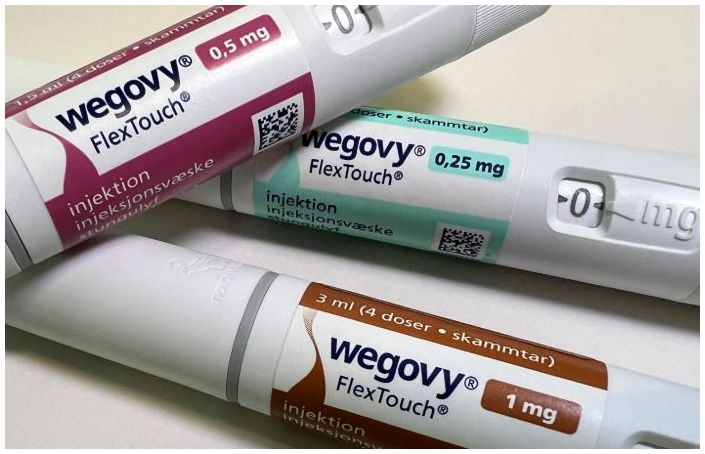
- The launch of an oral GLP-1 class obesity drug is imminent. Novo Nordisk recently completed a Phase III clinical trial for its oral obesity drug candidate and submitted a marketing authorization application to the U.S. Food and Drug Administration (FDA). Eli Lilly, a competitor of Novo Nordisk, is also developing an oral GLP-1 class drug candidate, orforglipron, as a successor to Zepbound. Lilly has confirmed significant weight loss effects of its candidate in a Phase III clinical trial. In addition, domestic and international pharmaceutical companies such as Viking Therapeutics, Ildong Pharmaceutical, and D&D Pharmatech are also actively developing oral GLP-1 drugs. Novo and Lilly complete Phase III trials side by side According to industry sources on the 28th, Novo Nordisk has completed a Phase III clinical trial for its oral semaglutide-based obesity drug candidate and recently submitted a marketing authorization application to the FDA. The pharmaceutical industry has been racing to develop new formulations since GLP-1 class obesity treatments such as Saxenda, Wegovy, and Zepbound emerged as global blockbuster drugs. The existing drug Saxenda requires once-daily administration, while Wegovy and Zepbound require weekly injections. Oral formulations are expected to gain a competitive edge in terms of convenience of administration. Novo Nordisk, which developed the oral diabetes drug Rybelsus containing semaglutide, has also begun developing an oral obesity drug. In the OASIS1 clinical trial, which confirmed the weight-loss effect of oral semaglutide, a 50mg dose of the compound demonstrated a 15% reduction in body weight compared to placebo over 68 weeks. This result was statistically significant compared to the placebo group, and adverse reactions were comparable to those observed in previous injectable clinical trials. Novo Nordisk is also developing a combination oral formulation of GLP-1 and amylin analog to stay ahead of the competition. According to clinical results disclosed to date, the average weight loss effect of this new drug candidate at week 12 was 12%. Eli Lilly has also recently disclosed the results of a Phase III clinical trial for its oral GLP-1 agent. Lilly's investigational drug, orforglipron, demonstrated simultaneous effects on HbA1c and weight loss. In the Phase III clinical trial named ACHIEVE-1, orforglipron 36 mg (once daily) reduced HbA1c by an average of 1.5% over 40 weeks. During the same period, the placebo group saw a reduction of only 0.1%. Additionally, the orforglipron group showed an average weight loss rate of 7.9%, compared to 1.6% in the placebo group, demonstrating a significant difference. In terms of safety, no significant adverse reactions were observed beyond the gastrointestinal side effects that are characteristic of GLP-1 class drug. The rate of treatment discontinuation due to adverse effects was 8% in the orforglipron 36 mg group, higher than the 1% in the placebo group, but most were mild-to-moderate in severity. No serious adverse reactions, such as liver toxicity, were reported. Lilly is preparing to submit a marketing authorization application for the obesity indication of orforglipron by the end of this year, with the diabetes indication targeted for submission in 2026. Lilly aims to shift the paradigm of the GLP-1 market, which has been dominated by injectable formulations, by leveraging orforglipron. Lilly expects a strong response from the medical field, as orforglipron is an oral small molecule drug with manufacturing ease and supply flexibility. In fact, Lilly has already invested billions of dollars in expanding its production infrastructure in the U.S. since last year to prepare for the global launch of orforglipron. Novo Nordisk and Lilly lead the oral obesity drug pathway, with Viking and Ildong among other domestic and international pharmaceutical companies in pursuit Semaglutide-based obesity drugsIn addition to Novo Nordisk and Lilly, Viking Therapeutics, Ildong Pharmaceutical, and D&D Pharmatech are also actively developing oral GLP-1 drugs. Viking Therapeutics recently announced the results of a Phase I clinical trial of VK2735, an oral candidate drug targeting GLP-1/ glucose-dependent insulinotropic polypeptide (GIP). This study evaluated the safety and tolerability of VK2735 in healthy adults with a body mass index (BMI) of 30 kg/m² or higher, who received a single daily dose of VK2735 for 28 days. The clinical results demonstrated encouraging safety and tolerability of VK2735 at a maximum daily dose of 40 mg. In detail, VK2735 at 40 mg showed a maximum weight loss effect of 5.3% compared to baseline. In terms of safety, all treatment-related adverse events reported in participants who received VK2735 were mild-or-moderate. The majority (76%) were mild, and vomiting, one of the representative side effects of obesity drugs, was not reported. Viking Therapeutics plans to confirm the potential of VK2735 through a Phase II clinical trial Yunovia, a new drug research and development subsidiary of the Ildong Pharmaceutical, is conducting a Phase I clinical trial on ID110521156, a new drug candidate in the GLP-1 receptor agonist class targeting metabolic diseases such as diabetes and obesity. ID110521156 is a small molecule drug, and the company aims to develop it as an oral synthetic new drug for diabetes and obesity with distinct advantages over existing representative treatments, such as peptide injections, including superior productivity and excellent ease of use. Previously, Yunovia confirmed the efficacy of its candidate’s insulin secretion and blood sugar control through preclinical efficacy and toxicity evaluations. Its candidate also demonstrated superior safety compared to competing drugs in the same class and confirmed promising drug characteristics in the recently completed Phase I single-ascending dose (SAD) trial. D&D Pharmatech is collaborating with U.S.-based Metsera on the development of an oral obesity drug. Previously, Metsera entered into a technology transfer agreement with D&D Pharmatech in April 2023 to acquire the rights to 'DD02S,' an oral GLP-1-based peptide obesity treatment candidate, and 'DD03,' an oral GLP-1, GIP, and glucagon receptor triple agonist obesity treatment candiate. The first patient dosing for a Phase I/II clinical trial on DD02S was completed in North America last November. D&D Pharmatech confirmed that DD02S demonstrated more than 12.5 times higher absorption rate than the currently marketed oral GLP-1-based obesity treatment ‘Rybelsus (semaglutide)’ in preclinical studies.
- Company
- K-pharma unveils results on TPD to ADC at AACR
- by Son, Hyung Min Apr 30, 2025 06:07am
- The Korean pharmaceutical and biotech industry has shown achievements in developing anticancer drugs equipped with novel mechanisms. They demonstrated potential in areas that have rapidly risen as R&D trends, such as targeted protein degraders, antibody-drug conjugates (ADCs), and bispecific antibodies. According to industry sources on the 29th, the American Association for Cancer Research Annual Meeting (AACR 2025) began on the 25th and will run for five days in Chicago, USA. The AACR is classified as one of the world’s top three oncology conferences, along with the American Society of Clinical Oncology (ASCO) and the European Society for Medical Oncology (ESMO). The annual meeting primarily features early‐stage clinical results for anticancer drug candidates, such as preclinical and phase 1 data. Dong-A ST·Therapex demonstrated achievements in preclinical trials involving TPD Companies such as Dong-A ST, Therapex, Pin Therapeutics, and Nibec unveiled their development results for targeted protein degraders (TPDs) at this meeting. While conventional small‐molecule therapies inhibit protein function, TPD drugs are designed to fundamentally degrade and remove disease-causing proteins, offering superior therapeutic efficacy and eliminating resistance issues. TPD drugs's advantage lies in their ability to target over 80 % of disease-causing proteins that cannot be modulated by conventional small‐molecule compounds. Dong-A ST unveiled preclinical results for its EGFR-targeted protein degrader 'SC2073' at this meeting. Currently available EGFR-positive lung cancer treatments include first-generation Iressa (gefitinib, AstraZeneca) and Tarceva (erlotinib, Roche), second-generation Giotrif (afatinib, Boehringer Ingelheim) and Vizimpro (dacomitinib, Pfizer), and third-generation Leclaza (lazertinib, Yuhan) and Tagrisso (osimertinib, AstraZeneca). However, resistance often develops even with highly effective targeted therapies. The C797S mutation is a key resistance mechanism in EGFR-positive treatment. Moreover, treatment options remain limited after resistance to targeted therapies emerges. For patients with resistance to targeted therapies, options such as platinum-based chemotherapy, docetaxel, or immuno-oncology agents are available, but response rates show no significant improvement. SC2073 acts on an allosteric binding site of EGFR and selectively degrades only the mutant EGFR forms that are resistant to existing non-small cell lung cancer (NSCLC) therapies. It does not affect normal EGFR, thereby minimizing associated side effects. Therapex unveiled data on its degrader antibody–drug conjugate (DAC) 'TRX-214-1002,' which links a GSPT1 molecular glue to a CD33 antibody, at AACR 2025. DACs are expected to offer higher safety than ADCs because they employ TPDs, small molecules that degrade proteins. ADCs are novel anticancer drugs that connect an antibody, which binds to specific antigens on the surface of cancer cells, with a cytotoxic drug linked by a linker. ADCs use antibodies' selectivity for their targets and the drug's cytotoxic activity to selectively target cancer cells, thereby increasing therapeutic efficacy while minimizing side effects. While Roche's Kadcyla, the first-generation ADC, is only approved for breast cancer, second-generation ADCs are approved for various indications. Enhertu and Trodelvy have been shown to be effective in various solid cancer areas, such as breast cancer, non-small cell lung cancer (NSCLC), and colorectal cancer. Despite its high intracellular target specificity and ability to induce decreased protein expression, TPD has low in vivo utilization. Developers are conducting clinical trials to use TPD and ADC for precise target identification. AACR 2025 Therapex is developing TRX-214-1002 as a treatment for acute myeloid leukemia (AML) that is refractory to existing therapies or has low drug responsiveness. In July of last year, it received support from the Korea Drug Development Fund (KDDF) to advance its development. TRX-214-1002 attaches a GSPT1 payload to the same antibody used in the ADC therapeutic 'Mylotarg.' Preclinical results showed that TRX-214-1002 demonstrated improved outcomes in AML treatment compared with conventional ADC therapies. Pin Therapeutics has unveiled the preclinical research results for 'PIN-5018' for the first time. PIN-5018 is a molecular glue degrader targeting CK1α (Casein Kinase 1 alpha), operating via a mechanism that blocks cancer cell survival pathways. Pin Therapeutics has unveiled the preclinical research results for 'PIN-5018' for the first time. PIN-5018 is a molecular glue degrader targeting CK1α (Casein Kinase 1 alpha), operating via a mechanism that blocks cancer cell survival pathways. CK1α is a serine/threonine kinase that plays essential roles in cell cycle regulation, DNA repair, immune responses, and other vital functions. PIN-5018 works by suppressing cancer cell growth and survival through induction of the degradation of this protein. PIN-5018 is being developed specifically for MSS (Microsatellite Stable) colorectal cancer, which has a low response rate to immuno-oncology drugs. MSS-type colorectal cancer accounts for approximately 80–85% of all colorectal cancers. Still, it is classified as an area of high unmet need because current response rates to immuno-oncology drugs or targeted therapies are low, and the duration of response is short. Pin Therapeutics reported that PIN-5018 demonstrated superior antitumor efficacy compared to existing first-line therapies in preclinical studies and showed positive potential as a monotherapy and in combination regimens. Yuhan·Celltrion·Aptamer Sciences presented preclinical results for ADCs and bispecific antibodies Yuhan and ABL Bio presented preclinical data on 'YH32364' (ABL104) in a poster session at this AACR meeting. YH32364 is designed as a bispecific antibody that simultaneously targets EGFR and 4-1BB. EGFR is a well-known biomarker expressed in major solid tumors, including non–small cell lung cancer (NSCLC) and colorectal cancer. By simultaneously targeting EGFR and T-cell activating 4-1BB, Yuhan aims to maximize the antitumor effect of this immuno-oncology candidate. Yuhan reported that in a preclinical efficacy trial, YH32364 showed stronger superior effects in EGFR-expressing tumors compared to cetuximab. It was demonstrated that the candidate drug retained long-term anti-tumor effects through immunological memory. Furthermore, it was confirmed that YH32364 activated 4-1BB signaling in EGFR-expressing tumors, leading to the recruitment of tumor-infiltrating immune cells and altering the tumor microenvironment. Cetuximab is an anticancer agent that targets the EGFR receptor and is used to treat various cancers, including colorectal cancer, head and neck cancer, and lung cancer. It is particularly well known to be effective in colorectal cancer patients with KRAS gene mutations. Yuhan stated that YH32364 works by activating immune cells through EGFR-specific 4-1BB signaling in tumors. The company hopes YH32364 will be more effective in a wide variety of EGFR-expressing solid cancers than anti-EGFR mAb. AACR 2025 Celltrion presented preclinical results for its multi-specific antibody-based anticancer drug candidate, 'CT-P72.' CT-P72 is a multi-specific antibody immunotherapy co-developed by Celltrion and Abpro, a biotechnology company based in the United States. This therapy is designed as a T-cell engager (TCE), which connects cancer cells that express HER2 (Human Epidermal Growth Factor Receptor 2) with T cells, a type of immune cell, to help eliminate the cancer cells. T-cell engagers are a bispecific antibody-based modality that physically links cancer cells and immune cells to treat cancer. This mechanism can harness the human immune system to attack cancer, enabling more precise targeting of cancer cells and eliciting a potent immune response. CT-P72 is designed to simultaneously target HER2 and the immune cell surface protein CD3 to activate T cells and attack cancer cells while minimizing toxicity to normal cells. In particular, it demonstrated high tumor inhibition by selectively acting on cancer cells in HER2-overexpressing tumor models. Moreover, CT-P72 consistently maintained its antitumor efficacy in both in vitro and in vivo studies, and in primate toxicity tests, it exhibited 180-fold superior safety compared to a reference compound. Aptamer Sciences presented pre-clinical results of its new ADC candidate product, 'AST-203.' AST-203 targets the protein TROP2, which is predominantly expressed in breast, pancreatic, gastric, and lung cancers. This drug candidate binds selectively to TROP2-positive tumors, penetrates the cells, and releases the microtubule inhibitor MMAE to induce cancer cell death. AST-203 is made by conjugating TROP2-targeting antibody with 'MMAE,' a microtubule disruption agent, with linker 'VC-PAB.' TROP2 is an intracellular calcium signal transducer involved in cell proliferation and survival. Among TROP2-targeting drugs, the commercialized products are Gilead's ADC Trodelvy and Daiichi Sankyo/AstraZeneca's Datroway. Both products are approved for breast cancer indications only. Because TROP2 is mainly found in breast cancer, NSCLC, colorectal cancer, and pancreatic cancer, later entrants are conducting clinical trials targeting these major solid tumors. Aptamer Sciences is exploring ways to overcome the limitations of existing ADC therapies using its proprietary ADC platform technology, 'Aptamer.' Aptamers are one-tenth the size of antibodies, allowing deeper penetration into tumor tissue and rapid delivery to target cells for therapeutic effect. In preclinical studies, Aptamer Sciences confirmed the potential of AST-203 in tumor spheroid models (three-dimensional aggregates of cultured cells). According to the company, AST-203 demonstrated a 6.7-fold higher tumor penetration rate than Trodelvy.

- Company
- ‘Policy support required for hidradenitis suppurativa’
- by Whang, byung-woo Apr 30, 2025 06:06am
- “Hidradenitis suppurativa is difficult to cure and requires long-term treatment. As it is a rare disease, I think it is desirable to increase access to treatments with clear treatment benefits by providing both reimbursement and special calculation for this disease, which has a small number of patients.” Hidradenitis suppurativa is a disease whose exact cause or pathogenesis has not yet been fully identified, and it is a rare disease with a prevalence rate of less than 1% in South Korea. The number of patients with hidradenitis suppurativa in South Korea is estimated to be approximately 10,000 as of 2022, which only includes those who have been clearly diagnosed after experiencing recurrent lesions and formation of tracts beneath the skin. Although TNF-α inhibitors are a reimbursable treatment option, options are limited when considering treatment failure and side effects. Joo Yeon Ko, Department of Dermatology, Hanyang University Medical CenterAt an interview with Dailypharm, Joo Yeon Ko, Professor of Dermatology at Hanyang University Medical Center emphasized the need to improve access by expanding treatment options for hidradenitis suppurativa. Hidradenitis suppurativa causes abscesses to form in various areas around the sebaceous glands beneath the skin. Unlike typical abscesses, the lesions are connected to each other, forming channels known as “tracts.” It is broadly classified into ▲active, where inflammation persists, and ▲inactive, where no further inflammation occurs; however, it is difficult to clearly distinguish between the active and inactive states. Professor Ko explained, “Even in the same patient, the condition can be highly active at one time and stable at another, so the medication and treatment methods used may vary depending on the individual's condition. In the case of active disease, the patient experiences severe pain due to inflammation in areas such as the armpits, and the goal of treatment is to reduce the frequency of the inflammation.” He continued, “Mild-to-moderate patients rarely visit university hospitals, and mild patients with symptoms in one or two areas are mainly treated at private clinics. It is important to identify the potential for progression to severe disease in mild patients, as a higher recurrence rate is associated with a higher risk of progression.” Limited treatment options for suppurative hidradenitis, IL-17 emerges but faces hurdles for use The basic treatment for suppurative hidradenitis is I&D (incision and drainage), which involves incising the area where the patient feels pain to remove the internal inflammation. In addition, antibiotics are administered for about 3 months to reduce inflammation, and if there is a high risk of recurrence, sebum inhibitors used to treat acne are also used. However, in severe cases, these treatments are not sufficient to control the inflammation, and biological agents are used. Currently, Humira (adalimumab), a TNF-α inhibitor, is covered by insurance. In addition, although not yet covered by insurance, the interleukin-17 (IL-17) inhibitor Cosentyx (secukinumab) was approved in Korea in 2015, approximately 8 years after the approval of Humira. Professor Ko said, “TNF-α inhibitors covered by insurance have the advantage of broadly blocking inflammation, but they also have the limitation of blocking the inflammatory response that is necessary for our bodies. IL-17 inhibitors have a more targeted mechanism than TNF-α inhibitors and show similar therapeutic effects and superior safety.” According to overseas and domestic guidelines, both TNF-α inhibitors and IL-17 inhibitors are currently recommended as first-line treatment options. If sufficient therapeutic effects are not achieved with oral medications, one of the two approved biological agents can be selected. Regarding this, Professor Ko explained, “Although TNF-α inhibitors have been covered by insurance in Korea for over 5 years, not many patients actually use them on-site. TNF-α inhibitors have a broad anti-inflammatory mechanism, which raises concerns about side effects, and when we explain this to patients, they are reluctant to use them.” In actual treatment, patients who received IL-17 inhibitors (Cosentyx) showed a significant improvement in quality of life after continuing treatment for one and a half years, said Professor Ko. Previously, patients had severe symptoms requiring surgery and were unable to move their arms properly, but after treatment, their symptoms improved significantly, and the use of antibiotics and other medications decreased to 25% of the previous level. Professor Ko stated, “In global clinical trials, approximately 60% of patients achieved HiSCR 50 with Cosentyx. This means that 60% of patients experienced a 50% or greater improvement in symptoms. While a 50% improvement may seem modest, it actually represents a significant improvement.” He added, “Hidradenitis suppurativa is a disease that develops at a young age and requires long-term management, so controlling it with medications that have few side effects is the best approach. In this regard, I believe Cosentyx is a good option at this point.” “Hidradenitis suppurativa, a rare and intractable disease pustular psoriasis…unrestricted special reimbursement calculation support is needed” However, there are restrictions on the use of the IL-17 inhibitor Cosentyx. Unlike Humira, which is covered by reimbursement, Cosentyx is not yet covered. In fact, Novartis Korea applied for reimbursement expansion for Cosentyx for hidradenitis suppurativa in November last year, but the discussions are at a standstill. Professor Ko said, “IL-17 inhibitors have already been used extensively in psoriasis, so there is a tendency to prefer Cosentyx, but it is difficult to use it actively because it is not covered by insurance. Currently, if TNF-α inhibitors are used and sufficient effects are not seen, the cost of using Cosentyx thereafter is extremely high.” Professor Ko emphasized that while it may be worth considering distinguishing treatment sequence within biological agents based on practical factors like drug prices, from a medical perspective, it is important to prioritize options that have fewer side effects. He said, “If TNF-α inhibitors are used in the first line and are not effective, using Cosentyx as a the next treatment option can be an alternative, but this cannot be considered the ideal approach from a medical standpoint. In the long term, it would be desirable to apply reimbursement so that both treatments can be used on an equal footing.” Additionally, Professor Ko stressed the need for policy support to apply special reimbursement calculation provisions for the rare and intractable disease suppurative hidradenitis. Currently, suppurative hidradenitis is classified according to severity, and only severe cases are eligible for special reimbursement and insurance coverage, but the total number of patients is only about 10,000, and among them, less than 1,000 are estimated to be severe cases. Therefore, even if reimbursement and special calculations are applied simultaneously, it is unlikely to place a significant financial burden on the government. Professor Ko said, “For diseases like hidradenitis suppurativa, which have a small number of patients and treatments offer clear benefits, it is necessary to increase access to treatment by providing both reimbursement and special calculations. Even if reimbursement and special calculations are applied simultaneously, only a few dozen patients will actually benefit and use Cosentyx each year.” Finally, he added, “Effective medications for treating hidradenitis suppurativa are continuing to emerge, and better ones will be developed in the future. I hope patients do not lose hope and actively consult with medical professionals and seek treatment.”

- Company
- ‘Oral drug Fabhalta changes PNH treatment paradigm'
- by Son, Hyung Min Apr 29, 2025 05:56am
- Youngil Koh, Professor of Hematology/Medical Oncology, Seoul National University Hospital “While significant progress has been made in the treatment of paroxysmal nocturnal hemoglobinuria (PNH), unmet needs remain. Given the relatively young age of patients, there is an increasing emphasis on the need for treatment strategies that not only ensure survival but also improve anemia and enable patients to return to their daily lives. Therefore, I believe that Fabhalta, which improves ease of administration and has been shown to be effective in improving anemia, will become more widely used." Youngil Koh, Professor of Hematology/Medical Oncology, at Seoul National University Hospital, emphasized so in a recent interview with Dailypharm regarding the paradigm shift being made in the PNH treatment landscape. PNH is a rare condition caused by acquired genetic mutations. While the term “acquired mutation” often brings to mind cancer, PNH is classified as a type of “clonal hematopoiesis,” not a blood cancer. While multiple mutations in hematopoietic stem cells can lead to blood cancer, PNH occurs when a single mutation occurs in the PIGA gene, which is located on the X chromosome. PNH is currently known to have no fundamental cure. However, with advancements in science, treatment approaches have been evolving with therapies developed to inhibit the activity of the complement system. The complement system is a core component of the innate immune system, serving as a powerful defense mechanism that directly attacks and destroys pathogens. This system consists of multiple pathways, including C3 and C5, and ultimately forms the “membrane attack complex (MAC),” which destroys red blood cells. Until now, treatments that inhibit C5, located at the terminal pathway of the complement system, have been primarily used. Notably, the introduction of Soliris, an injectable medication administered every 2 weeks, followed by Ultomiris, which can be administered every 8 weeks, has improved the treatment landscape. Many patients still manage their condition using these treatments. However, among the PNH patients receiving treatment, unmet needs still remain in those suffering from persistent fatigue, insufficient symptom improvement, and blood transfusion dependence. In particular, even when C5 is inhibited, the activation of the upstream C3 pathway continues, leading to the premature removal of red blood cells in the liver and spleen and the repeated need for blood transfusions. Professor Koh said, “Statistically, only about 20% of all PNH patients are reported to have their symptoms sufficiently controlled by C5 inhibitors alone to enable them to live normal lives. The remaining 80% of patients cannot completely control their symptoms, and about half of them clearly need other treatment options.” He added, “The complement system is composed of multiple pathways, with C3 located at the upper stage and C5 at the lower stage. While existing C5 inhibitors have acted by blocking the lower stage, it has been confirmed in actual clinical settings that inhibiting C5 alone may still pose issues due to the activation of C3 at the upper stage.” Introduction of Fabhalta, the first oral option Fabhalta was developed to address these issues and works by inhibiting complement factor B, which plays an important role in C3 activation. By regulating the overactivation of C3, it enables a new therapeutic approach to areas that were not addressed by existing C5 treatments. Based on this mechanism of action, Fabhalta is attracting attention as a new treatment option that can meet unmet needs that could not be addressed with existing C5 inhibitors alone. In particular, this treatment has the advantage of being effective against anemia and extravascular hemolysis. Fabhalta demonstrated efficacy in the APPLY-PNH Phase III clinical trial, which enrolled 97 adult PNH patients aged 18 years and older with residual anemia (mean hemoglobin level less than 10 g/dL) despite receiving C5 inhibitors for at least 6 months. Through random assignment, 35 of the 97 patients continued C5 inhibitor treatment, while the remaining 62 switched to Fabhalta, and the effects of the treatments were evaluated for 24 weeks. The clinical results showed that patients who switched to Fabhalta had normalized hemoglobin levels from week 4, and this effect continued through week 24. Hemoglobin normalization was confirmed in approximately two out of three patients. In addition, four out of five patients showed clinically significant increases in hemoglobin levels, and 95% of patients overcame their blood transfusion dependence. No adverse reactions requiring discontinuation of treatment occurred with Fabhalta. The incidence of acute hemolysis was significantly lower than that of C5 inhibitors, and although headaches, diarrhea, and nausea occurred, they were generally mild and resolved within one week. Professor Koh said, “The main purpose of this clinical trial was to confirm the effectiveness of Fabhalta in improving anemia, and the results showed that the hemoglobin level improved in more than 80% of the Fabhalta group and that blood transfusions were avoided in about 90% of the cases. On the other hand, no such improvement was observed in the group of patients who received only conventional C5 inhibitors.” He added, “These results are considered to have served as clinical proof that Fabhalta is a treatment option that can improve anemia that could not be resolved with existing treatments and significantly reduce dependence on blood transfusions.” The strength of Fabhalta lies in its formulation. As an oral medication, Fabhalta is easier to administer than existing intravenous formulations such as Soliris and Ultomiris. Many patients in clinical practice have expressed their desire to switch to Fabhalta if it becomes reimbursed by insurance, and Koh explained that patient satisfaction with treatment is likely to increase not only because of improved hemoglobin levels but also because of the switch to an oral formulation. Professor Koh stated, “PNH has an average onset age in the early 40s, making it more common in relatively younger age groups. In actual practice, many patients continue working while undergoing treatment. Among existing treatments, Ultomiris is an injectable medication administered every 2 months, which reduces the burden of hospital visits compared to Soliris, significantly improving patient satisfaction. Based on this experience, Fabhalta is the first oral medication that can be taken without visiting a hospital, which is a big change for patients in terms of the method of administration alone." Unmet demand remains…Treatment environment needs improvement Professor Koh expressed a very positive outlook on the ongoing development of therapies with various complement inhibition mechanisms because these can potentially address the unmet needs that could not be resolved with existing C5 inhibitors. For example, Fabhalta inhibits factor B, Empaveli (pegcetacoplan) inhibits factor C3, and Voydeya (danicopan) inhibits factor D, with each drug having a different treatment profile because they act at different sites. Professor Koh said, “All of these treatments can be effective in meeting unmet needs, but they have distinct advantages and disadvantages in terms of dosage method and whether they are used in combination. Empaveli requires twice-weekly subcutaneous injections, which can be burdensome, but it can be an effective option for patients who have little aversion to injections. On the other hand, Voydeya requires combination therapy with a C5 inhibitor, which increases the medication burden, but it also has the advantage of potentially improving adherence through the use of a combination injection.” He added, “However, under the current reimbursement standards in Korea, initial treatment must still begin with C5 inhibitors, so in practice, we discuss which drug patients may switch to when unmet needs arise, such as anemia.” Novartis Korea is currently negotiating Fabhalta’s drug prices with the National Health Insurance Service, the final gatekeeper for insurance reimbursement. Professor Koh said, “When discussing with patients, there are quite a few cases where they are waiting for reimbursement for Fabhalta. We have recommended Empalveli to some patients, but many of them feel burdened by the twice-weekly injections and have expressed their intention to switch to oral medication once it becomes covered by insurance. This tendency is particularly prominent among young patients who are socially active.” He added, “Fabhalta has shown potential as a first-line treatment option. In the future, newly developed drugs with new mechanisms of action must be adopted as first-line treatments so that PNH patients can be said to be receiving more practical and comprehensive care.”
- Company
- Launch of a nasal spray vaccine imminent
- by Whang, byung-woo Apr 29, 2025 05:56am
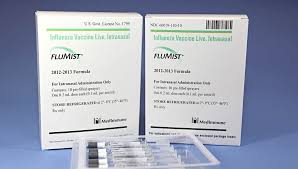
- AstraZeneca Korea's nasal spray, four-valent influenza vaccine 'FluMist' is set to launch domestically in the second half of the year, and new competition is expected. Product photo of FluMistAccording to industry sources, AstraZeneca Korea is preparing to introduce FluMist for the 2025–2026 influenza vaccination season. FluMist is a live‐attenuated, four-valent influenza vaccine administered via nasal spray. This drug was approved by the Ministry of Food and Drug Safety (MFDS) on May 22 last year and is indicated for the prevention of influenza in children and adolescents aged 24 months to 17 years, and in adults up to 49 years of age. FluMist was first approved by the U.S. Food and Drug Administration (FDA) in 2003 and its indication was expanded to four-valent vaccine in 2012. Notably, in September of last year, it became the first self‐administered influenza vaccine approved by the FDA. Globally, FluMist recorded sales of KRW 252.7 billion (USD 175 million) in 2023. In South Korea, GC launched FluMist in 2009 after acquiring it from MedImmune but discontinued sales in 2014 after underperforming. At that time, it was introduced as a three-valent formulation. Thus, a nasal spray-type influenza vaccine will be launched approximately ten years later as a four-valent formulation. Furthermore, it is also the first influenza vaccine to be launched in South Korea by AstraZeneca. The company has reportedly begun preparations for launch, including hiring dedicated staff. In a recent organizational restructuring, AstraZeneca Korea consolidated all its product lines, excluding oncology and rare diseases, into a single division where it will be responsible for the influenza vaccine business. Once FluMist is introduced domestically in the second half of the year, it will provide a new option in a market dominated by injectable vaccines. The Korean market for influenza vaccination includes domestic and foreign manufacturers designated in the National Immunization Program (NIP). Currently, available vaccines are all injectable formulations. The introduction of a nasal spray delivery method is expected to be particularly attractive for children and adolescents who fear needles. According to the Korea Disease Control and Prevention Agency (KDCA), the pediatric influenza vaccination rate in 2024 is approximately 60%, lower than the adult rate (over 80%), with needle phobia identified as a significant barrier. FluMist's nasal delivery could help overcome this. However, several constraints, notably price, remain before FluMist can gain significant market traction. In North America, FluMist is priced about 20–30% higher than injectable vaccines, suggesting it may also be positioned as a premium product in Korea. A further hurdle is that FluMist's primary target population, children and adolescents, is already covered by free NIP vaccinations. There may be little incentive to choose a paid nasal spray alternative. Additionally, the storage and administration requirements for a nasal spray differ from those for injectables, posing an adaptation challenge for healthcare institutions. As a result, some industry observers expect FluMist to be adopted initially by large tertiary hospitals. A vaccine industry employee said, "A nasal spray influenza vaccine can offer an alternative for those with needle phobia, but factors such as price, consumer perception, and competition remain variables. We expect AstraZeneca Korea to monitor the market closely before finalizing its marketing strategy."

- Company
- Shingrix sales KRW 42B… leads shingles vaccine mkt
- by Nho, Byung Chul Apr 29, 2025 05:56am
- In the shingles vaccine market, the genetically engineered recombinant zoster vaccine Shingrix has achieved sales of KRW 42 billion in just over 3 years since its launch, maintaining its lead in the market for 2 consecutive years. Based on pharmaceutical distribution performance, GSK's Shingrix recorded sales of KRW 360 million, KRW 38.4 billion, and KRW 42 billion in 2022, 2023, and 2024, respectively, leading the market. The sales figures for attenuated vaccines SK Bioscience's SKYZoster and MSD's Zostavax in 2023 were KRW 18.7 billion and KRW 17.4 billion, respectively. Among the two attenuated vaccines, it is noteworthy that the later-launched SKYZoster surpassed Zostavax’s sales, which was launched 8 years earlier. Zostavax was approved by the MFDS in April 2009, and SKYZoster in September 2017. As the first-ever vaccine to receive FDA approval, Zostavax maintained its position as the only shingles vaccine available in the domestic market from its launch until SKYZoster was released. However, its lead has been threatened by the launch of the recombinant zoster vaccine Shingrix, a strong competitor. In 2023, it even fell behind SKYZoster, a later-generation attenuated vaccine, further losing its market position. In 2023, SKYZoster generated sales of KRW 26.2 billion, surpassing Zostavax by KRW 3.9 billion. Nevertheless, the market trend is shifting from first-generation attenuated vaccines to second-generation genetically engineered vaccines, resulting in a significant decline in the performance of first-generation vaccines. Zostavax's sales plummeted from KRW 43.2 billion in 2020 to KRW 17.4 billion in 2024. During the same period, SKYZoster’s sales also plummeted from KRW 29.1 billion to KRW 18.7 billion. Attenuated vaccines and genetically engineered vaccines exhibit stark differences in terms of advantages and disadvantages, which serve as a key determinants in sales growth. Zostavax and SKYZoster are attenuated vaccines that weaken the virulence of the virus. It has a preventive efficacy of around 60–70% in people aged 50–60 and offers high convenience as a single dose. However, their preventive efficacy decreases with age, potentially dropping to 30% in those over 70. Genetically engineered vaccines, which create antigens similar to the virus, pose no risk of infection. It demonstrates strong preventive efficacy, with a protection rate of 97.4% in those in their 60s and 91.35% in those in their 70s, achieving over 90% protection across all age groups. In addition, its safety has been demonstrated in clinical trials targeting individuals aged 18 and older with weakened immune systems, making it suitable for administration to those with compromised immunity, such as cancer patients or organ transplant recipients.
- Company
- Hemophilia A drug 'Obizur' available at major hospitals
- by Eo, Yun-Ho Apr 28, 2025 05:54am
- Product photo of Obizur Obizur, a treatment for acquired hemophilia A, is now available for prescription at general hospitals. According to industry sources, Takeda Korea's 'Obizur (susoctocog alfa),' a treatment for acquired hemophilia A (AHA) in adult patients, has passed drug committees (DC) of tertiary general hospitals, including Samsung Medical Center, Seoul St. Mary's Hospital, and Sinchon Severance Hospital, and other medical institutes, such as Kyung Hee University Medical Center and Seoul National University Bundang Hospital. Obizur has consistently expanded prescription areas since its inclusion on the insurance reimbursement list in March. Obizur was designated Korea's orphan drug in July 2021, and it was considered for reimbursement evaluation immediately after obtaining domestic approval in March. Under the AHA indication, this drug restores the missing coagulant VIII, unlike existing medications designed to bypass it. A recombinant product was created by removing the B-domain from porcine coagulation factor VIII, which is highly homologous to the human protein. Because autoantibodies less readily recognize it, it can substitute for inactivated human factor VIII, aiding coagulation and helping to control bleeding. Through this mechanism, it is the only AHA therapy whose factor-VIII levels can be reliably monitored by the standard assay, enabling individualized dosing. Meanwhile, in a prospective, nonrandomized, open-label Phase 2/3 study evaluating the efficacy of Obizur in 28 patients with AHA, all participants treated with the product demonstrated a positive response for every initial bleeding episode at the 24-hour assessment. Positive response was defined as cessation or reduction of bleeding accompanied by clinical improvement or factor-VIII activity exceeding target levels. At the final dosing assessment (within two weeks of administration), the overall treatment success rate was 85.7% (24/28 patients), with higher success rate observed in those receiving it as first-line treatment. The patient group who received Obizur as a first-line treatment achieved a 94% success rate (16/17 patients), while the second-line patient group showed a 73% success rate (8/11 patients). No serious adverse events or deaths related to the product were reported.

- Company
- 'Early diagnosis·3 combo therapy·tolerance' for COPD Tx
- by Whang, byung-woo Apr 28, 2025 05:54am
- "With South Korea entering a super-aged society, the number of patients with chronic obstructive pulmonary disease (COPD) will continue to rise. As the population ages, early detection and treatment to prevent high-risk patients from worsening are critically important." At the end of last year, the Korean COPD treatment guidelines were revised for the first time in six years, simplifying patient classification and adding blood eosinophil count criteria to treatment-strategy establishment. The aim was to simplify the guidelines compared with the previous version, making treatment more straightforward in clinical practice. The initial treatment strategies now categorize patients into low-risk and high-risk groups. Dr. Yong Bum Park, Professor of the Pulmonary Department at Kangdong Sacred Heart Hospital (chair of the COPD guidelines revision committee), emphasized the need for appropriate treatment approaches and policy improvements in response to the growing COPD patient population. COPD is a condition in which abnormalities occur in the 'airways' necessary for breathing or in the alveoli at the lung periphery, influenced not only by smoking but also by indoor and outdoor air pollution, occupational hazards, and genetic factors. Dr. Yong Bum Park, Professor of the Pulmonary Department at Kangdong Sacred Heart Hospital Korea's National Health and Nutrition Examination Survey shows that approximately 13% of the population aged 40 and over has COPD. With an aging population, it is reported that one in two men aged 65 and above in Korea suffers from COPD. Dr. Park explained, "Although COPD prevalence appears high at 12%, according to Health Insurance Review & Assessment Service (HIRA) criteria, at most 5% have been diagnosed with COPD, and of those, fewer than 2% are registered as patients and managed in hospitals." Therefore, the most critical aspect of COPD treatment is early diagnosis. For this reason, the Korean Academy of Tuberculosis and Respiratory Diseases has proposed to the government that pulmonary function testing be included in the national health screening program. It has been pointed out that if treatment is initiated at an advanced stage of the disease, more medications will be required, increasing not only the individual burden due to exacerbations but also the overall national burden. In fact, a domestic study estimated the socio-economic burden of COPD patients at approximately KRW 1.4 trillion. Dr. Park said, "The socio-economic burden reaches about KRW 1.4 trillion for patients receiving care in hospitals alone, which is a substantial burden. I believe it is crucial to detect these patients early." Even though COPD carries a significant socio-economic burden once diagnosed, the general public remains poorly informed about the disease, making early diagnosis through national screening necessary. Dr. Park emphasized, "If pulmonary function testing were implemented as part of the national health screening, it would detect COPD and all conditions associated with impaired lung function, such as asthma or pulmonary fibrosis. With early diagnosis, patients with symptoms can receive pharmacotherapy or preventive measures, such as vaccinations, management of risk factors like smoking, and rehabilitation through exercise, to halt disease progression and exacerbations." Guidelines for COPD treatment were revised after six years…has been simplified categorizing patients from three patient groups to low-risk‧high-risk patient groups Not only in Korean but also in global COPD guidelines, pulmonary function testing is specified as essential for diagnosis. In December 2024, the domestic COPD guidelines were revised for the first time in six years, simplifying patient classification and adding a blood eosinophil count criterion to inform treatment strategy for promptly managing diagnosed patients. While the previous 2018 guidelines classified COPD patients into three groups based on FEV1 (forced expiratory volume in one second), number of exacerbations in the past year, the mMRC dyspnea scale, and the COPD Assessment Test (CAT), the revised guidelines now categorize patients into only two risk categories, high-risk and low-risk, based solely on the number of exacerbations in the past year. Dr. Park explained, "Over the past 3-4 years, combination therapy with LABA+LAMA is superior to LABA or LAMA monotherapy in terms of quality of life, lung function, symptom improvement, and reduction in exacerbation frequency, reducing the need for multiple low-risk subgroups. Therefore, patients are now categorized into high-risk and low-risk groups, and the initial treatment strategies have been updated accordingly." Although the guideline revision is intuitive, key points are worth highlighting. The revised guidance identifies exacerbation history as a crucial variable and incorporates a blood eosinophil count criterion for medications. As a result, for high-risk patients, if the blood eosinophil count is below 300 cells/㎣, LABA+LAMA combination therapy is recommended. If it is 300 cells/㎣ or higher, triple combination therapy with ICS+LAMA+LABA is advised. Dr. Park noted, "Patients in the high-risk group with a blood eosinophil count of 300 cells per microliter or more are known to respond well to inhaled corticosteroids (ICS), so ICS use is recommended. Notably, triple combination therapy combining ICS+LAMA+LABA into a single inhaler has demonstrated efficacy in reducing mortality, improving lung function, and enhancing quality of life, which is why triple combination therapy is recommended for high-risk patients." "Training is crucial for COPD inhaler treatment…Triple combination therapy offers better drug tolerance" The most common COPD triple combination therapy is Trelegy Ellipta (fluticasone furoate/umeclidinium/vilanterol). In the IMPACT Phase 3 trial, triple combination therapy with Trelegy reduced the treatment risk of all-cause mortality by 42% compared with LAMA+LABA therapy. In a post-hoc analysis, patients receiving Trelegy triple combination therapy experienced a 38% reduction in on-/off-treatment all-cause mortality risk compared with those on LAMA+LABA therapy. Dr. Park mentioned, "Even in the overall trial results, about half of high-risk patients continue to experience symptoms, exacerbations, and dyspnea despite triple therapy," and added, "Nevertheless, compared with previous medications, the newer triple combination therapies, especially single-device formulations like Trelegy, are much more convenient for patients to use." One of the key issues in COPD treatment is drug adherence. Unlike oral therapies for hypertension or diabetes, COPD treatment relies heavily on inhalers, making patient education and support more challenging. Moreover, improper inhaler technique can reduce efficacy, underscoring the importance of training. Dr. Park said, "Previously, triple combination therapy required two separate inhalers, but now the advantage is that three medications can be delivered evenly through a single device. In patients who had used two devices or LABA+LAMA dual combination therapy, switching to triple therapy improved symptoms and reduced exacerbation rates." Finally, Dr. Park again emphasized the importance of early diagnosis in a growing COPD patient population. "In South Korea, only about 2-5% of patients are currently managed, while the remaining 95-98% are not even aware that they have COPD," Dr. Park added, "Once the disease progresses to severe stages and exacerbations begin, the socio-economic burden increases significantly, so we must establish methods for early COPD diagnosis."
