
- LOGIN
- MemberShip
- 2026-04-28 14:33:08
- Company
- Adstiladrin receives orphan drug designation in Korea
- by Eo, Yun-Ho Jun 18, 2025 05:59am
- The new bladder cancer drug Adstiladrin has been designated as an orphan drug in Korea. The Ministry of Food and Drug Safety recently announced the news in a orphan drug designation announcement. The specific indication for designation is “treatment of BCG-refractory high-risk non-muscle-invasive bladder cancer (NMIBC) with carcinoma in situ (CIS) with or without papilloma.” Adstiladrin (nadofaragene firadenovec-vncg) received FDA approval in the United States in 2022. This drug uses a non-replicating adenovirus vector to deliver the human interferon alpha-2b gene, inducing an immune response by directly expressing the protein within the bladder epithelium. Adstiladrin demonstrated efficacy through the NCT02773849 clinical trial that involved 157 patients with bladder cancer. In the study, 51% of the 98 patients treated with Adstiladrin achieved complete response (CR). The median duration of response was 9.7 months. In addition, 46% of patients who achieved CR remained recurrence-free at 12 months after treatment. The most commonly reported side effects were instillation site discharge (33%), fatigue (24%), bladder spasms (20%), urinary urgency (19%), and hematuria (17%). The rate of discontinuation due to side effects was 1.9%. Non-muscle-invasive bladder cancer (NMIBC) is an early-stage bladder cancer confined to the bladder mucosa, accounting for approximately 70–80% of all bladder cancers. Among these, high-risk patients include those with carcinoma in situ (CIS) or multifocal high-grade tumors, which have a high risk of recurrence and invasion. Although BCG instillation therapy is used as first-line treatment, approximately 30–50% of patients eventually experience recurrence or become resistant within a few months. While radical cystectomy is considered the standard treatment thereafter, as it is a highly invasive surgery, there has been a continued demand for bladder-preserving therapeutic alternatives.
- Company
- Long-acting HIV treatment shifts HIV treatment paradigm
- by Whang, byung-woo Jun 18, 2025 05:59am
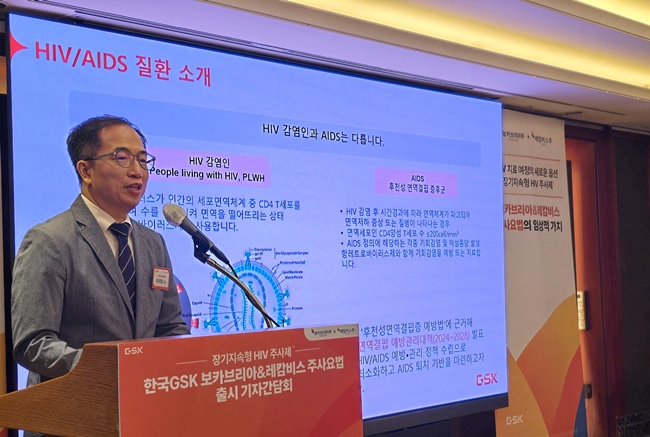
- With insurance reimbursement now available for the long-acting HIV (human immunodeficiency virus) treatment Vocabria+Rekambys injection therapy, expectations are high on how it will meet the unmet demand. Compared to existing treatments that require daily administration, the new treatment is administered only 6 times a year, offering overwhelming convenience. With its accessibility barriers removed with reimbursement approval, the treatment is expected to gain influence quickly in the market. On the 17th of this month, GSK Korea held a meeting to commemorate the domestic launch of the Vocabria+Rekambys injection therapy and highlighted the treatment's effects and significance. The Vocabria+Rekambys combination was approved by the Ministry of Food and Drug Safety in February 2022 as a combination therapy for the treatment of HIV-1 infection in adult patients who are virologically suppressed, have no history of virological failure, and have no known or suspected resistance to cabotegravir or rilpivirine. Jae-Phil Choi, Professor of Infectious Diseases at Seoul Medical Center Jae-Phil Choi, Professor of Infectious Diseases at Seoul Medical Center, who presented at the event, stated, “Thanks to advancements in treatment that allow effective suppression of the virus, HIV has become a chronic condition that can be managed for life, similar to diabetes or hypertension. However, despite advancements in HIV treatment, social discrimination and stigma against people living with HIV remain widespread in South Korea.” According to Professor Choi, negative perceptions toward HIV influence treatment adherence among infected individuals, leading many to hesitate about seeking active early treatment and serving as a barrier to continuing treatment. According to the 2024 HIV Treatment Awareness Survey conducted by Love4One, a group representing people living with HIV, 73% of respondents in Korea reported feeling anxious that taking HIV medication might expose their status to others or attract unwanted attention. While conventional HIV treatments require daily oral dosing (365 days a year), injectable therapy using Cabotegravir (Vocabria) can reduce the dosing frequency to as little as once a month or once every two months—up to just 6 times a year. These advantages are expected to be effective in alleviating the anxiety caused by social stigma, which is one of the major challenges faced by HIV-infected individuals. Professor Choi emphasized, “Domestic HIV-infected individuals feel a significant psychological burden when taking medications, and as a result, they prefer long-acting HIV injections over oral medications that require daily intake. The Vocabria+Rekambys injection therapy could serve as an option that reduces anxiety about disclosure of infection status and alleviates the inconvenience and concerns associated with daily dosing, thereby providing high treatment adherence and satisfaction.” “High demand for bi-monthly dosing, sufficient flexibility in administration” Next, Professor Yeon-Sook Kim of the Department of Infectious Diseases at Chungnam National University Hospital, who participated in the clinical trial of the Vocabria+Rekambys injection therapy, stated that considering the treatment efficacy of the regimen, it may be possible to adjust treatment options according to the lifestyles of people living with HIV. Yeon-Sook Kim, Professor of Infectious Diseases at Chungnam National University HospitalProfessor Kim stated, “Analysis of data from HIV-infected individuals in Asia (n=41), including Korean HIV-infected individuals in the Phase IIIb clinical trial of the Vocabria+Rekambys injection therapy, showed that 83% of participants maintained viral suppression at Week 96 of treatment, with no reported cases of defined virological failure. This suggests that the Vocabria+Rekambys injection therapy could be an effective treatment option for HIV-infected individuals in Korea.” Professor Kim added, “A survey of HIV-infected individuals in Korea showed a high demand for ‘long-acting treatment with less frequent dosing’ for HIV treatment. With the recent reimbursement approval, it is worth considering changing the treatment option to a long-acting HIV injection according to the lifestyle of infected individuals.” However, along with expectations for reimbursement for the Vocabria+Rekambys injection therapy, there is also the concern that patients may feel burdened by having to visit the hospital more frequently. In the case of the Vocabria+Rekambys injection therapy, there is a 7-day period before and after the standard administration cycle, allowing for a total of 14 days of flexibility in administration, but this means that some patients may find it difficult to switch depending on their circumstances. “From the patient's perspective, there are cases where it is difficult to take time off work, and these patients receive prescriptions for oral medication once every 6 months. In such cases, it may be difficult to recommend switching to an injection therapy. However, for patients who typically receive a prescription every 3 months, we can consider switching to a long-acting injection administered every 2 months.” Professor Kim added, “Additionally, in cases where it is difficult to align the administration schedule due to overseas business trips, it is possible to reintroduce oral therapy. Since it is possible to switch back to oral medication after using the injection therapy, we believe there is sufficient flexibility in its administration.”
- Company
- Lotte-Axcelead-Kanaph signs MOU for joint ADC development
- by Kim, Jin-Gu Jun 17, 2025 05:58am
- Lotte Biologics announced on the 16th that it has signed a three-party memorandum of understanding (MOU) with global new drug development company Axcelead and innovative new drug development company Kanaph Therapeutics to establish an ‘ADC Toolbox’ for the development of antibody-drug conjugates (ADC). Under the agreement, the three companies will collaborate on joint research and development of linkers and payload technologies, which are key for the development of antibody-drug conjugates, which are regarded as next-generation anticancer drugs. Axcelead is a global contract research organization (CRO) spun off from Takeda Pharmaceutical in Japan. It will utilize Takeda's library of over 1.2 million compounds and more than 1,000 new drug development data to identify novel payload candidates that have not been applied to existing ADCs. Kanaph Therapeutics will focus on building an innovative platform that overcomes the limitations of existing linkers and payloads in ADC development. The developed linkers, payloads, and other results will be transferred to Lotte Biologics, based on which the company will strengthen the competitiveness of its ADC platform, including SoluFlex Link. Through the collaboration, Lotte Biologics plans to provide an ADC toolbox service that allows customers to select and utilize various technologies according to their needs. This is expected to further strengthen its one-stop platform service, which covers everything from research and development to GMP production for ADC modalities. A Lotte Biologics representative said, “The agreement marks another step forward in establishing a differentiated ADC platform and toolbox. We will continue to strengthen our partnership with both companies to enhance our ADC competitiveness in the global market and provide patients with more innovative treatments.” An Axcelead representative said, “We are very pleased to be able to forge a strategic partnership for the development and advancement of ADC platform technology and services. Based on our proprietary new drug development platform, we will contribute to the development of innovative treatments.” A Kanaph Therapeutics representative added, “Through this collaboration, we will strive to build a diverse toolbox of linkers and payloads that can overcome the limitations of existing ADC drugs and accelerate the development of innovative new drugs.”
- Company
- New RNAi drug 'Rivfloza' gets ODD in KOR
- by Eo, Yun-Ho Jun 16, 2025 06:04am
- The rare genetic disorder treatment 'Rivfloza' has been designated as an orphan drug in South Korea. The Ministry of Food and Drug Safety recently announced this on its notification board. Rivfloza (nedosiran) is indicated to treat children over 9 years of age and above and adults with 'primary hyperoxaluria type 1 (PH1)' and relatively preserved kidney function. Rivfloza was approved by the U.S. Food and Drug Administration (FDA) in October 2023. It is the first RNAi-based rug developed using Novo Nordisk's GalXC RNAi technology platform. The efficacy of Rivfloza was demonstrated through the results obtained from the Phase 2 PHYOXTM 2 study and the interim analysis data from the Phase 3 PHYOXTM 3 extension study. In the PHYOXTM 2 study, the Rivfloza-treated group showed a significantly lower 24-hour urinary oxalate (Uox) excretion rate at 90-180 days compared with the start of the administration. The study measured the changes in the 24-hour Uox excretion rate from the starting date using the area under the curve (AUC) analysis method. The results have shown that the average linear squares (LS) difference in 24-hour Uox excretion rate between the patient group treated with Rivfloza for 90 days and the control group was 4976. Furthermore, the interim results of the PHYOX3 extension study confirmed that reduced 24-h Uox excretion was maintained in 13 patients who received additional treatment of Rivfloza for 6 months. Meanwhile, PH1 is a rare genetic disorder causing oxalate overproduction in the liverm with an estimated prevalence of 1 in 38,600 people in the world. PH1 is the most common clinically out of three types of primary hyperoxaluria (approximately 80%). It is a metabolic disorder primarily affecting the kidney and may cause progression of kidney damage.
- Company
- Anti-PD-1 immunotherapy 'Zynyz' gets ODD in KOR
- by Eo, Yun-Ho Jun 16, 2025 06:02am
- Product photo of Zynyz (retifanlimab) The checkpoint inhibitor immunotherapy 'Zynyz' has been designated as an orphan drug in South Korea. The Ministry of Food and Drug Safety (MFDS) has recently announced this through its notification board. It is indicated to treat relapsed or metastatic locally advanced Merkel cell carcinoma (MCC). Zynyz (retifanlimab) obtained U.S. approval in 2023 through the FDA's expedited approval program. MCC is associated with fast cancer cell growth and high metastatic rate, thus known for poor prognosis. Therefore, a first-line treatment option that can bring about a continuous response in metastatic MCC patients is necessary. The basis of accelerated approval of Zynyz is the Phase 2 PODIUM-201 study involving 65 patients with relapsed or metastatic locally advanced MCC who have not received prior systematic therapy. The study participants were treated with 500 mg Zynyz every 4 weeks for 24 weeks until they experienced progression of disease or non-tolerable toxicity level. The study's primary goal was set as the overall response rate (ORR) assessed by an independent review committee according to the RECIST guidelines (version 1.1). The secondary goals included the duration of response (DOR), disease control rate (DCR), progression-free survival (PFS), and overall survival (OS), and safety. The study results showed that the ORR of Zynyz was 52.2% (95% CI 40~65). In patients who showed responses, 18% of those had complete remission, and 34% had partial remission. The range of DOR was 1.1~24.9 months. 76% of the patients had DOR lasting over 6 months, and 62% had DOR lasting over 12 months. Meanwhile, Zynyz was recently approved by the FDA for additional indication to treat anal squamous cell carcinoma. It was the first immunotherapy to be approved. The basis of approval was the Phase 3 POD1UM-303 and the Phase 2 POD1UM-202 studies.
- Company
- Denosumab’s reimbursement denials increase due to stricter
- by Moon, sung-ho Jun 16, 2025 06:02am
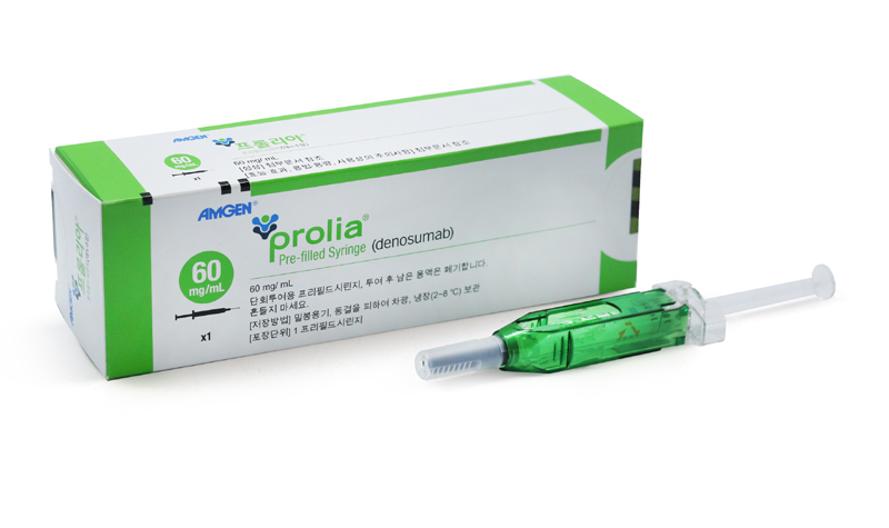
- Although the government extended the reimbursed period for denosumab-based osteoporosis treatments last year, concerns about reimbursement denials continue in practice. Major medical societies, such as the Korean Endocrinology Society, have reached the point where they have issued guidelines to prevent insurance reimbursement cuts when prescribing treatments, raising awareness of the issue. According to the medical community on the 11th, the Korea Endocrine Society recently analyzed cases of insurance reimbursement cuts for denosumab prescriptions and issued guidelines to prevent such cuts to frontline healthcare providers. Previously, in May of last year, the Ministry of Health and Welfare expanded the reimbursement criteria for denosumab-based osteoporosis treatments, including Amgen's Prolia. The key change was that patients who had reached the treatment goal for osteoporosis—defined by their T-score—but remained at the borderline threshold, would continue to be eligible for reimbursement under the revised guidelines. Under the revision, a patient who was initially eligible for reimbursement based on a bone mineral density (BMD) T-score of ≤ -2.5 and shows improvement during treatment to a T-score between -2.5 and -2.0, can receive continued reimbursement for an additional year—up to a maximum of two years. The issue, however, lies in the increasingly strict reviews by the Health Insurance Review and Assessment Service (HIRA), which has led to a rise in reimbursement denials. In fact, HIRA has introduced new review guidelines following the Ministry of Health and Welfare’s extension of the reimbursement criteria in 2023. These include specific principles regarding the use of osteoporosis drugs, particularly focusing on the interpretation of lumbar spine BMD results. HIRA clarified the evaluation method for ‘central bone’ in DXA (dual-energy X-ray absorptiometry) scans and established new review criteria for early denosumab administration. The move appears to show the authorities’ intention to minimize confusion in reimbursement claims arising from the expanded coverage by providing more precise review standards to clinical practitioners. The guidelines issued by the Korean Endocrine Society also closely align with these principles set by HIRA. Specifically, the society emphasized in its preventive guidance that: ▲Selecting only two areas with the lowest T-scores is no longer acceptable, ▲ All measurable lumbar vertebrae from L1 to L4 must be included in the assessment. Also, ▲the Exclusion of a specific vertebra requires a clear medical rationale, supported by radiographic evidence, and, ▲ clinicians must fully understand both the diagnostic criteria based on BMD interpretation and the insurance reimbursement requirements for prescribed treatments. A representative from the Korean Endocrine Society stated, “Osteoporosis treatments are now being prescribed at local clinics and small hospitals, leading to a gradual increase in reimbursement cuts. Selecting only two vertebrae with the lowest T-scores for osteoporosis diagnosis is no longer acceptable. Unless there is a clear justification—such as a difference of more than 1.0 in T-scores compared to surrounding vertebrae, structural abnormalities, implants, or degenerative changes confirmed by radiographic imaging—all measurable lumbar vertebrae must be included in the bone density evaluation.” They further explained, “Denosumab should be administered on a 180-day (6-month) schedule, and early administration is only permitted within 2 weeks of the due date. Follow-up BMD testing must be conducted at exact 365-day intervals, and if testing is performed earlier, reimbursement will generally not be allowed. In cases where early testing within 4 weeks is unavoidable, the reason must be clearly documented in the medical record. Otherwise, it may be subject to reimbursement denial.” Meanwhile, following the expiration of Amgen's substance patent for its original denosumab-based therapy Prolia, biosimilar versions of the drug have entered the domestic clinical market. The first denosumab biosimilar, Stoboclo, has received reimbursement approval and is being co-marketed by Celltrion Pharm and Daewoong Pharmaceutical. Samsung Bioepis is also set to enter the Korean denosumab market, preparing to launch its biosimilar Obodence in partnership with Hanmi Pharmaceutical. As a result, intense competition in sales and marketing is expected between Amgen and its Korean partner Chong Kun Dang, Celltrion Pharm (with Daewoong), and Samsung Bioepis (with Hanmi), all vying for market share in the osteoporosis treatment market.
- Company
- Latecomer psoriasis drug Bimzelx enters competition in KOR
- by Whang, byung-woo Jun 13, 2025 06:03am
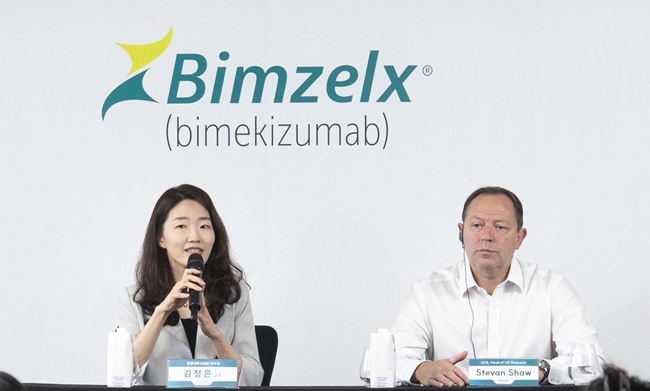
- The new psoriasis treatment Bimzelx (bimekizumab) has cleared the reimbursement hurdle and is now officially entering Korea’s market competition. With numerous psoriasis treatment options already on the market, the drug is expected to target new patients based on its relatively low drug price. On the 12th, UCB Korea held a press conference to celebrate the launch of Bimzelx in Korea and highlighted the product's competitiveness. ▲ (From left) Jeong-Eun Kim, Department of Dermatology, Hanyang University Hospital; Stevan Shaw, Head of Research at UCB UK Bimzelx is the first plaque psoriasis treatment that dually inhibits interleukin-17A and 17F (IL-17A and 17F). IL-17A and IL-17F are key cytokines that trigger the inflammatory process in psoriasis, and Bimzelx selectively and directly targets and inhibits both simultaneously. In the BE READY trial, the global Phase 3 clinical study that became the basis for the approval, 90.8% of patients in the Bimzelx group achieved PASI 90 at Week 16, and 68.2% of patients achieved PASI 100. In a clinical trial that compared Bimzelx with another biological agent, there was a clear difference in the percentage of patients who achieved complete clearance of skin lesions at Week 16, which is referred to as 'PASI 100'. Specifically, ▲BE VIVID: Bimzelx 59%, ustekinumab (Stelara) 21% ▲BE SURE: Bimzelx 60%. 8%, adalimumab (Humira) 23.9% ▲BE RADIANT: Bimzelx 61.7%, secukinumab (Cosentyx) 48.9%, etc. The introduction of Bimzelx as a new psoriasis treatment option is significant because of its dual inhibiting mechanism of action that blocks IL-17A and IL-17F. Dr. Stevan Shaw, Head of Research at UCB UK and developer of Bimzelx, said, "Bimzelx’s dual inhibition of interleukin-17A and interleukin-17F showed a higher skin lesion improvement rate in psoriasis patients compared to secukinumab, which only inhibits interleukin-17A.” He further explained, “The dosing regimen, which involves administration every 8 weeks for maintenance therapy, also enhances patient convenience, representing a significant advantage over existing interleukin-17A inhibitors.” In addition, Professor Jeong-Eun Kim of Hanyang University Hospital's Department of Dermatology said, “Even in a meta-analysis conducted over a long period of 52 weeks, Bimzelx showed better efficacy than other drugs in terms of the cumulative number of days achieving PASI 100. No new safety issues were reported during long-term treatment that continued for over three years, with no special events reported overall.” In other words, despite the emergence of various psoriasis treatments, there is still unmet demand due to resistance and other factors, for which Bimzelx is considered to be competitive. The reimbursement price for Bimzelx, which has been covered by health insurance since June, is KRW 801,332. In order to compare the specific drug prices with existing treatments, it is necessary to consider the dosage and administration, and Bimzelx does not have a significant advantage in terms of cost competitiveness, which is a strategy often chosen by later entrants. Bimzelx is administered subcutaneously at 320 mg (two 160 mg doses) at 0, 4, 8, 12, and 16 weeks, and then every 8 weeks thereafter. Considering that competing treatments have administration schedules ranging from 4 weeks to 12 weeks, Bimzelx has a moderate dosing schedule. Regarding this, Professor Kim stated that prescriptions will be tailored to individual patient characteristics and the doctors’ discretion. He added, “While consideration should be given to the patient's comorbidities and prior treatment history, there is no guideline on which drug must be used as the first or last option based on efficacy. However, as more treatment options become available, the therapeutic paradigm for psoriasis is expected to shift and become more segmented.” Finally, Professor Kim added, “Personally, I think Bimzelx should be considered first for patients who do not respond well to biological agents.”
- Company
- New ADC drug Padcev seeks reimb again in Korea
- by Eo, Yun-Ho Jun 13, 2025 06:03am
- The ADC bladder cancer drug Padcev is once again attempting reimbursement listing in Korea. According to Dailypharm coverage, Astellas Pharma Korea recently submitted a reimbursement application for its antibody-drug conjugate (ADC) Padcev (enfortumab vedotin). Accordingly, it will be interesting to see whether the company will be able to make progress in the discussion on insurance reimbursement for Padcev as a monotherapy and combination therapy. This is the company’s third attempt at reimbursement listing. Padcev was first approved in Korea in March 2023, and has remained non-reimbursed for over 2 years since. The monotherapy option passed the Health Insurance Review and Assessment Service's Cancer Disease Deliberation Committee review in February this year, but the application was rejected after the government and pharmaceutical companies failed to agree on the cost-effectiveness after the company completed the pharmacoeconomic evaluation. At the end of last year, Astellas Pharma applied for Padcev’s reimbursement as a monotherapy for the treatment of adult patients with locally advanced or metastatic urothelial carcinoma who have previously received PD-1 or PD-L1 inhibitors and platinum-based chemotherapy, and as first-line therapy for advanced metastatic urothelial carcinoma in combination with the PD-1 inhibitor ‘Keytruda (pembrolizumab)’ However, the applications were also rejected by the Cancer Disease Deliberation Committee in February. Astellas Pharma plans to supplement the relevant data and reapply for reimbursement. The drug is recommended as Category 1 in the National Comprehensive Cancer Network (NCCN) guidelines. It is a new treatment option for urothelial cancer patients whose cancer has progressed or recurred even after receiving treatment with immunotherapy drugs and platinum-based chemotherapy. The drug was approved in March in Korea for the treatment of patients with locally advanced or metastatic urothelial cancer who have received prior treatment with PD-1 or PD-L1 inhibitors and platinum-based chemotherapy, then was approved in combination with Keytruda in July. Padcev’s efficacy as a monotherapy was demonstrated through the EV-301 study, an open-label, Phase III trial that was conducted on 608 patients with locally advanced or metastatic urothelial cancer who have previously been treated with platinum-based chemotherapy and PD-1 or PD-L1 inhibitors. Study results showed that Padcev reduced the risk of death by 30% compared to chemotherapy. The median overall survival (OS) of the Padcev group was 12.9 months, demonstrating a significant improvement in survival compared to chemotherapy's 9.0 months. In addition, Padcev significantly improved progression-free survival (PFS) with a 38% reduction in disease progression or death risk, with the median progression-free survival (PFS) for Padcev being 5.6 months and 3.7 months for the control group. In the case of the Keytruda-Padcev combination, its efficacy was demonstrated through the randomized Phase III EV-302 trial that was presented at the European Society for Medical Oncology Annual Meeting (ESMO 2023). The trial evaluated Padcev+Keytruda versus conventional chemotherapy in 886 patients in 25 countries. Trial results showed, that at a median follow-up of 17.2 months, the median overall survival in the Padcev combination therapy group was 31.5 months, approximately twice as long as the 16.1 months in the platinum-based chemotherapy group, reducing the risk of death by 53%.

- Company
- Pharma-distributor 'margin war' heats up again
- by Son, Hyung Min Jun 13, 2025 06:03am
- The pharmaceutical industry and distribution industry are in conflict over profit margins. Janssen Korea reportedly notified its training companies of a 2%p reduction in margins and continuing negotiations with individual companies. Some domestic pharmaceutical companies are implementing margin reductions starting this year. Pharmaceutical companies are citing sluggish sales, drug price reductions, and increasing debt ratios as background for these margin cuts. However, the distribution industry is showing strong resistance, claiming that if they bear labor costs, delivery fees, and other commissions, they will incur losses with every transaction. Domestic and foreign pharmaceutical companies announce margin reductions According to industry sources on June 13, VivaCell Biotechnology recently officially informed its distributors of a plan to lower sales discount rates. According to the official letter, the company will reduce the sales discount rate from the current 4% to 3% of the cash collection starting in July. The pharmaceutical distribution industry interprets this as a strategy to cut margins. The distribution industry is expressing concern that numerous pharmaceutical companies are implementing margin reductions this year. Indeed, Korea Pharma, Kolon Pharm, and Ahn-Gook Pharmaceutical have also announced plans to lower their distribution margins this year. Recently, the global pharmaceutical company Janssen Korea joined in. Janssen Korea notified its trading partners that it would pursue a 2%p reduction from existing margins. The distribution industry asserts that while some pharmaceuticalcompanies have attempted margin adjustments of around 1%p due to declining profitability, it's rare for a company like Janssen to pursue a reduction as significant as 2%p. The distribution industry has expressed strong objection, particularly because this measure was announced without prior discussion or consultation with the distribution industry. The distribution industry immediately began to protest, demanding negotiations through their association. They assert that if Janssen Korea negotiates with individual companies, it's highly likely to result in a mere notification. However, Janssen Korea maintains that negotiations with individual companies are appropriate, given the varying contract terms and scale of trading partners, rather than with the association. In this regard, Janssen Korea is reportedly conducting individual negotiations with companies starting this week. Industry leaders, including Korea Pharmaceutical Distributors Association Chairman Park Ho-young, are expressing a strong commitment to respond, stating, "The association will reflect on its member companies and strive to eliminate factors threatening the pharmaceutical distribution industry." Margin narrowing and conflict increasing...the endless tug-of-war between pharma-distribution Margin rate reductions are ongoing conflict issue between the pharmaceutical and distribution industries. Pharmaceutical companies push for lower margins, while distributors try to prevent them. The recent decision by Janssen Korea to cut margins, in particular, signals a potential escalation of this conflict, as the distribution industry mounts a strong backlash. The association recently agreed that Janssen's margin cut threatens the very existence of the distribution industry. In fact, this is the first time in several years that the issue of pharmaceutical companies' distribution margins has been formally placed on the association's agenda, highlighting the severity of the current situation. The distribution industry began direct confrontation, including demonstrations against pharmaceutical companies, years ago. In 2013, the association held collective protests, including one-person demonstrations against Handok, demanding an increase in distribution margin rates. At the time, the association emphasized that a 5% margin, as proposed by Handok, made distribution unfeasible and strongly advocated for additional margins. In 2014, the distribution industry requested a margin increase from GSK, citing deteriorating business conditions, leading to another conflict. They stressed the necessity of a margin increase to cover credit card fees and labor costs, among other expenses, and threatened to refuse to handle GSK products if their request was not met. However, the conflict was temporarily resolved in October of the same year when the Korea Pharmaceutical Distributors Association and GSK agreed on a margin increase. Since then, the distribution industry has engaged in discussions and negotiations with pharmaceutical companies regarding margin reductions, aiming for mutual growth. However, in the case of Janssen Korea's recent margin cut, they are adopting strong opposing stance. The distribution industry refutes the pharmaceutical companies' calls for mutual growth, asserting that their very survival is at stake. Indeed, the gross margin rate for the pharmaceutical distribution industry has been on a continuous decline. The gross margin rate is a key indicator used to measure distributors' profitability before deducting all expenses, including labor costs and selling, general, and administrative expenses. While the exact margin pharmaceutical distributors earn from purchasing drugs from manufacturers is not precisely known, they generally consider gross profit, the opposite of cost of goods sold, as their margin. A comparison of the gross margin rates of 55 pharmaceutical distribution companies with over KRW 100 billion in sales last year showed an average of 6.2%. The margin rate, which was 7.1% in 2020, recorded 7.0% in 2021 before entering a downward trend. A closer look by sales bracket reveals that companies with annual sales of over 500 billion KRW had an average margin rate of 6.6% last year. The highest margin rate recorded in the last five years was 6.8% in 2023, failing to exceed 7%. Companies with sales between KRW 200 billion and KRW 500 billion also saw their margin rates decline. Their average margin rate last year was 7.4%, the lowest in the past five years. Notably, excluding Korea Medix, which operates under a CSO (Contract Sales Organization) model and had a margin rate of 43.9%, the average for this group sharply drops to 5.8% based on last year's figures. The average margin rate for companies with annual sales between KRW 100 billion and KRW 200 billion has also been decreasing each year. Their average margin rate last year was 6.4%, a 0.2 percentage point increase from 2023, but it has remained at an average of 6.3% over the past five years. The pharmaceutical distribution industry believes that current margin rates make survival difficult, considering credit card fees, labor costs, delivery fees, and returns. An official from the pharmaceutical distribution industry said, "The continuous decrease in margin rates is attributable to the pharmaceutical companies' declining sales. Pharmaceutical companies are responding to losses incurred from drug price reductions by reducing margins for pharmaceutical distributors. If margins continue to decrease, small and medium-sized distributors simply cannot survive." Adding, "It's a situation where pharmaceutical companies advocate for mutual growth while the distribution industry asserts its right to survival. A compromise needs to be found, but relationships between trading partners must also be considered. The proliferation of distributors and CSO companies has intensified competition, making excessive return orders and aggressive labor cost expenditures issues that also need careful consideration. However, it is an undeniable fact that operating businesses is not easy with the current margin rates."
- Company
- Distributors Association plans "strong response"
- by Son, Hyung Min Jun 13, 2025 06:01am
- The Korean pharmaceutical distribution industry is rallying around the Korea Pharmaceutical Distributors Association in response to Janssen Korea's reduction of distribution margins. Park Ho-young, Chairman of the Korea Pharmaceutical Distributors Association, described Janssen Korea's margin reduction as an arbitrary act rather than a negotiation, indicating a firm stance of strong countermeasures. The Wednesday Forum (Chairman Nam Sang-gil), a private gathering within the pharmaceutical distribution industry, recently held its regular monthly meeting in June to discuss key issues, including countermeasures against Janssen Korea's margin reduction, and foster camaraderie among members. At the forum, opinions were raised that small and medium-sized hospitals must seek alternatives for Janssen Korea products, such as the biologic Remicade. Additionally, it was argued that with the reduced distribution margins, pharmacy deliveries are practically difficult, thus necessitating the minimization of orders for Janssen Korea pharmaceuticals. Notably, Chairman Park Ho-young of the Korea Pharmaceutical Distributors Association also attended the meeting to explain the association's response plan to the issues threatening the distribution industry. Park stated, "The 2%p distribution margin reduction being pushed by Janssen Korea goes beyond the scope of a simple negotiation; it is an act of tyranny." Park added, "Member companies have conveyed their concerns to the association. The association will step forward and respond proactively." He further emphasized, "The association will exert all its capabilities to eliminate elements that threaten the pharmaceutical distribution industry." Park repeatedly urged unity among member companies, stating, "If we fail to properly defend against this Janssen Korea issue and fail to demonstrate the united power of the distribution industry, a greater crisis will come in the future." An advisor to the Wednesday Forum who attended the meeting also supported Chairman Park, saying, "Now is the time to build a strong front, centered on the association, against Janssen Korea's attempt to cut distribution margins." He added, "Sanctions are also necessary for member companies that act against the association's policy." Following the Wednesday Forum, the Korea Pharmaceutical Distributors Association plans to hold a series of follow-up response meetings. The Seoul Pharmaceutical Distributors Association will have an expanded board meeting on the 18th to discuss key issues in depth, including the Janssen Korea margin reduction issue. The Seoul Pharmaceutical Distributors Association, which had initially sought countermeasures through hospital branch meetings, is said to have shifted the discussion among the board of directors, considering the seriousness of this matter. The Gyeonggi-Incheon Pharmaceutical Distributors Association also expressed deep concern about Janssen Korea's move to reduce distribution margins. It will lend its support to the association's response, including preparing a statement of opposition. The heads of regional branches under the Korea Pharmaceutical Distributors Association are expected to meet next Monday, and pharmaceutical distributors in the Busan, Gwangju, and Daegu regions are also expected to voice their concerns, centered around the association. As they have delegated negotiation authority for margin reductions to the association, regional pharmaceutical distributors are likely to strengthen their resolve to participate actively. A high-ranking official from the Korea Pharmaceutical Distributors Association warned, "The latest margin reduction is not just a simple profit structure adjustment; it is an issue directly linked to the survival of small and medium-sized distributors," and added, "If we fail to withdraw Janssen Korea's measure this time, a crisis will sweep over the entire distribution industry." He further pointed out, "Margins are like a cost concept for distributors, and pharmaceutical companies must accurately recognize this concept."
