
- LOGIN
- MemberShip
- 2026-04-27 13:31:34
- Company
- Astellas Korea's Seonhee Lee appointed GM of Astellas Egypt
- by Whang, byung-woo Jul 22, 2025 06:07am
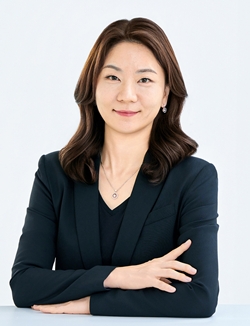
- Seonhee Lee, Commercial Excellence & Market Access Head at Astellas Pharma Astellas Korea announced on July 21 that the company has appointed Seonhee Lee, currently a Commercial Excellence & Market Access Head at Astellas Pharma, as the new General Manager of Astellas Egypt, effective from August 1.. Lee has 23 years of experience working in major pharmaceutical companies in South Korea and overseas and is a healthcare expert. She will be the first from the Korean pharmaceutical industry to step up as the GM of Astellas in the Middle East region. The current appointment is regarded as Astellas' strategy to seek and foster talents based on diversity and global career opportunities. Lee, who joined Astellas Korea in March 2024, has been leading the Commercial Excellence team and achieved various successes, including establishing the strategy, strengthening capacity, and advancing omnichannel marketing. After that, she expanded her leadership to the Market Access area, carefully establishing and conducting an insurance reimbursement listing strategy for anticancer agents. Lee has significantly contributed to increasing the likelihood of the market entry for Astellas' core pipeline products. Previously, Lee served in the key leadership positions, including Business Unit Head, Market Access, and global market, in various divisions such as vaccine, chronic diseases, specialty, and anticancer agents, while working at MSD Korea, Merck Serono, and JW Pharmaceutical. Astellas recently established its T-MEA (Turkey, Middle East, and Africa) Headquarters in Istanbul, integrating these regions, and is operating to address unmet medical needs in the area. Astellas Egypt was established in 2022 and is actively involved in various therapeutic areas, aiming to expand local treatment options in Egypt, a key country in the T-MEA region. Junil Kim, Head of Astellas Pharma Korea, stated, "Lee's advancement to the global branch is a significant outcome as it symbolizes the recognition of talent of Astellas Pharma Korea globally." Kim added, "Egypt is a major hub in the Middle East and Africa, a region with significant unmet medical needs, so we expect Lee to achieve meaningful results based on her experience and leadership." Meanwhile, Astellas Pharma Korea has been consistently recognized for its capabilities on the global stage, with a series of promotions and appointments of its executives and employees to overseas branches and new positions since last year. Last year, Sumi Moon, Oncology Brand Lead, moved to the Astellas International Region, and Kyungah Park, Medical Affairs Department Lead, was reassigned to the International Region and the China Medical Affairs Department.
- Company
- Original Prolia will remain ultimate despite patent expiry
- by Whang, byung-woo Jul 22, 2025 06:07am
- As an innovative new drug that transformed the treatment paradigm for osteoporosis, Prolia reached its peak last year with record-high sales. However, with its patent expiration in March this year and the looming entry of biosimilars, the market landscape is expected to undergo significant changes. Amgen Korea plans to solidify Prolia's position by responding to these challenges with a strategy that emphasizes “originality” and its accumulated evidence and brand value as the original drug. Hansam Jung, Bone Marketing Manager of General Medicine at Amgen Korea, who oversees the marketing of Prolia and Evenity, expressed confidence that Prolia would remain a leading example of how original brands can maintain their market position even after patent expiry by reinforcing their brand originality. ‘First-in-Class’ Prolia…targets the market equipped with its long-term data Prolia (denosumab), which was approved in Korea in 2014 and officially launched at the end of 2016, has been rapidly expanding its influence in the field of osteoporosis treatment. [BPM] Hansam Jung, Bone Marketing Manager, General Medicine BU, Amgen Korea Initially reimbursed only as a second-line treatment for osteoporosis in 2017, Prolia saw explosive growth after its reimbursement coverage was expanded to include first-line therapy in April 2019. In fact, Prolia’s domestic sales, which stood at approximately KRW 7.5 billion in 2018 just before the reimbursement expansion, surged to around KRW 44 billion in 2019 and exceeded KRW 80 billion in 2020. Since then, the product has continued to post double-digit growth annually. A key driver behind this growth has been Prolia’s robust clinical data. As a first-in-class drug that inhibits bone resorption, Prolia significantly improved patient adherence compared to oral therapies, thanks to its convenient dosing schedule of one injection every six months. It is also the only osteoporosis treatment that has been proven effective and safe for 10 years through a large-scale, long-term clinical trial. Jung said, “In the 3-year FREEDOM clinical trial and subsequent extension studies in postmenopausal osteoporosis patients, the Prolia group showed a 21.7% increase in vertebral bone density and maintained a non-vertebral fracture incidence rate less than 2%, confirming sustained improvements in bone density and reduced fracture risk through 10 years.” In particular, the risk of spinal fractures decreased significantly from the first year of Prolia treatment, falling 68% lower than the placebo group, while the risk of hip fractures also decreased by more than 40%. According to Jung, Prolia has gained trust as a “treatment that maintains its efficacy and safety even with long-term administration,” establishing itself as the standard first-line treatment for osteoporosis based on such data. “With the addition of real-world prescription experience to the accumulated long-term clinical research data, Prolia is increasingly recognized as a treatment that offers both fracture risk reduction and safety,” said Jung. “We frequently receive positive feedback on its impressive efficacy in improving bone mineral density and its favorable safety profile.” Prolia biosimilars enter the market... Company seeks a way forward by strengthening its marketing capabilities Another factor driving Prolia's growth is its meticulous marketing strategy. Amgen Korea joined forces with Chong Kun Dang from the early stages of Prolia's launch to target the Korean market. Through a partnership formed in 2017, Amgen Korea and Chong Kun Dang divided their cooperation according to their respective strengths. Amgen focused on university hospitals, while Chong Kun Dang targeted smaller hospitals and clinics, ensuring that healthcare professionals across various channels received a consistent message about Prolia's benefits. Jung explained, “Osteoporosis treatments are prescribed in various departments, so we were able to maximize synergy through collaboration with Chong Kund Dang and leveraging its extensive sales network. As a result, Prolia has expanded its prescription range from university hospitals to local clinics and is now the brand with the highest number of patients and sales in local clinics.” Pic of Prolia Amid such strong sales, the market's attention is focused on whether Prolia will be able to keep its lead even after patent expiry. At the end of March, as soon as Prolia's domestic compound substance patent expired, a cheaper biosimilar was listed for reimbursement. As a result, the price of Prolia was adjusted to KRW 123,760, a 20% reduction, from April 1. Although such price cuts will directly impact the original drug Prolia’s sales, some observers note that the growing population of osteoporosis patients due to an aging population could offset this decline through market expansion. Jung said, “As we enter a super-aged society, the number of patients requiring Prolia treatment will continue to increase in the future. While there may be a temporary decline in sales due to the price reduction, we expect to maintain growth by increasing the number of treated patients.” In fact, Prolia achieved sales of approximately KRW 170 billion in South Korea last year, reaching its growth peak. Amgen Korea plans to continue the steady growth of Prolia based on solid clinical evidence and its power as the original brand. Jung explained, “In the face of biosimilar launches, we will further highlight Prolia's strong efficacy and 9 years of real-world experience to emphasize its originality. Prolia can be prescribed for osteoporosis treatment across various medical departments, and we believe that our partnership with Chong Kun Dang will maximize synergy.” Will seek dual brand market penetration with Prolia and Evenity Meanwhile, Amgen Korea is pursuing a market strategy centered on its ‘Bone Portfolio’ for osteoporosis, leveraging a dual-brand approach with Prolia and Evenity to strengthen its presence in the osteoporosis treatment market. Evenity (romosozumab) is the world’s first anabolic agent that combines two mechanisms of action—inhibiting bone resorption and promoting bone formation. Introduced in Korea at the end of 2019, it has since established itself as a first-line treatment for patients at very high risk of fracture. Jung stated, “Prolia and Evenity are key strategic assets unique to Amgen. While their roles differ, we can deliver optimal treatment benefits to a broader range of patients by leveraging their synergy through sequential therapy and other approaches.” In fact, continuing maintenance therapy with Prolia after 12 months of treatment with Evenity has been shown to provide additional bone density improvement and fracture risk reduction, leading to the active adoption of the “Evenity-Prolia sequential treatment approach” regimen in practice. Finally, when asked to describe Prolia in one sentence, Jung replied, “The ultimate osteoporosis treatment for a fracture-free future.” This means that it is a treatment that can help osteoporosis patients achieve a “fracture-free life” through its long-term fracture risk reduction effects. He added, “Osteoporosis is a chronic disease requiring long-term treatment, and at the core of such sustained therapy is Prolia, which has proven its long-term efficacy through data. We will focus on creating success stories for Prolia to emphasize its originality further and ensure that more osteoporosis patients can benefit from its treatment.”
- Company
- Merck Life Science-KAIST hold workshop to share achievements
- by Whang, byung-woo Jul 22, 2025 06:06am
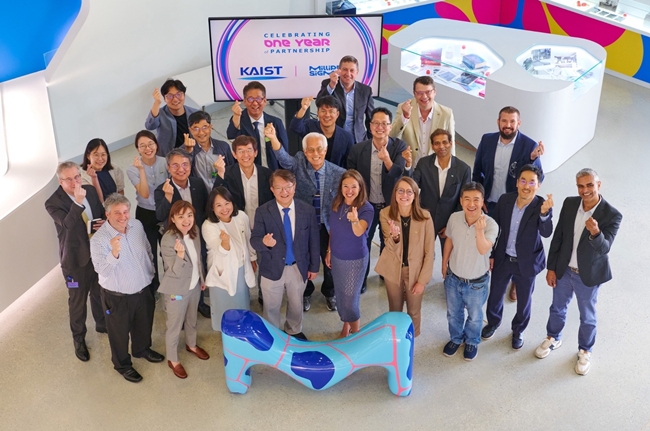
- Merck Life Science-KAIST Workshop Merck Life Science Korea announced on the 21st that it held the “Merck-KAIST Workshop” in Boston, USA, for two days from July 17th to 18th in collaboration with KAIST. The workshop marked the first anniversary of the strategic partnership signed between Merck Life Science and KAIST in May last year, and served as a venue to share achievements and discuss future directions for joint research and collaboration. At the workshop, Merck highlighted several key accomplishments from the past year, including: ▲ the establishment of a new model for academia-industry collaboration; ▲ practical research to address real-world industrial challenges; and ▲ contribution to the life science R&D ecosystem and talent pipeline in Korea and Daejeon City. In addition, the two sides discussed innovative strategies for AI-based new material development and lab automation, exchanged in-depth opinions on leading-edge technology development, and explored future directions for cooperation at the event. The first day of the workshop began with the 2026 Merck Research Challenges session, where Merck introduced key themes, strategic directions, and participation opportunities for its ongoing collaborative research initiatives. Participants then visited the Merck M Lab in Burlington, followed by a Steering Committee meeting to review the progress of key activities, including ongoing research projects within the scope of the partnership, and to discuss outcomes and future directions. The second day featured an Open Innovation Exchange session and the Merck Fellow Award ceremony. The award ceremony was held for the first time this year, and three KAIST professors were selected as recipients based on criteria such as the alignment with Merck's innovation strategy and research, technical excellence, and the commercialization potential of their research. Karen Madden, Chief Technology Officer of Merck Life Science, stated, “The strategic partnership between Merck Life Science and KAIST has evolved beyond collaborative research, developing into a global model of academia-industry cooperation in areas such as R&D and talent cultivation. Through this workshop, we hope to further deepen the partnership between the two institutions and create more tangible research and innovative collaboration outcomes.” Kwang Hyung Lee, President of KAIST, remarked, “KAIST is expanding its unique scientific and technological capabilities globally through its partnership with Merck Life Science, a leading global science and technology company. We look forward to meaningful research outcomes in the field of life sciences through various research collaborations and talent exchanges in the future.” Meanwhile, Merck Life Science and KAIST have been generating diverse collaborative outcomes across life sciences and materials science since signing a memorandum of understanding in May 2024. They are actively conducting joint research to address industrial challenges across a wide range of innovation fields, including next-generation life sciences, new modalities, AI and digital technologies, sustainability, and future-oriented laboratories and facilities.

- Company
- Minimally invasive 'da Vinci robotic surgery'
- by Whang, byung-woo Jul 22, 2025 06:05am
- As robotic surgery becomes a global standard, the industrial robotics market continues to grow in size. In South Korea, where Intuitive Surgical's first Asian branch was established, the market presence of da Vinci robotic surgery is increasingly broadening as it marks its 20th anniversary since its introduction to the country. Intuitive Surgical Korea (hereinafter referred to as Intuitive) recently held a press conference to share its achievements over the past 20 years and its future vision. Da Vinci Robotic Surgical System-Assisted Surgery Synergy with Korean Medical Professionals' Leadership Since the introduction of the da Vinci Robotic surgical systems (hereinafter referred to as 'da Vinci') to South Korea, Intuitive has conducted a cumulative incidence of robotic surgery of over 370,000 cases until now. As of 2024, this record indicates that a surgery was conducted every 8 minute 15 second in average. Yong-Bum Choi, CEO of Intuitive Surgical KoreaKorea is performing single-port robotic surgery (da Vinci), which makes only one incision, more actively than any other country globally, demonstrating the leadership of Korean medical professionals. Indeed, Intuitive has consistently introduced innovative technologies to the Korean market, such as being the first country outside of the U.S. headquarters to launch the next-generation robotic surgery system, 'da Vinci 5 (dV 5),' last year. Yong-Bum Choi, CEO of Intuitive Surgical Korea, said, "Over the past 20 years, robotic surgery has drawn a new standard for surgery amidst technological advancements and changes in the medical environment." Choi added, "This is the result of Intuitive's philosophy of 'Patient First, Always' combined with the efforts of domestic medical professionals." This exceptional surgical skill and leadership of Korean medical professionals are factors that led Intuitive's headquarters to choose Korea as a key innovation hub, enabling close cooperation, from the establishment of its first Asian branch (in 2012) to the prioritized introduction of its latest models. Globally, approximately 17 million surgeries have been performed using Intuitive's da Vinci over the past 30 years. Of this, Korea's accumulated experience accounts for 370,000 cases, playing a significant role in establishing the global standard. Over 43,000 research papers utilizing Intuitive's technology have been published since 1998, with more than 4,000 in 2024 alone, indicating a significant contribution by Korean medical professionals to the dissemination of knowledge. Choi presented his vision, stating, "Just as we turned imagination into reality 20 years ago when robotic surgery first emerged, the next 20 years will see a future where, fused with digital technology, patients can receive the best standard of care anytime, anywhere." Infographic of Intuitive During the press conference, the latest robotic surgery system, da Vinci 5 (dV5), was highlighted. da Vinci 5 features over 150 improvements compared to previous models, notably including a 'Force Feedback' function that allows surgeons to feel the force applied to tissue during surgery with their fingertips, a higher-resolution 3D vision system, and AI-based surgical data analysis capabilities. Hyo Jung Kang, Team Leader at Intuitive Surgical Korea, said, "da Vinci 5 sets a new, higher standard for providing better surgeries to more patients through data utilization." Kang emphasized, "You can experience various functions that simultaneously enhance operating room efficiency and patient safety." Robotic Surgery Has Elevated Surgical Outcomes…Accessibility Expansion remains a Challenge As robotic surgery becomes established in clinical settings, its medical value is recognized for improving patient outcomes, and its societal value lies in elevating and standardizing surgical outcomes. Evidence from clinical research indicates that robot-assisted surgery significantly improves patient prognosis compared to traditional open surgery or laparoscopy. A meta-analysis of over 230 papers published across 22 countries over 12 years for 7 cancer types showed that robotic surgery demonstrated improvements in key indicators compared to other surgical methods, including conversion rates (rate of conversion to open surgery), blood loss, complication rates, length of hospital stay, and readmission rates. Choi stated, "What is important is not the advancement of the technology itself, but that it ultimately allows patients to be freer from complications and pain, benefit from reduced hospital stays, and return to daily life quickly," and added, "In that regard, robotic surgery significantly contributes to social value by elevating and standardizing surgical outcomes." However, broadening the accessibility of robotic surgery was mentioned as a challenge that needs to be addressed. This is because most robotic surgeries in Korea are currently performed on a non-reimbursed basis, leading to a substantial cost burden for individual patients. Regarding this, Choi stated, "I believe no one would oppose the aim of increasing patient access to treatment. If more patients can benefit from robotic surgery through national health insurance coverage, I would certainly support it," and added, "However, as reimbursement is an issue that requires coordination among various stakeholders ,including the government and the medical community, a careful consultation process will be necessary." Intuitive Choi noted that robotic surgery is becoming the standard of care globally. He explained, "Currently, in Japan, robotic surgery is reimbursed for most cancer types, and in Taiwan, 46 additional surgeries were added last year, with a total of 65 surgeries now reimbursed." He found it interesting that "the UK's National Health Service (NHS) recently announced its plan to convert 90% of surgeries currently performed by laparoscopy to robotic surgery by 2035." Along with this, regarding market entry by competitors, Choi said, "While over 60 global companies are developing robotic surgery technology in various ways, Intuitive is confident in maintaining its competitiveness with its accumulated experience and sophiscated technology." Finally, Choi added, "It is rewarding when I hear stories from medical professionals who, during their rounds the day after surgery, personally witness patients who underwent robotic surgery quickly returning to their daily lives." He concluded, "Rapid patient recovery indicates that the value of robotic surgery can be shared with more people."

- Company
- LEO Pharma’s 117-year, single-focus strategy
- by Cha, Jihyun Jul 21, 2025 06:08am
- LEO Pharma is a representative symbol of the success of the Danish biotech industry. It is the oldest pharmaceutical company in Denmark, celebrating its 117th anniversary this year. Originally founded as a pharmacy in Copenhagen, Denmark, the company has grown based on its philosophy of standardizing the quality of medicines and supplying them to everyone. LEO Pharma is recognized as a world-class expert in the development of topical medications such as creams, ointments, gels, and foams that are applied directly to the skin. The wound treatment drug Fucidin, sold by Dong Wha Pharmaceutical in Korea, is LEO Pharma's flagship product. The company has also built a solid portfolio of skin disease treatments, including the psoriasis treatments Enstilum Foam and Xamiol, the non-steroidal atopic dermatitis treatment Protopic, and the eczema treatment Advantan. The reason LEO Pharma has been able to establish itself as a globally respected specialty pharmaceutical company lies in its long-term strategy of selection and concentration. Leveraging its expertise in topical formulations for dermatological conditions, LEO Pharma has remained focused on the field of medical dermatology. This sets it apart from many other companies that prioritize diversifying their drug pipelines and generating quick profits. How has LEO Pharma been able to survive in the global market for over 100 years by pursuing a “single-focus strategy” on a single disease group? Anne Jensen, Vice President of Strategy at LEO Pharma’s headquarters in Ballerup, Denmark, explained that the answer lies in Denmark's unique foundation-centered governance structure. LEO Foundation is the largest shareholder of LEO Pharma with approximately 80% of the shares. The remaining 20% is held by Swedish private equity fund Nordic Capital. Jensen explained that the company was able to consistently invest in specialized areas such as dermatological treatments — which are often difficult to profit from in the short term — because it was shielded from short-term performance pressures and external investor influence. Under the control of the Leo Foundation, which values sustainability over short-term profits, LEO Pharma was able to boldly introduce external innovations and invest in technology. LEO Pharma entered the biopharmaceutical market in earnest in 2016 after acquiring tralokinumab, a candidate drug for the treatment of moderate-to-severe atopic dermatitis from AstraZeneca. LEO Pharma aims to continue building a sustainable growth foundation in the medical dermatology market by pursuing a strategy of securing both internal and external technologies. Anne Jensen, Vice President of Strategy at LEO Pharma - What factors have contributed to LEO Pharma's growth into a global pharmaceutical company specializing in dermatology? LEO Pharma's growth over the past few years has been driven by the success of its atopic dermatitis treatment, Adtralza. This medication, which contains the active ingredient tralokinumab and works by inhibiting IL-13, has significantly strengthened the company’s position in the medical dermatology field. Moving forward, the company plans to drive future growth by leveraging ‘Anzupgo,’ a topical JAK inhibitor for the treatment of chronic hand eczema. Anzupgo is currently available in seven European countries and is awaiting approval under the Prescription Drug User Fee Act (PDUFA) in the United States. - What are LEO Pharma's priorities in terms of expanding its current treatment areas and pipeline? LEO Pharma has established itself as a global leader in medical dermatology. The company is currently focusing on diseases with high unmet medical needs and is pursuing a strategy of jointly developing innovative technologies with partners. Our goal is to leverage the company’s development and commercialization capabilities after introducing new technologies to create maximum value for both patients and companies. For example, we recently began clinical trials to expand the indications for Anzupgo to include palmoplantar pustulosis (PPP) in addition to chronic hand eczema. -What is your outlook for the future of immunology-based skin disease treatments? Over the past 10 to 15 years, the key change in skin disease treatment has been the introduction of immunotherapies. Biologics such as Adtralza, developed by LEO Pharma, have opened up new horizons in the treatment of skin diseases. In the past, skin diseases were considered relatively minor conditions, but now their impact on quality of life is being properly recognized. Skin diseases include more than 1,000 disease groups, and more than 90% of them have no approved treatments. With the advancement of biologics, we predict that the expansion into new disease groups such as atopic dermatitis, psoriasis, and chronic urticaria will accelerate. Our company believes that it can maintain its differentiated positioning based on its agility as a mid-sized pharmaceutical company and its expertise in dermatology by focusing on neglected disease groups that are not addressed by big pharma. -What is LEO Pharma's core strategy in terms of open innovation? We aim to create a “network-based open innovation model.” This strategy involves introducing or jointly developing external assets that have the potential to generate the highest profits for LEO Pharma and provide benefits to patients. From our perspective, this is why it is essential to collaborate with various stakeholders, including academia, patient groups, biotech companies, and pharmaceutical companies. Last year alone, we signed one collaboration agreement each with the Parker Institute and Debra Research, which we expect to play an important role in LEO Pharma's growth. The joint development agreement for STAT6 inhibitors that we signed with Gilead is one of the largest preclinical deals in the industry, with an upfront payment of USD 250 million and a total contract value worth USD 1.7 billion. -What are your thoughts on the Asia-Pacific market that includes South Korea? We are very positive about South Korea and the Asia-Pacific market. South Korea has world-class biotechnology, research capabilities, and an innovative ecosystem, providing an ideal environment for partnerships. We have been covering Korea’s market through excellent distribution partners in South Korea. From a broader perspective of the Asian market, we believe that there are significant opportunities in this region as demand for advanced skin disease treatments is increasing. In fact, China is LEO Pharma's second-largest partner, and we also have a strong local presence in Japan. LEO Pharma plans to further strengthen its position in Asia. - Are there any plans to collaborate with Korean biotech companies, hospitals, or academia? Although we cannot disclose any specific details at this stage, LEO Pharma is always open to opportunities for collaboration with leading Korean companies, hospitals, and institutions. Given Korea's strong reputation in innovation and biotechnology, we believe there is great potential for collaboration. - Does LEO Pharma have any principles that it adheres to in relation to new drug development? Many of the more than 1,000 skin diseases still lack adequate treatment. We believe that innovation requires collaboration, and we are committed to building partnerships with pharmaceutical companies, biotechnology companies, academia, the medical community, and patient organizations. In particular, LEO Pharma is seeking solutions for patients with skin diseases around the world in collaboration with various partners based on five core values: integrity, customer focus, innovation, passion, and adaptability.
- Company
- Omjjara may be prescribed at general hospitals in KOR
- by Eo, Yun-Ho Jul 21, 2025 06:07am
- The new myelofibrosis drug ‘Omjjara’ can now be prescribed in general hospitals in Korea. According to industry sources, GSK Korea's myelofibrosis treatment Omjjara (momelotinib) recently passed review by Drug Committees (DCs) of 13 medical institutions, including Samsung Medical Center, Seoul St. Mary's Hospital, Asan Medical Center Seoul, Kyungpook National University Hospital, Dong-A University Hospital, Seoul National University Bundang Hospital, Ulsan University Hospital, Eunpyeong St. Mary's Hospital, and Ewha Womans University Mokdong Hospital. With the drug’s insurance reimbursement listing in progress, the drug is expected to quickly lead to actual prescriptions once listed. Omjjara passed the Health Insurance Review and Assessment Service's Cancer Review Committee review in March and is currently awaiting submission to the Drug Reimbursement Evaluation Committee. It remains to be seen whether the HIRA process will be completed by the end of this year. The indication currently under review is for the “treatment of myelofibrosis in intermediate- or high-risk adults with anemia.” Omjjara has a triple mechanism of action – it blocks 3 key signaling pathways, not only JAK1 and JAK2 that were inhibited by existing therapies, but also the ACVR1 (activin A receptor type). In the treatment of myelofibrosis, inhibition of JAK1 and JAK2 may contribute to improving systemic symptoms and reducing splenomegaly in patients, while inhibition of ACVR1 may help alleviate anemia by inducing a reduction in hepcidin expression. Anemia management is one of the unmet needs that remain in the treatment of existing myelofibrosis patients. Anemia, which increases blood transfusion dependency, is not merely an issue of dizziness as commonly perceived, but can lead to a life-threatening condition depending on its severity. Omjjara demonstrated significant improvements in key symptoms such as splenomegaly and a reduction in transfusion dependency in patients with anemia-associated myelofibrosis, regardless of prior JAK inhibitor treatment history, in the Phase III SIMPLIFY-1 study and the MOMENTUM study. In the SIMPLIFY-1 study, which evaluated the clinical efficacy and safety of Omjjara in comparison with Jakavi (ruxolitinib) in patients with myelofibrosis and had no prior JAK inhibitor treatment experience, Omjjara demonstrated non-inferiority to ruxolitinib in the primary endpoint of spleen volume response at 24 weeks of treatment. The proportion of patients in each arm who were transfusion-free was 66.5% in the Omjjara arm and 49.3% in the ruxolitinib arm, with significantly lower transfusion dependence (better transfusion independence) in the Omjjara arm. Seo-Yeon Ahn, Professor of Hematology at Chonnam National University Hwasun Hospital, said, “While JAK inhibitors previously used in the treatment of myelofibrosis demonstrated efficacy in reducing splenomegaly and alleviating systemic symptoms, they also posed unmet needs such as worsening anemia or increasing blood transfusion dependency. Omjjara has demonstrated significant clinical value in managing anemia, which is closely linked to the prognosis of patients with myelofibrosis. With its domestic launch, it is expected to contribute to improving treatment outcomes and quality of life for more patients."
- Company
- Immunotherapy 'Jemperli' enters drug price negotiations
- by Eo, Yun-Ho Jul 21, 2025 06:06am
- Product photo of Jemperli, an immunotherapy for cancer, has entered the last stage for its expanded reimbursement for endometrial cancer. According to industry sources, GSK Korea has initiated the drug price negotiations with the National Health Insurance Service (NHIS) for its PD-1 inhibitor, Jemperli (dostarlimab). The detailed expanded reimbursement indication is to treat 'newly diagnosed recurrent or advanced deficient DNA mismatch repair (dMMR)/microsatellite instability-high (MSI-H) endometrial cancer.' Accordingly, attention has been garnered to whether a new reimbursed medicine for the first-line treatment of endometrial cancer, which lacks treatment options. The standard first-line treatment of endometrial cancer is a platinum-based combination chemotherapy of paclitaxel+carboplatin. One out of four patients who use chemotherapy experience disease recurrence or progression. Despite the increased number of patients at advanced·recurrence stages, the 5-year survival rate is below 20% because no effective treatment options are available. Jemperli was first listed for reimbursement in December 2023 as a second-line treatment for recurrent·progressive (FIGO stage IIIB or higher) endometrial cancer that progressed during or after platinum-based chemotherapy. Subsequently, the first-line therapy indication was added, and it is currently undergoing the relevant procedures. The efficacy of this drug as a first-line treatment for endometrial cancer was confirmed through the Phase 3 RUBY study. The RUBY study compared a combination therapy combining Jemperli with platinum-based chemotherapy (carboplatin + paclitaxel) against a control group of placebo plus platinum-based chemotherapy in 494 patients with advanced or recurrent endometrial cancer. The study was designed to include a treatment period of over 3 years, considering that the average survival period for conventional platinum-based chemotherapy is less than 3 years. The primary endpoints were progression-free survival (PFS) and overall survival (OS), as assessed by the Response Evaluation Criteria in Solid Tumors (RECIST). The RUBY clinical study results showed that the Jemperli combination therapy reduced the risk of death by 31% compared to the control group in the overall advanced·recurrent endometrial cancer patient population. During a median follow-up period of 37 months, the median OS for the patient group receiving Jemperli combination therapy was 44.6 months, which was 16.4 months longer than the control group (28.2 months), and it reduced the risk of death by 31%. Dr. Jae Kwan Lee of Korea University Guro Hospital, Professor of the Department of Obstetrics and Gynecology, said, "Endometrial cancer is a disease with a high risk of recurrence even after initial treatment. Effective first-line treatment options are of utmost importance for patients. Jemperli's RUBY study is considered a significant study that has demonstrated the efficacy of immunotherapy in endometrial cancer over a long period." Dr. Lee also explained, "The combination therapy of Jemperli and platinum-based chemotherapy is the only immunotherapy available for endometrial cancer treatment in Korea with confirmed OS improvement. The study demonstrated significant clinical value even though it included patients who experienced recurrence 6 months after chemotherapy and high-risk patients with carcinosarcoma."
- Company
- Denmark's non-profit foundation's virtuous governance cycle
- by Jul 18, 2025 06:35am
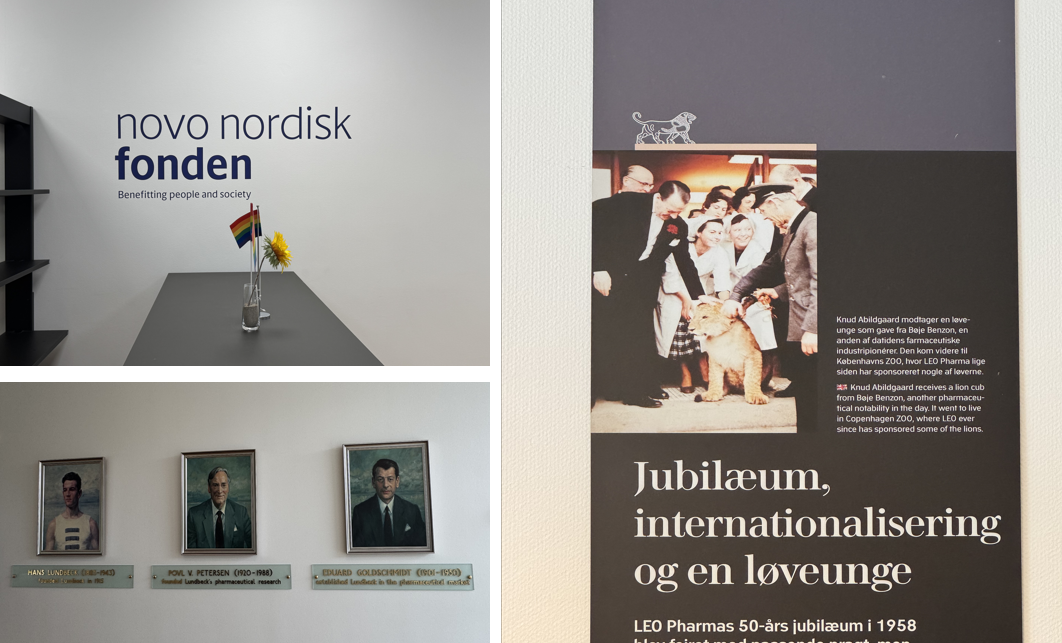
- In 1922, Dr. August Krogh paid just $1 to introduce insulin production technology from the University of Toronto in Canada. At the time, he made two promises to the University of Toronto research team: to make insulin available to all patients at an affordable price and to use insulin for public healthcare rather than for commercial gain. And Leo Pharma delivered on this promise. Despite the uncertain profitability of insulin production, Leo Pharma participated in its production, laying the groundwork for the first commercialization of insulin in Northern Europe. Following this, Dr. Krogh established the non-profit organization Nordic Insulin Laboratory to ensure a stable supply of insulin. The two brother researchers who worked with him at the laboratory later spun off to form Novo Insulin Research Institute. The two organizations merged in 1989, giving rise to today's Novo Nordisk. Denmark's public-interest-driven medical philosophy did not end as a single generation’s promise. The spirit was carried forward through the corporate governance structure of foundation ownership. Major Danish pharmaceutical companies such as Novo Nordisk, Leo Pharma, and Lundbeck all have a structure in which a non-profit foundation serves as the top shareholder. These foundations support the long-term stability of the companies and return profits to society and science, thereby putting into practice the public values emphasized by Dr. Krogh even today. 'Foundation is the largest shareholder'... A sustainable management model created by society, institutions, and culture According to industry sources on the 15th, Denmark has the most structured ‘foundation-owned model’ in Europe. Approximately 1,300 companies in Denmark are operated as foundations. According to research by Børsting and Thomsen (2017), foundation-owned companies account for approximately 70% of the total market capitalization of the stock market in Denmark, demonstrating the overwhelming influence of foundation-owned companies. Pharmaceutical companies such as Novo Nordisk, Leo Pharma, and Lundbeck, as well as toy company Lego, beer company Carlsberg, and shipping company Maersk, all adopt a governance structure where a foundation is the majority shareholder. Novo Nordisk's governance structure is organized as a “foundation → holding company → operating company” structure. At the top is the non-profit public interest foundation Novo Nordisk Foundation, established with the goal of realizing corporate social responsibility and public value. Rather than directly managing the company, it owns Novo Holdings, a holding company and professional investment firm, as a 100% subsidiary. Novo Holdings, in turn, holds shares in major pharmaceutical companies such as Novo Nordisk and Novozymes. This structure effectively allows the foundation to control Novo Nordisk through Novo Holdings. Novo Holdings holds approximately 28% of Novo Nordisk's shares. Although the surface ownership ratio is relatively low, Novo Holdings secures approximately 77% of the total voting rights of Novo Nordisk through a dual-class share structure, enabling it to maintain stable management control. Under the dual-class share structure, the number of voting rights varies depending on the type of shares. The shares held by Novo Holdings are designed to allow the exercise of more voting rights per share than ordinary shares. Novo Holdings Ownership Structure (Source: Novo Holdings) Lundbeck is another publicly listed pharmaceutical company with a foundation-based governance structure. The Lundbeck Foundation is the largest shareholder, holding approximately 70% of Lundbeck's shares. Another pharmaceutical company, Leo Pharma, is approximately 80% owned by the Leo Foundation. The remaining shares of Leo Pharma are held by private equity fund Nordic Capital. Leo Pharma plans to go public as early as next year, with the Leo Foundation maintaining a majority stake even after the IPO. Denmark's foundation-based governance structure is different from Germany's family ownership and South Korea's holding company-based structures, as it is based on social values. In this structure, the foundation functions as the core entity that designs the company's direction and strategy, going beyond the role of the largest shareholder. The foundation prioritizes long-term research and development and the realization of social value, rather than being swayed by short-term profits. The foundation reinvests profits from dividends received from the company and its own investment activities into public welfare projects. The establishment of a foundation-based governance structure in Denmark is not simply due to the philosophy of founders or historical coincidence. It is a structural product of the interplay between social, economic, institutional, and cultural factors. Many Danish companies began as family businesses, but instead of passing on shares to their children, founders often chose to transfer them to public interest foundations. For example, the founder of Novo Nordisk, Dr. Krogh, did not pass on shares to his family even after the Nordic Insulin Laboratory grew into a corporation, instead transferring ownership to a public foundation. Leo Pharma, a company founded by a pharmacist who accumulated capital to grow the business, also passed on shares to a foundation rather than to his children, continuing the founding philosophy. Novo Nordisk Foundation, Lundbeck Foundation, Leo Pharma Foundation Denmark's characteristics as a small open economy also influenced the establishment of foundation-based governance structures. In Denmark, external capital inevitably held significant influence, leading to the natural adoption of foundation-based governance structures. Since foundations function as a means of defending corporate control, even if external parties attempt to suddenly acquire a large amount of shares or engage in hostile mergers and acquisitions (M&A), they cannot effectively seize control of management. Government policy support also played a crucial role in the establishment of a foundation-based governance structure. Under Danish law, companies owned by foundations are eligible for corporate tax exemptions if they distribute a certain percentage of their annual net profits for public welfare purposes. For example, if a foundation allocates more than 4% of its annual revenue to social welfare, it is exempt from taxation. This enables foundations to actively disburse subsidies and research funds. The legal framework enabling foundations to stably own companies is another core factor enabling public interest-centered management. Denmark restricts the easy sale of shares owned by foundations. This is to ensure that foundations are not swayed by short-term market fluctuations or external pressures, and can execute long-term corporate strategies in line with the founder's philosophy and public interest objectives. In other words, policy support has provided a foundation for the founders' philosophy to be institutionalized and sustainably implemented, rather than remaining a one-time legacy. Long-term perspective rather than short-term performance... Foundation-based governance proves with results The most distinctive feature of the Danish foundation-based governance structure is the clear separation of ownership and management and the simplicity of the structure itself. For example, the Novo Nordisk Foundation's board of directors consists of 11 members, including Chairman Lars Rebien Sørensen. Three of the board members are employee representatives. Employee representatives are elected by Novo Nordisk or Novonesis employees for a four-year term. It is also noteworthy that there are no issues of dual listing within the governance structure. In the Novo Nordisk model, the foundation controls the listed operating company through a non-listed holding company, creating a single stakeholder structure that minimizes the potential for conflicts of interest and external interference. This distinguishes it from the domestic model, where the holding company and operating company are listed separately, leading to recurring issues such as conflicts of interest between the holding company and subsidiary shareholders and allegations of profit diversion from subsidiaries. Jun-beom Cheon, Vice Chairman of the Korean Corporate Governance Forum (Attorney), explained, “The fact that the foundation holds 100% of the holding company's shares means that the holding company is unlisted. This structure allows for the continuous pursuit of business under the same interests without duplicate listings of the operating company.” Ultimately, the core is the “single governance structure without duplicate listings” formed around the foundation. This structure provides a foundation for companies to consistently execute long-term strategies without being overly concerned about short-term results. As they are relatively free from the short-term profit demands of external investors or shareholders, they can focus on tasks such as long-term research and development (R&D) or the realization of public value. Also, the foundation can demonstrate high flexibility in terms of equity ownership and investment methods. It can secure a majority stake to deeply engage in management or, conversely, hold a minority stake while focusing on long-term support and public interest objectives. Since the timing of investment exit is not strictly predetermined, it follows a distinctly different trajectory from private equity funds that pursue short-term exits based on the premise of achieving a certain level of returns. The most notable product of foundation-based governance is “Wegovy.” Thanks to an environment that enabled sustained R&D, Novo Nordisk has grown into the world's leading GLP-1 antidiabetic and obesity treatment company. Lundbeck and Leo Pharma are no exceptions. Thanks to their stable foundation-based governance structures, these companies have been able to maintain consistent strategies over the long term, even in low-profit or market-uncertain fields such as mental health treatments and rare/chronic skin disease therapies, despite incurring losses. Lan Ding, Vice President of Lundbeck, stated, “We have pursued a strategy focused solely on a specific disease group, neurological disorders, similar to Lundbeck. If a company has a structure where the foundation holds 70% of the shares, like Lundbeck, it can prioritize long-term value over short-term results.” Trend and portfolio of Novo Holdings The foundation is not bound by short-term performance, but it does not neglect profit generation. Last year, Novo Holdings earned 8 billion euros (approximately KRW 13 trillion), doubling its sales from the previous year. The portfolio return rate jumped from 9.4% in 2023 to 18% last year. This is the result of Novo Holdings' strategic investments based on its expertise in life sciences and its ability to connect ecosystems. Denmark Foundation returns profits to society... Attracting global talent through investment in basic sciences The Danish pharmaceutical company's foundation also plays the role of an investor in the national medical and basic science ecosystem. All profits generated by Novo Holdings are transferred to the foundation. As a 100% non-profit organization, the Novo Nordisk Foundation redistributes these funds in the form of grants for the benefit of society. This creates a cycle structure where corporate profits are reinvested through the foundation for public purposes such as science, health, and education. The Novo Nordisk Foundation executes public-interest investments across a wide range of fields, from promoting science, technology, engineering, and mathematics (STEM) education to vaccine development, infectious disease response, and AI supercomputing infrastructure construction. The foundation allocates an annual grant budget of USD 1 billion for these activities and plans to expand its investment to USD 2 billion over the next decade. Novo Nordisk Foundation These investments have strengthened the scientific base throughout Denmark and attracted top talent from around the world to the country. In fact, many scientists from around the world have flocked to major Danish universities such as the University of Copenhagen and the Technical University of Denmark, which in turn has led to an influx of talent to Danish biotech companies, including Novo Nordisk. A representative from Novo Holdings explained, “There was a shared awareness that without attracting overseas talent, both Novo Nordisk and Danish universities would struggle to maintain their current level of research capabilities. Through the Novo Nordisk Foundation and Novo Nordisk actively supporting research infrastructure centered in Copenhagen, we have created a virtuous cycle where talented researchers and professors from around the world are drawn to Denmark.” The foundation is also recognized as the hub of Denmark's bio-industry innovation ecosystem. This is because the foundation directly designed and led the structure that connects early-stage science and technology with entrepreneurship. The BioInnovation Institute (BII) is one representative example. BII is a non-profit startup support organization established with full funding from the Novo Nordisk Foundation. The BioInnovation Institute (BII), a world-class life science startup support organization based in Denmark, provides various dedicated spaces and infrastructure to nurture startups. BII provides up to NKR3 million (approximately KRW 600 million) in grants to early-stage technology-based startups without requiring equity. In addition, it operates a full-cycle support system that includes shared laboratory infrastructure, dedicated mentoring, investor connections, and business development strategy planning. Currently, BII accounts for about 80% of Denmark's life science and bio sectors, playing a central role in the overall bio ecosystem. Startups incubated by BII attract follow-up investments from Novo Holdings' venture funds and global investors. Some form strategic partnerships with Novo Nordisk and Leo Pharma. A BII representative stated, “To date, 80 companies that have received BII support have successfully secured external funding. For every 1 euro invested by BII, companies secure an average of 7 euros in additional grants or investments.” This virtuous cycle has solidified the foundation-based governance structure as the backbone connecting Denmark's bio industry ecosystem.
- Company
- Pharmaceutical exports to U.S. have surged by 46%
- by Kim, Jin-Gu Jul 17, 2025 06:13am
- Korea-made pharmaceutical exports to the United States have surged. In the first half of this year, exports to the U.S. amounted to approximately KRW 1.53 trillion, a 46% increase compared to the same period last year. Notably, exports to the U.S. saw an exceptional surge in June. The export in June alone was almost the total of the preceding four months. This surge is interpreted as a precautionary measure to prepare for the potential impact of pharmaceutical tariffs. Korean pharmaceutical and biotech companies are preparing for tariff shocks by pre-stocking inventory in the U.S. Driven by increased exports to the U.S., South Korea's pharmaceutical export performance has broken previous records. In the first half, Korea-made pharmaceutical exports reached KRW 6.38 trillion, a 29% year-on-year (YoY) increase. Exports to U.S. surged… June alone accounts for half of total pharmaceutical exports According to the Korea Customs Service on July 17, South Korea's pharmaceutical exports to the U.S. in the first half of this year amounted to USD 1.11051 billion (approximately KRW 1.53 trillion). This is a 46% increase compared to USD 758.43 million in the first half of last year. Pharmaceutical export sales to U.S. over the past two years (unit: USD 1 million, source: Korea Customs Service; dotted boxes show an increase from USD 758.43 million in 2024 to USD 1.11051 billion in 2025) Exports notably surged in June. Exports to the U.S. in a single month reached USD 458.38 million (approximately KRW 630 billion). This volume is equivalent to the export performance of the preceding four months (USD 475.82 million). The proportion of total pharmaceutical export performance accounted for by the U.S. also significantly expanded in June. Until then, the monthly share of exports to U.S. had been limited to 18% for two years, but it soared to 49% in June. This means nearly half of all pharmaceutical exports in June went to the U.S. Are they preparing for pharmaceutical tariff shock?… Enhanced stockpiling movement in the U.S. The pharmaceutical industry attributes the surge in pharmaceutical exports to the U.S. to the potential pharmaceutical tariffs by the U.S. government. U.S. President Donald Trump recently stated in a cabinet meeting that tariff of up to 200% could be imposed on imported pharmaceuticals. He estimated the tariff imposition timeline to be "1 to 1.5 years from now." Specific tariff rates and targeted items are expected to be announced by the end of this month. U.S. Commerce Secretary Howard Lutnick said, "Whether tariffs will be imposed on the pharmaceutical and semiconductor sectors will be determined after the investigation under Section 232 of the Trade Expansion Act concludes at the end of this month." Section 232 of the Trade Expansion Act details the Commerce Department to investigate the impact of imports on national security and enables the President to take responsive action. The U.S. government initiated an investigation related to this in April. Korean pharmaceutical and biotech companies have begun proactive responses. Notably, their response efforts are reported to have intensified since the U.S. government initiated the Section 232 investigation in April. A strategy of pre-exporting pharmaceuticals to U.S. local entities is being employed to stockpile inventory. For example, Celltrion plans to secure and maintain a two-year inventory in the U.S. in the short term. Separately, it has moved to secure a production base in the U.S., having signed contracts for local contract manufacturing (CMO) of products sold in the U.S., and is also considering acquiring companies with U.S. production facilities. Other companies with a significant share of exports to U.S. are also reported to have prepared similar strategies. An analysis suggests that the short-term surge in exports to U.S. is due to intensified efforts by these companies to stockpile local inventory. Pharmaceutical exports totaled USD 4.62 billion in the first half of the year… 29% increase YoY The expansion of exports to U.S. has driven the increase in overall pharmaceutical export performance. In the first half of this year, South Korea's pharmaceutical exports amounted to USD 4.6166 billion (approximately KRW 6.38 trillion). This is a 29% increase compared to USD 3.57795 billion in the first half of last year. This is the highest record for a half-year period. The previous record was USD 4.21219 billion in the second half of 2021. That period was most heavily influenced by the COVID-19 pandemic, with special demand, as exports surged with the full export of domestically produced COVID-19 vaccines. After that, exports returned to previous levels. Although there was a steady increase every half-year, half-yearly figures had never exceeded USD 4 billion until now. Half-yearly pharmaceutical performance changes (unit: USD 1 million, source: Korea Customs Service) Pharmaceutical imports saw a slight increase from USD 4.45176 billion in the first half of last year to USD 4.6166 billion in the first half of this year. With exports increasing significantly and imports remaining at previous levels, the pharmaceutical trade balance has improved substantially. In the first half, the pharmaceutical trade balance recorded a surplus of USD 419.62 million. Previously, the only half-yearly pharmaceutical trade balance surplus was in the second half of 2020 (a surplus of USD 86.11 million).
- Company
- How Denmark gave birth to the golden goose Wegovy
- by Cha, Jihyun Jul 17, 2025 06:13am
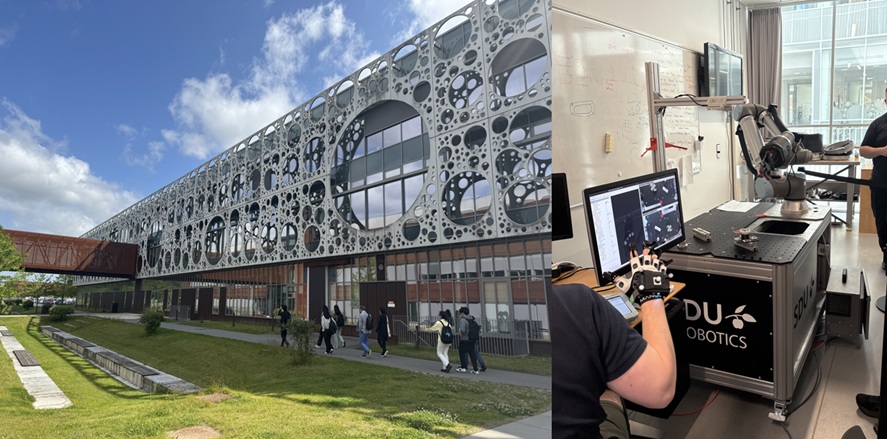
- Novo Nordisk, the Danish company that developed the obesity treatment Wegovy that shook the world, rose to the top in Europe in terms of market capitalization in 2023. It surpassed France's luxury goods group LVMH, which had held the top spot in the European stock market for over two years. At the time, Novo Nordisk’s market value was approximately KRW 790 trillion. This surpasses Denmark's gross domestic product (GDP) last year. It is truly a case of “one well-developed new drug” sustaining the country. Novo Nordisk is based in Denmark. Denmark has a population of 6 million and a land area only half that of Korea, but its biotechnology is considered among the best in Europe. The foundation of this technological prowess is Medicon Valley. Medicon Valley, located between Copenhagen and Malmö in Sweden, is the largest life science hub in Northern Europe. It is recognized as a model example of a biotech cluster where research and development infrastructure, capital, and talent are closely interconnected. Medicon Valley, a Nordic bio ecosystem that operates as one across borders According to industry sources on the 14th, Medicon Valley is the largest bio cluster in Northern Europe, covering the Copenhagen metropolitan area in Denmark and the Skåne region in Sweden. Denmark and Sweden have built a joint life science ecosystem centered on the Øresund Strait. It began to take shape in earnest in the mid-1990s, with Copenhagen, Lund, and Malmö serving as its core hubs. Medicon Valley's strength lies in its clustering effect. Industry, academia, medicine, and capital are concentrated within a single ecosystem, and they are organically connected to accelerate innovation. The core players in the bio ecosystem are physically close to each other and operate a system that promotes organic cooperation. One of the biggest factors supporting Medicon Valley's competitiveness is its high concentration of companies. There are more than 500 life science companies in the area. Many of them are global pharmaceutical companies or promising biotech companies. From leading global biopharmaceutical companies such as Novo Nordisk, Lundbeck, and LEO Pharma to startups rapidly growing in areas such as AI-driven drug discovery, antibody and cell therapies, and digital health, a diverse range of companies are concentrated in the region. Leo Pharma headquarters in Ballerup, Denmark, and Novo Holdings headquarters near Copenhagen city center The concentration of these companies brought qualitative synergies that go beyond mere quantity. When companies of different sizes and at different stages of development are physically close to each other, technological collaboration, talent circulation, information sharing, and business commercialization naturally occur. This enables innovation at a speed, efficiency, and scale that cannot be achieved by a single company or research institute alone. The dense structure of Medicon Valley goes beyond a simple locational advantage to serve as a foundation for collective intelligence that boosts the efficiency and speed of the entire bio industry. The academic and hospital infrastructure of the Danish bio cluster serves as the driving force behind the ecosystem. Medicon Valley is home to universities with some of the best research capabilities in Europe. The University of Copenhagen, the Technical University of Denmark, the University of Southern Denmark, and Lund University in Sweden are located within the cluster. These universities are not just educational institutions, but also core technology providers and launchpads for startups and industrialization in the bio ecosystem. Distribution of universities and research institutions in Medicon Valley (Source: Medicon Valley Alliance, MVA) Hospitals are the gateway to the Medicon Valley ecosystem. They are essential spaces for refining technologies developed at universities for practical application in patients and serve as trusted clinical validation partners for companies. In addition to Odense University Hospital, one of Denmark's three major university hospitals, and Rigshospitalet, a national central hospital, there are many university hospitals and regional hospitals specialized in clinical research, joint research, and technology validation. Most hospitals in Medicon Valley are directly connected to universities, enabling them to perform educational, research, and treatment functions simultaneously. In particular, it is common for biotech and medical device companies to test their initial technologies in hospital testbeds and then improve and commercialize them based on real-world data. A national clinical support system organically connects the hospital network, enabling the entire process, from clinical trial approval procedures to subject recruitment and data analysis, to proceed efficiently. National University of Southern Denmark, located in Odense, Denmark The collaboration between the University of Southern Denmark and Odense University Hospital is cited as an ideal model of industry-academia-hospital collaboration. Among these, SDU Robotics is a representative example of field-oriented medical innovation where technology development is directly applied to clinical settings. SDU Robotics is a robotics research center affiliated with the School of Engineering at the University of Southern Denmark, and companies such as Universal Robots (a collaborative robot developer) and MiR (an autonomous mobile robot company) were established through this center. The University of Southern Denmark and Odense University Hospital jointly operate multiple research centers. These institutions are physically located just 4 km apart, enabling them to swiftly coordinate the entire process from technology development to clinical validation. The two institutions collaborate on research and productization based on a 50:50 partnership, with developed technologies tested directly within the hospital and systematically validated for commercial viability. Thiusius Rajeeth Savarimuthu, Professor and Head of SDU Robotics, stated, “The ability of SDU Robotics to transition research outcomes into actual clinical applications is thanks to the collaboration between researchers with expertise in engineering and medicine. This collaboration has been further strengthened with the official launch of a joint research center between the university hospital and SDU's School of Engineering.” #Money flows even without government funding…The technology commercialization formula of Medicon Valley In Medicon Valley, technology does not end in the laboratory. Ideas invented at universities and hospitals are quickly turned into biotech, and then supported by a professional startup support platform and private funding system. The BioInnovation Institute (BII) is one representative institution. BII is a non-profit startup support organization fully funded by the Novo Nordisk Foundation. BII provides grants of up to 3 million kroner (approximately KRW 6 billion) to early-stage technology-based startups without requiring equity. Additionally, it operates a comprehensive support system covering shared experimental infrastructure, dedicated mentoring, investor connections, and business development strategy formulation. In fact, BII is attracting promising technology startup teams not only from Denmark but from all across Europe. To date, BII has produced over 100 startups, which have secured follow-on investments exceeding 500 million euros (approximately KRW 70 billion). Unlike many countries, including South Korea, where biotech startups still rely on government R&D projects or one-time grants, the BII model is unique in that it is led by the private sector and forms a cycle of startups and industrialization. Pic of BioInnovation Institute (BII) Another major strength of Medicon Valley is the establishment of a private-sector-led continuous investment ladder. The Novo Nordisk Foundation is Europe's largest foundation supporting the life sciences sector, with annual funding exceeding KRW 1 trillion. The foundation provides Proof of Concept (PoC) funding not only to BII but also to researchers at major universities such as the University of Copenhagen, the Technical University of Denmark, and the University of Southern Denmark. In subsequent stages, top European biotech venture capital firms such as Sofinnova Partners, Life Sciences Partners (LSP), and Novo Holdings continue to invest in companies spun out of BII or technology-based companies within Medicon Valley, from Series A to Series C. The process from incubation to technology verification to initial investment to follow-up VC is designed within a single ecosystem, providing a foundation for biotech companies to grow without any funding gaps. Ultimately, the core of Medicon Valley lies in the fact that each entity does not act independently. Technology is born in laboratories, verified in hospitals, commercialized by companies, and provided with growth momentum by private capital, all within a single cluster. For example, when cell therapy technology developed at the University of Copenhagen enters early clinical trials through joint research with a hospital, nearby biotech companies jointly develop or acquire the technology to promote its commercialization. During this process, the Novo Nordisk Foundation or BII provides initial funding, and venture capitalists follow up with subsequent investments if the technology shows promise. Distribution of major life science companies in Medicon Valley (Source: Medicon Valley Alliance·MVA) The physical proximity of industry, academia, hospitals, and capital is also a key factor enabling the cluster to function organically. Hospitals, universities, and companies are located within 30 minutes to an hour of each other. The Novo Nordisk headquarters is located in Bagsvaerd, approximately 15 km from the center of Copenhagen, Lundbeck is in the Østerbro district of Copenhagen, and Leo Pharma is in nearby Valby. The distance between these companies is within a 20-30 minute drive, and they are also within a 30-minute commute from universities and hospitals. This proximity enables the entire process from startup to commercialization, including technical reviews, clinical discussions, and investor meetings, to be completed within a single day. This goes beyond mere physical density, serving as a decisive factor in enhancing the intensity and speed of collaboration. Since technology, people, and capital can respond and circulate quickly within the same living area, the commercialization cycle of technology is shortened, and the execution power of innovation is enhanced. Medicon Valley also leads the way in securing high-level talent in the biotechnology and medical fields. With top European universities specializing in life sciences and medicine concentrated within the cluster, a steady stream of highly skilled professionals is produced across various fields, from basic science to biomedical engineering, healthcare, and AI-driven biotechnology. Additionally, companies, hospitals, and university research labs are closely connected, allowing talent to freely move between different institutions and organizations to accumulate practical experience. This talent circulation structure within the ecosystem facilitates the recruitment of specialized personnel and short-term project-based hiring within institutions, thereby enhancing their R&D agility and efficiency. Reducing regulations and speeding up approvals...The government's framework for bio innovation The Danish government's active policy support also plays an important role in the rapid functioning of the Medicon Valley ecosystem. The Danish government launched a public-private strategic group (Life Science Growth Team) and began implementing a life science growth strategy to foster the bio industry, a key growth engine for the country. This organization subsequently led to the establishment of a national life science strategy and the Life Science Office, which is directly under the Prime Minister's Office. The Life Science Office coordinates policies across all ministries, including health, education, industry, and foreign affairs, and serves as a government control tower overseeing the entire cycle from research and development to clinical trials and commercialization. The Danish government has also been actively recruiting global talent. It operates a fast-track visa system for highly skilled personnel in the life science field and provides support for foreign researchers to settle in Denmark, creating an environment that naturally attracts doctoral and master's degree researchers from around the world. In addition, it is expanding English-based higher education programs and international joint research projects, providing an open research ecosystem for researchers from countries outside Europe. Danish Medicines Agency introduces a fast-track system for early-stage clinical trials (Source: Korea Bio Association) Recently, the Danish Medicines Agency announced plans to introduce a fast-track review system for initial early-stage trial applications, with decisions on approval to be made within two weeks starting next month. The Danish Medicines Agency will collaborate with the Medical Research Ethics Committee (MREC) to notify applicants of approval decisions for all single-country Phase I and Phase I/II clinical trial applications within 14 days. This measure is part of the 2030 Danish Life Science Strategy. The 2030 Danish Life Science Strategy is a blueprint for the development of the bio industry announced by the Danish government at the end of last year, which includes comprehensive policy measures to make Denmark a leading life science powerhouse in Europe by 2030. Denmark plans to lower the barriers to clinical trials for biotech startups and global pharmaceutical companies and enhance the competitiveness of its research environment to boost the overall capabilities of the industrial ecosystem. In addition to shortening the clinical approval process, Denmark is laying the groundwork for various institutional measures to strengthen the competitiveness of the biotech industry. Denmark has already introduced a national pilot program to jointly evaluate research combining pharmaceuticals and medical devices. This program is an attempt to reduce institutional gaps in the approval process for combination products that combine pharmaceutical and medical devices. The country will also expand the use of AI and machine learning-based data analysis in clinical trials. By utilizing new technologies in clinical design and patient response prediction, Denmark plans to accelerate the development of personalized pharmaceuticals by upgrading relevant laws and technical systems by 2025.
