
- LOGIN
- MemberShip
- 2026-04-25 19:24:20
- Company
- AZ "Expanding Asia-based evidence…solid cancer trt options"
- by Son, Hyung Min Dec 11, 2025 08:40am
- AstraZeneca (AZ) highlighted the importance of building clinical evidence and a research network in Asia while presenting new therapeutic options across major solid tumor area.The company announced that it aims to have its treatments administered to one in three liver cancer patients, one in three bile duct cancer patients, and one in seven gastric cancer patients by 2030, emphasizing that Asia is the core driver of this vision. AstraZeneca explained that 60–70% of patients participating in its gastrointestinal (GI) cancer clinical trials are recruited from Asia, and with approximately 50 research sites operating across the region, Asia is playing a central role in global development.명이다. Key data unveiled for breast, lung, and GI cancers..."Survival improvement consistent in Asian patients"According to industry sources on December 10, AstraZeneca held a media briefing at the recent European Society for Medical Oncology Asia (ESMO Asia 2025) annual meeting in Singapore. Senior global executives from AZ uniformly stated that Asia is emerging as the central axis for new drug development, clinical evidence generation, and early diagnostic technology, moving beyond being just a participating region.From left, Eldana Sauran, Asia Oncology Director, Sylvia Varela, Vice President for AstraZeneca, Mark Sims, Vice President for AstraZeneca, Katy Miller, Vice President for AstraZeneca, Osama Rahma, Vice President for AstraZenecaThe executives particularly emphasized that the research disclosed at the conference, focusing on cancers with high incidence and unmet clinical needs in Asia, including lung, breast, and gastrointestinal cancers, will become "the evidence driving future changes to the global standard of care."AstraZeneca summarized and shared the latest data presented at the conference across major cancer types, including HER2-positive breast cancer, triple-negative breast cancer (TNBC), EGFR-mutated lung cancer, and early-stage gastric, liver, and bile duct cancers.First, in breast cancer, the key updates included ▲the potential of 'Enhertu (trastuzumab deruxtecan) + Perjeta (pertuzumab)' as a first-line therapy for HER2-positive metastatic breast cancer ▲Enhertu's role in the neoadjuvant preoperative setting ▲survival improvements demonstrated by 'Datroway (datopotamab deruxtecan)' in PD-L1-negative TNBC patients. It was strongly highlighted that the effects observed in the Asian patients were consistent with global findings.Sylvia Varela, Vice President for AstraZeneca, explained, "The Enhertu-based combination therapy in HER2-positive metastatic breast cancer showed the potential to surpass the limitations of the existing standard of care, and Datroway showed survival improvement in first-line triple-negative breast cancer, where immunotherapy is challenging. The shift towards ADC-centric treatment in breast cancer is fully underway."For lung cancer, clinical data were released concerning Asian patient characteristics, where EGFR mutations are particularly prevalent.Mark Sims, Vice President for AstraZeneca, noted that the 'Phase 3 NeoADAURA' study of neoadjuvant Tagrisso confirmed maintenance of patient quality of life and the Phase 3 'FLAURA2' study (Tagrisso + chemotherapy) achieved a median Overall Survival (OS) of nearly 4 years.Sims assessed, "The strategy of moving therapeutic intervention to an earlier stage, from early-stage disease to metastatic disease, is yielding definitive results in Asian patients as well. Furthermore, consistent PFS improvement was reported in the Asian subgroup analysis for the savolitinib combination strategy targeting MET resistance mechanisms."For major GI cancers, including gastric, liver, and bile duct cancers, positive data for the immune checkpoint inhibitor 'Imfinzi (durvalumab)' were also presented across. Key studies included ▲MATTERHORN study, which demonstrated a new treatment axis in early-stage gastric cancer ▲SIERRA study, which confirmed therapeutic benefit for patients with hepatocellular carcinoma (liver cancer) with high unmet needs ▲TOURMALINE study, which demonstrated additional potential for the Imfinzi + gemcitabine combination.Katy Miller, Vice President for AstraZeneca, stressed, "A total of four GI-related studies were selected for oral presentation at ESMO Asia. This clearly demonstrates the high level of interest the oncology community has in these disease groups, and how critical these diseases are in the Asian region."Strengthening next-generation platform, precision medicine, and combination strategiesGiven the high cancer burden in Asia, AstraZeneca stated that the region will also be the center of development for next-generation oncology platforms.AstraZeneca presented its multi-mechanistic pipeline, including ▲next-generation ADCs (HER2, CLDN18.2) ▲the TIGIT-based bispecific antibody rilvegostemab ▲GPC3 CAR-T and T-cell engagers ▲next-generation PARP and PRMT5 inhibitors, and EGFR/MET-targeted radioconjugates. The core strategic directions presented were 'early stage intervention, precision targeting strategies, and presenting new combination possibilities to overcome resistance.AstraZeneca hosted a media briefing at the ESMO Asia 2025 event in Singapore to share its vision.Through this presentation, AstraZeneca clearly affirmed that Asia will play a decisive role in the future global oncology ecosystem.Since 60–70% of clinical trial participants are recruited from Asia and the majority of research is based on Asian data, evidence from Asia is expected to become even more important in future drug approval and reimbursement discussions.Osama Rahma, Vice President for AstraZeneca, stated, "We aim to move effective treatments to the earlier stages of the disease, because the earlier we intervene, the closer we can lead more patients to a cure," and added, "60–70% of patients participating in GI cancer clinical trials are recruited from Asia, and approximately 50 active clinical trial sites are operating across the region. We will continue our close collaboration with researchers and clinicians throughout Asia."VP Varela stated, "The proportion of cancer patients in Asia is continuously increasing. Cancer burden in Asia is expected to grow further due to population growth, aging, industrialization, increased exposure to environmental and occupational carcinogens, and lifestyle changes," and emphasized, "AstraZeneca aims to launch 20 new medicines by 2030, half of which are in oncology. Our vision is to eliminate cancer as a cause of death through therapeutic innovation and achieve health equity by improving access to diagnosis, treatment, and early detection."
- Company
- Oral ALS drug 'Radicut Suspension' wins nod in KOR
- by Eo, Yun-Ho Dec 11, 2025 08:39am
- The oral formulation of the Amyotrophic Lateral Sclerosis (ALS) treatment, 'Radicut', has been commercialized in South Korea.The Ministry of Food and Drug Safety (MFDS) granted final marketing approval on December 10 for Tanabe Pharma Korea's Radicut (edaravone) Oral Suspension, an ALS treatment.The advantage of the Radicut oral suspension is that it reduces the burden on patients by decreasing the number of required hospital visits and minimizing discomfort compared to the existing intravenous (IV) formulation.This drug was designated for Accelerated Approval by the U.S. FDA in October 2019 and was subsequently approved in May 2022. In countries like the U.S., the Radicut oral suspension is marketed under the product name 'Radicava'.The suspension formulation of Radicut significantly shortens the administration time compared to the IV injection. While the IV formulation requires the infusion of two ampules (60 mg edaravone) diluted in normal saline over 60 minutes once daily, Radicava ORS takes only a few minutes to administer.Tanabe Pharma conducted a comprehensive clinical development program for both the intravenous and oral formulations of edaravone over more than 10 years. The approval of Radicut oral suspension was based on data from multiple studies, including the Phase 3 clinical trial MCI186-19, which evaluated 137 patients with ALS.Notably, the MCI186-19 study measured the ALS Functional Rating Scale-Revised (ALSFRS-R), a validated assessment tool for monitoring disease progression, at Week 24. The oral suspension group showed a 33% slower decline in physical function compared to the placebo group.In addition, Tanabe Pharma conducted seven Phase 1 clinical pharmacology studies to investigate the pharmacokinetics, safety, drug interactions, dosage, bioavailability, and bioequivalence of Radicava ORS in healthy subjects and in ALS patients with or without a Percutaneous Endoscopic Gastrostomy (PEG) tube or a Nasogastric (NG) tube.Furthermore, a 24-week global Phase 3 clinical trial demonstrating the safety and tolerability profile of 'Radicava ORS' treatment in 185 ALS patients was also conducted. A Phase 3 clinical study evaluating the long-term safety and tolerability for up to 96 weeks is currently ongoing.
- Company
- Expanded indication likely for Enhertu in breast cancer
- by Son, Hyung Min Dec 09, 2025 08:28am
- The influence of Enhertu in breast cancer treatment is rapidly expanding. It has been confirmed that Enhertu, in combination with the targeted agent Perjeta, could be a first-line therapy for HER2-positive metastatic breast cancer. Furthermore, Enhertu succeeded in increasing the pathological complete response (pCR) rate by over 10% in the pre-operative adjuvant setting.According to industry sources on December 8, clinical results for the combination of 'Enhertu (trastuzumab deruxtecan)' and Perjeta were presented at the European Society for Medical Oncology Asia (ESMO Asia 2025) annual meeting recently held in Singapore.Enhertu, an antibody-drug conjugate (ADC) anticancer agent, is currently approved as a second-line monotherapy for HER2-positive metastatic breast cancer. The developers, AstraZeneca and Daiichi Sankyo, are testing Enhertu's potential as a first-line treatment by combining it with Perjeta, which is used in the current standard THP.The DESTINY-Breast09 Phase 3 study enrolled 1,157 patients with previously untreated HER2-positive advanced breast cancer, including 346 Asian patients from Korea, Japan, China, Taiwan, and the Philippines.The Asia cohort analysis results of the DESTINY-Breast09 Phase 3 study, evaluating the potential of Enhertu + Perjeta combination therapy as a first-line treatment, were presented at ESMO ASIA 2025, a three-day event held since December 5.The Asian cohort was randomized to receive treatment in the Enhertu + Perjeta group, the Enhertu + placebo group (maintaining the blind), or the THP group.The median Progression-Free Survival (PFS) based on Blinded Independent Central Review (BICR) for the Enhertu + Perjeta group was 40.7 months. This represents a 45% reduction in the risk of progression compared to the THP group (24.7 months), reproducing the trend confirmed in the global analysis within the Asian patient population.The difference was also significant in terms of response rates. The confirmed Objective Response Rate (ORR) for the Enhertu + Perjeta group was 89.7%, compared to 84.3% for the THP group. The Complete Response (CR) rate was also higher at 17.8% compared to 12.8% in the control group. The Duration of Response (DOR) was 39.2 months and 26.3 months, respectively, sustaining the superiority of the Enhertu combination therapy.The safety profile was similar to existing data. Adverse events over Grade 3 occurred in 63.4% of the Enhertu combination group versus 72.5% in the THP group, and serious adverse events occurred in 22.9% and 22.8%, respectively.However, drug-related Interstitial Lung Disease (ILD)/pneumonitis occurred in 18.9% of the Enhertu combination group (mostly Grade 1/2), with Grade 5 cases reported in 0.6%. The ILD incidence in the THP group was relatively low at 1.8%.The investigators assessed, "The results of this Asian analysis are highly significant as they further support the possibility that the Enhertu + Perjeta combination could become the new standard of care (SOC) for first-line treatment," and added, "While Perjeta-based antibody treatment has been the standard for HER2-positive breast cancer, the ADC Enhertu is rapidly expanding its influence into this area. Therefore, a shift in the treatment landscape is expected, noting that "Enhertu improves response rate in the pre-operative adjuvant therapy settingEnhertu's potential for expanded indication is also being confirmed in the pre-operative adjuvant therapy setting. Achieving pathological complete response (pCR) in advanced breast cancer is a key indicator for lowering recurrence risk and increasing long-term survival. However, even with the current SOC, with Herceptin, Perjeta, and cytotoxic chemotherapy, half of the patients fail to achieve pCR.The Phase 3 DESTINY-Breast11 study was designed to overcome the limitations of existing neoadjuvant therapies, enrolling 927 patients with advanced HER2-positive breast cancer.Professor Nadia Harbeck of LMU University Hospital, based in Munich, Germany, is presenting the results of Enhertu's DESTINY-Breast11 study at ESMO ASIA 2025.The clinical results showed that the pCR rate for the Enhertu combination group was 67.3%, which was 11.2 percentage points higher than the standard treatment group (ddAC-THP: dose-dense Doxorubicin and Cyclophosphamide followed by THP combination therapy, at 56.3%). The investigators explained that a double-digit difference is highly significant in early breast cancer.Consistent improvement was confirmed across patient subsets. In Hormone Receptor (HR) positive patients, the pCR for the Enhertu combination was 61.4%, approximately 9.1 percentage points higher than the ddAC-THP group (52.3%). The difference was even greater in HR negative patients.Investigators assessed, "Increased pCR by over 10% indicates the potential for expanded utilization of Enhertu as a pre-operative adjuvant therapy. This could potentially minimize the required dose, which would not interfere with subsequent treatment options."
- Company
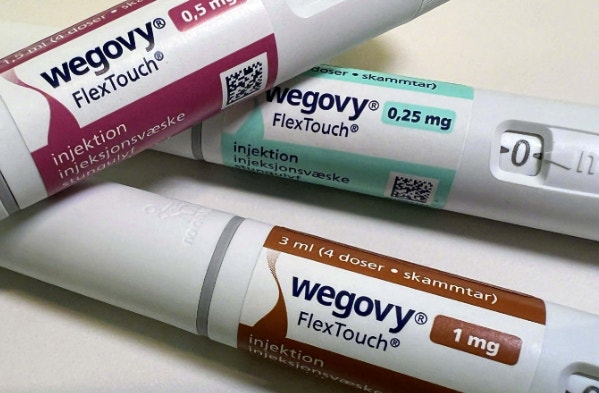
- Wegovy marks 1 year in Korea...posts ₩400B
- by Chon, Seung-Hyun Dec 09, 2025 08:28am
- Wegovy has continued its explosive sales momentum, posting quarterly sales over KRW 100 billion. Just one year after its domestic launch, it surpassed cumulative sales of KRW 400 billion, dominating the obesity treatment market. The newly launched Mounjaro is also beginning to gain traction, while Saxenda and Qsymia, which previously led the market, have seen their influence sharply decline.According to the pharmaceutical research institution IQVIA, Novo Nordisk's Wegovy recorded sales of KRW 137 billion in the third quarter. This represents a 2.4% increase from the KRW 133.8 billion in the second quarter, marking the second consecutive quarter exceeding KRW 100 billion in sales.Wegovy, which received MFDS approval in April 2023, is a glucagon-like peptide-1 (GLP-1) receptor agonist containing the active ingredient semaglutide. Novo Nordisk identified weight loss effects in patients during a clinical trial of a GLP-1 diabetes drug candidate and developed Wegovy, a once-weekly obesity treatment using semaglutide.Quarterly Major Obesity Drug Sales (Unit: KRW billion, Source: IQVIA)Wegovy (blue) , Mounjaro (orange), Qsymia (green), Saxenda (sky blue)Since its launch in October last year, Wegovy has seen explosive popularity despite its high price, rapidly becoming the market leader. Its prescription demand surged due to its significant weight loss effects. Wegovy achieved sales of KRW 60.3 billion in Q4 last year, instantly becoming the leader in the obesity drug market.Wegovy continued its upward trend with Q1 sales of KRW 79.4 billion and surpassed quarterly sales of KRW 100 billion in Q2 with KRW 133.8 billion, just 9 months after launch. Wegovy maintained its growth momentum in the third quarter despite a significant drop in its supply price.Wegovy is creating a global sensation with its groundbreaking weight loss effects. Last year, Wegovy recorded sales of DKK 58.26 billion (approximately KRW 11.7 trillion), an 85.7% increase from DKK 31.343 billion in 2023. Demand surged dramatically after its U.S. launch, which caused shortages.Even before its domestic release, Wegovy gained global notoriety for shortages as it spread by word of mouth as the weight-loss secret of overseas celebrities like Tesla CEO Elon Musk. Despite its high price, Wegovy garnered explosive interest immediately after its domestic launch, leading to initial shortages.Wegovy lowered its supply price by approximately 40% last August following the launch of another obesity treatment, Mounjaro. Despite the price reduction, demand surged significantly, sustaining the upward sales trend.Wegovy's cumulative sales for the third quarter of this year totaled KRW 350.3 billion. Cumulative sales over the first year since its domestic launch reached KRW 410.6 billion. Novo Nordisk strengthened its commercial reach by signing a co-promotion agreement with Chong Kun Dang for Wegovy last September. Since October, Novo Nordisk and Chong Kun Dang have been jointly conducting sales and marketing activities for Wegovy, targeting domestic hospitals and clinics.Eli Lilly's Mounjaro, launched last August, has also been increasing its presence in the market, generating KRW 28.4 billion in sales within just 2 months of launch.Mounjaro acts on both the glucagon-like peptide-1 (GLP-1) receptor and the glucagon-like peptide-1 (GLP-1) receptor. It promotes insulin secretion, improves insulin resistance, and reduces glucagon secretion, thereby inducing reductions in both pre- and post-meal blood glucose levels. In Korea, Mounjaro was approved as a diabetes treatment in June 2023 and secured an additional indication as an obesity treatment in August last year.Saxenda and Qsymia, which had led the obesity drug market before Wegovy's arrival, have seen a significant decline in market influence.Novo Nordisk's Saxenda saw Q3 sales shrink 88.7% to KRW 2.1 billion, compared to KRW 18.9 billion in the same period last year.Launched domestically in 2018, Saxenda is the world's first GLP-1 receptor agonist approved for the treatment of obesity. It shares the same active ingredient as the type 2 diabetes treatment Victoza (liraglutide), differing only in dosage and administration. The emergence of Wegovy, another GLP-1 receptor agonist, is seen as further eroding Saxenda's market share. Following Wegovy's launch, Saxenda's domestic supply has decreased, leading to rumors of production halting.Saxenda rose to the top of the obesity treatment market shortly after its release in 2019 with sales of KRW 42.6 billion and maintained its leading position for five consecutive years until 2023. While Saxenda's sales reached KRW 66.8 billion in 2023, they have sharply declined since Wegovy's arrival. Cumulative sales for the first three quarters of this year totaled KRW 8.8 billion, an 84.9% decrease compared to KRW 58.3 billion during the same period last year.Alvogen Korea’s Qsymia recorded KRW 9.8 billion in Q3 sales, down 4.0% year-over-year. Launched in late 2019, Qsymia is a combination of phentermine and topiramate, for which Alvogen Korea acquired domestic rights in 2017 from Vivus in the U.S. Although Qsymia’s sales decline was smaller than Saxenda’s, its sales remain less than 10% of Wegovy’s, leaving the product significantly marginalized within the obesity treatment market.Qsymia recorded KRW 10.2 billion in Q3 sales last year, but after Wegovy’s launch, its sales fell to KRW 9.3 billion in the fourth quarter, and the downward trend has continued this year.

- Company
- Tevimbra to be reviewed for reimb this year
- by Eo, Yun-Ho Dec 09, 2025 08:28am
- The immunotherapy drug ‘Tevimbra’ is expected to be reviewed for reimbursement at the final Cancer Disease Deliberation Committee meeting of 2025.The reimbursement expansion for BeOne Medicines Korea’s Tevimbra (tislelizumab) to cover 5 more indications is anticipated to be deliberated at the Health Insurance Review and Assessment Service's (HIRA) Cancer Disease Deliberation Committee meeting on the 10th.Tevimbra successfully secured reimbursement in April as the first immuno-oncology drug for esophageal cancer in Korea, and has since added 5 new indications across solid tumors, including esophageal cancer, gastric cancer, and non–small cell lung cancer (NSCLC). BeOne Medicines submitted reimbursement applications upon the indication expansion approval.The specific indications under review are: ▲First-line combination therapy for unresectable, locally advanced, or metastatic esophageal cancer; ▲First-line combination therapy for unresectable or metastatic HER2-negative gastric or gastroesophageal junction (GEJ) adenocarcinoma; ▲Two first-line combination regimens for NSCLC; and ▲Second-line monotherapy for NSCLC.Given how promptly the company applied for reimbursement of the additional indications, Tevimbra is soon expected to expand its clinical footprint across multiple cancer types in Korea.Industry expectations are particularly high because BeiGene previously emphasized a commitment to “reasonable pricing” during initial negotiations—an approach that facilitated successful reimbursement for the first indication.Whether the company will continue to uphold its philosophy of “delivering innovative therapies at affordable prices and leaving no patient behind” remains a key point to watch.Meanwhile, Teavimbra demonstrated efficacy and safety across various indications through the RATIONALE clinical trial program (RATIONALE-303, 304, 305, 306, 307).Notably, it demonstrated clinical benefit across the entire patient population for esophageal squamous cell carcinoma and gastric or gastroesophageal junction adenocarcinoma, with consistent results even in pre-specified PD-L1 expression subgroups.
- Company
- Ultomiris's reimb ignites competition in gMG mkt
- by Hwang, byoung woo Dec 08, 2025 08:58am
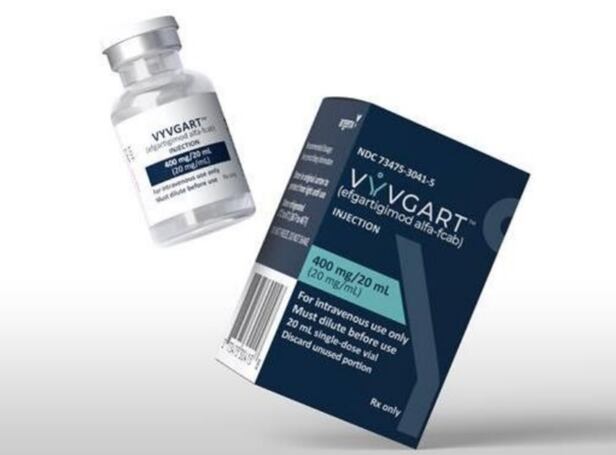
- Interest is growing in Handok's future launch strategy for Vyvgart (efgatizimod alfa), a treatment for generalized myasthenia gravis (gMG), following the reimbursement entry of its competitors.Pic of VyvgartAs a rare disease drug, securing reimbursement is essential. Although its mechanism differs from competitors, Handok plans to move quickly toward reimbursement.Handok received approval in January for Vyvgart, an imported orphan drug indicated for adult patients with generalized myasthenia gravis who are positive for anti-acetylcholine receptor (AChR) antibodies.Generalized myasthenia gravis is a chronic, rare autoimmune disease caused by neuromuscular transmission disorders, with approximately 85% of patients possessing autoantibodies against acetylcholine receptors.When these antibodies bind to the receptor, they activate the complement system and damage the postsynaptic membrane. This structural damage weakens signal transmission from nerves to muscles, ultimately causing neuromuscular transmission failure.Vyvgart selectively targets IgG homeostasis by preventing pathogenic IgG autoantibodies from binding to neonatal Fc receptors (FcRn), which normally prevents IgG from being degraded by lysosomes. By blocking this binding, Vyvgart promotes the degradation of self-antibodies, thereby demonstrating therapeutic efficacy in patients with autoantibody-mediated myasthenia gravis.As the first-in-class FcRn-binding therapy approved in Korea, Vyvgart’s entry was expected to expand treatment options for adult gMG patients in Korea.However, the market dynamic changed abruptly on December 1, when AstraZeneca’s Ultomiris gained reimbursement for the same AChR-antibody–positive gMG population. Pic of UltromirisAstraZeneca announced that its C5 inhibitor, Ultomiris (ravulizumab), was granted reimbursement starting in December for adult patients with anti-acetylcholine receptor antibody-positive generalized myasthenia gravis.Although it received approval as a subsequent option after treatment with two or more non-steroidal immunosuppressants prior to Ultomiris therapy, thereby limiting its use, Ultomiris’s rapid reimbursement has drawn significant attention in the clinical field.Handok signed an exclusive domestic supply agreement with Argenx BV in 2023 for Vyvgart and is in charge of its approval registration, coverage, and exclusive distribution in Korea.According to the company, having received approval in January this year, it is preparing for the next step – reimbursement discussions. However, it has not yet submitted the documents required to formally initiate the reimbursement listing process with the Health Insurance Review and Assessment Service (HIRA).While the speed of reimbursement has become important due to competing drugs entering the reimbursement system, Handok maintains a cautious approach given Vyvgart’s novel mechanism of action.A Handok official stated, “We were closely monitoring Ultomiris' reimbursement process internally, as it is a treatment for the same indication. Since Ultomiris was granted reimbursement for the same indication, we see positive aspects for Vyvgart’s reimbursement listing in Korea.”“However, Ultomiris already has reimbursement for other indications, and expanded reimbursement to gMG. So it underwent a different reimbursement track from Vyvgart. Vyvgart, being a new drug seeking initial reimbursement, would require more time.”In short, Ultomiris both intensifies future competition and, at the same time, lowers the reimbursement barrier.But Handok is not in a position to proceed slowly.UCB’s Zilbrysq (zilucoplan) and Rystiggo (rozanolixizumab) were approved in November 2024 and April this year, respectively.Zilbrysq shares a mechanism with Ultomiris, while Rystiggo targets FcRn like Vyvgart.With UCB aggressively pushing for the drugs’ approval and reimbursement in Korea, Handok also faces pressure to accelerate its efforts to secure reimbursement.A Handok official stated, “We are actively exploring ways to ensure Vyvgart secures successful reimbursement. Since the conditions under which rare disease treatments receive reimbursement are crucial, we are examining the timing, track, and reimbursement conditions to maximize patient benefit.
- Company
- Targeted anticancer agents for HER2 lung cancer show results
- by Son, Hyung Min Dec 08, 2025 08:58am
- Results from new drugs for HER2-mutated lung cancer were presented at the ESMO ASIA 2025, which kicked off on December 5 in SingaporeNew drugs for HER2-mutated Non-Small Cell Lung Cancer (NSCLC) have shown effectiveness in Asian patients.Bayer and Boehringer Ingelheim have officially joined the competitive landscape by releasing their Asian clinical data for 'Hyrnuo (sevabertinib)' and 'Hernexeos (zongertinib)', respectively.Following the existing therapy, Enhertu, these new treatment options have all demonstrated consistent antitumor effects and predictable safety profiles in Asian patients, signaling an important turning point in changing the treatment strategy for HER2-mutated lung cancer.At ESMO Asia 2025 in Singapore on December 5, Bayer released Asian patient data for its oral HER2-targeted therapy, Hyrnuo, which recently secured U.S. FDA approval. The analysis presented was an interim result focused on 140 Asian patients who participated in Cohorts D, E, and F of the pivotal SOHO-01 study.The study showed that Hyrnuo demonstrated consistent efficacy in both treatment-experienced patients (D) and patients undergoing first-line treatment (F).Specifically, the objective response rate (ORR) reached 66.7% in the first-line cohort (F) and 61.4% in Cohort D (patients previously treated but HER2 TKI-naïve). A response rate of 46.9% was also confirmed in Cohort E, which had prior HER2 ADC experience, indicating a significant antitumor effect regardless of prior treatment type. The duration of response (DOR) was 12.6 months in Cohort D and 8.5 months in Cohort E. The first-line cohort (F) showed sustained responses lasting at least 8 months, although accurate median calculation was difficult due to data censoring.The characteristics of the Asian patients were distinct. 70–86% were non-smokers, and over 60% were female, consistent with the frequently reported East Asian characteristics of HER2-mutated lung cancer. The mean age ranged from 59 to 66 years, reflecting the patient population observed in clinical practice.Safety analysis showed a predictable HER-family TKI profile. Treatment-related adverse events (TRAEs) were reported in 99.3%, but most (68.6%) were Grade 1–2. The most common AE was diarrhea (76.4%), with Grade 3 occurring in 11.4%. Dose reduction occurred in 27.1%, and discontinuation in 3.6%. Notably, no cases of Interstitial Lung Disease (ILD), a serious concern with HER2-targeted agents, were reported, highlighting Hyrnuo's strength in a safety profile.Professor Daniel Shao Weng Tan of the National Cancer Centre Singapore HER2-mutated lung cancer is a rare cancer, accounting for only 2–4% of all NSCLC, but the entry of new drugs like Hyrnuo and Enhertu is rapidly heating global competition. Hyrnuo's Asian data, which simultaneously demonstrating first-line potential, consistent response rates regardless of prior therapy, and manageable safety, suggests the emergence of another critical axis in the shifting treatment strategy for HER2-mutated lung cancer.Professor Daniel Shao Weng Tan of the National Cancer Centre Singapore stated during presentation, "The durable response and predictable safety confirmed in Asian patients support Hyrnuo's potential as a treatment option," and emphasized, "This drug could contribute to broadening the choices available to HER2-mutated lung cancer patients."Boehringer Ingelheim’s Hernexeos (zongertinib) achieves over 70% ORR in Asian patientsFollowing Hyernuo, Boehringer Ingelheim’s HER2-targeted therapy Hernexeos also demonstrated a powerful therapeutic effect in Asian patients, further intensifying competition in the HER2-mutated lung cancer market.Hernexeos is designed to selectively inhibit HER2 while not targeting wild-type EGFR, minimizing the toxicity issues seen with prior HER-family treatments. This drug has already received U.S. FDA approval and has been designated as an Innovative New Drug in China, recognizing its accelerated development pathway.This ESMO Asia featured results from the Asian subgroup analysis of Cohort 1 of the global Phase 1b Beamion LUNG-1 study, targeting HER2-mutated NSCLC patients who had received prior systemic chemotherapy.Hernexeos was confirmed at a single dose of 120 mg once daily following an interim analysis. Efficacy endpoints, including ORR, DOR, and progression-free survival (PFS), were assessed based on Blinded Independent Central Review (BICR).Of the total 75 patients in the global cohort, 39 were East Asian (18 from China, 12 from Korea, and 9 from Japan). The analysis showed that the ORR for all East Asian patients was 76.9%, and the disease control rate (DCR) was 100%. The median DOR for the East Asian cohort was 14.1 months, and the median PFS was 15.5 months, suggesting stable and long-term efficacy is possible even in previously treated HER2-mutated patients.Professor Yi-Long Wu of the Department of Oncology at Guangdong Lung Cancer InstituteNotably, the Chinese patient subgroup showed an even higher response rate, with an ORR of 83.3% and a DCR of 100%. A DOR of 14.1 months was observed in some Chinese patients, and PFS was 15.5 months, consistent with the overall East Asian cohort. Considering that therapeutic response to HER2-mutated lung cancer can be sensitive to ethnic or regional differences, these results are interpreted as clear evidence of Hernexeos's competitiveness in Asian patients.Safety was also manageable. Adverse drug reactions were reported in 92% of all Asian patients, with moderate or greater severity (≥ Grade 3) occurring in 18%. The most common AE was diarrhea (38%), which was mostly Grade 1 and manageable. Critically, no cases of drug-related ILD, a significant concern with HER2-family drugs, were reported, supporting Hernexeos's safety advantage.The investigators stated, "Hernexeos's mechanism certainty and clinical value were already recognized through the publication of global data in the New England Journal of Medicine, and this Asian data shows a consistent trend with those results," and emphasized, "The strong response rate, durability lasting over one year, low discontinuation rate, and predictable safety profile increase the likelihood that Hernexeos will become an important targeted therapy for HER2-mutated NSCLC."
- Company
- Imfinzi shows positive perioperative therapy results in Asians
- by Son, Hyung Min Dec 08, 2025 08:57am
- The perioperative (pre- and post-operative) efficacy of Imfinzi in gastric cancer has been reproduced in Asian patients.A subgroup analysis of Asian patients from the global phase III MATTERHORN trial showed that combining Imfinzi with FLOT (fluorouracil, leucovorin, oxaliplatin, docetaxel) improved event-free survival (EFS) in patients with gastric or gastroesophageal junction adenocarcinoma, while also significantly increasing pathologic complete response (pCR) rates, reaffirming its potential as a new perioperative treatment option.Clinical results for AstraZeneca's immuno-oncology drug Imfinzi (durvalumab) were presented at the European Society for Medical Oncology Asia Congress 2025 (ESMO ASIA 2025) on the 6th.Professor Yelena Y. Janjigian of Memorial Sloan Kettering Cancer Center in the US presented the results of the Asian subgroup analysis from the Phase III MATTERHORN study at ESMO ASIA 2025 in Singapore on the 6th.The final analysis of the MATTERHORN Phase III clinical trial, presented at ESMO 2025 in Berlin, Germany, last October, confirmed that Imfinzi's use as perioperative therapy statistically significantly improved overall survival (OS). The ESMO Asia presentation provided data focused on Asian patients, including Korean participants.A total of 180 Asian patients participated in this analysis. The Asian cohort had a higher proportion of T4 stage disease and positive lymph nodes compared to the overall study, indicating a larger proportion of high-risk patients.Despite this, Imfinzi + FLOT demonstrated a 26% reduction in the risk of disease progression compared with placebo + FLOT.The 24-month EFS rate was 72.1% in the Imfinzi group, higher than the 64.2% in the placebo group. The median EFS was not reached in either group, suggesting the potential for more pronounced treatment benefits with longer follow-up. The OS benefit was also similar to that seen in the previous global clinical trial.Particularly noteworthy was the pCR rate. In the Asian cohort, the Imfinzi combination therapy increased the proportion of patients achieving complete tumor disappearance at the time of surgery to 18.9%, more than threefold of the 5.6% in the placebo group.This result is comparable to the overall analysis, demonstrating that Imfinzi can significantly enhance tumor shrinkage effects during the neoadjuvant treatment phase. Given that pCR is a key predictor of long-term survival in neoadjuvant chemotherapy, the finding carries strong clinical significance.Safety was also confirmed to be manageable without a notable increase in toxicity compared to standard FLOT. There were no major differences in Grade 3 or higher adverse events between the two groups, and treatment discontinuation rates were similar, indicating no new safety concerns from adding Imfinzi. Considering how FLOT itself is a high-intensity regimen, this is interpreted as an important observation.Professor Yelena Y. Janjigian of Memorial Sloan Kettering Cancer Center in the US, who led the study, emphasized, “Although Asian patients tended to have more advanced disease and higher risk features than the overall study population, the Imfinzi combination therapy demonstrated consistent benefits in both EFS and pCR. This reaffirms the value of introducing immunotherapy in the perioperative setting.”The research team further projected, “Recurrence rates remain high in resectable gastric cancer. The role of immunotherapy in the perioperative phase is expected to expand further.”
- Company
- Leclaza combo confirms OS Advantage in EGFR+ NSCLC
- by Son, Hyung Min Dec 08, 2025 08:57am
- The Rybrevant + Leclaza combination therapy has demonstrated clear survival benefits in Asian patients, following the overall patient population, for first-line treatment of EGFR-mutated non-small cell lung cancer (NSCLC). Such results from the Asian subgroup analysis of the global Phase III MARIPOSA study confirmed that the combination therapy improves overall survival (OS) compared to Tagrisso, reaffirming its status as the ‘new standard of care’.Given that approximately 60% of lung cancer cases occur in Asia, and particularly considering the regional characteristic of how EGFR mutations are far more prevalent in Asia than in Western populations, the new findings have substantial implications for real-world clinical practice.On the 6th, at ESMO ASIA 2025, the Asian subgroup analysis results from the Phase III MARIPOSA study, which evaluated the efficacy and safety of ‘Rybrevant (amivantamab) + Leclaza (lazertinib)’, were presented.The Asian cohort analysis results from the Phase III MARIPOSA study were disclosed at ESMO ASIA 2025 on the 6thLeclaza, developed by Yuhan Corporation, is a third-generation EGFR TKI targeting exon 19 deletions and exon 21 (L858R) mutations. Johnson & Johnson holds global rights to Leclaza and has been studying its combination with Rybrevant, a bispecific EGFR/MET antibody that targets EGFR exon 20 insertions and MET alterations.In the trial, the Rybrevant + Leclaza combination showed a statistically significant OS improvement compared with Tagrisso (Osimertinib) monotherapy.A total of 858 patients were enrolled, of whom 501 were Asian.At a median follow-up of 38.7 months, the Rybrevant + Leclaza combination reduced the risk of death by 26% in Asian patients. While the median overall survival (OS) was not reached in the combination group, it was 38.4 months in the Tagrisso group. The researchers estimated that the survival benefit from combining the two drugs would be more than one year. The 36-month survival rate was also higher in the combination therapy group at 61%, compared to Tagrisso.Given that EGFR mutations are common in Asian patients and their disease characteristics differ from those in Western populations, changes in treatment strategies have a significant impact on clinical practice. This analysis confirmed the same survival improvement effect seen in the global overall results, reaffirming that the Rybrevant + Leclaza combination demonstrates ample efficacy in real-world clinical settings among East Asians.Professor Hidetoshi Hayashi of Kindai University in Japan, the study presenter, stated, “The combination therapy demonstrated a clear reduction in mortality risk even in Asian patients, strongly supporting its establishment as the new standard of care. It is becoming a key therapeutic strategy for achieving long-term survival in EGFR-mutated lung cancer.”The Rybrevant + Leclaza combination is already approved as a first-line treatment in major countries, including the US, Europe, South Korea, Japan, and China. Considering the high prevalence of EGFR mutations among Korean patients, this Asian subgroup analysis is expected to significantly influence actual clinical practice guidelines and treatment choices.Professor Hayashi explained, “The major unmet need in EGFR-mutated NSCLC is improving long-term survival. These results demonstrate that the treatment paradigm is shifting from single-agent targeted therapy toward combination approaches.” “
- Company
- New drug for Exon 20+ NSCLC likely…'zipalertinib' results
- by Son, Hyung Min Dec 08, 2025 08:56am
- The oral EGFR Exon 20 insertion mutation targeted therapy, zipalertinib, jointly developed by Japan's Taiho Pharmaceutical and the U.S.'s Cullinan Therapeutics, demonstrated consistent efficacy in the Asian patient cohort. Zipalertinib has become as a potential competing drug against Janssen’s 'Rybrevant (amivantamab)', which is currently the only approved first-line therapy in this area.According to industry sources on December 8, clinical results for zipalertinib were presented at the recent European Society for Medical Oncology Asia (ESMO Asia 2025) annual meeting in Singapore. This analysis was a subgroup analysis of the Asian population, following the initial data presented at the American Society of Clinical Oncology (ASCO) 2025, and evaluated zipalertinib's clinical utility in Exon 20 insertion-mutated Non-Small Cell Lung Cancer (NSCLC).Despite EGFR Exon 20 insertion-mutated NSCLC being a relatively higher prevalence in Asia, there have been limited treatment options for this disease. Following Takeda's market withdrawal of 'Exkivity (mobocertinib)', only Rybrevant remains, leaving a significant unmet need for new agents. Analysis suggests that the Asian subgroup analysis results for the orally administered zipalertinib are likely attracting considerable industry attention.Professor Ross A. Soo of the National University Cancer Institute SingaporeThe study enrolled 137 patients, of whom 107 were Asian, and 30 were from the Rest of the World (ROW). Efficacy analysis was conducted in 176 patients with at least 8 months of follow-up. Patients were administered zipalertinib 100 mg twice daily, and approximately half of the cohort (41%) had a history of brain metastases.The overall response rate (ORR) showed minimal difference between the two groups: 33% for the Asian cohort and 37% for the ROW cohort. The duration of response (DOR) was 8.3 months for the Asian cohort and 10.5 months for the ROW cohort. The progression-free survival (PFS) was 9.5 months in the Asian cohort and 9.0 months in the ROW cohort, with almost identical efficacy curves.The median overall survival (OS) has not yet been reached in the Asian cohort, compared with 24 months in the ROW cohort. The investigators assessed that "zipalertinib demonstrated a clinically meaningful and consistent response in both Asian and non-Asian populations."The safety profile also showed no significant differences between the two groups. The most common adverse events (AEs) were paronychia, rash, dry skin, stomatitis, and diarrhea, which are generally manageable AEs associated with the Tyrosine Kinase Inhibitor (TKI) class. Even considering that Asian patients tend to show a higher incidence of certain AEs like skin and hand-foot syndrome with targeted therapies, zipalertinib demonstrated a manageable tolerability.Professor Ross A. Soo of the National University Cancer Institute Singapore explained, "Zipalertinib demonstrated efficacy in Asian patients comparable to the global patient population, confirming its potential as a new treatment option," and added, "The fact that it is an oral agent also holds significant value in terms of treatment adherence and accessibility."Based on these clinical results, Taiho Pharmaceutical and Cullinan Therapeutics have initiated the New Drug Application (NDA) submission process in the United States.
