
- LOGIN
- MemberShip
- 2026-05-07 16:18:32
- Company
- The share of the domestic bio-industry is around 1%
- by Hwang, Jin-joon Jun 01, 2023 05:42am
- "It has been confirmed that the domestic bio-industry accounts for around 1% of the global market. In order for Korea's bio-industry, which is a latecomer, to secure global competitiveness, policy, and institutional support is needed." Lee Jeong-Seok, chairman of the Korea Biopharmaceutical Association, said this at the ‘Biohealth Industry National Competitiveness Forum’ held at the National Assembly Library in Yeouido, Seoul on the 30th. The debate was hosted by National Assembly member Jeong Il-young and the Korea Biopharmaceutical Association, and hosted by the National Assembly's New Growth Industry Forum. It was planned with the purpose of requiring strategic discussions to strengthen the competitiveness of the health industry, which is considered one of the future growth engines. Chairman Lee Jeong-Seok said, "Alvin Toffler predicted in his book 'The Third Wave' that the bio age would open in the 21st century and that biotechnology and space engineering would lead industrial development." We are witnessing what is happening,” he said. Chairman Lee continued, "As I realized while going through the Corona 19 Pandemic Tunnel, the bio-industry is an essential industry to secure the public health and safety net," and explained, "It is one of the future new industries that must secure competitiveness." Chairman Lee said, "The bioindustry is doing its best for R&D, investment, and technological development in terms of survival." He emphasized, "The health industry in Korea can develop depending on the timely interest and support of the government and the National Assembly."
- Company
- ↓Sales of Nexavar and Lenvima &↑Sales of Cabometyx
- by Kim, Jin-Gu Jun 01, 2023 05:39am
- Nexavar, Lenvima, and Tecentriq The second-line treatment Stivaga also decreased by 23%, and Only 2nd and 3rd line treatment Cabometyx grew by 11%. Sales of major liver cancer treatments plummeted. Nexavar (Sorafenib) sales decreased by nearly half in the first year, and Lenvima (Lenvatinib) sales also decreased by 41%. It is analyzed that the impact of the immuno-oncology drug Tecentriq being added to the liver cancer first-line treatment market as a combination therapy with Avastin. However, Cabometyx, which is used as a 2nd and 3rd line treatment, was the only one that showed an increase in sales. In the case of second and third-line liver cancer treatment, it is analyzed that the limited coverage range is working in favor of Cabometyx. Sales of Nexavar and Lenvima plummeted after the addition of Tecentriq’s first-line treatment. According to IQVIA, a pharmaceutical market research institute, on the 26th, sales of Nexavar in the first quarter of this year were 1 billion won. Compared to 2 billion won in the first quarter of last year, it decreased by half. After launching in Korea in 2006, Nexavar was listed on the reimbursement list as a liver cancer treatment in 2008. Since the introduction of Lenvima, sales of Nexavar have declined. In the second quarter of 2021, when Hanmi Pharmaceutical released a generic Nexavar, the drug price was reduced and sales further decreased. In May of last year, when Tecentriq received reimbursement for the first-line treatment of hepatocellular carcinoma through combination therapy with Avastin, the decline in sales increased further. The situation is similar for Lenvima, which formed a competitive structure with Nexavar. Since entering Tecentriq last year, the decline in sales has been evident. Renvima's sales in the first quarter were 2.3 billion won, down 41% from 4 billion won in the first quarter of last year. On the other hand, Tecentriq's growth rate is steeper after expanding its scope to the first-line treatment for liver cancer. Tecentriq's sales, which were 18.4 billion won in the first quarter of last year, exceeded 20 billion won in the third quarter after the expansion of liver cancer benefits, and grew further to 23 billion won in the first quarter of this year. Stivarga and Cabometyx, the second and third-line liver cancer treatments, had mixed feelings. Stivarga decreased 23% from 3.6 billion won in the first quarter of last year to 2.8 billion won in the first quarter of this year. On the other hand, Cabometyx increased by 11% from 4.7 billion won to 5.2 billion won. It is the only treatment for liver cancer that has seen an increase in sales. It is interpreted that the reason for the mixed results between Stivarga and Cabometyx, even though they are the same follow-up treatment, is due to the difference in efficacy between the drugs. In 2020, Ipsen made an indirect comparison of the two drugs. As a result of a one-to-one comparison of previously conducted phase 3 clinical data using a clinical matching-adjusted indirect comparison (MAIC) method, Cabometyx outperformed Stivarga in PFS by 5.6 months vs. 3.1 months. Around the time this study was published, sales of Stivarga have been steadily declining. Stivarga's sales, which were 6.1 billion won in the second quarter of 2020, decreased by half in about three years by the first quarter of this year. On the other hand, Cabometyx increased by 58% from 3.3 billion won to 5.2 billion won during the same period. Analysts say that the fact that reimbursement for second and third-line liver cancer treatment is limited is also working in favor of Cabometyx. In the guidelines revised last year, the combination therapy of Tecentriq + Avastin is recommended as the first-line treatment for liver cancer. If this fails, you can try a combination of Nexavar, Lenvima, Stivarga, Cabometyx, or another immuno-oncology drug. However, in this case, benefits are not applied no matter what drug is used as a secondary treatment. In the field of treatment, Nexavar is prescribed for non-reimbursement, followed by Stivarga or Cabometyx. Stivarga and Cabometyx are approved for use only in patients previously treated with sorafenib. It is analyzed that prescriptions are concentrated on Cabometyx in a situation where available drugs are limited after the failure of the first treatment.
- Company
- The only non-reimbursed Evrysdi struggle in the market
- by Jung, Sae-Im Jun 01, 2023 05:39am
- (From the left) Spinraza, Evrysdi, Zolgensma It has been 1 year and 6 months since the only oral spinal muscular atrophy (SMA) treatment, ‘Evrysdi (risdiplam),’ has been released in the Korean market. However, the company is having trouble posting sales in Korea. This is in stark contrast to how the same product exceeded the sales of 'Zolgensma' and is comparable to the sales of 'Spinraza.’ The fact that the reimbursement application was not even discussed for nearly 2 years and its reimbursement was blocked acted as a barrier in Korea. However, the Health Insurance Review and Assessment Service plan to review Evrysdi at its Drug Reimbursement Evaluation Committee (DREC) soon. According to the market research institution IQVIA on the 31st, the SMA treatment market in Korea had reached KRW 20 billion in Q1, up 15% YoY. Three SMA treatments are currently available in Korea: ▲Biogen’s ‘Spinraza (nusinersen)’ ▲Roche’s ‘Evrysdi (risdiplam,’ and ▲Novartis’s ‘Zolgensma (onasemnogene abeparvovec). Data: IQVIA Among the 3, the drug that posted the highest sales was Spinraza, which posted KRW 14.3 billion in sales in Q1 this year. When it was the only drug available in the market, it once exceeded KRW 20 billion in quarterly sales, but it recently showed a decline in sales due to the emergence of its competitors. In Q1 this year, its sales fell 18% YoY. Zolgensma, the “one-shot treatment” that only needs to be administered once in a lifetime, came in second with KRW 5.4 billion. On the other hand, Evrysdi, the only oral drug, recorded only KRW 300 million in quarterly sales. This is in stark contrast with the global market trend. In the global market, Evrysdi’s sales exceeded Zolgensma's and are even threatening Spinraza’s sales. In its Q1 earnings report, Roche announced that Evrysdi's global sales recorded CHF 363 million (approximately KRW 530 billion). During the same period, Zolgensma posted sales of USD 309 million (approximately 409 billion). Evrysdi’s global sales followed up to the bottom of Spinraza’s sales, which posted USD 443 million (approximately KRW 586 billion). SMA is a rare condition in which the SMN1 gene is innately deficient or mutated to result in progressive muscle atrophy. Globally, SMA occurs in about 1 in 10,000 newborns, and in Korea, it is known that about 30 patients (based on 300,000 newborns) occur each year. The severity of the condition is closely related to the number of the “backup” SMN2 genes. The SMN2 gene can produce up to 10% of the SMN protein that SMN1 cannot produce. In the case of SMA Type 1, the most common and severe form of SMA, if left untreated, over 95% of the motor neurons are damaged within 6 months, and 90% die before the age of 2. Although the condition is rare, the number of treatment options had increased to three at once with the recent development of new drugs. Starting with Spinraza in December 2017, Evrysdi in November 2020, and Zolgensma in May 2021 each drug received approval from the Ministry of Food and Drug Safety. The 3 drugs have different characteristics. Spinraza has the strength of being the first treatment. Evrysdi is an oral drug that is easy to administer and relatively inexpensive. Zolgensma is the most expensive drug in Korea, but it is a gene therapy that can fundamentally treat the disease with one single injection. The market prospects are more favorable to Evrysdi. U.S. analysts have predicted that Evrysdi would post the highest sales in 2026. They expect that the more affordable oral drug strategy will work for the benefit. Evrysdi, which has risen to the forefront in major countries such as the United States and Japan, is struggling only in Korea. Roche released the drug into the domestic market and applied for its reimbursement about a year after approval. Its sales were recorded only since Q3 2022, 1 year after its launch. However, unlike the other two drugs that are approved for reimbursement, the non-reimbursed Evrysdi posted less than KRW 500 million in quarterly sales. Roche applied for the reimbursement of Evrysdi to HIRA in mid-2021, but HIRA delayed discussing Evrysdi’s reimbursement for nearly two years. The biggest reason was the extension of Spinraza's reimbursement standards. As the two drugs target the same disease, the authorities planned to discuss the reimbursement of Evrysdi after revising the reimbursement standards for Spinraza, but the discussion on Spinraza took longer than expected, not allowing Evrysdi to even be submitted for review by DREC. With discussion making way recently, Spinraza and Evrysdi’s reimbursement applications recently passed Drug Reimbursement Standard Subcommittee. The 2 drugs are scheduled to be presented for review to DREC for the meeting on the 1st of next month. Expectations are high that the agendas will easily pass the DREC review as they have been discussed for a long time. As the price is cheaper than its comparators, the drug pricing negotiations are also expected to be completed without difficulty. If reimbursed, Evrysdi’s sales are expected to expand significantly. However, since the reimbursement standards are also being extended for Spinraza, it will be difficult for the latecomer Eversdi to compete in the Korean market. Whether or not the reimbursement for switching will be recognized is also expected to be a variable that determines the extent of Evrysdi’s sales growth.
- Company
- SK bioscience's coronavirus vaccine, approved in the UK
- by Kim, Jin-Gu Jun 01, 2023 05:39am
- SKYCovione While SKYCovione, a domestic COVID-19 vaccine, obtained approval in the UK, SK bioscience predicted that global expansion would begin in earnest after the WHO EUL listing expected next year. According to the pharmaceutical industry on the 31st, SK bioscience received official approval for SKYCovione from the British MHRA on the 26th (local time). It is a vaccine for primary vaccination (1st and 2nd) for adults over 18 years of age in England, Scotland, and Wales. It is the first overseas approval for a domestic corona vaccine. SK Bioscience is promoting WHO EUL listing and EMA sales permission. It applied for EUL listing to WHO in September of last year, and conditional permission to EMA in August of last year. It is said that the documents are currently being reviewed by both institutions. SK Bioscience expects to register for the WHO EUL next year. When the WHO EUL listing is completed, it plans to apply for permission to countries around the world that need SKYCovione thereafter. In the case of low- and middle-developed countries in Southeast Asia, Central and South America, and Africa, which are considered potential exporters of SKYCovione, it is possible to enter the market depending on whether or not the WHO EUL is listed, SK Bioscience explained. "We have applied for permission to the UK, EMA, and WHO EUL," said an official from SK Bioscience. This official said, "In the case of low- and middle-developed countries, they usually follow the WHO EUL," and added, "We expect the WHO EUL to be listed next year. Once it is listed on the WHO EUL, we can identify the demand for each country and apply for permission. From next year onwards. We expect to be able to increase global sales.” SK Bioscience expects that SKYCovione's global sales will generate enough even after next year in that the possibility of annual vaccination of the corona vaccine increases. There are already active discussions on the annual vaccination of corona vaccines in the United States, Japan, and Australia. The Korean government also announced that it would inoculate the corona vaccine once a year like the flu vaccine. If the corona vaccine is inoculated annually, SKYCovione is expected to have a competitive edge in the market different from mRNA vaccines. It is expected that SKYCovione will be widely used in low- and middle-developed countries markets that do not have cryogenic facilities because it has proven its long-term safety as a synthetic antigen method and is relatively easy to distribute and store.
- Company
- Keytruda is expected to enter the domestic market
- by Eo, Yun-Ho Jun 01, 2023 05:38am
- Keytruda, an immuno-oncology drug, is aiming to expand indications for early lung cancer in Korea. According to the related industry, MSD Korea is a non-small adult stage 1B (tumor size of 4 cm or more), stage 2 or 3A after surgical excision of the PD-1 inhibitor Keytruda (pembrolizumab) and use of a platinum complex chemotherapy agent. A post-application for cell lung cancer adjuvant therapy was submitted and review is currently underway. The indication received final approval from the US FDA in January. The efficacy of Keytruda in adjuvant therapy for early non-small cell lung cancer was confirmed through a phase 3 clinical trial, KEYNOTE-091. According to the study, Keytruda reduced the risk of disease recurrence or death by 27%, regardless of PD-L1 expression. The median DFS, which was the primary endpoint, was 58.7 months in the Keytruda group and 34.9 months in the placebo group. Keytruda anticipates expanding its scope to adjuvant treatment for non-small cell lung cancer before and after surgery through the combination of chemotherapy. The KEYNOTE-67 study, published in March, compared Keytruda with chemotherapy as adjuvant therapy before and after surgery in patients with stage 2-3B non-small cell lung cancer. The Keytruda group received 'Keytruda + chemotherapy' before surgery and 'Keytruda' alone after surgery, and the placebo group received 'placebo + chemotherapy' before surgery and 'placebo' after surgery. administered alone. As a result, the Keytruda group showed a statistically significant improvement in EFS compared to the control group, and significant improvements were also confirmed in the second evaluation variable pCR, and major pathological response. Keytruda added indications of Keytruda-chemotherapy combination therapy and postoperative adjuvant therapy as adjuvant therapy before surgery for stage 2 or 3 triple-negative breast cancer patients who had no treatment experience in Korea last year.
- Company
- Lyumjev can be prescribed at general hospitals
- by Eo, Yun-Ho May 31, 2023 05:37am
- According to related industries, Korea Lily's Lyumjev has passed the Drug Committee of medical institutions such as Samsung Seoul Hospital, Seoul National University Hospital, Seoul Asan Hospital, Gangnam Severance Hospital, and Seoul National University Bundang Hospital. This drug was approved in Korea in December 2021, and insurance benefits were applied from September last year. Lyumjev, postprandial insulin, is an 'Insulin Lispro' formulation that shows a quick effect and helps lower blood sugar levels in type 1 and type 2 diabetics who have increased blood sugar after meals or who have difficulty maintaining the target blood sugar range. Domestic approval was made based on data from the PRONTO clinical program targeting adult patients with type 1 and type 2 diabetes. PRONTO-T1D and PRONTO-T2D are phase 3 clinical studies with treatment goals that compare major treatment effects such as hypoglycemia rate, postprandial blood glucose management, and optimal blood sugar maintenance time after each patient group is treated to reach the same blood sugar control level. According to the study results, Lyumjev demonstrated non-inferiority in reducing HbA1c compared to baseline at week 26, the primary endpoint, when administered after meals compared to Lilly's existing short-acting insulin drug Humalog. Humalog showed superiority over Humalog in preventing a rapid rise in blood glucose at 1 hour and 2 hours after eating. In the results of phase 1 clinical trial targeting patients with type 1 diabetes, Humalog was found to be absorbed into the bloodstream faster than Humalog Insulin aspart. Blood glucose results up to the first 3 hours after administration of Lyumjev showed similar patterns to non-diabetic participants.
- Company
- Samsung Bioepis, Soliris biosimilar approved in Europe
- by Chon, Seung-Hyun May 31, 2023 05:36am
- A view of Samsung Bioepis headquartersSamsung Bioepis announced on the 30th that it has obtained item permission from EC for Episcli, a biosimilar of Soliris, a treatment for rare diseases. On March 30, after obtaining a positive opinion for sales approval from CHMP under the EMA, the final approval was obtained two months later. Episcli is the first biopharmaceutical in hematology developed by Samsung Bioepis. Soliris is an ultra-expensive drug developed by Alexion of the US that is used for intractable rare diseases such as nocturnal hemoglobinuria and atypical hemolytic uremic syndrome. Last year, global sales amounted to about 5 trillion won. Samsung Bioepis demonstrated pharmacokinetic equivalence between Episcli and the original drug in phase 1 clinical trials conducted on healthy volunteers from November 2018 to March 2019. From August 2019 to October 2021, the clinical equivalence of Episcli and the original drug was confirmed through a global phase 3 clinical trial targeting patients with nocturnal hemoglobinuria in 8 countries. “Episcli has proven its equivalence through comparative clinical trials with original drugs, and we expect to contribute to resolving unmet demand for drugs by improving patient accessibility of ultra-high-priced drugs,” said Professor Jang Jun-ho of Samsung Medical Center’s Department of Hematology and Oncology. An official from Samsung Bioepis said, “We have a total of seven biosimilar products in the European market through Episcli approval.” I can do it,” he said.
- Company
- Verzenio prescribing guideline recommendations
- by Eo, Yun-Ho May 31, 2023 05:36am
- Verzenio is expected to be used in early breast cancer patients with a high risk of recurrence even after surgery. Looking at the recently published domestic and international breast cancer treatment guidelines, the CDK4/6 inhibitor Verzenio was recommended based on a high level of evidence as adjuvant therapy after surgery for patients with high-risk recurrence of early breast cancer with HR+/HER2- positive lymph nodes. In the 10th breast cancer treatment recommendation of the Korean Breast Cancer Society revised in April this year, patients who underwent surgery for HR+/HER2- breast cancer had 4 or more lymph node involvement, 1-3 benign lymph nodes, and tumor size of 5 cm or more or a high-risk tumor of grade 3 In order to reduce the recurrence rate of patients with factors, endocrine therapy and Verzenio combination treatment after breast cancer surgery were recommended as 'evidence level 1' and 'recommendation grade A'. Prior to the Korean Breast Cancer Society, the treatment guidelines of the National Comprehensive Cancer Network in the US were also revised in March. NCCN changed the level of evidence for 2 years of Verzenio + endocrine therapy as adjuvant therapy after surgery in HR+/HER2- high-risk breast cancer patients (the details are the same as in Korea) from category 2A to category 1, the highest grade. Verzenio's most recent data is the results of a 4-year follow-up study of monarchE, presented at the San Antonio Breast Cancer Symposium annual conference in December 2022 and published in The Lancet Oncology in January 2023. In the paper, the patient group treated with Verzenio + endocrine therapy had a reduced risk of recurrence and death compared to the control group until the 4th year after completing 2 years of postoperative adjuvant therapy, and the gap with the control group continued to increase until the 4th year. These results suggest the possibility that the risk of recurrence can be continuously reduced by maintaining endocrine therapy after completing Verzenio + endocrine therapy for 2 years. The monarchE study was a phase 3 study that confirmed the clinical efficacy and safety profile of Verzenio + endocrine therapy as adjuvant therapy after surgery for HR+/ HER2- lymph node-positive early breast cancer patients (N=5,637) at high risk of recurrence, compared to the existing standard endocrine therapy. a clinical study The monarchE cohort 1, which served as the basis for domestic approval, included 5120 patients (91%). The primary evaluation index was Invasive Disease-Free Survival (IDFS), and the secondary evaluation index was DRFS and OS. Looking closely at the results, Verzenio + endocrine therapy in monarchE cohort 1 reduced the risk of recurrence and death by about 35% at 4 years compared to endocrine therapy alone. The absolute difference of Verzenio gradually increased from 3.1% in the second year to 5.0% in the third year and 6.9% in the fourth year. The risk of distant recurrence and death was also reduced by approximately 35%, and OS has not yet been derived. Early breast cancer patients are treated with the goal of a complete cure, but in the case of recurrent or metastatic breast cancer patients, the goal is changed to treatment to prolong life and improve quality of life. Since the risk of recurrence is highest in the first 1 to 2 years after diagnosis, treatment to prevent recurrence after surgery is essential. About 14% to 23% of hormone receptor-positive (HR+) early breast cancer patients still experience recurrence even after surgery and endocrine therapy as an adjuvant treatment after surgery. In particular, according to a real-world study conducted in the United States, patients with recurrence risk factors defined in the IDFS, monarchE study showed about three times greater recurrence risk than breast cancer patients who did not. Among the risk factors for recurrence defined by monarchE, Cohort 1, the domestic approval standard, is ▲4 or more pALN, ▲1 to 3 positive axillary lymph nodes, and ▲ a tumor size of 5cm or more, ▲histological grade 3. While there was an unmet demand for more effective treatment options for the high-risk group for recurrence in the early stage of breast cancer, Verzenio obtained significant results in HR+/HER2- lymph node-positive high-risk early breast cancer with high-risk recurrence through the phase 3 trial of monarchE in 2020. And based on this, in November 2022, for the first time as a CDK4/6 inhibitor, it obtained approval from the Ministry of Food and Drug Safety in Korea as a combination therapy with endocrine therapy as an adjuvant treatment for adult patients with high-risk early breast cancer with HR+/HER2- positive lymph node recurrence. Jihyung Kim, Professor of Oncology at Gangnam Severance Hospital, said, “As a strategy to lower the risk of recurrence in early breast cancer patients, the introduction of new adjuvant drug therapy after surgery can improve the patient’s long-term treatment prognosis as well as reduce the possibility of recurrence or metastatic breast cancer. There are also benefits from the national fiscal perspective,” Kim said. Kim emphasized, “We hope that more domestic early breast cancer patients at high risk of recurrence can enjoy the treatment benefits of Verzenio through the application of domestic health insurance benefits for Verzenio, which has shown clinical usefulness for early breast cancer patients at high risk of recurrence.”
- Company
- 2 K-biosimilars are approved in the US and Europe per year
- by Chon, Seung-Hyun May 31, 2023 05:36am
- Biosimilar drugs that were developed in Korea are accelerating entry into the global market. Over the past decade, 13 and 10 biosimilars developed by Celltrion and Samsung Bioepis have been approved in Europe and the US, respectively. After Celltrion's Remsima received EMA approval in 2013, an average of 2 biosimilars have passed European and US review every year. According to industry sources on the 31st, Samsung Bioepis has obtained approval from the European Commission (EC) for 'Epysqli', a biosimilar of the rare disease treatment 'Soliris.’ Epysqli is the first biological drug developed by Samsung Bioepis in the field of hematology. Soliris is an ultra-high-priced drug developed by Alexion in the U.S. that is used for intractable rare diseases such as nocturnal hemoglobinuria and atypical hemolytic uremic syndrome. Last year, its global sales amounted to about KRW 5 trillion. With Epysqli’s approval, Samsung Bioepis has now been approved for 7 biosimilars in the European market. Samsung Bioepis started entry into the global market in earnest after receiving approval for its Enbrel biosimilar Benepali in Europe in January 2016. Then, in May 2016, the company also received approval for Flixabi, its biosimilar of the autoimmune disease treatment Remicade, in Europe. Also, the company received approval for biosimilars of the anticancer drug Herceptin and autoimmune disease treatment Humira in Europe in 2017. In 2020, it also acquired marketing authorization for its Avastin biosimilar, and then for the biosimilar of the eye disease treatment Lucentis in Europe in 2021. K-Biosimilars approved in the US and Euope Celltrion has acquired approval for 6 biosimilars in Europe. In August 2013, Celltrion first received approval for Remsima, the ‘world’s first biosimilar monoclonal antibody.’ Then, Celltrion received approval for Truxima and Herzuma in Europe in 2017 and 2018, respectively. Truxima and Herzuma are biosimilars of the anticancer drugs Mabthera and Herceptin. In November 2019, Celltrion received approval for its subcutaneous injection type of Remicade biosimilar Remsima SC in Europe and started market entry in earnest. Remsima SC is a biological drug developed by Celltrion. The company changed the intravenous formulation of its currently marketed Remsima into a subcutaneous injection (SC). In February 2021, Celltrion obtained European marketing authorization for Uplima, a biosimilar of Humira. In August of last year, Celltrion succeeded in obtaining European sales approval for Humira's biosimilar, Yuflyma. In 10 years since Celltrion received the approval for Remsima in Europe in 2013, a total of 13 biosimilars from Celltrion and Samsung Bioepis have been approved in Europe. Celltrion and Samsung Bioepis each received approval for 5 biosimilars in the US. In 2016, Celltrion’s Remicade biosimilar Inflectra became the first to pass the US barriers of approval. The company also received marketing authorization from the FDA for its Truxima and Herzuma in 2018. Celltrion received FDA approval for its Avastin biosimilar Vegzelma in September last year, and then for its Humira biosimilar Yuflyma on the 24th of this month. At Samsung Bioepis, its Remicade biosimilar ‘Renflexis’ became the first to receive FDA approval in April 2017. Since then, the company received approval for its Herceptin, Enbrel, and Humira biosimilars in 2019 from the FDA. In January 2019, its Herceptin biosimilar Ontruzant was approved in the U.S., followed by the approvals of Eticovo and Hadlima in April and July of the same year. The original products of the biosimilars Eticovo and Hadlima are Enbrel and Humira. Samsun Bioepis also received approval for its Lucentis biosimilar Byooviz in September 2021.
- Company
- Sales of Keytruda rose 117%
- by Chon, Seung-Hyun May 30, 2023 06:59pm
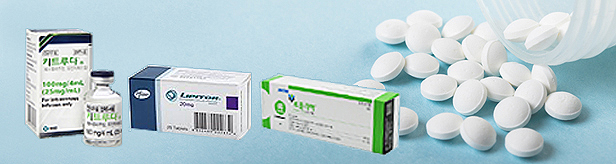
- Immuno-oncology drug Keytruda continued its high-altitude march in the domestic pharmaceutical market. Last year, Health Insurance 2 sales more than doubled as the number of recipients of the leading water-based benefits expanded for 13 consecutive quarters since the first quarter of 2020. Keytruda further strengthened its solo system by more than doubling the gap with second place. According to IQVIA, a drug research agency on the 22nd, Keytruda took the lead with sales of 87.8 billion won in the first quarter. Sales increased by 117.1% in one year from 40.4 billion won in the first quarter of last year. Released in Korea in 2015, Keytruda is an immune checkpoint inhibitor that inhibits the PD-1 protein on the surface of T-cells of immune cells to prevent binding to the PD-L1 receptor and activates immune cells to treat cancer. In Korea, 24 indications were approved for 16 cancer types, including melanoma, lung cancer, and head and neck cancer. Currently, the cancers for which Keytruda can be used are ▲lung cancer ▲head and neck cancer ▲Hodgkin's lymphoma ▲urothelial cancer (bladder cancer) ▲esophageal cancer ▲melanoma ▲renal cell cancer (kidney cancer) ▲endometrial cancer ▲stomach cancer ▲small intestine cancer ▲ovarian cancer ▲ Pancreatic cancer, biliary tract cancer, colorectal cancer (colorectal cancer), triple-negative breast cancer, and cervical cancer reached 16 cases. It can be used in the largest number of cancer types among immuno-anticancer drugs approved in Korea. Keytruda showed high growth last year thanks to the favorable news of salary expansion. In March of last year, the scope of health insurance coverage for Keytruda was expanded as the first treatment for non-small cell lung cancer. As Keytruda's first-line treatment benefit application effect began in earnest, the growth rate accelerated. Sales increased by 33.4% from 40.4 billion won in the first quarter of last year to 53.9 billion won in the second quarter. In the third and fourth quarters of last year, sales were 67.2 billion won and 78 billion won, respectively, raising more than 10 billion won in sales each quarter. Considering Keytruda's drug price cut, the increase in prescriptions is analyzed to be even greater. In March of last year, Keytruda's insurance cap was lowered by 25.6% as the benefits range expanded. In the aftermath of drug price cuts, sales in the first quarter of last year decreased by 26.0% compared to the previous quarter. However, despite the drug price cut, and the upward trends, Keytrua increased since the second quarter of last year. It is calculated that the amount used has more than doubled in one year since the first treatment benefit was applied. It has maintained its lead position for 13 consecutive quarters since taking first place overall in the first quarter of 2020. The gap with 2nd place Lipitor widened more than twice, establishing a solid solo system. New drug products recently introduced by multinational pharmaceutical companies continued to be strong at the top of pharmaceutical sales. Amgen's Prolia recorded sales of 35.5 billion won in the first quarter, up 41.6% from the same period last year, ranking third overall. Released in Korea in November 2016, Prolia is a biopharmaceutical osteoporosis treatment that targets RANKL, an essential protein for the formation, activation, and survival of osteoclasts that destroy the bone. Since 2017, Prolia began to enjoy an upward trend in sales after benefits were applied only to secondary treatment. From April 2019, sales of Prolia soared even more as insurance benefits were recognized for primary treatment. Prolia surpassed 100 billion won in annual sales last year, six years after entering the country. Prolia is jointly sold by Chong Kun Dang. Ono Pharmaceutical's immuno-oncology drug Opdivo recorded sales of KRW 33.9 billion in the first quarter, up 35.4% from the previous year. Opdivo, which was licensed in 2015, stayed in the 10 billion won range until the second quarter of 2021. It exceeded 20 billion won in the third quarter of 2021 and exceeded 30 billion won in the fourth quarter of last year. Opdivo recorded a high growth rate of 64.7% in two years from 66.7 billion won in 2020, and stepped on the 100 billion won mark in annual sales for the first time last year. Sanofi's atopic dermatitis treatment Dupixent recorded sales of 30.9 billion won in the first quarter, up 29.4% from the previous year. Dupixent is the first targeted biological agent developed for the treatment of moderate to severe atopic dermatitis where topical treatments are not recommended or symptoms are not adequately controlled. .Dupixent, which received domestic approval in March 2018, received coverage for severe atopic dermatitis from January 2020, and sales expanded rapidly.
