
- LOGIN
- MemberShip
- 2026-05-07 04:28:37
- Company
- Why HK Inno.N’s sales and operating profit fell
- by Kim, Jin-Gu Aug 02, 2023 05:25am
- HK Inno.N's sales and operating profit declined significantly in Q2 this year. This can be attributed to the sharp decline in MSD vaccine sales amid brisk earnings of its flagship product, K-Cab (tegoprazan),. HK InnoN explained that shipments of Gardasil, its cervical cancer vaccine, were concentrated in the second quarter of last year before the company’s price hike, and the resulting base effect occurred in Q2 this year. According to the Financial Supervisory Service on the 1st, HK Inno.N's sales in Q2 were KRW 204.4 billion, down 18.9% YoY from the KRW 251.9 billion it posted in the second quarter of last year. During the same period, the company’s operating profit decreased by 13.2% from KRW 17.7 billion to KRW 15.3 billion. The company’s ETC sales fell 21.1% from the previous year to record KRW 179.9 billion, down 21.1% from the previous year. The largest decline occured in the sales of its MSD vaccines. HK Inno.N's MSD vaccine sales in Q2 were KRW 36.3 billion, down to less than half (55.3%) of the KRW 82.2 billion it had raised in Q2 last year. HK Inno.N explained, "This is a base effect arising due to the concentration of shipments of Gardasil, a cervical cancer vaccine, in Q2 last year before the company’s drug price hike was expected. However, sales of its flagship product, K-cab continued to grow in Q2. K-Cab’s prescription sales had risen 19.9% YoY to reach KCRW 38.4 billion in Q2. K-Cab began to generate sales in earnest overseas as well. K-Cab's exports in Q2 were KRW 2.4 billion, a significant increase from the KRW 200 million it had made in the previous quarter. HK Inno.N is currently exporting K-Cab to Mongolia, the Philippines, Mexico and Indonesia. The product was released in May in Mexico and in July in Indonesia. In addition, it has currently obtained product approval in Singapore and Peru and is expected to be released in the approved locations in the second half of this year. The product was released in May last year under the name Taixinjian through Luoxin, a pharmaceutical company specializing in digestive medicine. As the drug was listed on China's National Reimbursement Drug List (NRDL) in March this year, sales are expected to increase furtherin the future. Royalty following the NRDL listing is expected to be recognized in the accounts in earnest from Q3 this year. Its solution business, one of the company's new growth engines, is also rolling smoothly. Its sales in the business in Q2 was KRW 27.4 billion, up 7.5% YoY. HK Inno.N explained that their sales are steadily growing due to increased sales activities initiated following the operation of its new plant.
- Company
- GC Biopharma ends its 2-quarter deficit run
- by Kim, Jin-Gu Aug 02, 2023 05:25am
- GC Biopharma, which had recorded an operating loss for 2 consecutive quarters, succeeded in turning a profit this quarter. GC Biopharma explained that the company has succeeded in doing so by increasing sales of highly profitable products and efficient execution of costs. GC Biopharma also announced plans to accelerate its overseas business with a focus on blood derivatives. GC Biopharma explained that the company plans to release its immunoglobulin 10% for intravenous administration product within the second half of next year and speed up exports of its blood product plant in Indonesia. Ends the 2nd quarter streak of operating losses...’Expansion of high-margin product sales + reduced expenditures’ GC Biopharma publicly announced on the 1st that its operating profit in Q2, based on consolidated financial statements, was KRW 23.7 billion, up 80.9% from the KRW 13.1 billion in the same period last year. Also, sales increased by 2.3% YoY to KRW 432.9 billion. The company had consecutively recorded an operating loss in Q4 last year and Q1 this year. The operating loss was KRW 18 billion in Q4 last year and KRW 13.6 billion in Q1 this year. GC Biopharma However, the company had successfully marked a turnaround and turned to a profit in Q2. GC Biopharma explained, "We secured profitability by increasing sales of profitable products and efficient cost execution." The company saw the largest increase in its sales of vaccines. GC biopharma’s vaccine sales had added up to KRW 27.1 billion in Q1 this year, but this had increased 3.6 times to reach KRW 97.4 billion in Q2. This is a 15.4% increase from the KRW 84.4 billion in Q2 last year. The analysis is that the separate reflection of sales of flu vaccines exported to the southern hemisphere largely affected the results. SG&A expenses decreased from KRW 128.8 billion in Q2 of last year to KRW 117.1 billion in Q2 this year. Among SG&A expenses, ordinary development expenses decreased by 8.4% from KRW 50 billion to KRW 45.8 billion. Change in sales of GC Biopharma Spurs sales of its blood derivative products...Plans to release ‘IVIG 10%’ in the U.S. within the second half of next year The company also plans to accelerate its overseas business for blood derivative products in the future. The company’s US project has been attracting the most attention. GC Biopharma plans to release an immunoglobulin 10% (IVIG-SN 10%) product for intravenous administration in the US in the second half of next year. GC Biopharma submitted a BLA to the US Food and Drug Administration (FDA) on the 14th of last month. FDA’s review results will be confirmed on January 13 next year (local time). Spurs sales of its blood derivative products...Plans to release ‘IVIG 10%’ in the U.S. within the second half of next year The company also plans to accelerate its overseas business for blood derivative products in the future. Among those, the company’s plans in the US have been attracting the most attention. GC Biopharma plans to release an immunoglobulin 10% (IVIG-SN 10%) product for intravenous administration in the US in the second half of next year. GC Biopharma submitted a BLA to the US Food and Drug Administration (FDA) on the 14th of last month. FDA’s review results will be confirmed on January 13 next year (local time). In the mid-to-long term, the company set the goal of occupying 3% of the IVIG market share in the US. According to GC Biopharma, the US IVIG market will rise to amount to USD 13.1 billion by 2023 (approximately KRW 16.87 trillion). As only 7 companies are selling 10% IVIG products in the US, the company’s understanding is that there remains a continuous imbalance between supply and demand in the field. GC Biopharma The company also plans to speed up its blood product plant business in Indonesia. GC Biopharma was selected as a preferred contractor for blood product plant construction by the Indonesian government in January this year. The company has also signed business agreements with the Indonesian Red Cross and local pharmaceutical companies. GC Biopharma expects to be able to execute the main contract within this year. In Brazil, the company signed a long-term supply agreement for its IVIG 5% product. Under the agreement it had signed with the Brazilian pharmaceutical company, Blau, GC Biopharma will supply products worth USD 90 million by 2025. It will additionally supply products until 2028, and the specific supply scale for this will be determined after 2025. GC Biopharma predicted that profitability would further improve as the price of IVIG products in Brazil is around twice as high as that in Korea. The company also decided to continue operating its mRNA project. GC Biopharma plans to complete the mRNA pilot production facility at its Hwasun plant within the year. For this, the company invested KRW 15 billion in its Hwasun plant in March this year. GC Biopharma plans to complete the construction of an mRNA pilot production facility this year and begin test operations. GC Biopharma Also, the company decided to develop a mRNA-based treatmnet to treat succinic semialdehyde dehydrogenase deficiency (SSADHD), a rare intractable disease. The company, which first has been devloping the treatment as a protein drug, has changed tracks and decided to develop an mRNA drug. GC Biopharma plans to make the final decision on a candidate substance in the first half of next year. Since there is currently no product on the market released to treat this disease, GC Biopharma predicts that it will become a first-in-class product if clinical trials are successful.
- Company
- Inrebic, tx for myelofibrosis, has become available in Big5
- by Eo, Yun-Ho Aug 02, 2023 05:25am
- Inrebic, a new drug for myelofibrosis, has settled down in Big 5. According to related industries, Korea BMS Pharmaceutical's myelofibrosis treatment Inrebic passed the Drug Committee (DC) of the big five medical institutions, including SMC, Seoul National University Hospital, Seoul St. Mary's Hospital, Asan Medical Center, and Severance Hospital. Since being registered as an insurance benefit in June, it has been steadily expanding its prescription area. Inrebic was approved in Korea in April of last year for the treatment of splenomegaly or symptoms related to primary myelofibrosis, myelofibrosis after polycythemia vera, and myelofibrosis after essential thrombocythemia in adult patients previously treated with Jakavi. Inrebic is a JAK-2 inhibitor, which is different from Jakavi, a JAK1/2 inhibitor. Inrebic is the first to obtain approval for an oral once-a-day drug that greatly reduces the burden of spleen volume and symptoms in patients with myelofibrosis who have not had a history of treatment. Myelofibrosis is a rare blood cancer that affects the bone marrow and interferes with the body's normal production of blood cells. Patients suffer from symptoms such as an enlarged spleen, fatigue, itching, weight loss, night sweats, fever, and bone pain, which affect their quality of life. experience symptoms. Until now, Jakavi was the only JAK inhibitor approved for the treatment of myelofibrosis, and there was no alternative for patients who failed treatment. Inrebic is a treatment that appeared in the myelofibrosis market 10 years after Jakavi, where there was no second-line treatment option. Meanwhile, Inrebic's reimbursement standard can be covered by insurance if it treats splenomegaly or symptoms related to primary myelofibrosis, polycythemia vera, or essential thrombocythemia in adult patients who have been previously treated with ruxolitinib. Administration can be continued if Clinical Improvement is shown according to the IWG-ELN guidelines for response evaluation criteria.
- Company
- Shaperon files Phase II IND for its AD treatment
- by Lee, Seok-Jun Aug 01, 2023 05:33am
- On the 31st, Sharperon announced that it had submitted an investigational new drug (IND) application to the US Food and Drug Administration to conduct a Phase II trial in the U.S. for its atopic dermatitis treatment, ‘NuGel.’ The company plans to evaluate the pharmacokinetics, safety, tolerance, and efficacy of NuGel through the multinational Phase II trial on patients with mild-to-moderate atopic dermatitis. Participants will be double-blinded and receive a placebo or NuGel for 8 weeks. Through this clinical trial, Shaperon seeks to confirm NuGel’s improvement in eczema area and severity index (EASI score)) compared to placebo in patients with atopic dermatitis. NuGel is a new drug candidate that suppresses the expression of cytokines that exacerbate symptoms of atopic dermatitis by suppressing inflammasomes present in immune and vascular cells. By increasing the number of inflammatory regulatory cells in the body, the drug controls a wide range of inflammatory pathological mechanisms in two ways. Currently, 80% of atopic dermatitis patients are treated with moisturizers and steroids. However, this is not a cure and also accompanies various concerns related to side effects such as steroid resistance and telangiectasia. In this sense, NuGel is evaluated to have shown similar effects to steroids while securing safety. According to the market research institution Mordor Intelligence, North America accounts for 48.5% of the global atopy dermatitis market, with a market size of KRW 6 trillion. According to Grand View Research, the global atopy dermatitis treatment market is expected to reach KRW 37 trillion by 2030.
- Company
- US FDA starts review of GC Biopharma’s Alyglo
- by Kim, Jin-Gu Aug 01, 2023 05:33am
- GC Biopharma announced on July 31st that its drug, 'GC5107B (immunoglobulin 10% for intravenous administration) is being reviewed in earnest by the U.S. Food and Drug Administration. GC5107B is one of GC Biopharma’s blood derivative products that goes by the brand name Alyglo. The company had submitted a Biologics License Application (BLA) to the US FDA last month. With FDA starting the review process in earnest, the company expects the results to come out by January next year. The FDA assigned a target action date of January 13th (local time) next year, under the Prescription Drug User Fee Act (PDUFA). Therefore, the decision on 'GC5107B' will be made by then. GC Biopharma received a pre-license inspection for a blood product production facility in Ochang, Chungbuk Province in April of this year, which had been delayed due to the prolonged COVID-19 crisis. Then, the company resubmitted the BLA on the 14th of last month. The company announced that it plans to launch its product in the US market under the brand name Alyglo if it receives final approval from the FDA in January next year. According to GC Biopharma, the U.S. immunoglobulin market was worth USD 10.4 billion (about KRW 13 trillion) as of last year. In particular, blood derivatives, which require large-scale facility investment and advanced manufacturing experience, are known to have frequent supply disruptions due to the limited number of manufacturers.
- Company
- Pediatric neurofibroma new drug Koselugo will be reimbursed
- by Eo, Yun-Ho Aug 01, 2023 05:33am
- Attention is focusing on whether progress will be made in discussing the insurance coverage of Koselugo, a new drug for pediatric neurofibroma. According to the industry, AstraZeneca's neurofibromatosis new drug Koselugo will be submitted to the HIRA Pharmaceutical Reimbursement Evaluation Committee. As it recently submitted additional supplemental data and RSA, it remains to be seen whether an agreement can be reached with the government. Koselugo quickly supplemented the data and resumed discussions on registration in May after receiving a non-reimbursement decision from the committee in March of last year, but there was no significant progress in the discussion. Neurofibroma has relied on symptomatic treatment without suitable treatment. Neurofibromatosis is a rare disease in which tumors occur in nerve tissue, bone, and skin, and about 85% of them are type 1 in which the NF1 gene of the long arm of chromosome 17 is mutated. The prevalence of type 1 is 1 in 3000. The disease begins in childhood with the appearance of Café-Au-Lait Spots measuring 1 to 3 cm. Afterward, he suffers from symptoms such as optic glioma (brain tumor) around the age of 6 and scoliosis between the ages of 6 and 10. In adults, Leish nodules, which are hamartomas on the iris, are mostly found. Possible areas can be removed surgically or treated with chemotherapy or radiation. However, even after surgery, most cases recur, and most of them are major surgeries, which puts a heavy burden on both the medical staff and patients. In particular, recurrence is frequent in pediatric patients, so even after several surgeries, painkillers must be taken, and many suffer from language and movement disorders. Koselugo is a treatment jointly developed by AstraZeneca and MSD. It inhibits the growth of cell lines by blocking MEK activity. In the SPRINT phase 2 clinical trial, which served as the basis for approval, Koselugo achieved ORR, the primary evaluation index, by reducing tumor size by 20% or more in 68% of patients treated. In addition, 82% of patients who showed a partial response lasted more than 12 months. Half of the patients who did not receive treatment experienced disease progression after 1.5 years, but only 15% of patients who took Koselugo had disease progression by 3 years.
- Company
- Will Hanmi be able to develop its own Saxenda for Koreans?
- by Kim, Jin-Gu Aug 01, 2023 05:33am
- Hanmi Pharm has decided to change the development direction for its GLP-1 class drug ‘efpeglenatide.’ Instead of developing it as a diabetes treatment as before, the company plans to develop the drug as an obesity treatment. The industry’s attention was focused on the Global Phase III trial that Sanofi and Hanmi Pharm had conducted with efpeglenatide as a diabetes treatment. The results of the trial, 'AMPLITUDE-M,’ had indirectly confirmed the weight loss effect of efpeglenatide. In the trial, the weight of patients in the U.S. and Europe with diabetes who received 4mg efpeglenatide fell by 3.34kg on average. However, it would be difficult to rashly assume the results as the race or body mass index (BMI) of the participants may differ greatly if a new clinical trial is conducted in Korea for the drug as an obesity treatment. ’Just like Saxenda’... Hanmi Pharm changes development direction from antidiabetic→obesity drug Hanmi Pharm announced on the 31st of last month that it will develop efpeglenatide as an obesity treatment. On the 28th of last month, the company submitted an Investigational New Drug (IND) application to the Ministry of Food and Drug Safety for efpeglenatide to conduct a Phase III clinical trial with efpeglenatide as an obesity treatment. The company plans to change the development direction from diabetes treatment to obesity treatment. It is not completely giving up on the development of diabetes treatment, but a company official explained that the company plans to focus its capabilities on developing it as an obesity treatment in the near future. Efpeglenatide is classified as a GLP-1 analogue. GLP-1 analogues have a similar structure to human GLP-1 hormones. This hormone is secreted in response to meal ingestion and enhances insulin secretion by acting on the pancreatic beta-cells and reducing glucagon secretion to bring a glucose-lowering effect. It also acts on the brain to reduce appetite and delay the passage of food to enhance satiety. This is why the drug can work as a diabetes treatment while showing a weight loss effect. Global pharmaceutical companies have long been investigating this unique mechanism of action. Novo Nordisk opened the door to this field with the release of ‘Saxenda.’ Novo Nordisk transformed its diabetes drug, the GLP-1 analogue Victoza, into the obesity treatment Saxenda by changing its dose. Pic of Novo Nordisk After Saxenda became a global sensation, companies have continued to develop follow-up drugs. Novo Nordisk has released ‘Wegovy,’ a long-acting GLP-1 analog, as its next-generation obesity treatment. Eli Lilly, which owns 'Trulicity' as a GLP-1 analog type diabetes treatment, has developed another next-generation drug, GLP-1/GIP dual agonist ‘Mounjaro.’ Both Wegovy and Mounjaro were received with great attention, to the extent that large shortages of both have occurred in the US since their release. In the case of Mounjaro, the US Food and Drug Administration approved the drug as a diabetes treatment, but the drug is being prescribed to obesity patients off-label. Hanmi Pharm is also on a similar track. Rather than launching efpeglenatide as a latecomer to the diabetes treatment market, which is already saturated with various classes of drugs in the market, the company is known to be seeking to jump into the budding obesity treatment market. Global Phase III trial on efpeglenatide as a diabetes drug showed ‘3.34kg weight reduction' The industry has been paying attention to the results of the global Phase III trial that Hanmi Pharm has conducted with efpeglenatide as a diabetes treatment to indirectly check on the weight loss effect of efpeglenatide. The company had signed a license-out agreement with Sanofi in 2015. At the time, Sanofi led 5 global Phase III trials were conducted on efpeglenatide. However, Sanofi returned all the rights to Hanmi in June 2020. Since then, the company received all clinical data from the 5 trials and has been seeking new commercialization opportunities. One result to note among the 5 trials is one that compared 3 different doses of efpeglenatide with placebo. The trial set the primary efficacy endpoint of the trial as the change in glycated hemoglobin (HbA1c). At the time, Hanmi Pharm had also evaluated the weight change of the patients at 30 weeks and 56 weeks as one of the secondary endpoints of the trial. The trial was conducted on 406 patients in the U.S. and Europe. The mean BMI of the trial participants was 34.2㎏/㎡. The mean BMI by administered doses were: ▲placebo(102 patients) 34.8㎏/㎡ ▲ efpeglenatide 2㎎ (100 patients) 34.4㎏/㎡ ▲ efpeglenatide 4㎎ (101 patients) 33.8㎏/㎡ ▲ efpeglenatide 6㎎ (103 patients) 33.8㎏/㎡. At 30 weeks of administration, the weight loss effect was greatest in the 4mg group. The 102 people in the placebo group lost an average of 1.35 kg. The group that was administered efpeglenatide 2 mg lost an average of 1.01 kg. The mean weight loss was 3.34kg in the 4mg group and 3.19kg in the 6mg group. At 56 weeks of administration, the placebo group lost an average of 1.26kg. The group that was administered efpeglenatide 2 mg lost an average of 0.95 kg. The mean weight loss was 3.24kg in the 4mg group and 1.82kg in the 6mg group. At both the 30th and the 56th week, the weight loss effect tended to be prominent in the 4mg group. Weight loss effect of efpeglenatide as a diabetes treatment in a global Phase III trial (Data: clinicaltrials.gov) There was no significant difference in the incidence of serious adverse events, including cardiovascular events, between the placebo and control groups. ’Development of an obesity treatment tailored to Koreans’... raises interest in the design of the clinical trial Hanmi Pharm had announced that it would develop efpeglenatide into an ‘obesity treatment customized for Koreans,’ It added that it would develop a drug optimized for the BMI of 25 kg/m2, which is the obesity standard for Koreans. Although the specifics of its clinical design have not been disclosed, it is speculated that the trial will recruit and enroll people with a BMI of 25 kg/m2 or higher. This is expected to be somewhat different from the global diabetes Phase III clinical trial that had been conducted on efpeglenatide. In the case of the global clinical Phase III trial, the average BMI was 34.2 kg/m2. In particular, only 112 (27.6%) of the 406 people who participated in the trial had a BMI of less than 30 kg/m2. Another difference is that the previous global Phase III trial for efpeglenatide as a diabetes treatment was conducted mainly on white, black, and Hispanic subjects. Of the total 406 participants, only 5 (1.2%) were Asians. This means that different results may be derived even though the same drug was used due to different demographics. Therefore, industry officials unanimously say that the design of the domestic Phase III clinical trial will determine the success or failure of Hanmi’s development of efpeglenatide as an obesity drug for Koreans. An industry official said, “Although it is the same drug, the target is different and the composition of the clinical participants will also be very different from the previous clinical trials. In the case of Wegovy, a study had shown that the drug demonstrated weight loss in East Asians. In the case of efpeglenatide, the results may also differ depending on the clinical design.” Hanmi is also clearly aware of this. An official from Hanmi Pharm said, "Global pharmaceutical companies that have developed GLP-1-based obesity treatments are competitively announcing the rate of weight loss, but the reported figures are only beneficial to highly obese patients in the West. We will develop an obesity drug customized for Koreans that takes into consideration the body shape and weight of Koreans.”
- Company
- Equipped with two new drugs this year alone
- by Jul 31, 2023 05:28am
- Janssen challenges with a new mechanism, BMS widening the gap with maintenance therapy Janssen has added a new drug for multiple myeloma in Korea. This is the second permit this year. It is noteworthy whether Janssen will change the multiple myeloma market where BMS dominates with Celgene. On the 26th, the Ministry of Food and Drug Safety approved Janssen’s Tecvayli as a fourth or higher treatment. Tecvayli is indicated for use as monotherapy in adult patients with relapsed or refractory multiple myeloma who have received at least three lines of therapy, including proteasome inhibitors, immunosuppressants, and anti-CD38 monoclonal antibodies. Tecvayli is Korea's first multiple myeloma bispecific antibody. It double-targets the B-cell maturation antigen (BCMA), which is overexpressed on multiple myeloma cells, and the CD3 receptor, which is expressed on the surface of T cells. When this antibody binds to BCMA and CD3, lysis and death of BCMA-expressing myeloma cells are induced by activated T cells. The study that served as the basis for Tecvayli's approval was the MajesTEC-1 study, a phase 1/2 clinical trial. As a result of evaluating efficacy in 165 patients, Tecvayli recorded an ORR of 63% in patients who failed 3 or more treatments. 32.7% of patients presented with sCR. The number of patients with CR and VGPR was also 6.7% and 19.4%, respectively. The average time from the administration of Tecvayli to the first response was 1.2 months. The response lasted 18.4 months. Janssen's aggressive move in multiple myeloma continues. Following the CAR-T treatment Kavicty in March, Tecvayli was installed with two new drugs this year alone. Kavicty is the second CAR-T treatment to appear in Korea. This is the first CAR-T with multiple myeloma as an indication. Unlike existing multiple myeloma treatments, Kavicty inserts genetic information capable of recognizing BCMA into the patient's immune cells and then injects these T cells back into the patient's body. Initially, Kavicty was approved for use as a fifth-line or higher treatment, and the number of patients for which it could be used was very limited. Recently, a new clinical presentation prepared the basis for expanding the scope. These are the results of the phase 3 clinical CARTITUDE-4 study presented at ASCO 2023 held in June. In this clinical trial, standard therapy PVd (Pomalidomide + Bortezomib + Dexamethasone) or DPd (Daratumumab + Pomalidomide + Dexamethasone) was administered to 419 patients with relapsed/Lenalidomide-refractory multiple myeloma who had previously received first- or third-line treatment. Compared to Kavicty. Clinical results showed that Kavicty lowered the risk of disease progression or death by 74% compared to standard therapy. In the primary endpoint, progression-free survival, the Cavikti group recorded 76%. The control group was 49%. The control group's median PFS was recorded at 11.8 months, whereas the Kavicty group had not yet reached the median. As a result of the sub-analysis according to the treatment order, Kavicty proved its potential as a second to fourth-line treatment by improving progression-free survival regardless of the treatment order. Tecvayli, approved this month, is considered a promising global blockbuster. Clarivate, a global academic information service company, predicted earlier this year that Tecvayli will record estimated sales of $1.8 billion (2.2363 trillion won) in 2031. However, as competition in the multiple myeloma treatment market is fierce, the report said that Tecvayli needs to think about ways to increase its utilization if it wants to become a blockbuster new drug. Accordingly, Janssen is seeking a new combination therapy using Tecvayli. It is a method of using it in combination with Talquetamab, a new bispecific antibody drug that has not yet been approved in Korea. Unlike Tecvayli, which simultaneously targets BCMA and CD3, Talquetamab is a novel mechanism that inhibits both GPRC5D protein and CD3 expressed on the surface of specific cancer cells. At the last ASCO, data from phase 1b clinical trials evaluating the combination therapy of the two drugs were also announced. Janssen is trying to transform the multiple myeloma market by adding two new drugs with new mechanisms following the existing drugs, Darzalex and Velcade. Several pharmaceutical companies in Korea are selling multiple myeloma treatments, but BMS is by far the strongest player at this point. BMS has significantly strengthened its multiple myeloma pipeline by acquiring Celgene, which owns Velcade and Pomalyst. The BMS-Celgene acquisition, which took place in 2019, was of an unprecedented scale and was considered the most significant M&A case in the global pharmaceutical industry. At that time, the amount invested by BMS to acquire Celgene amounted to about 83 trillion won. According to IQVIA, a pharmaceutical market research institute, Revlimide has the highest annual sales of 38.6 billion won among domestic multiple myeloma treatments. Amgen's Kyprolis ranked second with 34.5 billion won in sales. Sales of Janssen's Darzalex and Velcade recorded 21.2 billion won and 10.4 billion won, respectively. Darzalex is showing rapid growth but remains in third place. Janssen plans to change the treatment landscape with a new drug with a new mechanism. To this end, efforts are in full swing to raise the treatment order of new drugs to the front stage. The variable is the maintenance regimen of Revlimide. Revlimide, which was the first-line treatment, is widening the gap by moving to maintenance therapy, which is a more advanced treatment. In January of this year, maintenance therapy was also listed on the list of insurance benefits, showing a growing trend. Revlimide sales in the first quarter were 10.4 billion won, up 14% from the previous year.
- Company
- Handok will sell original insulin drug Lantus
- by Lee, Tak-Sun Jul 31, 2023 05:28am
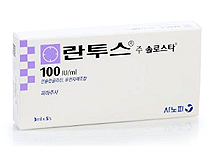
- Handok, which had previously stopped selling the insulin biosimilar ‘Glarzia (insulin glargine)', will be marketing and distributing the original insulin 'Lantus' from the 1st of next month. Whether the company will be able to expand its presence in the diabetes treatment market with the original product based on the know-how in insulin sales it had accumulated selling Glarzia is gaining attention. According to industry sources on the 28th, Handok will be in charge of the marketing and sales of Lantus Injection Solostar and Lantus Injection Vial that is being imported and marketed by Sanofi-Aventis Korea from August 1st. Lantus is a long-acting insulin injected once a day. As the current leading product in Korea, the product posted sales of KRW 20.2 billion last year (IQVIA). However, the drug has come down from its unrivaled position after the introduction of its biosimilars in 2016. Currently, the Lantus biosimilars Lilly's ‘Basaglar Kwik Pen’ and GC Biopharma’s ‘Glarzia Prefilled Pen' are available in Korea. Among the two biosimilars, Glarzia, which was developed by Indian drugmaker Biocon, has been sold by Handok in Korea in co-partnership with GC Biopharma since its release in 2018. The company’s agreement with GC Biopharma ended in June, leaving a gap in its sales of insulin products. Since then, Dongkook Pharmaceutical has been in charge of sales and distribution of Glarzia. However, the company closed its sales gap in only 2 months. Handok will start selling the original Lantus from August 1st and is expected to further increase the company's presence in the insulin market. Handok has a strong presence in the diabetes market selling diabetes treatments and consumables such as Amaryl and Tenelia. The industry expects the addition of the original Lantus to the lineup to further strengthen the company’s position in the field. Even though Lantus biosimilars were introduced to the market, their sales are not high yet. Based on the IQVIA report, Glarzia sold KRW 1.1 billion, Basaglar KRW 0.4 billion last year.
- Company
- Reimb of Bayer’s new heart failure drug Verquvo imminent
- by Eo, Yun-Ho Jul 31, 2023 05:28am
- The new heart failure drug ‘Verquvo’ is expected to be reimbursed in Korea soon. According to industry sources, Bayer Korea’s soluble Guanylate Cyclase (sGC) stimulator ‘Verquvo (Vericiguat)’ has essentially completed drug pricing negotiations with the National Health Insurance Service. Therefore, the drug is expected to be listed for reimbursement in Korea soon. Verquvo was approved in December 2021 as a combination therapy used to reduce the risk of cardiovascular death and heart failure hospitalization following a hospitalization for heart failure or need for outpatient intravenous (IV) diuretics in adults with symptomatic chronic heart failure and ejection fraction less than 45%. The efficacy of the drug was demonstrated through the Phase III VICTORIA trial. The trial was conducted on a total of 5,050 adult patients with symptomatic chronic heart failure (New York Heart Association [NYHA] class II-IV) and left ventricular ejection fraction (LVEF) less than 45%, following a worsening heart failure event were enrolled in the trial. A worsening heart failure event was defined as heart failure hospitalization or the use of outpatient IV diuretics for heart failure prior to randomization. 59.7% of the participants had been receiving 3-drug combination therapy, and 41% were severe patients - NYHA Class III or NYHA Class IV. In the trial, patients received up to the target maintenance dose of Verquovo 10 mg or a matching placebo combination with another heart failure therapy. Results showed that at a median of 10.8 months of follow-up, the risk of death from cardiovascular disease or first hospitalization due to heart failure was about 10% lower than that of the placebo group, and the trial met its primary efficacy endpoint with an annual absolute risk reduction of 4.2%. The annual absolute risk reduction of hospitalization from heart failure was 3.2%, and compared with placebo, it delivered a 10% relative risk reduction in composite cardiovascular-related death and heart failure hospitalization. Previous heart failure treatments worked by blocking harmful effects caused by natural neurohormones that were activated by myocardial and vascular dysfunction. Unlike these existing options, Verquovo is a sGC stimulator that catalyzes the synthesis of intracellular cyclic guanosine monophosphate (cGMP) that modulates heart contraction, vascular tension, cardiac remodeling, etc. The drug is a first-in-class drug, the first sGC stimulator in the world that was approved as a treatment for chronic heart failure.
