
- LOGIN
- MemberShip
- 2026-05-07 04:28:39
- Company
- New drug Shingrix leads shingles vaccine mkt
- by Chon, Seung-Hyun Aug 28, 2023 05:21am
- GlaxoSmithKline's shingles vaccine 'Shingrix' took the lead in Korea’s market just 7 months after its release. With its powerful shingles prevention effect, its sales surpassed that of its competitors. SkYZoster, a homegrown vaccine, had taken the lead in the market for the first time at the end of last year but was overtaken by Shingrix in just 2 quarters. According to the market research institution IQVIA on the 26th, the market for preventive vaccines for shingles was KRW 45.4 billion in 1H last year, which was a 123.3% increase from the KRW 20.4 billion in 1H last year. The shingles vaccine market grew 147.0% YoY to record KRW 21.9 billion in Q1 this year, then again rose 124.1% to KRW 23.5 billion. The shingles vaccine market, which had only been KRW 10.5 billion in Q4 last year, saw a more than twofold increase in a single quarter. This abrupt market expansion is related to the introduction of the new vaccine Shingrix. Shingrix, which started being vaccinated in December last year, showed off its presence by occupying 28.9% of the market with sales of 6 billion won in Q1 this year. In Q2, the drug quickly rose to lead the shingles vaccine market with sales of KRW 11.1 billion. Shingrix's share of the shingles vaccine market in Q2 reached 47.4%. In other words, within 7 months of its launch, the vaccine has occupied about half of the entire market. The greatest benefit of Shignrix is its strong shingles prevention effect. In a Phase III clinical trial (ZOE-50) that was conducted on adults aged over 50 years of age, Shingrix showed a 97.2% efficacy compared to the non-vaccinated group at 3.2 years of follow-up, and in another Phase III clinical trial (ZOE-70) conducted on adults aged 70 years and above, Shingrix showed an 89.8% efficacy at 3.7 years of follow up. This is superior to the 5% protection in adults aged over 50 years of age and 41% in adults aged 70 years and above demonstrated with the use of Zostavax. The prevention rate of SKYZoster is also known to be similar to Zostavax. Also, Shingrix’s safety profile was confirmed through 5 clinical trials that were conducted on immunocompromised patients aged 18 years and older. Based on such evidence, patients who received autologous hematopoietic stem cell transplantation or those with solid cancer, blood cancer, or solid organ transplant patients who have an increased risk of shingles are also eligible to receive vaccination with Shingrix. At the time of its release, Shingrix's significantly higher price than existing vaccines was pointed to as an obstacle to the vaccine’s early settlement into the market. vaccines. The price of Shingrix, which is administered two times in total, is set at around KRW 500,000 to 600,000. This is more than twice as high as the existing vaccine, which costs KRW 150,000 to 200,000. However, Shingrix rapidly increased its market share in the market thanks to its superior efficacy despite the high price. Also, the sales support from 2 domestic pharmaceutical companies contributed to Shingrix’s rapid market penetration. GSK started domestic sales of Shingrix in partnership with two companies, GC Biopharma and Kwangdong Pharmaceutical. Although other existing shingles vaccines like SKYZoster and Zostavax also saw a sales increase from last year, their market share declined due to Shingrix. SK Bioscience’s SKYZoster’s sales had risen 83.2% YoY to record KRW 16.7 billion in 1H this year. SKYZoster led the shingles market in Q1 with sales of KRW 9.5 billion, which is a 151.5% YoY increase. SKYZoster’s sales continued to rise in Q2 to record KRW 6.5 billion, a 31.1% YoY increase, it lost its lead to Shingrix at the time. Sky Zoster is a live attenuated vaccine for the prevention of shingles that was developed by SK Bioscience with its proprietary technology. The vaccine has proven its non-inferiority compared to its competitor (Zostavax) in adults aged 50 or older in 8 domestic clinical institutions. In October 2017, SK Bioscience obtained approval for SKYZoster from the Ministry of Food and Drug Safety for 'preventing shingles in adults over the age of 50'. Before its approval, MSD's Zostavax was the only vaccine on the market. SKYZoster’s sales surpassed Zostavax for the first time since its release in Q4 year and took the lead. It maintained the lead for two consecutive quarters until Q1 this year. However, due to Shingrix's rapid rise, the vaccine lost its lead after 2 quarters. Zostavax’s sales in 1H this year was KRW 11.9 billion, up 2.6% YoY. Zostavax’s sales in Q1 this year rose by 18.9% YoY to reach KRW 6 billion but then fell 10.1% to KRW 5.8 billion in Q2. Zostavax lost its lead to SKYZoster in Q4 last year and then fell to third place with the introduction of Shingrix. Zostavax only occupied 24.8% of the market in Q2.
- Company
- Hanmi Pharm starts P1T on its next-gen immuno-oncology drug
- by Chon, Seung-Hyun Aug 25, 2023 06:06am
- On the 22nd, Hanmi Pharm announced that it has recently received approval to initiate a domestic Phase I trial for its next-generation immuno-oncology drug ‘‘BH3120(PD-L1/4-1BB BsAb)’ from the Ministry of Food and Drug Safety. In May, the company had previously received approval from the US FDA for the same drug candidate after submitting an Investigational New Drug Application. BH3120, which is be codeveloped by Hanmi Pharm and Beijing Hanmi Pharm, is a new drug candidate that applies the company’s, bispecific antibody platform technology ‘Pentambody’ that allows for one antibody to bind to two targets at once. The drug offers the benefit of providing both immunotherapy (that activates immune cells) and targeted therapy (that specifically targets cancer cells). BH3120 is an immunoglobulin G (IgG) like dual antibody designed that has biased binding affinities against PD-L1 and 4-1BB. The different binding affinities that were designed based on various studies are expected to induce better efficacy and safety. BH3120 has a dual antibody mechanism of action that targets both 4-1BB and the PD-L1 expressed on the surface of cancer cells that specifically elicit antitumor activities in the tumor microenvironment (TME), and has shown a potent antitumor effect by activating immune cells within cancerous tissues. In addition to BH3120’s benefits as monotherapy, Hanmi Pharm also confirmed the drug’s strong synergistic effect as combined therapy, as its use in combination with a PD-L1 inhibitor resulted in the disappearance of cancerous tissue. No toxicity or immune system-related side effects were observed with BH3120 in the safety study that was conducted on primates and was confirmed to have a superior safety profile compared to same-class competitors that are currently being developed. The company presented its study results at the American Association for Cancer Research (AACR) Annual meeting that was held in April this year. The results showed that a clear decoupling of immune activity between cancer and normal tissues was observed, signifying the possibility of the development of a new immuno-oncology drug that minimizes the side effects of existing immuno-oncology drugs Based on the preclinical study results, the company plans to start a global Phase I trial on BH3120 in the US and Korea within this year. An official from Hanmi Pharm said, “BH3120 is the first project that uses the next-generation bispecific antibody platform technology ‘Pentambody’ for a global clinical trial. We believe ‘Pentambody’ will follow Hanmi’s proprietary ‘Lapscovery’ technology and continue to create future value for the company.
- Company
- Company Roche and Drug Keytruda will lead industry in 5 yrs
- by Kim, Jin-Gu Aug 25, 2023 06:06am
- A projection has been made that Roche will become the top global-grossing pharmaceutical company 5 years from now in 2028. Evaluate, the global pharmaceutical market analysis institution that released such projections, also predicted that Keytruda would take over Humira’s throne and become the No. 1 grossing drug among pharmaceuticals. On the 24th, KoreaBIO cited Evaluate’s data and predicted the top-grossing pharmaceutical companies and drugs for 2023. According to KoreaBIo’s projections, biopharmaceutical companies that have been producing results will be in the top ranks this year. The top-grossing company 5 years from now will be Roche, supported by the sales of its immuno-oncology drug ‘Tecentriq,’ multiple sclerosis treatment ‘Ocrevus’ and macular degeneration treatment disease drug ‘Vabysmo.’ No.2 and No.3 projections were the U.S. companies Merck and AbbVie, respectively. However, the difference in revenue between the top 3 companies is expected to be small. No. 4 was expected to be Johnson & Johnson. Top 10 Grossing ETC Pharmaceutical Companies in 2028 Pfizer, which ranked No.1 with unrivaled sales last year was thought to fall to 5th place. In addition, Novartis, AstraZeneca, Sanofi, Novo Nordisk, and Eli Lilly were expected to make the top 10 sales list. Compared to the current status, Novo Nordisk and Eli Lilly are new to the top 10 list in 2028, taking the place of BMS and GSK. The expectation was that sales of diabetes and obesity drugs that the companies had recently released would surge, leading to a rise in the rankings. The immuno-oncology drug Keytruda is expected to take over the top spot in terms of global sales. In particular, it is predicted that Keytruda will rise to No. 1 this year, surpassing Humira, which had held the lead until now. In addition to Keytruda, immuno-oncology drugs such as BMS's Opdivo, Roche’s Tecentriq, and AstraZeneca's Imfinzi are also expected to make the Top 10. If the current upward trend continues, the total sales of immuno-oncology drugs are expected to surge from $40 billion in 2022 to $71 billion in 2028. In addition, Sanofi’s atopic dermatitis treatment ‘Dupixent,’ Eli Lilly’s antidiabetic treatment ‘Mounjaro,’ Johnson & Johnson’s multiple myeloma treatment ‘Darzalex,’ AbbVie’s autoimmune disorder treatment ‘Skyrizi,’ Gilead Science’s HIV treatment ‘Biktarvy,’ Merck’s cervical cancer vaccine ‘Gardasil,’ and Vertex Pharmaceutical’s ‘Trikafta’ are also expected to make the Top 10 in 2028. Top 10 Selling Drug Projections in 2028
- Company
- Will the new NMOSD drug Enspryng be reimbursed in KOR?
- by Eo, Yun-Ho Aug 24, 2023 05:46am
- Whether the new drug for neuromyelitis optica spectrum disorder (NMOSD) can be reimbursed in Kore is gaining attention. Dailypharm found that Roche Korea is carrying out pricing negotiations with the National Health Insurance Service for the reimbursement of its NMOSD treatment Ensprying (satralizumab). The drug passed the Health Insurance Review and Assessment Service’s Drug Reimbursement Evaluation Committee review on the 3rd of this month. The issue is whether the ‘fourth or later lines of therapy’ that were set as the standard for reimbursement listing will be accepted during pricing negotiations. Enspryng first aimed to receive reimbursement by accepting the weighted average price (WAP) of its alternative ‘Soliris (eculizumab),’ but the company redirected its strategy and sought the PE exemption track when the listing process was delayed for Soliris in NMOSD. However, the government limited Enspryng’s reimbursement to fourth or later lines of therapy, restricting the scope of prescriptions. Currently, the immunosuppressant azathioprine is used as first-line maintenance therapy for NMOSD. If a patient fails treatment with azathioprine, mycophenolate, or rituximab is prescribed with reimbursement as second-line therapy. Both mycophenolate and rituximab are off-label drugs that do not have NMOSD indications. In other words, Enspryng can only be used as a third or later-line therapy in patients who fail treatment with rituximab. Of course, no discussion is made regarding the reimbursement standard in the drug price negotiation stage, but it remains to be seen whether Enspryng will be listed on the reimbursement list based on the currently discussed reimbursement standard. Meanwhile, Enspryng’s efficacy was demonstrated through SAkuraStar and SAkuraSky clinical trials that were conducted on adult patients with anti-aquaporin(AQP4) antibody-positive NMOSD. In the SAkuraStar monotherapy study’s AQP4 antibody-positive subgroup, 76.5% of ENSPRYNG-treated patients were relapse-free at 96 weeks, compared to 41.1% with placebo. In the SAkuraSky study, which evaluated Enspryng when used concurrently with standard immunotherapy, 91.1% of Enspryng-treated AQP4 antibody-positive subgroup patients were relapse-free at 96 weeks, compared to 56.8% with placebo.
- Company
- The report distorted the side effects of JW Pharma Hemlibra
- by Kim, Jin-Gu Aug 23, 2023 05:46am
- Rather, JW Pharma's official position is that the total number of adverse events, including thromboembolism, is more than three times greater in factor VIII. JW Pharma issued a statement on the 22nd and refuted the press release distributed by GC Pharma the previous day (21st). GC Pharma participated in the Bleeding Disorders Conference and distributed a press release stating that "Hemlibra's thrombosis adverse event reporting rate was 2.8 times higher than factor VIII" based on the analysis results of adverse events reported in the FDA Adverse Event Reporting System. Factor VIII is a hemophilia treatment sold in Korea by GC Pharma and Hemlibra by JW Pharmaceutical. JW Pharmaceutical explained in the press release that the FDA drug adverse event reporting system, which is the source of data, is based on voluntary reports, and that all adverse events of all drugs are not collected, and duplication and omission may occur. In order to accurately identify adverse reactions between products, it is necessary to measure the number of adverse events compared to the total number of patients administered for each product, which means that GC Pharma's press release is based only on voluntary reports without any such content. Accordingly, JW Pharma emphasized that GC Pharma's claim of 'thrombotic adverse events 2.8 times' is a leap forward and may cause confusion to patients. In particular, JW Pharma countered that factor VIII was significantly higher than Hemlibra in terms of the total number of adverse events. According to JW Pharma, the current market share of Hemlibra and factor VIII is similar at 51% to 49%, and the total number of adverse events of factor VIII is 9324, which is more than three times higher than the 2,383 cases of Hemlibra. In addition, in the case of 'serious adverse events (SAEs)' in the same data as GC Pharma, Hemlibra accounted for 1545 cases (64.8%) out of 2383 cases, whereas factor VIII accounted for 7675 cases (82.3%) out of 9324 cases, indicating that factor VIII was abnormal. It was emphasized that the number of reactions and the rate were higher. JW Pharma explained, "Hemophilia treatment has a reason for its existence to protect patients' lives and improve their quality of life." JW Pharma said, "We are very sorry for this act of causing unnecessary confusion to patients by directly mentioning and officially disparaging a competitor's drug without considering the differences in the time of release, mechanism of action, and reporting standards of each product." said.
- Company
- FST measure remains the issue for Luxturna's reimb
- by Eo, Yun-Ho Aug 23, 2023 05:46am
- Whether the differences in opinion over the ‘performance-based standard’ that has risen as an issue during reimbursement discussions for the one-shot retinal dystrophy treatment ‘Luxturna’ will be reconciled is gaining attention. Dailypharm found that the full-field sensitivity threshold (FST) has been set as the standard for evaluating the efficacy of Luxturna (voretigene neparvovec). This means that the FST result will become the standard that determines the reimbursement of Luxturna under the Risk Sharing Agreement (RSA) scheme. However, it seems that a difference of opinion exists between the government and Novartis Korea over on what FST value should be accepted as an improvement and be eligible reimbursement. So, what should the appropriate FST value be? Currently, Luxturna is reimbursed in all A8 reference countries, and among countries that conduct HTAs, a total of 4 countries are restricting its administration subjects: Switzerland, Italy, Canada, and the United States. These 4 countries have put some restrictions on age, visual acuity, visual field, and the existence of sufficient viable retinal cells rather than limiting the administration subjects as a whole. Publicly available documents showed that in Australia, Luxturna was approved under the performance-based FSA, and the government considered an improvement of 0.3 log10[cd.s/m2] or higher in FST during one efficacy assessment 60 days after administering Luxturna as appropriate for reimbursement. Some insurance companies in Australia and the US that conduct performance-based efficacy evaluations as a condition for reimbursement, also evaluate improvement with the 0.3 log10[cd.s/m2] threshold. This means that one patient experienced a twofold improvement in the sensitivity to light after treatment compared to before treatment. In addition, the Consensus Paper on RPE65-IRD that was published in the Korean Journal of Ophthalmology, an English journal published by the Korean Ophthalmological Society, suggested that changes exceeding 0.3 log should be considered clinically significant. Suk Ho Byun, the corresponding author of the Consensus Paper and Professor of Ophthalmology at Severance Hospital, said, “ 0.3 in FST is a meaningful difference beyond the test's margin of error. All tests bring different results no matter how many times they are performed on the same spot, and if the results show a consistent difference that exceeds 0.3 in FST, this can be accepted as an indicator that the patient has detected darker light than in his/her previous test.” He added, “It is difficult to define FST of 1 or higher as the absolute value that separates the success or failure of the treatment. Retinal dystrophy is an area with no treatment options. I have one patient who has been treated for one eye and is waiting for treatment for the other eye, and 3-4 additional patients are also waiting to be treated with the drug.”

- Company
- What to do with the loss of drug price cuts?
- by Chon, Seung-Hyun Aug 22, 2023 05:31am
- Pharmaceutical companies are in deep trouble ahead of the end of generic drug price re-evaluation. As each pharmaceutical company announces drug price cuts for as many as 100 or more products, the atmosphere is concentrating on figuring out the size of the loss. Dissatisfaction with the government's indiscriminate re-evaluation of drug prices is also growing. According to the industry on the 21st, from September 5th, the insurance upper limit of 7,677 generic drugs will be cut by up to 27.75%. The drug price of 7677 items will be reduced by 15% and 256 items will be cut by 27.75%. As the generic drug price re-evaluation, which has been pursued for the past three years, has ended, drug price cuts are imminent. In June 2020, the Ministry of Health and Welfare announced a plan to re-evaluate the upper limit on pharmaceuticals, stating that generics that do not meet the highest price requirement will maintain the previous drug price if they submit data on 'biological equivalence test' and 'registered raw material use' by the end of February this year. The generic drug price re-evaluation is a policy to apply the new drug price system, which came into effect in July 2020, to already-listed generics. In the reformed drug pricing system, generic products can receive the highest price only when they meet both the requirements for direct bioequivalence testing and the use of registered drug substances. Each time one condition is not met, the cap is reduced by 15%. If both requirements are not met, the price is reduced by 27.75%. The submission of generic drug price re-evaluation data was divided into two parts. Among the targets for re-evaluation of generic drug prices, drugs newly included in the equivalence test, such as sterile preparations such as injections, submitted data by the end of July. Initially, a total of 23,630 items were subject to drug price re-evaluation. Among them, about 20,000 products were designated for evaluation, excluding thousands of drugs subject to exclusion from drug price re-evaluation, such as reference drugs, drugs to prevent withdrawal, low-cost drugs, biological drugs, and first-listed products. Among them, as a result of reviewing 16,723 items for which data was submitted by February as they were classified as targets for the first evaluation, 7,677 generic items to be reduced starting next month were decided. This means that one out of two data submission targets has been classified as a drug price reduction target. Pharmaceutical companies are on the verge of losing money due to drug price cuts. As many as 100 or more companies are included in the target of drug price cuts, significant losses are unavoidable. Monthly number of BA test plan approvals (Unit: cases, Data: Ministry of Food and Drug Safety) Pharmaceutical companies calculated the amount of loss that would occur if drug price cuts were applied, and began to come up with countermeasures. It is expected that there will be no fatal loss because drug availability has been carried out through BA testing for flagship generic drugs with large sales in the pharmaceutical industry as a whole. After the announcement of the re-evaluation of generic drug prices, pharmaceutical companies simultaneously jumped into bioequivalence tests on licensed products. It is a strategy to avoid drug price cuts by creating generics through pharmaceutical research, conducting bioequivalence tests, and obtaining equivalent results by obtaining permission for changes. At this time, if the license is changed while consignment manufacturing is converted to in-house manufacturing, it is a strategy to meet the requirement of ‘conducting BA test’. The health authorities expected an effect of reducing health insurance by 297.8 billion won a year with the drug price cut in September. This means a loss of about 40 million won per item per year. From the perspective of the pharmaceutical industry, the annual operating profit of 297.8 billion won is tantamount to evaporation, so performance deterioration due to drug price cuts is inevitable. It is expected that medium-sized and small-sized pharmaceutical companies that have a lot of consignment-type generics will have many products with reduced prices. In other words, the losses experienced by pharmaceutical companies are bound to be even greater. Moreover, pharmaceutical companies are willing to accept price cuts for many of their products by abandoning bioequivalence testing of consigned generics. Pharmaceutical companies have already predicted huge losses as they inevitably accept drug price cuts when it is difficult to change manufacturers of consigned generics to their own. Expenditures have also increased significantly as bioequivalence tests are conducted at a considerable cost to maintain drug prices. The number of BA test plan approvals increased by 24.7% from 259 in 2019 to 323 in 2020. In 2021, it soared to 505 cases. In order to make up for the losses caused by drug price cuts, the sales field is already fiercely competing. An official from a pharmaceutical company said, “The only way to make up for the loss from drug price cuts is to increase sales. We are in a position where we need to encourage the strengthening of our sales force at the company level.” As a result of the generic drug price re-evaluation, products with 27.75% cuts appeared one after another because they did not meet both standard requirements and pharmaceutical companies are clearly in a panic. It has been reported that despite the efforts of pharmaceutical companies to keep up with the price of generic drugs, products that are classified as targets for drug price cuts have appeared one after another. For example, it is known that there have been quite a few products that have been notified of drug price cuts for not submitting a change permit even though they have completed the BA test and completed their conversion. Some products were classified as subject to price cuts because they could not complete the change approval due to a delay even though BA tests were carried out at a cost of hundreds of millions of won. It is known that some products are classified as subject to price reduction due to a lack of documentation even though the requirements for using registered raw materials have been proven. The use of registered raw materials is a requirement that can be easily met, but the fact that hundreds of products do not meet the price is also a variable that pharmaceutical companies did not expect. An official from a pharmaceutical company said, "We have already incurred a huge investment in BA testing of licensed generics, and if the drug price of products that have not undergone BA testing is lowered, a significant loss will become a reality." “In a situation where profitability is deteriorating due to recent raw material price cuts, if drug prices drop by 20%, products that are contemplating withdrawal from the market are expected to appear one after another,” he said.
- Company
- JW Shinyak will resume sales of flu vaccine SKYCellflu
- by Kim, Jin-Gu Aug 22, 2023 05:31am
- On the 21st, JW Shinyak announced that it will resume sales of SK Bioscience’s flu vaccine ‘SKYCellflu Quadrivalent Prefilled Syringe.’ The company signed a joint marketing agreement for ‘SKYCellflu Quadrivalent Prefilled Syringe’ in 2016, and has been responsible for the sales and marketing of the drug at specialized dermatology, urology, and plastic surgery clinics and hospitals. SKYCellflu Quadrivalent Prefilled Syringe is the first cell culture-based influenza vaccine developed by SK Bioscience. It can protect against four types of influenza viruses, including 2 types of influenza A viruses and 2 types of influenza B viruses. SK Bioscience has discontinued production of SKYCellflu Quadrivalent Prefilled Syringe for the past 2 years to ensure smooth supply of its COVID-19 vaccine. The company has only recently resumed production of the SKYCellflu Quadrivalent Prefilled Syringe in preparation for the sharp increase in flu cases that might arise this year due to eased social distancing and indoor mask regulations. Accordingly, JW Shinyak will resume sales of the flu vaccine that it had discontinued in line with the normalized supply of SKYCellflu Quadrivalent Prefilled Syringe and will increase its presence in the flu vaccine market based on its own sales and marketing competitivity. A JW Shinyak official, said, “The number of suspected flu patients per 1,000 outpatients has exceeded 15.0 recently, which is three times the flu epidemic standard (4.9) set by the Korea Disease Control and Prevention Agency. We will make our best efforts to ensure a stable supply of SKYCellflu by October in response to the expected surge of flu cases.”
- Company
- Luxturna, a one-shot gene therapy product
- by Eo, Yun-Ho Aug 22, 2023 05:31am
- Attention is focusing on whether progress will be made in the discussion on insurance benefits for Luxturna, a one-shot retinal disease treatment. As a result of the coverage, Novartis Korea recently submitted additional supplemental data for Inherited Retinal Dystrophy treatment Luxturna requested by the HIRA. The drug submitted an application for reimbursement in September 2021, but there was no progress in the listing process, and it was presented to the Pharmaceutical Reimbursement Evaluation Committee in March but failed to set reimbursement standards. It is known that during the evaluation process of Luxturna, there was a difference of opinion over the terms of the Risk Sharing Agreement (refund rate, etc.). As Novartis submitted supplementary data and both the government and pharmaceutical companies are showing their will to be listed as Luxturna, it remains to be seen whether this re-challenge will be successful. Luxturna restores the function of the defective or defective RPE65 gene, one of the causes of IRD, by replacing it with a normal gene with just one administration. This means that the fundamental treatment of the disease is possible. This drug was designated by the US FDA for Breakthrough Therapy in 2014, Orphan Drug in 2016, and Priority Review in 2017, and obtained expedited approval in 2017. Meanwhile, Luxturna proved its effectiveness through a phase 3 clinical trial targeting patients with hereditary retinal diseases in which a biallelic mutation in the RPE65 gene was confirmed. As a clinical result, the functional vision of patients treated with Luxturna improved statistically significantly compared to the control group who did not receive treatment for 1 year. As a result of evaluating the average score of the Multi-Luminance Mobility Test, which assesses the ability to pass through an obstacle course of various heights in various lighting levels by reproducing a daily walking environment, as the primary evaluation variable at the time of 1 year of treatment, Luxturna treatment group The score change was 1.8 points, which was 1.6 points higher than the control group's score change of 0.2 points.
- Company
- Generic competition over KRW 56 bil Ibrance market heat up
- by Kim, Jin-Gu Aug 21, 2023 05:37am
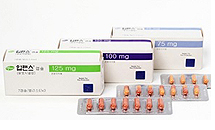
- The competition between 5 companies over their generic versions of Pfizer’s breast cancer treatment ‘Ibrance (palbociclib)’ is heating up. Kwang Dong Pharmacuetical, Shinpoong Pharm, Daewoong Pharmaceutical, and Boryung Pharmaceutical each challenged Pfizer to overcome the crystalline form patent and formulation patent of Ibrance. In terms of acquiring first generic exclusivity, Kwang Dong Pharmacuetical has been leading the race. It is the only company that completed the bioequivalence test for its generic and received marketing authorization. According to industry sources on the 18th, Shinpoong Pharm recently filed a trial to confirm the passive scope of rights of Ibrance’s formulation patent. The company had also previously filed a trial for the invalidation of the same patent. The two trials filed for one patent by Shinpoong Pharm indicates its strong determination to release its Ibrance generic. Ibrance is protected by three patents: the substance patent (10-0669578) that expires in 2027, the crystalline form patent (10-1858913) that expires in 2034, and the formulation patent (10-2068423) that expires in 2036. The strategy of generic companies is to release generics upon the expiry of the substance patent in 2027. Generic companies first challenged the drug’s crystalline form patent. In March last year, after Kwang Dong Pharmacuetical filed a passive trial to confirm the scope of rights of this patent, Shinpoong Pharm, Daewoong Pharmaceutical, Boryung Pharmaceutical, and Samyang Holdings also requested the same trial. The companies had mixed results in the first trial. Shinpoong Pharm and Daewoong Pharmaceutical won the first trial. On the other hand, Kwang Dong Pharmacuetical, Boryung Pharmaceutical, and Samyang Holdings lost their trial. The three companies appealed to the Patent Court of Korea. Kwang Dong Pharmaceutical won the second trial, and a decision has not been made on the appeals filed by Boryung Pharmaceutical and Samyang Holdings. In the case of Boryung Pharmaceutical, the company had also filed a trial to confirm the passive scope of rights apart from the appeal and seized victory in the first trial. In conclusion, out of the 5 companies that are challenging Ibrance's patents, four companies, excluding Samyang Holdings, have succeeded in avoiding Ibrance’s crystalline patent. Daewoong Pharmaceutical, Boryung Pharmaceutical, and Shinpoong Pharm filed challenges against Ibrance’s formulation patent. On the 27th of last month, the companies filed an invalidation trial against Pfizer for Ibrance’s formulation patent. In addition to this, Shinpoong Pharmaceutical also requested a trial to confirm the passive scope of rights for the same patent. In terms of acquiring first generic exclusivity, Kwang Dong Pharmacuetical has been leading the race. It succeeded in sinning the first trial it had filed together with other companies, and completed the bioequivalence test for its generic, becoming the only drug to apply for marketing authorization and receive first generic exclusivity. Ibrance is a treatment for HR+/HER2- advanced/metastatic breast cancer. According to the market research institution IQVIA, Ibrance posted sales of KRW 56.2 billion in Korea last year. In Q1 this year, its sales decreased 13% YoY.
