
- LOGIN
- MemberShip
- 2026-05-06 19:55:21
- Company
- K-CAB and Fexuclue, new P-CAB drugs, expand globally
- by Kim, Jin-Gu Feb 21, 2024 05:45am
- HK inno.N’s K-CAB (Left) and Daewoong Pharmaceutical’s Fexuclue (Right). New P-CAB class drugs, K-CAB (tegoprazan) and Fexuclue (fexuprazan), for treating gastroesophageal reflux disease are competing for global entries. HK inno.N’s K-CAB has entered 35 countries globally through technology exports or finished product exports. Within a year of its launch, Daewoong Pharmaceutical’s Fexuclue has been introduced to 24 countries, including Korea. Both companies are aiming to reach 1 trillion in sales. K-CAB has expanded to 35 countries globally, and the company “Aims to achieve 1 trillion won in global sales” HK inno.N announced on the 20th that K-CAB has recently received product approval from the Agencia Nacional de Medicamentos (ANAMED) in Chile. In Peru, the drug will be marketed under the name ‘Ki-CAB.’ Ki-CAB received approval for four indications: ▲Treatment of erosive gastroesophageal reflux disease, ▲Treatment of non-erosive gastroesophageal reflux disease, ▲Treatment of gastric ulcer, and ▲Antibiotic combination therapy for the eradication of Helicobacter pylori in patients with peptic ulcer or chronic atrophic gastritis. K-CAB has launched or is awaiting launch after receiving product approval in nine countries, including Korea. In Asia, K-CAB is sold in China, Mongolia, the Philippines, Indonesia, and Singapore. In Latin America, it is available in Mexico and Peru. Furthermore, K-CAB will be available in Chile as it has obtained product approval. The company seems particularly focused on expanding into the Latin American market. In 2018, HK inno.N signed a contract for finished product exports with Laboratorios Carnot and 17 Latin American countries. Furthermore, the company launched products in Mexico and Peru in May and October. In December 2022, the company exported K-CAB technology to Brazil, the largest pharmaceutical market in Latin America. HK inno.N said they expect drug approvals in various Latin American countries this year. The company’s strategy is to expedite entering the Latin American pharmaceutical market, valued at 72 trillion won. Besides Latin America, K-CAB has entered 35 countries around the world, including the United States and China, through technology exports or finished product exports. HK inno.N aims to accelerate its global entry and enter 100 countries by 2028. Through this, the company aims to achieve its goal of 1 trillion sales. Dal Won Kwak, CEO of HK inno.N, said, “As we await approval in various Latina American countries this year, K-CAB’s global entry is expected to accelerate.” K-CAB has expanded to 35 countries and Fexuclue has entered 24 countries within a year of its launch. Within a year of its launch, Fexuclue has entered 24 countries, with the “Goal of reaching 100 countries by 2027” Fexuclue is also rapidly expanding its global presence. Just one year after its launch, the drug has already reached 24 countries outside of Korea. Fexuclue was officially launched in the Philippines in August last year, marking its first overseas launch. Furthermore, Fexuclue is also set to launch in Mexico, Ecuador, and Chile, where it has received product approvals. Daewoong has applied for product approvals in 13 countries including China, Saudi Arabia, Morocco, Malaysia, Singapore, Costa Rica, and Panama. Last December, Daewoong agreed on exports with India’s number one pharmaceutical company, Sun Pharma. The countries that agreed on Fexuclue export deals now include India, the United Arab Emirates, Bahrain, Kuwait, Oman, and Qatar, bringing the total to six countries. Daewoong is planning to apply for product approval in 30 counties by next year. Also, the company aims to expand its entry into 100 counties world-wide by 2027. The global sales target is set at 1 trillion won, which is the same as K-CAB’s. “Fexuclue achieved noticeable accomplishments, including entering the world’s fourth antiulcer drug market, India,” Daewoong Pharmaceutical Vice President Park Sung-soo said. “We aim to expedite Fexuclue approval in all countries and launch in Mexico this year. Our objective is to expand to 100 countries by 2027.”
- Company
- Sanofi Korea CEO Kyungeun Bae promoted to head 3 countries
- by Eo, Yun-Ho Feb 21, 2024 05:45am
- Sanofi-Aventis Korea’s Country Manager, Kyungeun Bae(53) is continuing on her prosperous career path. Dailypharm’s coverage found that Bae (Sanofi Korea Country Lead) was recently appointed as the general manager to lead subsidiaries including Korea, New Zealand, and Australia of the Sanofi Group. This is the first time a Korean has been appointed to head a foreign subsidiary of a global pharmaceutical company. In addition, Sanofi is unifying its management system. With the exception of Sanofi Pasteur, which is in charge of the vaccines business and has been operating independently, the other businesses will be integrated, the reorganization for which will be made under Bae's leadership. Bae is also the longest-serving CEO of a multinational company in Korea. Appointed CEO of Genzyme Korea in 2010, Bae has led Sanofi-Aventis Korea and the Sanofi Integrated Management Committee (then Sanofi-Aventis, Sanofi Pasteur, Genzyme, and Merial) for more than a decade, since 2013. Regarded as one of the representative female CEOs of a multinational company, Bae has spent most of her career experience at Novartis, after which she joined Genzyme and led the integration process that led to Genzyme's full acquisition by Sanofi in 2019.
- Company
- Keytruda leads mkt for 4 consecutive years
- by Chon, Seung-Hyun Feb 21, 2024 05:45am
- The immuno-oncology drug Keytruda has taken the lead in the domestic market for the 4th consecutive year. Its quarterly sales exceeded KRW 100 billion for the first time in the domestic market after being expanded reimbursement to the first line. The gap with the runner-up had more than doubled, reinforcing Keytruda’s leadership in the market. According to the market research institution IQVIA on the 21st, MSD’s Keytruda topped the list of drugs sold in Korea last year with sales of KRW 398.7 billion. The drug had continued to show high growth, rising 66.4% from the previous year. This is the fourth consecutive year that Keytruda has kept the lead, having first topped the list in 2020 with sales of KRW 155.7 billion. Released in 2015, Keytruda is an immune checkpoint inhibitor that inhibits PD-1 (programmed death 1) proteins expressed at the surface of activated T cells, thereby inhibiting its binding to PD-L1 and activating the immune system to treat cancer. Currently, Keytruda is indicated to treat▲Lung cancer, ▲head and neck cancer, ▲ Hodgkin lymphoma, ▲urothelial carcinoma (bladder cancer), ▲esophageal cancer, ▲ melanoma, ▲renal cell cancer (kidney cancer), ▲endometrial cancer, ▲stomach cancer, ▲small intestine cancer, ▲ovarian cancer, ▲pancreatic cancer, ▲biliary tract cancer, ▲colorectal cancer ▲triple negative breast cancer, and ▲cervical cancer. It is indicated for the largest number of cancer types among cancer immunotherapies approved in Korea. The drug is currently reimbursed for 7 indications in 4 types of cancer - non-small cell lung cancer, melanoma, urothelial carcinoma, and Hodgkin's lymphoma. Keytruda is also reimbursed for first-line use in melanoma and NSCLC. In the early years of its release, in 2016 and 2017, its sales had only been KRW 100 billion and KRW 12.2 billion. However, its sales started to surge with reimbursement approval. After being reimbursed as a second-line treatment for non-small-cell lung cancer in August 2017, its sales soared over fivefold to KRW 70.3 billion in 2018 and then exceeded KRW 100 billion by 2019. In 2020, the drug outsold the then-lead Lipitor and rose to the lead. Keytruda’s sales grew 28.5% and 19.7% year-on-year in 2021 and 2022, respectively, and the growth rate accelerated further last year with its reimbursement expansion. In March 2022, Keytruda’s reimbursement was extended to cover its use as a first-line treatment for non-small cell lung cancer. Keytruda's sales then increased 33.4% from KRW 40.4 billion in Q1 2022 to KRW 53.9 billion in Q2 2022. In Q3 and Q4, the drug’s sales rose to reach KRW 67.2 billion and KRW 78 billion, respectively Keytruda’s sales exceeded KRW 80 billion and KRW 90 billion in Q1 and Q2 last year, respectively, then exceeded KRW 100 billion in Q3. In Q4 its sales reached KRW 108.9 billion, renewing its record for the 6th consecutive quarter since Q3 2022. Despite a 25.6% reduction in its price ceiling that was applied in March 2022 with the reimbursement expansion, Keytruda’s Q4 sales increased 99.3% compared to Q4 2021, before the reimbursement expansion. As such, Keytruda has again solidified its market lead, with its sales more than double what was posted by the runner-up in the market, Prolia. New drugs from multinational pharmaceutical companies have also shown strong sales last year. Amgen's Prolia ranked second overall with sales of KRW 151.1 billion last year, up 30.6% from the previous year. Its sales increased 64.0% in 2 years from KRW 92.1 billion in 2021. Prolia, which was released in November 2016 in Korea, is a biological osteoporosis treatment that targets the RANKL protein essential for the formation, activation, and survival of osteoclasts that destroy the bone. Its sales started to rise after it was applied reimbursement as a second-line treatment in 2017. After additionally being approved for reimbursement for first-line use in April 2019, Prolia’s sales rose explosively. In 2022, Prolia’s sales exceeded KRW 100 billion for the first time in 6 years and continued strong growth last year as well. Sales of Sanofi’s atopic dermatitis treatment Dupixent rose 36.1% YoY to record ₩143.2 billion last year. Dupixent is the first targeted biologic for the treatment of moderate-to-severe atopic dermatitis that is not well controlled with prescription topical therapies or who cannot use topical therapies. Sales of Dupixent, which was approved in March 2018, increased rapidly after it was approved for reimbursement for severe atopic dermatitis in January 2020. After posting sales of KRW 77.2 billion in 2021, its sales grew 85.4% in 2 years. Sales of Ono Pharmaceutical’s cancer immunotherapy Opdivo increased 18.7% YoY to record ₩130.4 billion this year. Sales of Opdivo, which was approved in 2015, grew greatly after being listed for reimbursement in 201 It exceeded annual sales of KRW 100 billion for the first time in 2022 with sales of KRW 109.9 billion, and sales grew even further last year. Its sales had grown 85.4% over the 2 years. Also, other new drugs from multinational pharmaceutical companies, such as Lipitor, Perjeta, Tagrisso, and Gardasil, surpassed the KRW 100 billion mark in sales last year. Among drugs developed by domestic companies, HK Inno.N’s K-Cab and Hanmi Pharmaceutical's Rosuzet topped the list with sales in the KRW 100 billion range.
- Company
- Samsung Bioepis will directly sell 3 of its biosimilars
- by Nho, Byung Chul Feb 20, 2024 06:00am
- (From the left) Samsung Bioepis’s Etoloce (Enbrel biosimilar), Remaloce (Remicade biosimilar), and Adalloce (Humira biosimilar) Samsung Bioepis is expected to strengthen its sales and marketing force and network and switch to direct domestic sales of its 3 self-developed biosimilars. According to industry sources, Samsung Bioepis will directly sell 3 of its biosimilars for autoimmune diseases (TNF-alpha inhibitors) in the domestic market from next month (March). The products Samsung Bioepis will directly sell in Korea include Etoloce (Enbrel biosimilar), Remaloce (Remicade biosimilar), and Adalloce (Humira biosimilar), which were previously sold by Yuhan Corp. In October 2017, Samsung Bioepis switched its distributor for its Etoloce and Remaloce from MSD to Yuhan Corp. Afterward, in March 2021, the companies added a marketing and partnership agreement for Adalloce to establish a sales cooperation system. The two companies have been expanding the prescription of biosimilars in the KRW 200 billion domestic TNF-alpha inhibitor market and contributing to saving Korea’s national health insurance through drug price reductions. With the termination of the marketing and partnership agreement with Yuhan Corp, Samsung Bioepis plans to directly market the 3 products from March without extending the agreement or entering into additional partnerships. To this end, Samsung Bioepis has reportedly established its own sales organization and recruited professional personnel for distribution. In this regard, an industry insider said, "Samsung Bioepis currently has established a sales headquarters in Korea with 20 people, and will soon begin to provide guidance on the company’s direct sales plan to healthcare providers in Korea.” However, Samsung Bioepis refrained from commenting on the plan, explaining “While it is true that the marketing partnership has ended, we are not at a stage to comment on specific plans related to the transition to direct sales.” In addition to its autoimmune disease drugs, Samsung Bioepis is currently selling 2 anti-cancer drugs through Boryung and 1 eye disease drug through Samil Pharm. On the 1st, the company announced the signing of its sales agreement with Samil Pharmaceutical for its follow-up product (SB15, Eylea biosimilar). Another industry insider noted, "Unlike biosimilars, the specialty drugs that Samsung Bioepis is selling gin partnership with Boryung and Samil have high barriers to entry, so it is unlikely that Samsung Bioepis will expand direct sales to cancer and eye disease drugs in the future."
- Company
- Generic Pazeo sales 24%↑ after patent dispute win
- by Kim, Jin-Gu Feb 20, 2024 06:00am
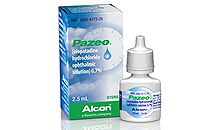
- Last year, generic products in the market for eye drops with the active ingredient olopatadine, used to treat allergic conjunctivitis, posted a 24% year-over-year (YoY) increase in prescription sales. It is the most significant sales expansion since 2019. The pharmaceutical industry anticipates a substantial expansion in prescription sales of generic olopatadine. In Q3 of last year, generic companies scored a win in a six-year-long patent dispute for ‘Pazeo 0.7% Eye Drops’. This means that they no longer have the burden of potential infringement of patent and compensation payments. The prescription of olopatadine eye drops tends to increase in the second and third quarters when outdoor activities are more prevalent. Therefore, generic companies aim to market a ‘0.7% highly concentrated product’ that no longer has patent risks. Prescription sales of olopatadine eye drops increased from 57.6 bil to 71.1 bil. Major generics rose 20%↑ According to UBIST, a pharmaceutical market research agency, on the 19th, the market size of outpatient prescription treatments of allergic conjunctivitis (eye drops) containing the active ingredient olopatadine was 71.1 billion won. The market has expanded rapidly over five years, with an approximately 14% yearly growth: 39.4 billion won in 2019, 43.6 billion won in 2020, 50 billion won in 2021, and 57.6 billion won in 2022. Last year, sales increased by 23% YoY, showing a steep growth. It is speculated that generics, which constitute 86% of the market, performed well, contributing to this growth. Original vs. Generics prescription sales of eye drops containing active ingredient olopatadine (Unit: 100 million won, Source: Ubist). Net prescription sales of generic olopatadine increased from 49.4 billion won in 2022 to 61.3 won last year, showing a 24% growth over a year. The sales of the major generic products increased by more than 20%. The sales of Sam Chun Dang’s ‘Oloten'·'Oloten Hi'·'Oloten Plus’ increased from 7.8 billion won in 2022 to 9.4 billion won last year, showing a 20% growth. The sales of Lite PharmTech’s ‘Lite Olon’ series Eye Drops increased from 4.3 billion won to 6.7 billion won, a 57% growth. The sales of Hanlim Pharm’s ‘Olo-Once'·'Olopanol'·'Olopower’ increased from 4.1 billion won to 5.9 billion won, a 44% growth. The sales of Dae Woo Pharmaceutical’s ‘Paradin’ series Eye Drops increased from 4.6 billion to 56 bilion won, a 44% growth. With the risk associated with patent trials reduced, generic companies will now aggressively market the ‘0.7% high concentration product’ The pharmaceutical industry anticipates that generic prescription sales will likely expand even more this year. This is because generic companies won against Novartis in a patent dispute for Pazeo Eye Drops, eliminating patent infringement risks. On August 31st of last year, the Supreme Court dismissed all Alcon’s appeals in the second trial against Hanmi Pharm. The patent dispute over Pazeo Eye Drops that lasted six years ended with generic companies’ victorious win. Novartis owns three original products containing the active ingredient olopatadine, differentiated by dosage: 0.1% Eye Drops named ‘Patanol,’ 0.2% Eye Drops named ‘Pataday,’ and 0.7% Eye Drops named ‘Pazeo.’ Photos of Pazeo. Novartis filed a separate patent for its 0.7% high concentration product. The patent dispute was related to Pazeo. Pazeo, a medication developed by Novartis in 2016, has a higher active ingredient concentration at 0.7%. Novartis filed two separate active ingredient patents for Pazeo, which will expire in 2032. Generic companies filed a patent invalidation trial against two patents. Based on their victory in the second trial, several companies have since launched generics of 0.7% eye drops. However, after Novartis appealed to the Supreme Court, generic companies did not market their products aggressively. The analysis suggests that generic companies were cautious about potential patent infringement and subsequent compensation payments if the Supreme Court ruled in favor of Novartis, leading to their passive marketing of the 0.7% product. There is a noticeable difference in prescription records between the original product and generic products, particularly in terms of concentration. In the case of the original product, prescription records are highest for the 0.7% high-concentration product. Based on last year's prescription sales, Patanol, the 0.1% product, and Pataday, the 0.2% product, each amounted to 1.7 billion and 2.4 billion won respectively, while Pazeo, 0.7% product, reached 5.6 billion won. More than half (57%) of the prescription sales for olopatadine original products comes from Pazeo. On the other hand, for generics, the prescription sales for the 0.7% product are at a minimal level. Taking the market-leading product series from Sam Chun Dang, the Oloten series, as an example, while Oloten, the 0.1% product, and Oloten Plus, 0.2% product, each amounted to 3.2 billion and 5.1 billion won, respectively, Oloten Hi, the 0.7% product, only reached 1.1 billion won. The proportion of the 0.7% product in the entire series is merely 12%. Prescription sales for major products containing the active ingredient olopatadine. The highest prescription volume for the original product is for 0.7% high concentration product. For generics, prescriptions are primarily for the 0.1% and 0.2% products. It was observed that Hanlim Pharm, which holds the third-largest share in the market, had a similar record of prescription pattern. Last year, the prescription sales for their 0.1% product, Olopanol, and 0.2% product, Olo-Once, were 2.8 billion won and 2.9 billion won, respectively, whereas the 0.7% product, Olopower, only amounted to 300 million won, constituting about 4% of the total. As a result, many companies have opted to launch products with concentrations of 0.1% and 0.2%, instead of the 0.7% product. However, last year’s Supreme Court ruling has greatly reduced risks involved in trials. As a result, generic companies are expected to begin marketing 0.7% high-concentration products aggressively. Sales performance during the second and third quarters will be crucial, as prescriptions are primarily made during the second and third quarters due to the high outdoor acitivities that exacerbate allergic conjunctivitis. A pharmaceutical company with a related product stated, “We have high expectations for the 0.7% product. Especially now that the trial risks have diminished, we anticipate aggressive sales this year.”
- Company
- K-Pharma Bios jump into cancer vaccine development
- by Son, Hyung-Min Feb 19, 2024 05:45am
- Cancer vaccine candidates produced by domestic pharmaceutical and biotech companies are now one step closer to conquering intractable cancers, demonstrating effect in clinical trials. DXVX's cancer vaccine candidate has shown an effect on ovarian cancer and lung cancer, and Aston Science has entered Phase II clinical trials for gastric cancer to confirm its candidate drug’s commercialization potential. Hanmi Pharmaceutical is also planning to start clinical trials of a messenger ribonucleic acid (mRNA) cancer vaccine. According to industry sources the 15th, OVM-200, a cancer vaccine candidate being developed by Oxford Vacmedix in the UK, has shown efficacy recently. Oxford Vacmedix is a spinoff of Oxford University, which has the domestic bio venture DXVX as its largest shareholder. DXVX is pursuing the domestic introduction and clinical trials for OVM-200. According to the Phase Ia clinical trial results of OVM-200 that were recently announced by Oxford Vacmedix, the results confirmed the immune response and safety of OVM-200 in ovarian, prostate, and lung cancer patients. OVM-200 utilizes recombinant overlapping peptide (ROP) technology. ROP can boost the immune system by recombining overlapping peptides that stimulate anti-cancer virus genes. A cancer vaccine is not a preventive measure-it is a treatment that activates the immune system by administering cancer cell antigens to the patient. Like a vaccine, it works by activating the immune response and causing cancer cells to kill themselves. Oxford Vacmedix is currently conducting Phase Ib/IIa clinical trials of OVM-200 in the United Kingdom, and DXVX will conduct clinical trials in Asia. Its commercialization target is 2027. Among domestic companies, Aston Science is conducting Phase II clinical trials for its cancer vaccine, AST-301. AST-301 is a therapeutic cancer vaccine for patients with HER2-positive gastric cancer. Although gastric cancer has biomarkers such as FGR and MET, targeted therapies on such biomarkers have been ineffective. In the past decade, no new drugs have been introduced for gastric cancer, and only recently, the antibody-drug conjugate (ADC) anticancer drug Enhertu and the immuno-oncology drug Keytruda have shown effect in the field. AST-301 selectively increases the immunogenicity of T helper cells that recognize specific antigens. As the company had secured long-term safety and immunogenicity data for AST-301 in Phase I trials, Aston Science is expecting positive results in Phase II trials as well. mRNA Hanmi Pharmaceutical makes bid into developing an mRNA cancer vaccine in Korea With Moderna, Pfizer, and other mRNA specialists making a bid into the cancer vaccine market, Hanmi Pharmaceutical is the only domestic company developing an mRNA cancer vaccine. The mRNA cancer vaccine synthesizes a protein in the body that has the same genetic structure as the abnormal protein produced by cancer cells. The pathogen is administered to the body, to induce an immune response to produce antibodies. Hanmi Pharmaceutical's cancer vaccine candidate, HM99462, which has currently completed preclinical development, targets the KRAS mutation. KRAS plays an important role in cell growth, differentiation, proliferation, and survival. KRAS, which causes various mutations, is overexpressed in non-small cell lung cancer and colon cancer, causing cancer. According to clinical trial data released by Hanmi Pharmaceutical, HM99462 inhibited tumor growth in an animal model (mice) of non-small cell lung cancer (NSCLC). The company plans to continue clinical trials as it has confirmed positive results in preclinical studies.
- Company
- Clopidogrel mkt exceeds KRW 500 bil for the first time
- by Kim, Jin-Gu Feb 19, 2024 05:45am
- Photo of Plavix, produced by Handok and marketed by Sanofi in KoreaThe antiplatelet market for clopidogrel has grown to exceed KRW 500 billion in Korea. Although 25 years have passed since the original drug, Sanofi's Plavix, was released in Korea, its market is still showing growth. Last year, the growth of generic products stood out in the market. The combined prescription sales of generic products increased by more than 10% year-on-year. Major generic products from Samjin Pharmaceutical, Daewoong Pharmaceutical, Chong Kin Dang, Jeil Pharmaceutical, and Yuhan Corp also showed prescription growth of over 10%. Clopidogrel prescription market exceeds KRW 500 billion…still shows growth 25 years after original’s launch According to the market research institution UBIST on the 16th, the outpatient prescription market for clopidogrel antiplatelet drugs was KRW 532.7 billion last year. This is a 7.9% increase from KRW 493.5 billion it had posted in 2022. The market hit the KRW 400 billion mark in 2019. Since then, it has continued to grow at around 7%, even during the prolonged COVID-19 pandemic. Prescription changes of clopidogrel original and generics (Unit: KRW 100 million, Data: UBIST) The original product, Plavix, was released in 1999. Generic versions of the drug joined the market in bulk in 2005-2007. Although more than 25 years have passed since the original’s launch and 20 years after the entry of its generics, the drug is still widely prescribed in the field. The drug is prescribed to improve symptoms of atherosclerosis in patients with ischemic stroke and myocardial infarction. It is also prescribed as maintenance therapy after stenting procedures. it is analyzed that the prescription of clopidogrel-based drugs has increased with the steady rise in the number of stent procedures in Korea in recent years. Sales growth of original Plavix slows down...sales of major generic products grow together The market leader is Plavix. Last year, prescriptions for Plavix and Plavix A totaled KRW 126 billion. This is a 1.9% increase from the KRW 123.4 billion in 2022. Plavix A is a combination of clopidogrel and aspirin. However, in the case of Plavix, its sales growth has slowed down significantly recently. In fact, prescription sales of Plavix have grown annually at a growth rate of 7.2% for 4 years, from KRW 91.4 billion in 2018 to KRW 128.4 billion in 2022, but only rose 2% last year. Sanofi has started copromoting Plavix with GC Pharma since February last year. GC Pharma took charge of local sales and Sanofi of large hospitals. Changes in the prescription performance of leading clopidogrel products (Unit: KRW 100 million, Data: UBIST) On the other hand, generic products have seen steady growth in general. Last year, the combined prescription performance of generic products was KRW 401.8 billion, up 10.1% from KRW 365.1 billion in 2022. Last year was the first time since 2018 that prescription growth for generics exceeded 10%. Prior to that, the average annual growth rate was 6.6%. Therefore, major generic products saw a significant increase in prescription sales. Sales of Samjin Pharmaceutical's 'Platless', the second largest product in the market, increased 10.4% from KRW 75 billion in 2022 to KRW 82.8 billion in 2023. Dong-A ST’s ‘Plavitor’ increased by 6.8% from KRW 27.3 billion to KRW 29.2 billion. During the same period, Jeil Pharmacuetical’s ‘Pilgrel’ and ‘Clopirin’ increased from KRW 24.1 billion to KRW 25.8 billion, and Chong Kun Dang’s ‘Pregrel’ and ‘Copregrel’ increased from KRW 13.5 billion to KRW 20.4 billion. Clopirin and Copregrel are both clopidogrel-aspirin combination drugs. Sales of Daewoong Pharmaceutical's ‘Cloart’ have been growing very rapidly recently. Prescriptions of Cloart, which remained at KRW 9.9 billion in 2020, nearly doubled in 3 years to KRW 19.6 billion last year. Jinyang Pharmaceutical's 'Krivix' also saw its sales nearly double from KRW 5.3 billion in 2020 to KRW 10.4 billion last year.
- Company
- K-made new stroke drugs accelerate towards commercialization
- by Son, Hyung-Min Feb 19, 2024 05:45am
- New candidate products for ischemic stroke developed by Korean pharmaceutical companies are proving to be effective. As global pharmaceutical companies have faced difficulties in development, attention is drawn to the possibility of commercializing new stroke drugs made in Korea. According to industry experts on the 17th, Phase 3 clinical demonstrated the efficacy of Nelonemdaz, a new ischemic candidate product developed by the bioventure company GNT Pharma. Nelonemdaz is a derivative of aspirin and sulfasalazine, selectively inhibiting the NR2B subunit of the N-methyl-D-aspartate (NMDA) receptor, a receptor of glutamate. This drug can prevent neuronal injury after surgical thrombectomy by blocking NMDA-receptor-mediated neurotoxicity and reactive oxygen species. A Phase 3 clinical study investigating the efficacy of Nelonemdaz included 496 patients with moderate ischemic stroke who required surgical thrombectomy within 12 hours of contracting ischemia. The patients were randomly assigned to two groups: a group receiving high doses of Nelonemdaz and another receiving a placebo. After receiving the medication, patients underwent surgical thrombectomy. The primary endpoint was a change in the modified Rankin Scale (mRS) score, used to measure the degree of disability in stroke patients, at 90 days after the first dose. The clinical outcome showed no significant difference in mRS changes between the Nelonemdaz group and the placebo group. However, among 47 patients who received the medication within one hour of emergency room arrival, there was 4.93 times greater mRS improvement in the Nelonemdaz group compared to the placebo group. This result demonstrates that administering Nelonemdaz to patients with acute ischemic stroke upon early arrival at the emergency room may provide significant benefits. GNT Pharma announced that it would complete the study this year and aims to launch Nelonemdaz in Korea. GNT Pharma is preparing for a Phase 3 study of Nelonemdaz for indications beyond ischemic stroke, including cardiac arrest. Can Korean pharma succeed in developing new stroke drugs, where global pharma companies have failed in the past? The potential commercialization of new stroke drugs draws attention because global pharmaceutical companies have repeatedly failed in clinical trials. When assessing the probability of a stroke recurrence within 90 days after an ischemic stroke, AstraZeneca’s Brilinta, an antiplatelet medication, did not show a significant reduction compared to aspirin. Merck’s vorapaxar, an antiplatelet medication, was unsuccessful in demonstrating efficacy, as the clinical study revealed an increased risk of intracranial hemorrhage in stroke patients. Several biopharmaceutical companies in Korea are investigating the potential development of disease-modifying candidate products, including Natural Killer (NK) or stem cell therapies. NK cells can detect malignant cells and kill them via necrosis. They can directly attack malignant cells or secret cytokines to induce T cells and B cells to attack. NKMAX explained that the new Alzheimer’s candidate product SNK01 is also effective in stroke patients. NKMAX reports a significant improvement in language ability and overall energy level in stroke patients in Mexico when administering SNK01. Furthermore, Phase 1a/2 clinical studies using cord-derived mesenchymal stem cell therapy ‘CordSTEM-ST,’ developed by CHA Biotech, have shown the inhibition of anti-inflammatory cytokines in stroke patients. Regarding acute stroke, it is well-established that neuronal repair is impaired after a stroke. However, CordSTEM-ST treatment has been found to strongly inhibit such inflammatory responses, thereby reducing neuronal damage. Due to confirming the CordSTEM-ST effect, Cha Biotech plans to proceed to the later stages of clinical trials.
- Company
- Can we expect Darzalex to receive expanded reimb this year?
- by Eo, Yun-Ho Feb 19, 2024 05:45am
- Janssen Korea’s Darzalex (daratumumab). A multiple myeloma drug, ‘Darzalex,’ garners attention as to whether it could receive expanded use this year. Janssen Korea’s Darzalex (daratumumab) is under discussion for expanding reimbursement into multiple indications. It is categorized into two types of therapies. The first is the DVTd (daratumumab, bortezomib, thalidomide, and dexamethasone) combination therapy, which cleared the Cancer Drug Review Committee of the Health Insurance Review and Assessment Service (HIRA) last May as the first-line treatment of multiple myeloma. Another is a combination therapy, including DRd (daratumumab, lenalidomide, and dexamethasone), DVd (daratumumab, bortezomib, and dexamethasone), and DKd (daratumumab, carfilzomib, and dexamethasone), for second-line treatment, which passed the first review of the year by the Cancer Drug Review Committee. There has been a long-standing demand for hospitals to use combinations indicated for the first- and second-line treatments. However, the process of expanding reimbursement has been delayed until now. These expanded indications were approved in Korea in 2019. However, patients must pay 100% out-of-pocket expenses for Darzalex, except when receiving it as ‘Monotherapy of fourth-line treatment or more in patients with recurrent and refractory disease who have received three or more types of treatment, including PI inhibitors and immune inhibitors.” Although the Cancer Drug Review Committee approved the combination strategy as a second-line treatment in January, the drug has not been considered for review for almost 10 months due to unestablished reimbursement criteria last March. Therefore, it remains to be seen whether the indications that have passed the Cancer Drug Review Committee will receive reimbursement from the 2024 Drug Reimbursement Committee review. Currently, the National Comprehensive Cancer Network (NCCN) and the European Society for Medical Oncology (ESMO) recommend the Darzalex combination as standard therapy for first and second-line treatments. They also recommend the use of DVTd four-drug combination for first-line treatment in patients who are eligible for hematopoietic stem cell transplantation. Darzalex’s active ingredient daratumumab is a human monoclonal antibody that targets ‘CD-38,’ a cell surface protein that is overexpressed on multiple myeloma cells. This drug can directly induce cancer cell death through several underlying mechanisms, including the following: ▲Complement-dependent cytotoxicity (CDC), ▲Antibody-dependent cell-mediated cytotoxicity (ADCC), and ▲Antibody-dependent cellular phagocytosis (ADCP).
- Company
- Administration cycle restriction on Xospata will be lifted
- by Eo, Yun-Ho Feb 19, 2024 05:44am
- The reimbursement restrictions set on the number of administration cycles set for the acute myeloid leukemia treatment 'Xospata' is expected to be lifted soon. According to Dailypharm’s coverage, Astellas Korea recently finalized drug pricing negotiations with the National Health Insurance Service to expand reimbursement coverage for its Xospata (gilteritinib), a treatment used for relapsed or refractory acute myeloid leukemia (AML) with an FLT3 mutation. This will accordingly allow greater prescribing flexibility for Xospata. Under the current reimbursement standards, the use of Xospata is reimbursed for up to 2 cycles as induction therapy for patients with FLT3-mutated AML who are refractory to prior therapy or have relapsed and are candidates for an allogeneic stem cell transplant. However, in consideration of the preparation period for allogeneic stem cell transplantation, an additional 2 cycles of Xospata is reimbursable but only for patients who achieve a partial response or better after 2 cycles and are pre-approved for allogeneic stem cell transplantation (or submit evidence of such). Therefore, Xostapa’s use is restricted to a maximum of 4 cycles. Complaints about the restriction in the number of cycles have risen ever since its initial listing in March 2022. Astellas had submitted an application for Xospata’s coverage expansion in November of the same year, which passed the Cancer Disease Review Committee in May last year, the Drug Reimbursement Evaluation Committee in November, and the final hurdle, the drug pricing negotiations, this time. Other than the financial issues, there are no specific reasons to limit the number of administration cycles for Xospata. In the ADMIRAL trial, Xospata was used without limiting the treatment period, and the NCCN guidelines also issued a ‘Category 1’ recommendation for the drug without restricting its treatment period. The current best option to cure AML patients is hematopoietic stem cell transplantation, but this is accompanied by a high risk of recurrence, and transplantation is not an option for the large number of elderly AML patients that exist. Xospata targets both types of FLT3 mutations, FLT3-ITD and FLT3-TKD, and may be self-administered at home as a single oral tablet once daily without frequent hospital visits. Also, Xostapa has demonstrated improved safety and efficacy compared with existing chemotherapy.
