
- LOGIN
- MemberShip
- 2026-04-24 08:27:19
- Company
- Will Retevmo finally be reimbursed 5yrs post-approval?
- by Eo, Yun-Ho Feb 25, 2026 05:45pm
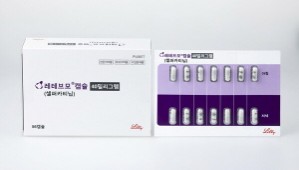
- Attention is once again turning to whether the RET-targeted anticancer therapy Retevmo can finally conclude its reimbursement listing process.Despite domestic regulatory approval, reimbursement coverage has yet to be granted nearly 5 years later, extending the wait for eligible patients.According to industry sources, Eli Lilly Korea resubmitted its reimbursement application for Retevmo (selpercatinib), indicated for RET-mutated non-small cell lung cancer (NSCLC), in April of last year. The therapy subsequently passed the Health Insurance Review and Assessment Service (HIRA) Cancer Disease Review Committee again in September. Follow-up procedures, including pharmacoeconomic evaluation, are reportedly in progress.The company has already submitted the required documentation, including the pharmacoeconomic evaluation data. However, specific timelines for review or details regarding price negotiations remain difficult to ascertain at this stage.Retevmo endured a truly arduous journey through the listing process. The drug received approval from the Ministry of Food and Drug Safety in March 2022. Subsequently, reimbursement criteria were established by the Health Insurance Review and Assessment Service in November 2022, and it passed the Drug Reimbursement Evaluation Committee in May 2023, gaining recognition for its cost-effectiveness.However, its listing fell through in August 2023 when price negotiations with the National Health Insurance Service broke down. Then, in October 2023, Phase III clinical trial data showing improved overall survival (OS) were announced, prompting the company to reapply based on this evidence.RET mutations represent rare genetic alterations identified in approximately 1–2% of NSCLC patients.Currently, Retevmo remains the only RET-targeted therapy approved in Korea. Conventional chemotherapy and immunotherapy have historically shown limitations in response rates and durability within this patient population.Meanwhile, the US National Comprehensive Cancer Network (NCCN) Guidelines recommend Retevmo as a Preferred Category 1 option for first-line treatment of RET-mutated metastatic NSCLC. This is the highest level of evidence and expert consensus. While it is considered a treatment option immediately upon diagnosis in global standards, it remains non-reimbursed in Korea.Of course, many anticancer drugs designated as global standard treatments remain non-covered in Korea. However, Retevmo differs in that, despite having already been recognized for cost-effectiveness once and securing additional clinical evidence after negotiations stalled, discussions for its coverage have been prolonged.Among the A7 reference pricing countries, Retevmo is reimbursed and actively used in clinical practice across six nations (the United States, Germany, Italy, the United Kingdom, Switzerland, and Japan), with France being the sole exception.
- Company
- Imfinzi reimbursed for gastrointestinal cancer in Korea
- by Son, Hyung Min Feb 25, 2026 05:45pm
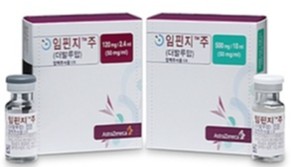
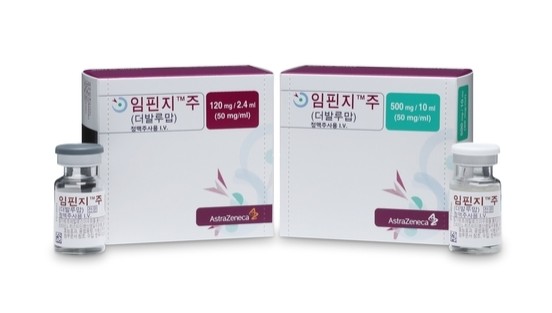
- AstraZeneca’s immuno-oncology drug Imfinzi is poised for expanded reimbursement in first-line hepatocellular carcinoma and biliary tract cancer, signaling potential shifts in gastrointestinal cancer treatment strategies.In hepatocellular carcinoma, the Imfinzi + Imjudo combination is expected to compete with the Tecentriq+Avastin regimen. In biliary tract cancer, an Imfinzi-based triplet combination will face off against Keytruda-based combination therapy. Given the characteristics of immunotherapy combinations, which carry a relatively lower bleeding risk, and the fact that reimbursement for Imfinzi is being applied first, there is an atmosphere of anticipation for a first-mover advantage in the market.AstraZeneca's immuno-oncology drug ImjudoAccording to industry sources on the 25th, the reimbursement expansion for AstraZeneca's immuno-oncology drug Imfinzi (durvalumab) is scheduled for next month.For hepatocellular carcinoma, the reimbursed regimen includes the PD-L1 inhibitor Imfinzi combined with the CTLA-4 inhibitor Imjudo (tremelimumab). Both drugs are immunotherapies, designed to enhance antitumor responses by simultaneously promoting initial T-cell activation and sustaining immune activity while blocking immune evasion mechanisms.Clinical efficacy of the Imfinzi+Imjudo combination was demonstrated in the Phase III HIMALAYA study. The trial evaluated 1,171 treatment-naïve patients aged 18 years or older with unresectable hepatocellular carcinoma, comparing Imfinzi + Imjudo versus Bayer’s Nexavar (sorafenib).Results showed that the Imfinzi+Imjudo combination therapy reduced the risk of death by 22% compared to Nexavar monotherapy. The overall survival (OS) for the Imfinzi + Ibrutinib combination therapy was 16.4 months versus 13.8 months for Nexavar monotherapy.The Imfinzi+Imjudo regimen will compete with Roche’s reimbursed Tecentriq (atezolizumab)+Avastin (bevacizumab) combination.A key advantage cited for the Imfinzi+Imjudo regimen is reduced bleeding risk. Tecentriq+Avastin is known to be associated with relatively higher bleeding incidence attributable to Avastin.Competition is expected to intensify further with the introduction of later entrants. Ono Pharmaceutical and Bristol Myers Squibb (BMS) are currently preparing reimbursement applications for the Opdivo(nivolumab)+Yervoy (ipilimumab) combination in hepatocellular carcinoma. This Opdivo(nivolumab)+Yervoy (ipilimumab) regimen is a combination of PD-1 and CTLA-4 class immuno-oncology drugs.Opdivo+Yervoy’s primary advantage lies in its OS outcomes. In the Phase III CheckMate-9DW study, median OS reached 23.6 months, exceeding the 20.6 months observed with Eisai’s Lenvima (lenvatinib) or Nexavar.Furthermore, recently released 4-year analysis results showed the overall survival rate was 31% in the Opdivo + Yervoy group, higher than the 18% in the control group.First-line coverage for biliary tract cancer...Competition with KeytrudaAstraZeneca's immuno-oncology drug ‘Imfinzi’For biliary tract cancer, coverage for the combination therapy Imfinzi+gemcitabine+cisplatin will be newly established. The specific indication is for the treatment of unresectable locally advanced or metastatic biliary tract cancer. Reimbursement is limited to adenocarcinoma and excludes ampullary carcinoma.Although biliary tract cancer affects relatively few patients, early diagnosis is difficult. Due to rapid metastasis to surrounding organs and high recurrence rates, the 5-year relative survival rate (2017-2021) is only 28.9%. Seven out of ten patients die from biliary tract cancer. It has also been a challenging field for drug development. The combination therapy of Imfinzi+gemcitabine+cisplatin demonstrated a 2-year overall survival rate of 24.9% in the TOPAZ-1 clinical trial led by Korean medical teams, confirming a survival rate more than double that of the existing standard treatment (10.4%).Furthermore, the TOURMALINE study showed that the combination of Imfinzi, gemcitabine, and cisplatin demonstrated similar efficacy compared to other gemcitabine-based chemotherapy combinations (such as oxaliplatin, paclitaxel, carboplatin, etc.). The objective response rate (ORR) for the primary combination therapy in that clinical trial was 27%.With this reimbursement, Imfinzi will directly compete with Keytruda plus gemcitabine plus cisplatin combination therapy in the first-line biliary tract cancer treatment space.Keytruda-based therapy received regulatory approval for expanded indications in April 2024. Supporting clinical data demonstrated a median OS of 12.7 months. However, the earlier reimbursement approval of the Imfinzi regimen is expected to confer market entry advantages.
- Company
- Fintepla’s reimbursement listing process draws attention
- by Eo, Yun-Ho Feb 24, 2026 03:55pm
- Attention is focused on the insurance reimbursement process for ‘Fintepla’, a drug included in Korea’s approval-evaluation-negotiation parallel pilot program.The reimbursement application for UCB Pharma Korea’s Dravet syndrome drug Fintepla (penfluramine) has been submitted to the Health Insurance Review and Assessment Service's (HIRA) Pharmacoeconomic Evaluation Subcommittee and is currently undergoing subsequent procedures.Approved domestically last December, Fintepla was designated as an orphan drug and was selected as a candidate for the second phase of the government's ‘Approval-Evaluation-Negotiation Parallel Pilot Program’. Amid ongoing debates about the effectiveness of the pilot program, it remains to be seen whether Fintepla can smoothly complete the listing procedures, including review by the Drug Reimbursement Evaluation Committee.Dravet syndrome is an ultra-rare, pediatric, intractable disorder that typically manifests in infancy. According to experts, approximately 80% of cases are associated with SCN1A mutations.It typically manifests around 12 months of age, with up to 15% of patients dying during infancy or adolescence. Patients face elevated risks of both physical and neurodevelopmental comorbidities, including motor impairment, language delay, autism spectrum disorders, intellectual disability, and ADHD.Caregivers also endure high caregiving stress and low quality of life, including the burden of 24-hour care, career disruptions, and loss of income.Frequent, long-term seizures in Dravet syndrome patients not only degrade the quality of life for both patients and caregivers but also carry a risk of sudden unexpected death in epilepsy (SUDEP). Therefore, seizure reduction or elimination is the central treatment objective for the condition.However, conventional antiepileptic drugs often show limited efficacy, and certain therapies may even exacerbate seizures, leaving considerable unmet medical need in the domestic treatment landscape. Fintepla is being evaluated as a treatment option that not only reduces seizure frequency but may also achieve near-complete seizure control in some patients.Fintepla’s clinical value has been demonstrated through 3 randomized Phase III trials (Study 1–3).An integrated analysis combining data from 119 patients enrolled in Study 1 and participants recruited in Study 3 showed that the Fintepla treatment group showed a reduction in monthly convulsive seizure frequency (MCSF) by 62.3% and 64.8%, respectively. Notably, near-complete seizure elimination was observed exclusively in the Fintepla treatment groups.Study 2, a 15-week trial consisting of a six-week baseline, three-week titration, and 12-week maintenance phase, randomized patients 1:1 to receive Fintepla or placebo alongside standard therapy with stiripentol (plus clobazam and/or valproate). Results showed that 54% of patients in the Fintepla combination group achieved at least a 50% reduction in MCSF from baseline, compared with only 5% in the placebo group.
- Company
- Two years after Forxiga exit… Jardiance 34%↑, Dapa.N↑
- by Kim, Jin-Gu Feb 23, 2026 09:16am
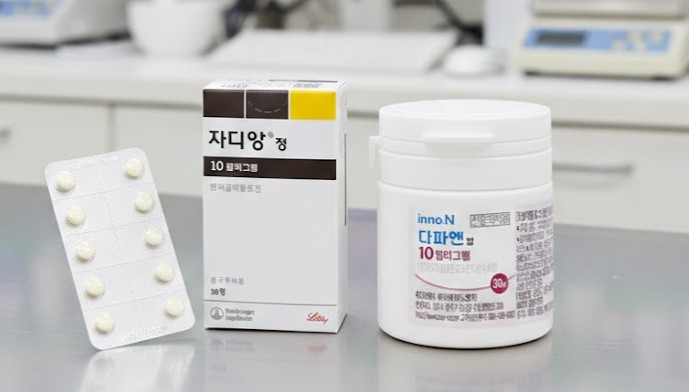
- Two years after the withdrawal of the SGLT-2 inhibitor ‘Forxiga (dapagliflozin)’ from the Korean market, ‘Jardiance (empagliflozin)’ is strengthening its dominant position in this market, expanding its prescription performance by over 30%.Among the flood of generics launched following Forxiga’s patent expiration, HK inno.N’s Dapa.N has shown particularly strong growth. Industry observers attribute this largely to the product’s successful succession of indications from the originator.Two years postexit… Jardiance prescriptions rise from KRW 58.1billion to 77.7billionAccording to the pharmaceutical market research firm UBIST on the 21st, outpatient prescriptions for SGLT-2 inhibitor monotherapies reached KRW 164.9B last year. This represents a 17.9% increase compared with KRW 139.8 billion in 2023, just before Forxiga’s market withdrawal.The market experienced substantial shifts surrounding Forxiga’s exit. AstraZeneca Korea decided to withdraw Forxiga from the Korean market at the end of 2023. The following year, it halted the domestic supply of new inventory, leaving only existing stock circulating in the market. In April 2024, the company voluntarily withdrew marketing authorization, followed by full reimbursement delisting in December, and completed its full withdrawal from the market.Forxiga recorded KRW 55.5 billion in prescriptions just before its market exit in Korea. At the time, fierce marketing and sales competition unfolded in the SGLT-2 monotherapy market among competing brands and generic manufacturers to capture the over KRW 50 billion annual gap left by Forxiga. Analysts note that this competitive dynamic contributed to nearly 18% market expansion over the two-year period.During this period, Jardiance’s prescription sales grew significantly. Jardiance's prescription sales, which were KRW 58.1 billion in 2023, increased to KRW 77.7 billion last year, marking a 33.8% growth. In this process, Jardiance strengthened its dominant market position. As of last year, Jardiance’s market share in the SGLT-2 monotherapy segment reached 47.2%, approaching half of total prescriptions.A potential variable is the entry of Jardiance generics. Following the expiration of Jardiance’s substance patent last October, 23 generic versions entered the market. The market penetration of Jardiance generics this year could potentially influence the original drug’s dominant position going forward.Another original product, Daewoong Pharmaceutical’s Envlo (enavogliflozin), also saw a significant increase in prescriptions around the time of Forxiga's withdrawal. Since its launch in May 2023, prescriptions increased from KRW 3.2 billion to KRW 10.6 billion in 2024, then to KRW 11.8 billion last year.Forxiga generics mark KRW 74.6 billion combined... ‘Dapa.N’ sales surge with inherited indicationsForxiga generics have also successfully filled the void left by the original. Notably, HK Inn.N’s Dapa.N, which inherited Forxiga’s indications, has recently shown a particularly pronounced upward trend in prescription sales.Forxiga generics were launched en masse in 2023 following the expiration of the original product's substance patent. A total of 86 companies obtained generic product approvals, with 65 of them launching products.Within the overall SGLT-2 inhibitor market, prescription sales for dapagliflozin-containing products increased slightly from KRW 73.4 billion in 2023 to KRW 74.6 billion last year. The 2023 structure, which consisted of KRW 55.5 billion for the original Forxiga + 17.2 billion won for generics, was replaced by KRW 74.6 billion entirely from generics last year.Among the generics, HK inno.N’s Dapa.N has demonstrated particularly strong prescription growth. In April 2024, AstraZeneca Korea withdrew Forxiga’s marketing authorization while simultaneously transferring clinical data to the company, enabling Dapa.N to inherit Forxiga’s indications.Immediately after the indication succession, Dapa.N’s prescription growth was limited. However, the upward trend accelerated from the fourth quarter of 2024. Prescriptions, which stood at KRW 2.4 billion in 2024, surged more than fourfold to KRW 10.5 billion last year. Analysts suggest that the declining domestic supply of Forxiga shifted prescription demand toward Dapa.N.Excluding Dapa.N, other Forxiga generics showed mixed performance. Last year, Daewoong Bio’s ‘Forxidapa’ recorded KRW 6.0 billion, Hanmi Pharmaceutical’s ‘Dapalon’ KRW 5.8 billion, and Boryung’s ‘Trudapa’ KRW 5.6 billion. Additionally, Aju Pharm’s ‘Daparil’, Dong-A ST’s ‘Dapapro’, Chong Kun Dang’s ‘Exiglu’, and Daewon Pharm’s ‘Dapawon’ exceeded KRW 3.0 billion in prescriptions.In contrast, most companies recorded prescriptions below KRW 1.0 billion. Of the 65 companies that launched products, 49 reported annual prescription performance under KRW 1.0 billion. This suggests that only about one in four generic companies entering this market achieved the expected commercial outcomes.
- Company
- Fruzaqla may be prescribed in general hospitals in Korea
- by Eo, Yun-Ho Feb 23, 2026 09:15am
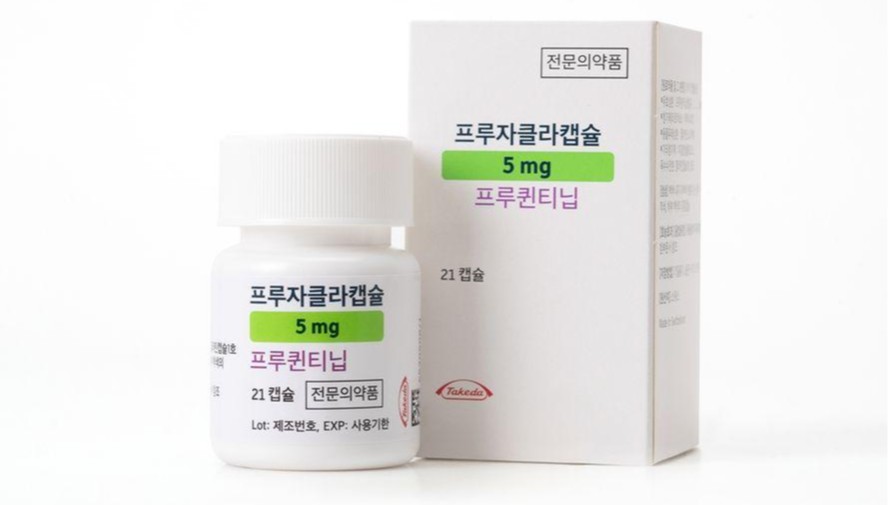
- The new colorectal cancer therapy Fruzaqla may be prescribed at general hospitals in Korea.According to industry sources, Takeda Pharmaceutical Korea's colorectal cancer treatment Fruzaqla (fruquintinib), which selectively inhibits vascular endothelial growth factor receptor (VEGFR)-1,2,3, has passed the Drug Committee (DC) reviews of major medical institutions nationwide, including Korea’s ‘Big 5’ teritary hospitals - Samsung Medical Center, Seoul National University Hospital, Seoul St. Mary’s Hospital, Asan Medical Center, and Severance Hospital.Approved in Korea in March last year, Fruzaqla was previously designated as a drug for the Global Innovative Products on Fast Track (GIFT) program as an innovative oncology therapy.Specifically, the drug is indicated for 'patients with metastatic colorectal cancer (mCRC ) who have previously received fluoropyrimidine-, oxaliplatin-, and irinotecan-based chemotherapy, and have been treated with, or are not candidates for, available therapies including anti-VEGF agents, anti-EGFR agents (for RAS wild-type disease), and trifluridine/tipiracil or regorafenib.However, Fruzaqla is yet to be reimbursed in Korea. Takeda submitted its reimbursement application to health authorities last year, and the listing process is currently ongoing. This is why whether Fruzaqla will secure coverage and enable broader patient access is gaining attention.Meanwhile, Fruzaqla’s clinical efficacy was demonstrated in the Phase III FRESCO and FRESCO-2 trials.Clinical findings showed that Fruzaqla extended median overall survival (mOS) by 2.7 months to 9.3 months in patients with previously treated metastatic colorectal cancer compared to placebo, while reducing the risk of death by 35%.In addition, as an oral medication taken once daily without complex dietary restrictions, Fruzaqla is expected to positively impact both treatment efficacy and patient quality of life.Dong-Hoe Koo, Professor of Oncology at Kangbuk Samsung Hospital, said, “Fruzaqla exhibits high drug specificity and avoids unnecessary targets. This enables efficient VEGFR inhibition and sustained drug exposure. The potential for combination strategies with existing therapies warrants further clinical investigation.”
- Company
- ‘Enhertu sets new standard in breast cancer treatment’
- by Son, Hyung Min Feb 23, 2026 09:15am
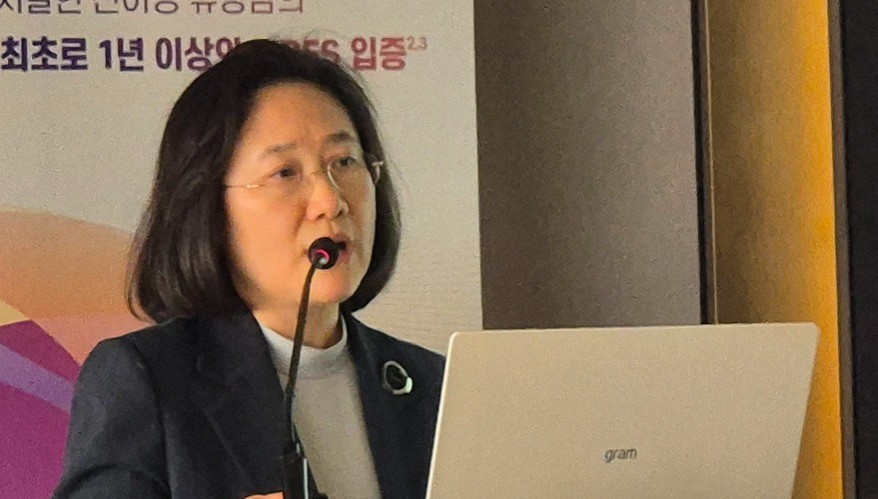
- Enhertu is setting a new standard in HER2-positive breast cancer. With its treatment scope expanding beyond conventional HER2-positive and HER2-low populations to include ultra-low HER2 expression, the therapy is being viewed as a potential turning point in treatment strategy, particularly for HR+/HER2- low-expression metastatic breast cancer patients whose options were previously limited after endocrine therapy failure.Professor Seok-Ah Im, Department of Hematology-Oncology, Seoul National University HospitalOn the 20th, Daiichi Sankyo Korea and AstraZeneca Korea held a press conference at The Plaza Hotel in Jung-gu, Seoul, to commemorate the indication expansion of the antibody-drug conjugate (ADC) Enhertu (trastuzumab deruxtecan).The newly approved indication added last month is Enhertu as monotherapy for the treatment of adult patients with unresectable or metastatic breast cancer exhibiting HER2-low (IHC 1+ or IHC 2+/ISH-) or HER2 ultra-low expression (IHC 0 with membrane staining), who have previously received one or more endocrine therapies in the metastatic setting.Enhertu is considered a therapy with broad potential across multiple solid tumors. While first-generation ADCs such as Roche’s Kadcyla (trastuzumab emtansine) remained largely confined to breast cancer indications, second-generation ADCs have successfully secured diverse indications. Enhertu, in particular, has demonstrated efficacy across various solid tumor types, including breast cancer, non-small cell lung cancer, and colorectal cancer.ADCs are novel anticancer drugs created by linking an antibody that binds to a specific target antigen on the surface of cancer cells with a cytotoxic drug via a linker. The advantage of ADCs is that they leverage the antibody's selectivity for its target and the drug's cytotoxic activity to ensure the drug acts selectively only on cancer cells, thereby enhancing therapeutic efficacy while minimizing side effects.Hormone receptor-positive (HR+) / HER2-negative (HER2-) breast cancer represents the most common subtype, accounting for approximately 70% of all breast cancers. Although generally associated with a more favorable prognosis relative to other subtypes, patients who are unsuitable for endocrine therapy or develop resistance often face limited treatment options, with chemotherapy remaining the primary alternative. The PFS achievable with first-line therapy is only about 6 months, indicating a high unmet clinical need.The basis for the expanded indication is the Phase III DESTINY-Breast06 trial.The trial enrolled 866 adult patients with metastatic HR-positive breast cancer who were HER2-low or HER2-ultra-low, had previously received endocrine therapy, and had no prior chemotherapy history in the advanced or metastatic setting.In this study, HER2 ultra-low expression was defined as faint and incomplete HER2 staining on the cell membrane observed in 10% or fewer tumor cells (IHC 0 for membrane staining; in this study, IHC >0 and <1+).Patients were randomized 1:1 to receive either Enhertu or the physician’s choice chemotherapy (capecitabine, nab-paclitaxel, or paclitaxel).Results demonstrated that Enhertu significantly extended median PFS to 13.2 months, compared with 8.1 months in the chemotherapy arm, based on blinded independent central review (BICR).Enhertu also achieved an objective response rate (ORR) of 57.3%, nearly 1.8 times higher than the 31.2% observed in the control group. Complete responses (CR), absent in the chemotherapy cohort, were observed in approximately 3% of patients in the Enhertu group.In terms of safety, adverse events were consistent with prior Enhertu studies. However, one Grade 5 interstitial lung disease (ILD) event associated with drug administration occurred..Professor Seok-Ah Im, Department of Hematology-Oncology at Seoul National University Hospital, said, “Enhertu demonstrated a median progression-free survival exceeding 1 year while maintaining patient quality of life, suggesting a fundamental shift in treatment strategy. Following failure of endocrine therapy and CDK4/6 inhibitors, Enhertu has become the global standard of care.”Clinical benefit extends from low to ultra-low expression… redefining HER2 treatment standardsProfessor Gyeong Yeop Kong, Department of Pathology at Asan Medical CenterThe subtype accounts for approximately 20–25% of breast cancer cases and tends to progress more rapidly and aggressively than other subtypes.Prior to Enhertu’s introduction, HER2 classification relied primarily on immunohistochemistry (IHC), categorizing tumors as HER2-negative or HER2-positive.IHC testing categorizes protein expression as 0, 1, 2, or 3, with 1 classified as HER2-negative and 3 as HER2-positive. Cases with a score of 2 are determined via in situ hybridization (ISH) analysis.However, Enhertu demonstrates efficacy even in patients with low or ultra-low expression (IHC scores 0 or 1), establishing itself as a new standard treatment option across the entire HER2 expression spectrum.Professor Gyeong Yeop Kong of the Department of Pathology at Asan Medical Center said, “The expansion of the HER2 expression spectrum to include not only low-expression but also ultra-low-expression cases provides clinical justification for considering a significant proportion of metastatic breast cancer patients as candidates for HER2-targeted therapy.”He added, “Re-testing may be considered even for HR-positive patients initially diagnosed as HER2 IHC 0. Pathology reporting systems must evolve to enable accurate identification of ultra-low expression populations.”
- Company
- BeOne Medicine’s ‘Tevimbra’ moves closer to reimb expansion
- by Eo, Yun-Ho Feb 20, 2026 10:04am
- Attention is focused on whether progress will be made in the insurance reimbursement process for the immuno-oncology drug ‘Tevimbra.Having passed the final Cancer Disease Deliberation Committee meeting of 2025, it remains to be seen whether it will complete evaluation stages like this year's Drug Reimbursement Evaluation Committee and expand the cost-effective immunotherapy treatment landscape.BeOne Medicine’s PD-1 inhibitor Tevimbra (tislelizumab) is currently undergoing discussions for reimbursement expansion across five indications.Following its success last April as the first immunotherapy to gain coverage for esophageal cancer, Tevimbra added five additional indications for solid tumors, including esophageal cancer, gastric cancer, and non-small cell lung cancer. BeOne Medicine simultaneously submitted reimbursement applications alongside the indication expansions.The specific indications include ▲ First-line combination therapy for patients with unresectable, locally advanced, or metastatic esophageal cancer; ▲ First-line combination therapy for patients with unresectable or metastatic HER2-negative gastric or gastroesophageal junction adenocarcinoma; and ▲ Two first-line combination regimens and one second-line monotherapy indication in NSCLC.With reimbursement procedures for additional indications progressing rapidly, Tevimbra’s role is expected to expand across multiple cancer types in Korea.Notably, BeOne Medicine previously reached an agreement with authorities while emphasizing a “reasonable pricing” strategy at the time of initial listing. This precedent has contributed to expectations surrounding the ongoing reimbursement discussions.Whether the company can maintain its stated philosophy of ‘providing innovative therapies at sustainable prices while improving patient access’ will serve as an essential factor.Meanwhile, Tevimbra has demonstrated efficacy and safety across multiple tumor types through the RATIONALE clinical trial program (RATIONALE-303, 304, 305, 306, 307).Notably, it demonstrated clinical benefit across the entire patient population for esophageal squamous cell carcinoma and gastric or gastroesophageal junction adenocarcinoma, showing consistent results even in pre-specified subgroups based on PD-L1 expression.
- Company
- The significance of Ozempic's reimbursement coverage in KOR
- by Son, Hyung Min Feb 13, 2026 08:29am
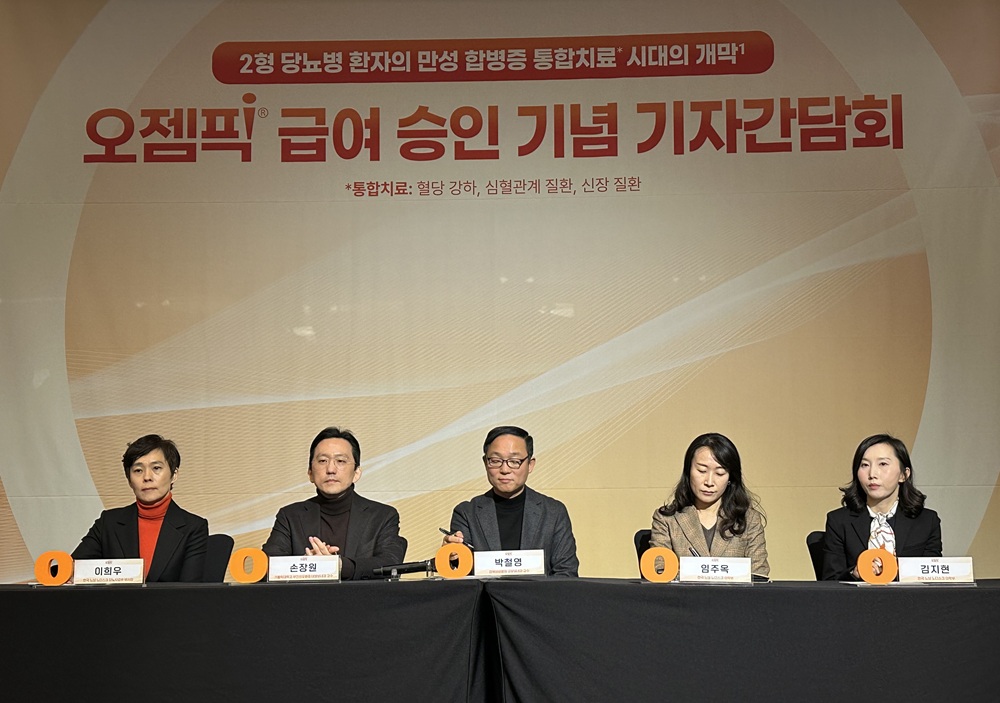
- Novo Nordisk’s GLP-1 receptor agonist Ozempic has entered Korea’s reimbursement system.Experts consider this development highly significant, as this newly reimbursed therapy has demonstrated not only glucose-lowering efficacy but also evidence supporting reductions in cardiovascular and renal risks. However, discussion continues regarding the gap between reimbursement criteria and real-world clinical practice, as the coverage requirements are structured around failure with existing therapies such as sulfonylureas (SU), potentially limiting patient access.On the 13th, Novo Nordisk held a briefing at the Four Seasons Hotel in Jongno-gu, Seoul, to commemorate the domestic reimbursement approval of Ozempic (semaglutide), a type 2 diabetes treatment.(From the left) Hee Woo Lee, Director of Diabetes BU at Novo Nordisk Korea; Jang Won Son, Professor of Endocrinology at Bucheon St. Mary's Hospital; Cheol-Young Park, Professor of Endocrinology at Kangbuk Samsung Hospital; Ju Ok Lim and Ji Hyun Kim from Medical Affairs, Novo Nordisk KoreaOzempic is indicated for patients who have received metformin + an SU agent for at least 2–4 months but maintain HbA1c ≥7% who are a BMI ≥25 kg/m² or who are unable to undergo basal insulin therapy. For these patients, only triple combination therapy (metformin + SU + Ozempic) is reimbursed initially. Switching to dual combination therapy (metformin + Ozempic) is only permitted if significant glycemic improvement is achieved thereafter.Additionally, if HbA1c remains ≥7% despite 2-4 months of basal insulin monotherapy or metformin combination therapy, or if HbA1c remains ≥7% despite Ozempic combined with metformin (±SU), reimbursement is granted for use of Ozempic + basal insulin (±metformin) combination therapy.In clinical trials, Ozempic demonstrated improvements not only in glycemic control but also across cardiovascular and renal endpoints.Specifically, in the Phase III SUSTAIN 1-5, 7, and 9 trials, Ozempic showed a higher rate of achieving HbA1c below 6.5% compared to placebo.Furthermore, in the Phase III SUSTAIN 6 trial, Ozempic reduced the risk of major adverse cardiovascular events (MACE) by 26% compared to the placebo group. In the Phase III FLOW trial, it reduced the risk of the composite renal outcome measure by 24% compared to placebo.Ozempic is the only GLP-1 receptor agonist to demonstrate therapeutic benefits in reducing cardiovascular and renal disease risks.Dr. Jang Won Son, Professor of Endocrinology at Bucheon St. Mary's Hospital, emphasized, “With the clinical value of GLP-1 receptor agonist-based therapy reaffirmed, Ozempic’s reimbursement coverage represents a significant step forward in improving treatment accessibility.”Reimbursement criteria remain restricted... Need for consideration to improve patient accessDespite guideline recommendations supporting the use of GLP-1 therapies for patients with inadequate glycemic control or coexisting cardiovascular/renal disease, treatment access had remained limited due to its non-reimbursed status.According to the Diabetes Fact Sheet 2025 released by the Korean Diabetes Association, approximately half of diabetes patients are obese, with 61.1% of them exhibiting abdominal obesity. Consequently, there is high potential for utilizing GLP-1 agents, which can demonstrate weight loss effects among diabetes treatments.Dr. Cheol-Young Park, Professor of Endocrinology at Kangbuk Samsung Hospital, said, “While disease awareness among Korean diabetes patients is relatively high at 74.7%, only 32.4% achieve HbA1c below 6.5%, indicating persistent challenges in glycemic control.”He added, “Major domestic and international guidelines recommend a comprehensive approach that considers various risk factors alongside blood glucose management to reduce the risk of diabetes complications. Semaglutide formulations, in particular, can be considered a treatment option for patients with type 2 diabetes accompanied by chronic kidney disease and atherosclerotic cardiovascular disease (ASCVD), as well as for those requiring weight management.”However, concerns have been raised about limitations in the reimbursement criteria. In current clinical practice, combination therapy using DPP-4 inhibitors and SGLT-2 inhibitors is widely used, with sulfonylurea increasingly being avoided due to the risk of hypoglycemia and patient characteristics.Yet, the need to use sulfonylureas again to meet the treatment failure requirement in Ozempic’s reimbursement criteria borders on a regulation that forces failure. The fact that even discretionary non-reimbursed prescriptions are not permitted for patients who fail to meet reimbursement criteria is also controversial. This has led to backlash, with critics questioning whether the government is preemptively assuming patients' treatment needs.Professor Park said, “Although GLP-1 agents are recommended in numerous guidelines, limitations in reimbursement access have constrained their practical application in domestic clinical settings. Many guidelines recommend integrated treatment, but this remains difficult in the Korean environment. It has been over 10 years since DPP-4 inhibitors emerged. Even when DPP-4 inhibitors first appeared, most clinicians did not consider SUs as first-line therapy. The reimbursement criteria need to change."Professor Son emphasized, “The recently announced domestic reimbursement criteria have some limitations compared to current guidelines. Therefore, continued discussions are needed to enable a more flexible application that reflects complication risks. It is crucial to confirm whether measures initially taken out of excessive concern for misuse could be reevaluated later.”
- Company
- AZ Achieves dual milestone in liver and biliary tract cancers
- by Eo, Yun-Ho Feb 13, 2026 08:28am
- AstraZeneca has achieved a significant milestone. AstraZeneca’s immunotherapy-based combination regimens in both hepatocellular carcinoma (HCC) and biliary tract cancer (BTC) are expected to be simultaneously listed for reimbursement in Korea.According to Dailypharm coverage, AstraZeneca Korea recently concluded price negotiations with the National Health Insurance Service for the combination therapy of the PD-L1 inhibitor ‘Imfinzi (durvalumab)’ and the CTLA-4 inhibitor ‘Imjudo (tremelimumab)’ as first-line treatment for adult patients with advanced or unresectable hepatocellular carcinoma.In parallel, reimbursement pricing was also concluded for Imfinzi in combination with gemcitabine and cisplatin for first-line treatment of patients with locally advanced or metastatic biliary tract cancer.This achievement comes approximately 3 months after Imfinzi and Imjudo passed the Drug Reimbursement Evaluation Committee (DREC) review in November last year. For biliary tract cancer, this marks the emergence of a new treatment option in nearly a decade.The journey toward reimbursement listing for the Imfinzi-based combination regimens was not smooth. In November 2024, the Imfinzi + chemotherapy regimen for HCC, and the Imjudo combination regimen for BTC successfully passed the Cancer Drug Review Committee. However, when submitted to DREC 10 months later in September of the following year, both regimens received a redeliberation decision.In this context, passing the DREC review in November and concluding the price negotiation demonstrates the pharmaceutical company's efforts. The government's second flexible application of the ICER threshold, following the antibody-drug conjugate (ADC) anticancer drug Trodelvy (sacituzumab govitecan), also played a significant role.The Imfinzi and Imjudo combination therapy involves administering the combination only once initially, followed by maintenance therapy with Imfinzi alone. This approach reduces the burden of administration compared to existing standard therapies that include VEGF antibodies and offers the advantage of being suitable for patients with vascular invasion.This therapy demonstrated improved overall survival (OS) in the HIMALAYA study, which became the first Phase III clinical trial targeting patients with unresectable hepatocellular carcinoma receiving first-line treatment to show such benefit.There had been virtually no treatment option that demonstrated safety and efficacy through a large-scale Phase 3 clinical trial in first-line biliary tract cancer. Imfinzi, which had been partially non-reimbursed in this area, became the new standard of care after over a decade, based on the improved overall survival in the TOPAZ-1 study when used in combination with gemcitabine and cisplatin.
- Company
- Big pharma companies report strong financial results
- by Chon, Seung-Hyun Feb 12, 2026 06:38am
- Last year, major South Korean pharmaceutical and biotech companies reported robust earnings, driven by differentiated R&D capabilities in innovative drugs, biosimilars, and contract development and manufacturing (CDMO). Samsung Biologics and Celltrion set all-time highs, while traditional pharmaceutical firms maintained record-breaking performances based on their proprietary research. According to the Financial Supervisory Service on the 12th, 14 out of 15 leading domestic firms with annual revenues exceeding KRW 500 billion, including Yuhan Corporation, GC Biopharma, Daewoong Pharmaceutical, and Hanmi Pharmaceutical, showed sales growth compared with the previous year. 13 of these 15 firms reported increased operating profits, with the exceptions of Chong Kun Dang and Dong-A ST.Samsung Biologics·Celltrion Continue Record Performance…Operating Profit HikeSamsung Biologics and Celltrion have significantly accelerated their growth, widening the distance from traditional pharmaceutical companies.Samsung Biologics and Celltrion have significantly accelerated their growth, widening the distance from traditional pharmaceutical companies through aggressive expansion and high-margin business models. Samsung Biologics recorded an unprecedented operating profit of KRW 2.07 trillion, a 56.6% increase, on revenue of KRW 4.56 trillion. Its operating profit margin reached 45.4%.Samsung Biologics primarily focuses on Biopharmaceutical Contract Manufacturing (CMO) and Contract Development (CDO). The company’s growth was increased by the stable, full-capacity operation of Plants 1-3, alongside the successful launch of Plant 4. Since its inception, Samsung Biologics has steadily increased its capacity from Plant 1 (30,000L), Plant 2 (155,000L), and Plant 3 (180,000L) to Plant 4, which stands as the world’s largest single facility at 240,000L. With the 180,000-liter Plant 5 commencing operations in April last year, Samsung Biologics’ total production capacity has expanded to 785,000 liters.The company's performance exceeded the previous year's consolidated figures, even after excluding its biosimilar subsidiary, Samsung Bioepis.Following a corporate spin-off in November, Samsung Biologics now focuses strictly on the CDMO business, while the newly formed Samsung Epis Holdings oversees biosimilars and new drug development.Celltrion also recorded an annual operating profit of 1.17 trillion KRW, a 137.5% year-on-year increase. Revenue grew by 17.0% to exceed 4.16 trillion KRW for the first time in the company’s history, yielding an operating profit margin of 28.1%.Celltrion has obtained marketing authorizations in Europe and the United States for a robust portfolio, including Remsima, Herzuma, Truxima, Remsima SC, Zymfentra, Yuflyma, Vegzelma, Steqeyma, Stoboclo·Osenvelt, Omlyclo, AVTOZMA, and Eydenzelt.While existing products such as Remsima, Truxima, and Herzuma maintained stable growth, Celltrion's recently launched biologics, including Remsima SC, Yuflyma, Vegzelma, Steqeyma, Stoboclo·Osenvelt, Omlyclo, AVTOZMA, and Eydenzelt, were classified as new revenue drivers. All of these products reached record-high annual sales.Celltrion has secured 25 approvals across Europe and the United States. Specifically, Remsima, Herzuma, Truxima, Remsima SC, Zymfentra, Yuflyma, Vegzelma, Steqeyma, Stoboclo·Osenvelt, Omlyclo, AVTOZMA, and Eydenzelt have all received regulatory green lights in these regions.Remsima recorded sales of KRW 1.0495 trillion last year. Additionally, Remsima SC, Truxima, Yuflyma, Vegzelma, Herzuma, Steqeyma, and Zymfentra each surpassed KRW 100 billion in annual revenue.Traditional Pharmaceutical Companies Show Record Sales...In-House Developed Drugs Drive PerformanceMajor traditional pharmaceutical companies also posted record-breaking financial results, led by the success of their proprietary new drugs.Companies such as GC Biopharma, Daewoong Pharmaceutical, and HK inno.N saw both revenue and operating profit rise by more than 10%, driven by the strong performance of medicines developed through their accumulated R&D expertise.GC Biopharma reported an operating profit of KRW 69.1 billion last year, a 115.4% increase year-on-year, while revenue grew 18.5% to KRW 1.9913 trillion. This represents the company's largest annual revenue to date.Strong U.S. sales of the blood product Alyglo significantly bolstered performance. Alyglo's revenue in the U.S. market reached $106 million (KRW 151.1 billion) last year, a 211% increase from the previous year. Approved by the U.S. Food and Drug Administration (FDA) in December 2023, Alyglo is a liquid immunoglobulin G (IVIG-SN 10%) purified from human plasma. It is indicated for the treatment of primary humoral immunodeficiency (PI), such as congenital immunodeficiency and immune thrombocytopenia. Alyglo is the first blood product developed by a South Korean company to enter the U.S. market.GC Biopharma commenced full-scale sales in July 2024, following the initial shipment of Alyglo. Alyglo's U.S. sales reached $106 million (KRW 151.1 billion) last year, growing 211% year-on-year. GC Biopharma initiated full-scale commercialization after shipping the first batch in July 2024 and surpassed $100 million in just its third year of entering the U.S. market.Daewoong Pharmaceutical's operating profit rose 33.0% to KRW 196.8 billion last year, with revenue increasing 10.4% to KRW 1.5709 trillion. This marks the fifth consecutive year since 2021 that the company has broken its own records for both revenue and operating profit.According to the pharmaceutical market research firm UBIST, prescription sales for Fexuclue reached KRW 90 billion last year, a 10.6% increase from the previous year. Fexuclue is a potassium-competitive acid blocker (P-CAB) indicated for gastroesophageal reflux disease (GERD). It received marketing authorization in December 2021 and began full-scale sales in July 2022 following its addition to the National Health Insurance drug reimbursement list.Envlo, the 36th domestically developed new drug, saw its prescription sales rise 11.7% to KRW 11.8 billion last year. Envlo is an SGLT-2 inhibitor for diabetes, the first of its kind developed by a domestic pharmaceutical company. It received domestic approval in late 2022 and launched in May 2023.The botulinum toxin Nabota recorded KRW 228.9 billion in sales last year, up 19.0% from the prior year. Nabota's export performance grew 23% year-on-year, driven by strengthened partnerships in North America and expanded supply to emerging markets, including South America and the Middle East. Nabota received FDA approval in 2019 through a partnering company, Evolus.HK inno.N surpassed the KRW 1 trillion milestone for the first time, recording revenue of KRW 1.0631 trillion, an 18.5% increase. Operating profit rose 25.7% to KRW 110.9 billion.K-CAB, a new drug for GERD, saw its annual prescription sales reach KRW 217.9 billion, up 10.6% year-on-year. Authorized in 2018 as South Korea's 30th new drug, K-CAB is a P-CAB class treatment. After surpassing KRW 100 billion in prescriptions in 2021, just three years post-launch, it has maintained the 100-billion-won level for four consecutive years, setting a new record by exceeding KRW 200 billion last year.HK inno.N's performance was also supported by co-promotion agreements for Pfizer's COVID-19 vaccine and Roche's oncology drug Avastin.Profitability Gains for Hanmi, Yuhan, JW Pharm, and Boryung... SK Biopharm and SK Bioscience Benefit from New Drugs and M&AHanmi Pharmaceutical, Yuhan Corp, JW Pharmaceutical, and Boryung significantly improved profitability through their in-house new drugs.Hanmi Pharmaceutical's operating profit rose 19.3% to KRW 257.8 billion last year, while revenue increased 3.5%. Both figures represent all-time highs. Its operating profit margin stood at 16.7%, the highest among traditional pharmaceutical firms.The new combination drug Rosuzet recorded KRW 227.9 billion in outpatient prescription sales, an 8.4% increase from the previous year. Rosuzet is a combination therapy of rosuvastatin and ezetimibe. In 2024, Rosuzet became the first domestically developed drug to lead the overall market with KRW 210.3 billion in sales and has maintained the top position for two consecutive years.Last year, Hanmi Pharmaceutical's total outpatient prescription sales reached KRW 1.0151 trillion, a 2.0% increase, securing the top market position. Hanmi has held the lead in prescription performance for eight consecutive years since 2018 and is the first pharmaceutical company (domestic or foreign) to exceed KRW 1 trillion in annual prescription sales.Beijing Hanmi Pharmaceutical, the company's Chinese subsidiary, recorded revenue of KRW 402.4 billion and an operating profit of KRW 77.7 billion, surpassing the KRW 400 billion mark for the first time since its founding. This was driven by the normalization of local distribution inventory and increased sales of respiratory disease treatments. Yuhan's operating profit surged 90.2% to KRW 104.4 billion last year, while revenue rose 5.7% to KRW 2.1866 trillion. This marks the first time the company’s operating profit has exceeded KRW 100 billion, surpassing the previous high of KRW 97.8 billion set in 2016.Significant licensing income (milestone payments) contributed to this growth. Yuhan Corp recognized KRW 104.1 billion in licensing revenue last year, marking the second consecutive year of exceeding KRW 100 billion in technology-related inflows, following KRW 105.3 billion in 2024.In the fourth quarter of last year, KRW 70.3 billion in licensing revenue was generated. The milestones are from the Chinese market entry of the oncology drug Leclaza.In August last year, China's National Medical Products Administration (NMPA) approved Leclaza, in combination with Johnson & Johnson's Rybrevant, as a first-line treatment for adults with locally advanced or metastatic non-small cell lung cancer (NSCLC) harboring EGFR Exon 19 deletions or Exon 21 L858R substitution mutations. Yuhan Corp received a $45 million (KRW 69 billion) milestone payment from Janssen Biotech in Q4 for achieving this stage.JW Pharmaceutical's operating profit grew 13.5% to KRW 93.6 billion last year, with revenue increasing 7.7% to KRW 774.8 billion.The Livalo family, based on pitavastatin for dyslipidemia, has shown remarkable growth. Livalo (monotherapy) recorded KRW 84.8 billion, Livalozet recorded KRW 101.0 billion, and Livalo V recorded KRW 3.5 billion. Combined sales of the three Livalo products reached KRW 189.3 billion, a 16.9% increase year-on-year.Livalozet, a combination of pitavastatin and ezetimibe, has maintained a high growth trajectory since its launch in October 2021. Livalozet posted sales of KRW 64.4 billion in 2023 and KRW 76.2 billion in 2024; last year, it continued its strong performance, exceeding the KRW 100 billion mark just 4 years after launch.Hemlibra, a hemophilia treatment, saw its revenue expand 48.5% to KRW 72.6 billion last year. Hemlibra is a routine prophylactic treatment for Hemophilia A caused by Factor VIII deficiency. Sales skyrocketed after the drug was covered by health insurance for 'Hemophilia A patients aged 1 year or older without Factor VIII inhibitors' starting in May 2023.Boryung's revenue grew modestly by 1.9% to KRW 1.0360 trillion, while its operating profit jumped 21.4% to KRW 85.5 billion.Boryung improved its profitability by "maximizing self-produced product capabilities." As the proportion of in-house manufactured products—which offer better cost-of-goods margins, increased, operating profit improved. Product revenue refers to sales derived from items a company manufactures itself. Last year, Boryung's self-produced product revenue rose 11.5% to KRW 550.3 billion. In the fourth quarter, product revenue hit an all-time high of KRW 148.4 billion, up 16.8% year-on-year.Profitability was further bolstered as Boryung transitioned and began producing original drugs, such as Gemzar, Zyprexa, and Alimta, in-house. The steady growth of core businesses, including the Kanarb family and oncology treatments, drove the company's overall expansion.SK Biopharmaceuticals and SK Bioscience saw significant performance improvements driven by new drug success and M&A activity.SK Biopharmaceuticals' operating profit expanded 111.7% to KRW 203.9 billion, while revenue grew 29.1% to KRW 706.7 billion.U.S. sales of the epilepsy drug Xcopri rose 43.7% to KRW 630.3 billion. Xcopri (cenobamate) is prescribed for adults with partial-onset seizures. SK Biopharmaceuticals managed the entire process from initial development to FDA approval independently, receiving authorization in November 2019. Since May 2020, it has been sold directly through SK Life Science, the company's U.S. subsidiary. Xcopri surpassed KRW 100 billion in 2022, with sales of KRW 169.2 billion, and has continued its steep annual growth.SK Bioscience's revenue surged 143.5% to KRW 651.4 billion last year. Revenue jumped significantly as the financial results of IDT Biologika, a German CDMO acquired in 2024, began to be reflected in the consolidated statements.SK Bioscience acquired IDT Biologika in October 2024. Through a wholly owned German subsidiary, it purchased a 60% stake in IDT Biologika from the Klocke Group.Last year, IDT Biologika recorded revenue of KRW 465.7 billion, a 17% increase year-on-year. IDT Biologika accounted for more than 70% of SK Bioscience's total revenue. While sales had dropped sharply after the end of the COVID-19 pandemic, the M&A strategy successfully offset the revenue gap.
