
- LOGIN
- MemberShip
- 2026-04-24 21:48:32
- Policy
- GOV to boost open innovation in the pharma industry
- by Lee, Jeong-Hwan Feb 13, 2026 08:29am
- The government will support industry growth by linking matching between global biopharma companies and domestic pharmaceutical companies in Korea.The Ministry of Health and Welfare (MOHW) and the Korea Health Industry Development Institute (KHIDI) announced that they are recruiting participating companies for the "2026 Global Leading Company Collaboration Program" to vitalize global open innovation in the pharmaceutical and biotechnology sectors.The MOHW and KHIDI have been promoting this global open-innovation support project to solve significant uncertainties for domestic firms. While Korean companies often lack capital and experience in global drug development and face complex regulatory landscapes across different nations.Previously, various programs that facilitated global companies' selection of outstanding domestic firms have yielded success, such as in technology transfer and transactions. As global leading companies show increasing interest, the project will be integrated into a single unified brand starting this year: "K-BioPharma Next Bridge."Specifically, the global companies will select domestic partners as follows: Roche: 4 companies for the "Korea-Switzerland Bio Pass," AbbVie: 2 companies for the "Biotech Innovator Award," Amgen: 2 companies for the "Golden Ticket," Novo Nordisk: 3 companies for "Partnering Day," MSD: 5 companies for "Partnering Day," AstraZeneca: Selection for "Project Nova" (no limit).The Summary of the "K-BioPharma Next Bridge". Roche: 4 companies for the "Korea-Switzerland Bio Pass," AbbVie: 2 companies for the "Biotech Innovator Award," Amgen: 2 companies for the "Golden Ticket," Novo Nordisk: 3 companies for "Partnering Day," MSD: 5 companies for "Partnering Day," AstraZeneca: Selection for "Project Nova" (no limit).Companies selected for the "K-BioPharma Next Bridge" project will receive various growth opportunities, including R&D support, business consulting, prize money, support for residency at international accelerating centers (such as Basel SIP), and investment matching.Eun-young Jung, Head of the Bureau of Health Industry at the MOHW, stated, "As the achievements of open innovation accumulate, the interest of global companies in Korean firms is rising," and added, "We will continue to expand open innovation with global leading companies to ensure domestic companies with promising technologies can enter the global market and succeed in business."Soon-do Cha, President of KHIDI, added, "We will lay the bridge for domestic companies to reach the global market through various open innovation collaborations, such as joint research, mentoring, and residency support," and added, "We will actively support the global expansion and performance of the Korean pharmaceutical and bio industry."
- Policy
- 253 new diabetes drugs listed in 1 year
- by Jung, Heung-Jun Feb 13, 2026 08:29am
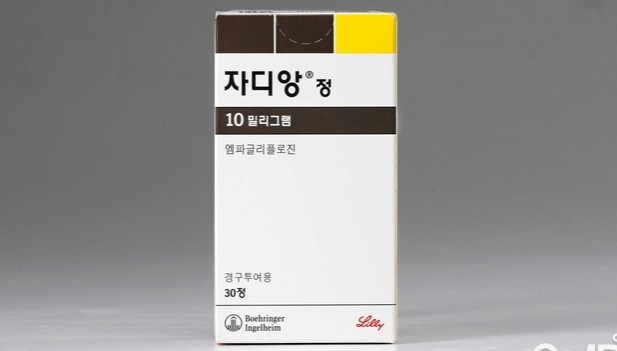
- Diabetes medications accounted for the largest share among drugs newly listed for National Health Insurance reimbursement coverage over the past year.Notably, the mass listing of triple combination therapies is accelerating a market shift centered on these multi-drug combinations that emphasize dosing convenience.Reviewing the HIRA reimbursement list on the 12th shows that new diabetes drug listings (classification code 396) surged from 1,723 to 1,976 items from 1,723 in January last year to 1,976 in January this year, representing an increase of approximately 14%.Among drugs newly covered over the past year, the increase in diabetes medications (classification code 396) is the most noticeable. (AI-generated image)The impact of Jardiance (empagliflozin, Boehringer Ingelheim) patent expiry was significant. Over 200 generics were listed around the expiry date last October and are still being added to the reimbursement list. Empagliflozin combination products, in particular, showed a noticeable increase.Previously, AstraZeneca decided to withdraw Forxiga (dapagliflozin) from the Korean market 2 years ago, generic competition intensified significantly. During that period, Jardiance also expanded its prescription volume by capturing market share vacated by Forxiga.This time, however, the focus shifted as a large number of generics entered Jardiance’s KRW 110 billion market, driving a rapid rise in reimbursed diabetes drug listings.Compared to January last year, the number of triple-combination diabetes drugs doubled. The number increased from 16 items in January last year to 32 items this January. Triple combinations featuring sitagliptin, metformin, and empagliflozin or dapagliflozin became mainstream.Following empagliflozin’s patent expiry, multiple new triple combinations have been introduced. Meanwhile, dapagliflozin-based products are expanding primarily through dose diversification within existing combination portfolios.Although dual combination therapies continue to grow, the segment already includes more than 1,000 products, resulting in intense market competition. Consequently, pharmaceutical companies are increasingly pursuing triple combination products as a competitive strategy. The number of triple-combination drugs entering the reimbursement list is expected to increase further this year.While the clinical rationale centers on multi-mechanism therapy and improved patient adherence, industry observers note that market share defense is also a significant factor driving this trend.Conversely, single-agent drugs like metformin showed a slight decline, further reflecting the market’s transition toward combination-based treatment strategies.
- Policy
- Will the acetaminophen shortage crisis end?
- by Lee, Tak-Sun Feb 12, 2026 06:32am
- AI-generated ImageThe shortage of acetaminophen (AAP)-based fever reducers and pain relievers during COVID-19 highlighted the necessity and urgency of domestic pharmaceutical production, or pharmaceutical localization.Following this crisis, the Ministry of Food and Drug Safety (MFDS) conducted a research project for the stable supply of essential medicines, achieving the complete domestic production of acetaminophen from active pharmaceutical ingredient (API) to finished dosage form.On the 10th, the MFDS approved Corepharm Bio’s ‘Coacet Tab 500mg’ (OTC).This product is an acetaminophen tablet and represents the first approved finished drug using a domestically developed API, which was manufactured by MFC.The Ministry of Food and Drug Safety designated acetaminophen (tablets and syrup) as a national essential drug in November 2023 and included the ingredient in its ‘National Essential Medicines Supply Stabilization Research Program’ to support the development of its manufacturing process control technologies for domestic production.The National Essential Medicines Supply Stabilization Research Program is a KRW 5 billion initiative to develop 10 domestically manufactured essential medicines.For the acetaminophen domestic production project, MFC was selected for the API manufacturing, and Corepharm Bio’s for the finished product.MFC completed development of the acetaminophen API last year and finalized its DMF (Drug Master File) registration. Corepharm Bio subsequently secured regulatory approval for the finished product using this API. Previously, APIs for acetaminophen tablets were entirely dependent on overseas sources.Analysis indicates that domestically produced acetaminophen APIs are more expensive per unit than imported alternatives, which historically made the commercialization of finished products challenging. Nevertheless, Corepharm Bio has completed receiving approval for its finished product and is in preparation for domestic market launch.Industry observers anticipate that finished products using domestic API will require sufficient drug pricing support to ensure a stable supply. Consequently, high pricing for this product is expected to be key to ensuring a stable supply.The Ministry of Health and Welfare decided last year to apply a 68% price premium to national essential medicines manufactured using domestically produced APIs. An industry official stated, “It's difficult to say that the development of domestic APIs will completely resolve supply instability. Continued pricing support and policy incentives are necessary to ensure companies can maintain stable production and supply.”
- Policy
- Alfacalcidol approvals increase with expansion of Prolia biosimilars
- by Lee, Tak-Sun Feb 11, 2026 08:09am
- AI-generated imageAs biosimilars for the osteoporosis treatment ‘Prolia (denosumab)’ continue to emerge, products containing the active ingredient alfacalcidol are also increasing.Denosumab-based osteoporosis therapies have effectively dominated the market due to their strong bone mineral density–enhancing effects and patient convenience, as they are administered via subcutaneous injection once every six months.However, because denosumab carries a risk of hypocalcemia, patients are required to take calcium and vitamin D supplements. As a result, the value of alfacalcidol, an “active form of vitamin D,” has also been increasing.According to the Ministry of Food and Drug Safety (MFDS), seven alfacalcidol products have been approved so far in 2026. As of February 9, a total of 42 alfacalcidol products have been approved, with 27 products (over 60%) receiving approval since 2025.Yuyu Pharma has emerged as a major contract manufacturer for alfacalcidol products. Meanwhile, YS Life Science, which has developed tablet formulations that are easier to swallow than capsules, is also expanding its contract manufacturing business. Notably, all three recently approved products are tablet formulations manufactured by YS Life Science.The recent increase in alfacalcidol product development is closely linked to the expansion of the denosumab biosimilar market. The compound patent for Prolia, which accounts for approximately KRW 1.7 trillion in annual market size in Korea, expired in March 2025.Following the patent expiration, Celltrion and Samsung Bioepis launched biosimilar products last year, and on February 4, HK inno.N received approval for its denosumab biosimilar, Izambia Prefilled Syringe. With the entry of additional biosimilars, the overall market size is expected to continue growing further.Denosumab inhibits osteoclast activity, thereby preventing bone destruction and increasing bone mineral density. It offers improved convenience in administration with a single subcutaneous injection every six months.However, because it strongly suppresses bone resorption, there is concern that it may increase the risk of hypocalcemia, particularly in patients with chronic kidney disease or those undergoing dialysis.In 2024, the U.S. Food and Drug Administration (FDA) added a boxed warning to the Prolia label regarding the increased risk of severe hypocalcemia in patients with advanced chronic kidney disease. This update, based on clinical data, has also been reflected in Korea’s label and indication as well.Accordingly, healthcare providers are advised to monitor patients for signs of hypocalcemia after Prolia administration and to prescribe calcium and vitamin D supplements concurrently.Alfacalcidol is an active form of vitamin D that does not require renal activation, offering the advantage of reduced burden on the kidneys. For this reason, it has been gaining attention as a complementary therapy to Prolia. The indications for alfacalcidol are: ▲ Improvement of symptoms associated with vitamin D metabolism disorders in chronic renal failure, hypoparathyroidism, and vitamin D-resistant rickets/osteomalacia; ▲ Osteoporosis.Looking ahead, alfacalcidol product development is expected to continue increasing through expanded contract manufacturing. An industry source commented, “As an over-the-counter drug, alfacalcidol faces no bioequivalence regulations, making contract manufacturing easy and straightforward. Coupled with the anticipated market expansion due to the emergence of denosumab biosimilars, it is expected to remain popular in the product development market for the foreseeable future.”
- Policy
- Concerns mount over push for 100-day listing of rare disease drugs
- by Jung, Heung-Jun Feb 11, 2026 08:08am
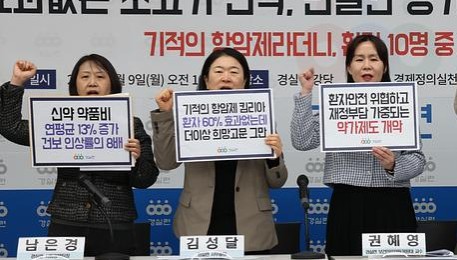
- Concerns are mounting over the government’s plan to list rare disease therapies within 100 days, with critics warning that the absence of concrete post-marketing evaluation measures could ultimately undermine the national health insurance system.Some point to the lack of sufficient social consensus in the drug pricing reform as the fundamental issue, arguing that a formal discussion body involving civil society groups, patient advocacy groups, and experts should be established before it is too late.On the 9th, the Citizens’ Coalition for Economic Justice (CCEJ), the Korean Pharmaceutical Association for a Healthy Society, and the Korea Severe Disease Association held a joint press conference to express their opposition to the fast-track listing of rare disease treatments.Even after the event, Dong-geun Lee, Vice President of the Korean Pharmacists' Association for Healthy Society, repeatedly stressed the problems inherent in pursuing fast-track listing without post-marketing evaluation measures.Lee emphasized, “It makes no sense to push ahead with the fast-track listing without a post-marketing evaluation plan in place. We have already conveyed our concerns, but the Ministry of Health and Welfare appears intent on proceeding according to a predetermined schedule.” He emphasized that post-marketing evaluation measures must be established first before any fast-track listing is pursued.The Korean Pharmacists' Association for a Healthy Society maintains that even if the timing of the drug pricing system reform plan, including expedited listing, is delayed, the potential side effects of the policy must be thoroughly examined.Lee said, “The February Health Insurance Policy Deliberation Committee (HIPDC) decision timeline was also arbitrarily set by the Ministry. Even if the schedule is pushed back, sufficient discussion is necessary. If there is even a draft plan for post-marketing evaluation, it should be disclosed so that meaningful dialogue can take place.”Lee also warned, “To make listing within 100 days possible, verification would have to be bypassed and prices approved as requested. That kind of timeline is only feasible for drugs exempt from negotiation or for generics. But based on what has been announced so far, rare disease therapies would effectively be eligible for listing without any additional hurdles.”Given that rare disease treatments often cost tens to hundreds of millions of won, critics argue that if a large number of previously unlisted products are approved, the additional financial burden could exceed one trillion won. Despite this, they say, the government has yet to present any clear plan for securing the necessary funding.The groups also insist that the results of performance-based evaluations for high-priced drugs should be transparently disclosed to patients. Some rare disease therapies already listed have failed to deliver the expected outcomes, and groups argue that this information must be transparently provided to patients.Lee said, “Although the ministry has met with patient groups, it appears to be merely notifying them of decisions already made and pushing the policy through. More discussion is needed with citizens, patient groups, and experts. Above all, the government must disclose its basic plans for post-marketing evaluation and funding.”The Korean Pharmacists' Association for Healthy Society, CCEJ, and patient groups are also continuing discussions on the effectiveness and potential problems surrounding the reform of the generic drug pricing system, suggesting that criticism of the broader drug pricing overhaul is likely to intensify further.
- Policy
- Opdivo voluntarily recalled due to metal particle contamination concern
- by Lee, Tak-Sun Feb 10, 2026 08:14am
- Opdivo (nivolumab, Ono Pharmaceutical Korea), an immuno-oncology drug used across multiple cancer indications, is being voluntarily recalled due to concerns over potential metallic particle contamination.The recall raises concerns over possible treatment disruptions for cancer patients.According to the Ministry of Food and Drug Safety (MFDS), as of the 6th, Opdivo Inj 20 mg, 100 mg, and 240 mg strengths are being voluntarily recalled after information indicating a risk of foreign matter contamination was identified.The recall was initiated after reports suggested the possible presence of fine metal particles attached to the inner surface of the rubber stopper on Opdivo vials.The company stated, “Opdivo is administered using an in-line filter (0.2–1.2 μm). While the potential for inflammation or metal hypersensitivity reactions is considered limited, we have requested that relevant wholesalers, hospitals, and clinics suspend use of the affected products.”MFDS reported the voluntary recall of the following lots: 8 lots of Opdivo Inj 20 mg (2341FA [2026-02-09], 2342FA [2026-03-15], 2342FB [2026-03-16], 2349FA [2026-10-12], 2448FA [2027-09-25], 2542FA [2028-03-03], 2542FB [2028-03-04], 2542FC [2028-03-04]); 13 lots of Opdivo Inj 100 mg (2342FA [2026-03-09], 2343FA [2026-04-24], 2343FB [2026-04-25], 2345FA [2026-06-08], 2345FB [2026-06-08], 2345FC [2026-06-11], 2443FA [2027-04-21], 2443FB [2027-04-22], 2450FA [2027-11-04], 2450FB [2027-11-04], 2542FA [2028-03-26], 2542FB [2028-03-27], 2545FA [2028-06-01]); and 6 lots of Opdivo Inj 240 mg (2343FA [2026-04-16], 2343FB [2026-04-17], 2343FC [2026-04-18], 2349FA [2026-10-23], 2349FB [2026-10-24], 2544FA [2028-05-21])Opdivo is an immune checkpoint inhibitor (PD-1 inhibitor) that prevents cancer cells from evading immune cells (T cells). It works by binding to the PD-1 receptor on the surface of T cells, blocking its interaction with the PD-L1/L2 ligands on cancer cells. This activates the T cells to attack the cancer cells. It is a fully human IgG4 monoclonal antibody.In Korea, Opdivo is reimbursed for indications including first-line gastric cancer, head and neck cancer, third-line or later relapsed/refractory Hodgkin lymphoma after autologous stem cell transplantation, and renal cell carcinoma in combination with Yervoy (ipilimumab). Reimbursement expansion is also being pursued for first-line non-small cell lung cancer and hepatocellular carcinoma.With increasing clinical use, Opdivo’s annual domestic sales are reported to exceed KRW 100 billion.Given that Opdivo is administered to cancer patients, concerns have been raised that the recall could lead to supply disruptions and treatment gaps. The incident is also expected to impact product trust.
- Policy
- Fast-track listing of "high-priced new drugs" raises concerns
- by Jung, Heung-Jun Feb 10, 2026 08:13am
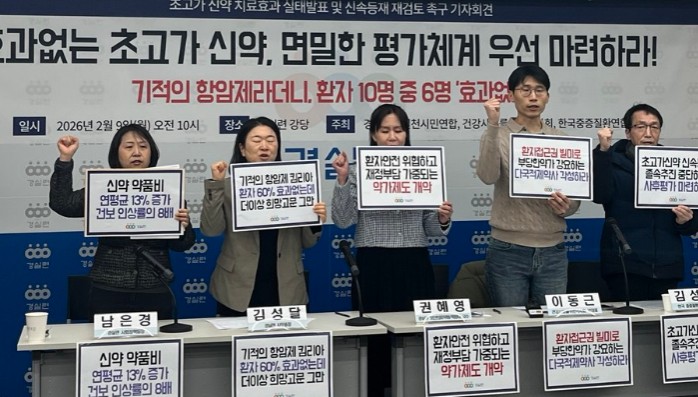
- The Citizens' Coalition for Economic Justice (CCEJ) has urged the government to reconsider the fast-track reimbursement policy for rare disease treatments.They are citing concerns that health insurance finances could be wasted on high-priced drugs with unverified efficacy.On the morning of the 9th, the CCEJ, joined by the Korean Pharmacists Associations and the Korea Severe Disease Association raised concerns about the government policy aimed at increasing treatment accessibility for rare diseases. On the 9th, the Citizens' Coalition for Economic Justice, joined by the Korean Pharmacists Associations and the Korea Severe Disease Association held a press conference to demand an immediate halt to the fast-track initiative for ultra-expensive new drugs. The groups argued that the government should prioritize establishing post-marketing evaluation measures over the hasty expansion of health insurance coverage for new drugs.These associations said, "The government announced a fast-track policy to reduce the reimbursement listing period from 240 days to 100 days to improve access," adding, "While the previous process required 150 days to review clinical utility and cost-effectiveness, the new plan bypasses these steps, completing the establishment of benefit criteria within a single month."They pointed out that this effectively eliminates the need to verify a drug’s clinical value. They also condemned the plan to reference the average listed prices of eight major countries (A8) to determine drug costs."While prices were previously negotiated over 60 days based on a drug's value, the reform aims to decide prices within a month based on overseas list prices, which are often inflated compared to actual transaction costs," they stated, "This is likely to reflect the high prices desired by pharmaceutical companies." Performance Evaluation Results (HIRA) for High-priced Medicines. 1. Evrysdi POS (risdiplam), 2. Spinraza Injection(nusinersen), 3. Luxturna injection (voretigene neparvovec), 4. Kymriah Inj (tisagenlecleucel), 5. Zolgensma injection (onasemnogene abeparvovec).Furthermore, they also raised concerns about waste of health insurance funds based on the results of survey on the status of the effectiveness of high-priced new drugs.The organizations based their criticism on HIRA's performance evaluation data for the 5 ingredients of 8 high-priced drugs under the performance-based Risk Sharing Arrangement (RSA).According to data provided by HIRA to Representative Seo Young-seok's office, even Kymriah, so-called a 'miracle' treatment, showed that 59.1% of treated patients did not achieve the expected therapeutic effect. The organizations estimated that this led to approximately KRW 76.6 billion in unnecessary health insurance drug expenditures.Additionally, Spinraza (nusinersen) and Luxturna (voretigene neparvovec) also recorded a 50% failure rate in meeting performance evaluation standards."Over half of the patients who were treated with Spinraza and Luxturna, despite being subject to a 'prior approval system' that audits patient eligibility before administration," and added, "Based on the results from the French health authorities evaluating ultra-expensive drugs on the Korean market, 54% of the list showed either no or only marginal efficacy improvements compared to existing therapies."They estimated that if 53 of the 77 rare disease drugs currently awaiting reimbursement are listed under the new 100-day 'fast-track' rule, it would require an additional KRW 1.5 trillion in insurance funding. They criticized the government for essentially 'blinding' the evaluation system by skipping clinical and economic feasibility checks and relying on the 'price bubble' of major foreign (A8) listed prices.To address these issues, the organizations demanded ▲full public disclosure of all new drug efficacy evaluations ▲establishment of a specified post-marketing evaluation measure ▲establishment of financial management for new drugs ▲establishment of a social discussion body.They stated, "Policies that subject people to potential clinical test subjects with unwarranted efficacy must be halted. We urge the government to secure justification and safety of the policy through social discussions, rather than a closed administrative action. The government must now establish a transparent and fair social discussion body."

- Policy
- MOHW ‘Limited impact’ vs Industry ‘₩3 trillion loss’
- by Lee, Jeong-Hwan Feb 09, 2026 07:33am
- Calls are growing for the Ministry of Health and Welfare (MOHW) to begin public–private consultations based on the results of its internal analysis of the impact of generic drug price cuts.The ministry is said to have concluded, based on its own quantitative analysis of the impact on each pharmaceutical company when drug price cuts are implemented, that the industry’s estimated losses of up to KRW 3 trillion resulting from the price cuts are inaccurate. However, the Ministry has not publicly disclosed the simulation results, drawing criticism from the pharmaceutical industry.The pharmaceutical industry maintains that the government should transparently disclose the results and analytical criteria of its own drug price reduction simulations and begin discussions on policy revisions directly with the pharmaceutical industry, the primary stakeholders. Attention is focused on whether the MOHW will accept this request.According to government and industry sources on the 6th, the MOHW began internal simulations to assess the impact of price reductions for already-listed generic drugs, a key element of the drug pricing reform plan announced on November 28 last year.Sources say the Ministry's simulation results show a significantly lower figure than the pharmaceutical industry's claim of ‘up to KRW 3 trillion in sales losses’.The Ministry of Health and Welfare's own analysis indicates that the projected revenue loss from drug price reductions per pharmaceutical company, calculated using the current 53.55% generic drug reimbursement rate and the discount/preferential rates to be applied during the drug pricing system reform (based on factors like each company's R&D expenditure relative to sales), falls significantly short of the industry's own estimates.The pharmaceutical industry fears that, based on these results, the MOHW will continue its stance that it can push through the previously announced reform plan with minimal changes, relying on its own simulation findings.Consequently, multiple pharmaceutical companies are raising the need for public-private discussions regarding the ministry’s simulation results.The argument is that implementing such a major drug price overhaul, the first in approximately 14 years since the 2012 blanket price reduction, without proper consultation procedures, finalizing and enforcing it just three months after announcement, constitutes excessive infringement on the industry’s right to express its views.In particular, industry stakeholders dispute the ministry’s claim that companies certified as innovative pharmaceutical companies or those with high R&D-to-sales ratios would be exempt from the negative impact of price cuts.The argument is that after the price reform, companies that have invested heavily to obtain innovative-company certification or to develop and manufacture high-quality generics may see little to no preferential treatment compared with those with low investment and those that merely contract manufacturing generics. In the worst cases, there could even be a reversal where profits decrease compared to non-investing companies.With the positions of the MOHW and pharmaceutical companies sharply at odds over the same reform proposal, attention is turning to whether public–private consultations can take place ahead of the plan’s submission and deliberation at the Health Insurance Policy Deliberation Committee later this month.A pricing manager at domestic pharmaceutical company A stated, “The Ministry of Health and Welfare validated its drug price reform plan based on its own simulation of pharmaceutical companies' sales losses from price cuts, yet it hasn't actually disclosed the simulation criteria or results. Only by initiating mutual discussions with pharmaceutical companies centered on the government’s analysis results would we be able to move closer to a reform that minimizes conflict.”A pricing manager from another pharmaceutical company, B, also pointed out, “The Ministry should fully incorporate the specific positions of direct stakeholders like pharmaceutical companies regarding the problems with the drug price reduction system, but so far, the Ministry hasn't been taking an active stance toward gathering opinions. The government and the industry may be using entirely different indicators to calculate the impact of price cuts. Without sharing the raw data, meaningful consultation is impossible.”He added, “Even R&D-focused or innovative pharmaceutical companies report that, based on their own simulations, the ministry’s proposed price cuts would not provide real preferential benefits and could even push operating profits into deficit. There is serious concern that this reform plan, which could undermine the will to contribute to new drug development and solving supply instability issues, might be finalized and enforced without modification.”
- Policy
- AbbVie’s Parkinson’s drug receives orphan drug designation in Korea
- by Lee, Tak-Sun Feb 09, 2026 07:32am
- A new Parkinson's disease treatment drug approved by the U.S. Food and Drug Administration (FDA) has been designated as an orphan drug in Korea.As orphan drug designation enables expedited review, potentially shortening the approval timeline, expectations are rising for the drug’s earlier commercialization.According to the Ministry of Food and Drug Safety (MFDS), the foscarbidopa/foslevodopa injection was officially designated as an orphan drug on February 3.The drug is indicated for adults with advanced Parkinson’s disease who experience severe motor fluctuations that are not adequately controlled with existing Parkinson’s therapies.The foscarbidopa/foslevodopa injection mentioned by the MFDS was Vyalev, AbbVie’s Parkinson’s drug approved by the FDA in 2024.Vyalev is the first and only 24-hour levodopa-based continuous subcutaneous infusion for treating motor fluctuations in adults with advanced Parkinson's disease.Patients with advanced Parkinson’s disease often struggle to manage motor fluctuations. Vyalev offers the benefit of continuous symptom control through continuous 24-hour drug delivery.In particular, the therapy is expected to reduce the number of times when the effect of oral medications wears off, and movement becomes difficult, thereby offering a new treatment option that can meaningfully improve quality of life for patients with advanced Parkinson’s disease.In October last year, Korea Parkinson’s Hope Alliance held a press conference urging the introduction of Vyalev in Korea. Although Vyalev has already been launched in 35 countries, including the United States, Europe, and Japan, it has not yet received formal approval in Korea.Once designated as an orphan drug, a product becomes eligible for conditional approval, reduced regulatory fees, exemptions from certain bridging data requirements, and priority review, all of which streamline the regulatory process and accelerate approval. Therefore, attention is now focused on whether this orphan drug designation will accelerate Vyalev’s introduction into the domestic market.Recently, the MFDS has relaxed orphan drug designation requirements, lowering the regulatory threshold. Previously, applicants were required to submit data demonstrating improved efficacy over alternative therapies, but under the revised criteria, such data are no longer mandatory for orphan drug designation.

- Policy
- HIRA to reinforce staff for post-listing evaluation
- by Jung, Heung-Jun Feb 06, 2026 06:43am
- The Health Insurance Review and Assessment Service (HIRA) has begun reinforcing post-listing evaluation by expanding personnel and restructuring its organization in preparation for shortened listing timelines for rare disease drugs.The existing Pharmaceutical Performance Assessment Department has been reorganized into the Rare & Severe Disease Pharmaceutical Performance Assessment Department within the Health Insurance Innovation Center, accompanied by staffing reinforcements.As evaluation procedures must be streamlined to shorten listing periods, post-listing assessment of clinical outcomes will be intensified.On the afternoon of the 4th, HIRA President Jung-gu Kang explained the plan to shorten the listing period for rare disease treatments, included in the proposed drug pricing reform plan, during a briefing with press corps reporters.The drug pricing reform plan reported to the Health Insurance Policy Deliberation Committee (HIPDC) in January includes a policy to enable fast-track reimbursement listing of rare disease drugs within 100 days.Kang stated, “We will simplify reimbursement appropriateness evaluation and negotiation procedures to shorten listing timelines and improve patient access. Conversely, to strengthen post-listing evaluation and ensure internal scalability, we have reorganized the existing Pharmaceutical Performance Assessment Department into the Rare & Severe Disease Pharmaceutical Performance Assessment Department within the Health Insurance Innovation Center and increased staffing.”In the first half of this year, HIRA also plans to commission research projects aimed at establishing cost-effectiveness evaluation criteria for new drugs.Kang said, “Through these research projects, we will develop an ICER threshold and adjustment framework suited to the Korean context, thereby building a rational and sustainable cost-effectiveness evaluation system.”Furthermore, to strengthen post-market evaluation for new drugs with unclear clinical evidence, plans are underway to utilize Real-World Data (RWD) and Real-World Evidence (RWE).Guidelines were developed based on the results of a research project conducted from March to November last year. Currently, registries for 12 drugs are being established to conduct performance assessments.The drugs under evaluation include Kymriah, Zolgensma, Spinraza, Evrysdi dry syrup, Luxturna, Qarziba, Bylvay capsules, Livmarli oral solution, Ilaris, Pemazyre, Zepzelca, and Isturisa film-coated tablets.Kang stated, “We revised detailed evaluation criteria to establish a solid foundation that enables outcome assessment using RWD. We will enhance the utilization of RWE generation guidelines, systematically manage registry quality to continuously verify clinical value, and strive to ensure patient safety.”Advancing health insurance payment reform… reviewing introducing a parallel fee scheduleBeyond drug-related issues, HIRA also outlined plans to develop a roadmap for reforming the national health insurance payment system. HIRA is reviewing a parallel payment model that combines fee-for-service and diagnosis-related group (DRG) payment system.For example, fee-for-service reimbursement would be maintained for physicians’ specialized surgical procedures and interventions, while hospital system usage fees, such as hospitalization charges or examination fees, would be compensated under a bundled payment system by DRG.HIRA also plans to further refine the Clinical Practice Evaluation Panel (CPEP) system, which precisely measures physician effort and equipment costs associated with individual medical services. The goal is to reassess and appropriately revalue services that have been historically undervalued.Kang explained, “Based on research recommendations, we are reviewing relative value payment reforms, including further refinement of CPEP to reform the current fee-for-service system. We are also considering the introduction of parallel payment models in relation to bundled payments.”He added, “We will shorten the cycle of the relative value score adjustment structure, which is a national policy task, and ultimately transition to a continuous adjustment system. This will help break away from the structure where profits increase only by performing many tests, and instead support a more realistic and sustainable reimbursement system.”
