- LOGIN
- MemberShip
- 2026-05-23 08:43:10
- [Reporter’s View] Beyond Korea's drug pricing reform
- by Lee, Jeong-Hwan | translator Alice Kang | 2026-05-22 10:25:17

The government has finalized implementation of a drug pricing system reform plan centered on applying a 45% pricing rate for generics and granting pricing incentives to innovative pharmaceutical companies, quasi-innovative pharmaceutical companies, and companies contributing to the stable supply of essential medicines. However, the tasks needed to maximize the effects of the reform and minimize side effects remain unfinished.
Fortunately, the ruling party and the government appear to have immediately begun work on preparing the “next-level” administrative and legislative specifics needed to create synergy with the drug pricing reform.
The direction is clear: Korea must break away from and reform the abnormal multi-product generic structure in which hundreds of products are approved for a single ingredient, leading the market to be mired in distorted promotional competition—specifically, illegal rebate competition—rather than competition based on product quality.
The specific policy goal of the ruling party and the government is to broadly gather opinions from the pharmaceutical industry, professional organizations, and academia to reduce or abolish the currently permitted 1+3 contract-based joint bioequivalence system for generics, while also overhauling the pharmaceutical industry structure that abuses contract sales organizations (CSOs) to distribute illegal rebates.
This is a necessary policy shift for Korea’s pharmaceutical industry to move beyond domestic generic drug sales competition and evolve into a nation capable of developing blockbuster new drugs that dominate the global market.
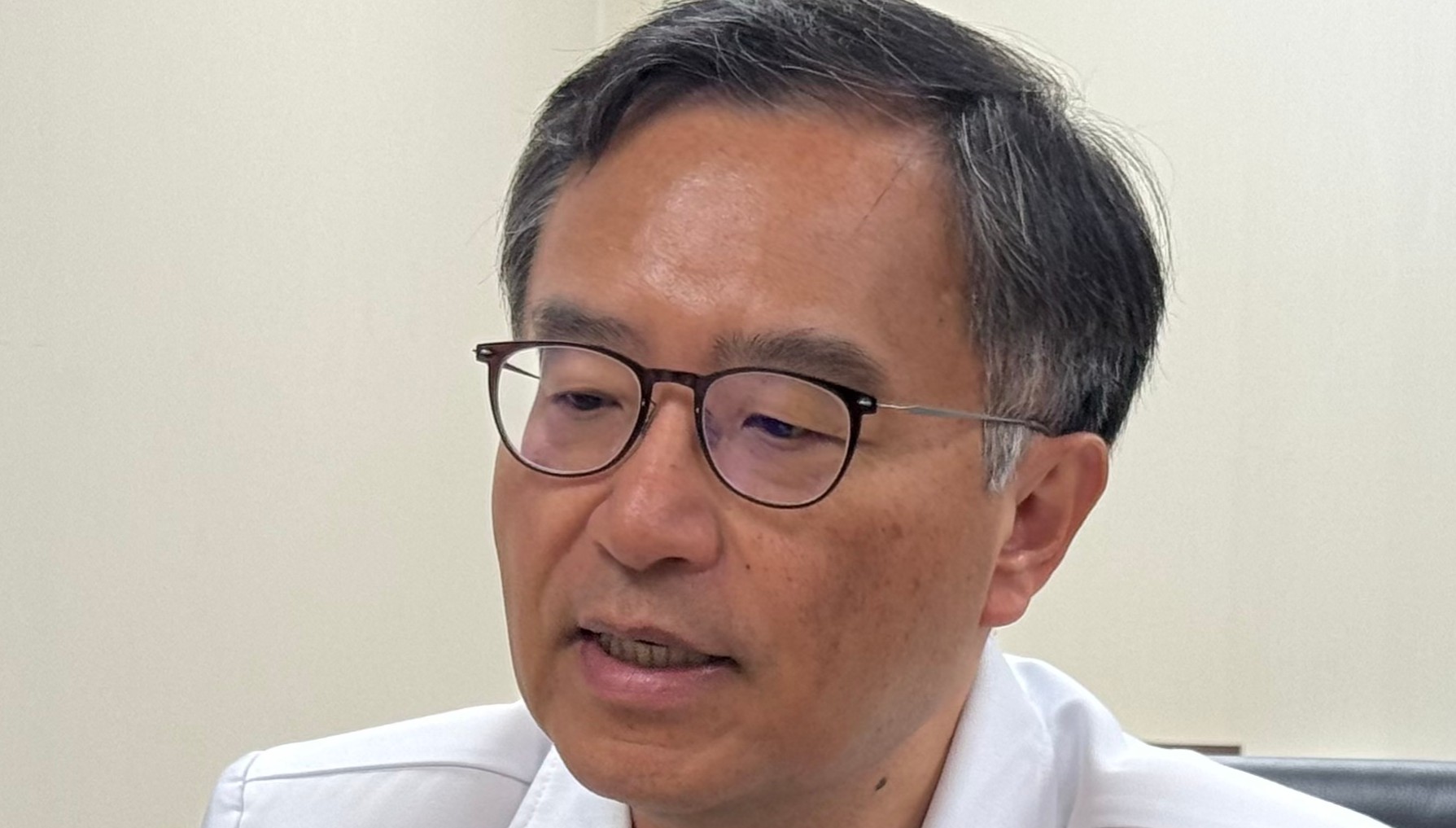
Jae-hyun Lee, head of the Korea Regulatory Affairs Professional Society and an expert in drug approval regulations and health policy, criticized the 1+3 joint bioequivalence system as “a deformed system that cannot be found anywhere else in the world and the main culprit behind the proliferation of generics in Korea,” calling on the government to seriously reflect and change course.
Lee said, “The domestic regulatory system itself, which grants product approval through joint bioequivalence, makes no sense. Even a 1+1 system, which would allow one contract manufacturer to grant approval rights to only one consignment company, is unreasonable. Korea needs to shift to a single-generic per product policy by abolishing consignment bioequivalence testing and eliminating identical generics.”
Won-jun Cho, Senior Policy Advisor for Health and Medical Policy for the Democratic Party of Korea and the Director of the Party’s Policy Committee, also assessed that the Ministry of Health and Welfare’s planned drug pricing reform can land smoothly without distortion only if if the government actively considers abolishing consignment bioequivalence testing and simultaneously imposes strict regulations on CSOs, which are used as a means for illegal rebates.
Cho said, “To maximize the effects of the drug pricing reform for real pharmaceutical companies leading innovation, quasi-innovation, and stable supply, we must eliminate ‘free-riding’ pharmaceutical companies and paper companies that contribute little to the pharmaceutical industry or national development and are solely focused on rebate-driven promotion and sales from generics approved via consignment bioequivalence studies. Together with the government, we will also pursue regulations against pharmaceutical companies and problematic CSOs that damage the sound distribution order of medicines by colluding with certain medical institutions to provide indirect rebates through CSOs, as well as substandard CSOs.”
In other words, academia, the government, and the ruling party share the view that unresolved issues long left unattended must now be actively addressed following the implementation of the drug pricing reform.
Accordingly, the government (Ministry of Health and Welfare and the Ministry of Food and Drug Safety), academia, and the National Assembly led by the ruling party are expected to take immediate legislative and administrative measures regarding the drug approval system and CSO regulations in the near future.
The reason Korea needs to review the reduction or abolition of the 1+3 joint bioequivalence system from multiple angles is that it directly conflicts with the philosophy of the newly revised drug pricing system. It is difficult to establish a logical basis for guaranteeing the same drug price to consignment generic companies that have no production infrastructure or research personnel and simply resell drugs made by others under a different brand name, using only sales networks. After multiple rounds of gathering opinions from the pharmaceutical industry, the government needs to assess the utility and limitations of the consignment bioequivalence system and make a reasonable administrative decision.
Furthermore, the success of the drug pricing reform plan also requires eliminating the illegal CSO rebate structure, which serves as a distorted business practice for some generic drug companies. In a situation where the products themselves have virtually no competitive edge, some generic drug companies currently rely on distributing rebates to doctors to induce prescriptions, and this must be stopped. Regulatory standards must be tightened to ensure that CSOs are no longer used as scapegoats.
It is time to consider introducing a dual-penalty system that clearly links illegal rebate liability between pharmaceutical companies and CSOs, while also strengthening penalties for doctors who receive rebates to a level sufficient to restore market order. This is because drug price cuts alone cannot completely block the flow of illicit funds into illegal business practices.
The Ministry of Health and Welfare’s drug pricing reform is the first step toward innovation in the pharmaceutical industry. Unless the National Assembly enacts legislation to eliminate unreasonable systems and health authorities follow up with aggressive measures, there is a risk that this reform plan will remain just another unfinished policy. To ensure that the principles of “removing free riders” and “rewarding innovation” become firmly rooted in the market, the 22nd National Assembly and the government must act without delay.
-

- 0
댓글 운영방식은
댓글은 실명게재와 익명게재 방식이 있으며, 실명은 이름과 아이디가 노출됩니다. 익명은 필명으로 등록 가능하며, 대댓글은 익명으로 등록 가능합니다.
댓글 노출방식은
댓글 명예자문위원(팜-코니언-필기모양 아이콘)으로 위촉된 데일리팜 회원의 댓글은 ‘게시판형 보기’와 ’펼쳐보기형’ 리스트에서 항상 최상단에 노출됩니다. 새로운 댓글을 올리는 일반회원은 ‘게시판형’과 ‘펼쳐보기형’ 모두 팜코니언 회원이 쓴 댓글의 하단에 실시간 노출됩니다.
댓글의 삭제 기준은
다음의 경우 사전 통보없이 삭제하고 아이디 이용정지 또는 영구 가입제한이 될 수도 있습니다.
-
저작권·인격권 등 타인의 권리를 침해하는 경우
상용 프로그램의 등록과 게재, 배포를 안내하는 게시물
타인 또는 제3자의 저작권 및 기타 권리를 침해한 내용을 담은 게시물
-
근거 없는 비방·명예를 훼손하는 게시물
특정 이용자 및 개인에 대한 인신 공격적인 내용의 글 및 직접적인 욕설이 사용된 경우
특정 지역 및 종교간의 감정대립을 조장하는 내용
사실 확인이 안된 소문을 유포 시키는 경우
욕설과 비어, 속어를 담은 내용
정당법 및 공직선거법, 관계 법령에 저촉되는 경우(선관위 요청 시 즉시 삭제)
특정 지역이나 단체를 비하하는 경우
특정인의 명예를 훼손하여 해당인이 삭제를 요청하는 경우
특정인의 개인정보(주민등록번호, 전화, 상세주소 등)를 무단으로 게시하는 경우
타인의 ID 혹은 닉네임을 도용하는 경우
-
게시판 특성상 제한되는 내용
서비스 주제와 맞지 않는 내용의 글을 게재한 경우
동일 내용의 연속 게재 및 여러 기사에 중복 게재한 경우
부분적으로 변경하여 반복 게재하는 경우도 포함
제목과 관련 없는 내용의 게시물, 제목과 본문이 무관한 경우
돈벌기 및 직·간접 상업적 목적의 내용이 포함된 게시물
게시물 읽기 유도 등을 위해 내용과 무관한 제목을 사용한 경우
-
수사기관 등의 공식적인 요청이 있는 경우
-
기타사항
각 서비스의 필요성에 따라 미리 공지한 경우
기타 법률에 저촉되는 정보 게재를 목적으로 할 경우
기타 원만한 운영을 위해 운영자가 필요하다고 판단되는 내용
-
사실 관계 확인 후 삭제
저작권자로부터 허락받지 않은 내용을 무단 게재, 복제, 배포하는 경우
타인의 초상권을 침해하거나 개인정보를 유출하는 경우
당사에 제공한 이용자의 정보가 허위인 경우 (타인의 ID, 비밀번호 도용 등)
※이상의 내용중 일부 사항에 적용될 경우 이용약관 및 관련 법률에 의해 제재를 받으실 수도 있으며, 민·형사상 처벌을 받을 수도 있습니다.
※위에 명시되지 않은 내용이더라도 불법적인 내용으로 판단되거나 데일리팜 서비스에 바람직하지 않다고 판단되는 경우는 선 조치 이후 본 관리 기준을 수정 공시하겠습니다.
※기타 문의 사항은 데일리팜 운영자에게 연락주십시오. 메일 주소는 dailypharm@dailypharm.com입니다.