- LOGIN
- MemberShip
- 2026-05-16 01:31:08
- Anti-ulcer market fluctuates from impurity risk aftermath
- by Chon, Seung-Hyun | translator Byun Kyung A | 2019-12-19 06:41:49
Apparently, the anti-ulcer treatment market is still shaken with the impurity contamination risk.
The market volume of nizatidine drugs, with a recent discovery of impurity exceeding an acceptable level, subsided within a month.
A several cases of impurity found in products brought down the H2 receptor antagonist prescription volume, but rather pushed up the proton-pump inhibitors (PPI) prescription volume.
Among PPI class drugs, esomeprazole has been the strongest in the market.
On Dec.
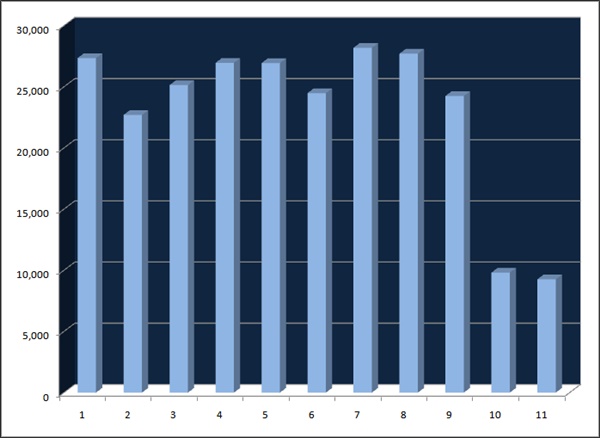
18, pharmaceutical industry research firm UBIST reported the outpatient prescription volume of H2 receptor antagonist last month marked 9.3 billion won with a 5.6-percent decrease from the month before.
Immediately after the sales ban on ranitidine, the prescription volume of the medicine has plunged to 40 percent level and the descending trend line continued to last month.
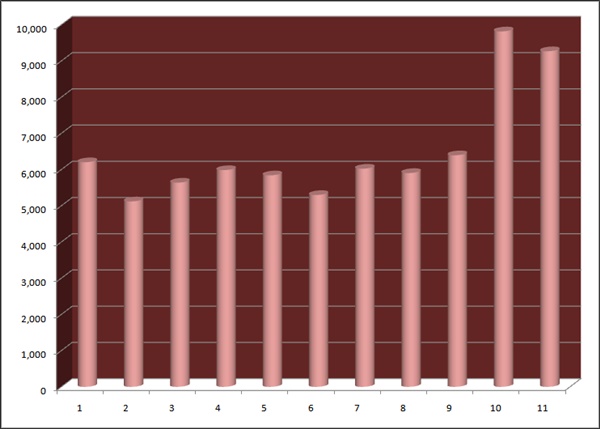
The H2 receptor antagonist prescription volume, except ranitidine, skyrocketed from 6.4 billion won in September to 9.8 billion won in October by 53.5 percent.
As most of ranitidine prescriptions were switched to other H2 receptor antagonist substance, the general market volume also expanded.
But the H2 receptor antagonist prescription volume went down only in a month.
Specifically, the nizatidine drugs took a noticeable fall.
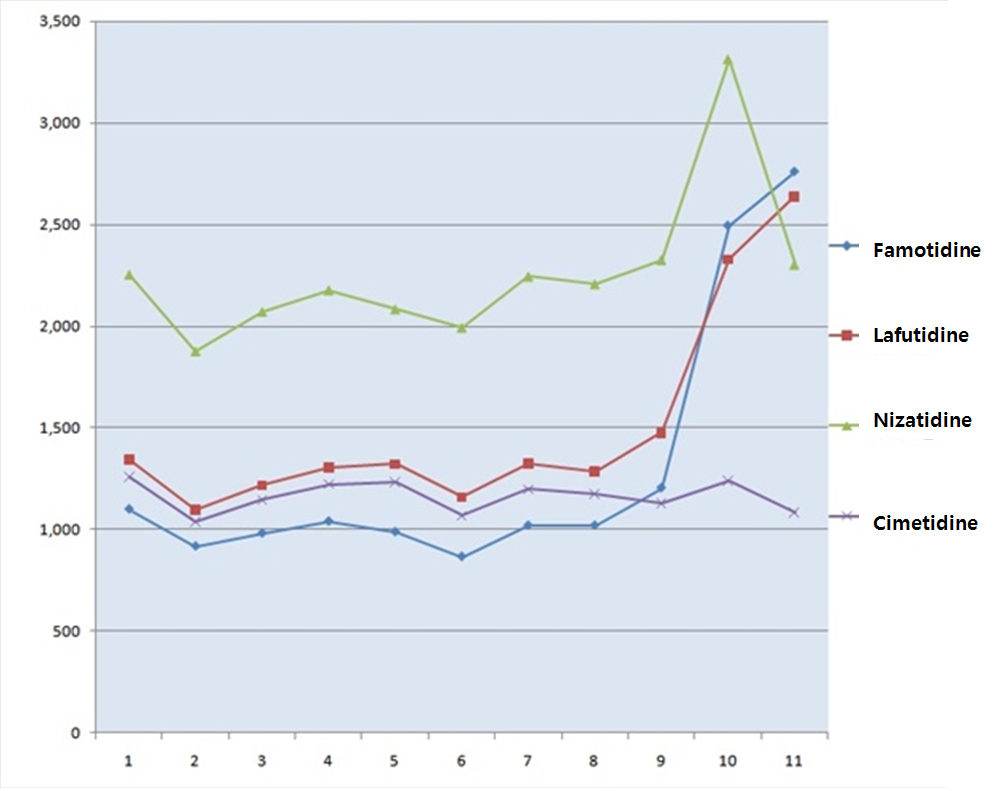
When ranitidine drugs were banned, nizatidine drugs’ perception soared by 42.5 percent from September to October.
But merely in a month, the volume went back down to the September volume.
The fall was affected by the discovery of impurity in some of the items.
On Nov.
22, Ministry of Food and Drug Safety (MFDS) found unacceptable level of cancer-causing N-nitrosodimethylamine (NDMA) in nizatidine-containing drugs, and banned sales on 13 items.
Unlike ranitidine, only some of nizatidine drugs were banned.
Doctors could choose other nizatidine-containing items other than the banned ones, but they started prescribing other options due to unsettling risk of the substance.
Benefitting from the sales ban on ranitidine and nizatidine drugs, famotidine and lafutidine drug prescription volumes reached their highest peak.
Famotidine prescription volume doubled in October from the previous month, and was increased by 10.6 percent from October to November as well.
Whereas lafutidine prescription volume reached 2.6 billion won, increased by 13.3 percent from the previous month and reached its peak.
Cimetidine’s prescription volume was at 1.1 billion won last month and took a slight fall.
Insufficient supply of active ingredient depleted stock and was excluded the drugs from the impurity risk benefit.
Drugs in PPI class maintained a positive trend line last month as well.
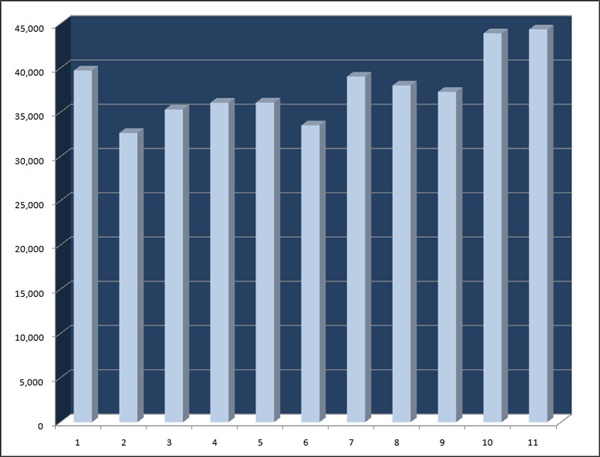
Last month, PPI-class treatments had outpatient prescription volume of 42.2 billion won with an increase of 1.0 percent from the previous year and recorded the highest volume of the year.
In September, the volume reached 37.3 billion won and had a 17.7-percent surge in a month.
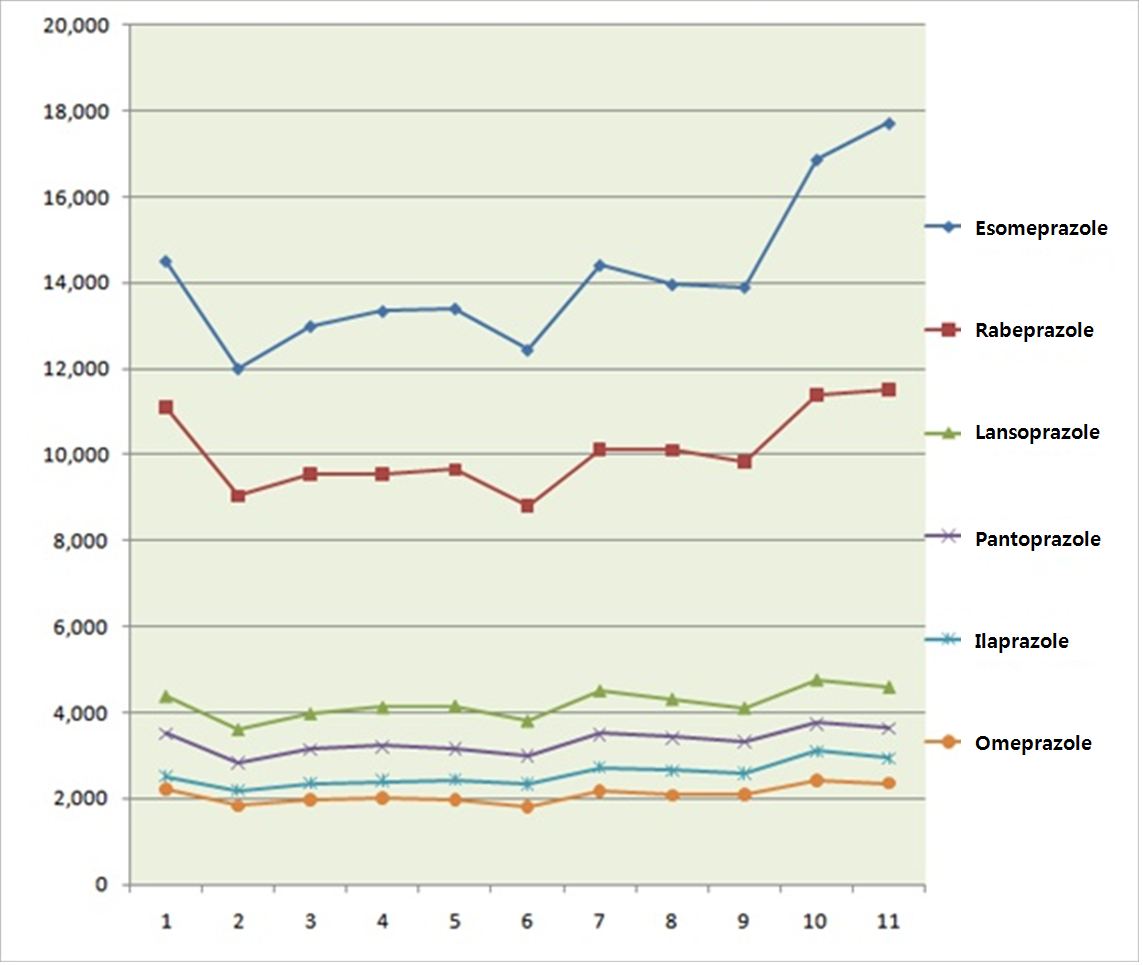
Last year, the drug’s outpatient prescription volume grew by 5.0 percent in a month and reached 17.7 billion won.
After making an increase of 21.3 percent from September to October, the drug’s prescription volume was expanded even more.
Esomeprazole prescription volume last month soared by 27.4 percent from September.
As of November, esomeprazole dominated 40.0 percent of the PPI medicine market.
It could be interpreted that the doctors have switched from ranitidine and nizatidine to esomeprazole as they prefer the medicine the most within the PPI class.
Rabeprazole’s prescription volume in last month went up by 1.2 percent from the month before, but lansoprazole, pantoprazole, ilaprazole and omeprazole’s prescription volume in November were dropped by a little than in October.
But in general, the said PPI-class medicines had more than a ten-percent surge from September, benefitting from the impurity contamination risk.
-

- 0
댓글 운영방식은
댓글은 실명게재와 익명게재 방식이 있으며, 실명은 이름과 아이디가 노출됩니다. 익명은 필명으로 등록 가능하며, 대댓글은 익명으로 등록 가능합니다.
댓글 노출방식은
댓글 명예자문위원(팜-코니언-필기모양 아이콘)으로 위촉된 데일리팜 회원의 댓글은 ‘게시판형 보기’와 ’펼쳐보기형’ 리스트에서 항상 최상단에 노출됩니다. 새로운 댓글을 올리는 일반회원은 ‘게시판형’과 ‘펼쳐보기형’ 모두 팜코니언 회원이 쓴 댓글의 하단에 실시간 노출됩니다.
댓글의 삭제 기준은
다음의 경우 사전 통보없이 삭제하고 아이디 이용정지 또는 영구 가입제한이 될 수도 있습니다.
-
저작권·인격권 등 타인의 권리를 침해하는 경우
상용 프로그램의 등록과 게재, 배포를 안내하는 게시물
타인 또는 제3자의 저작권 및 기타 권리를 침해한 내용을 담은 게시물
-
근거 없는 비방·명예를 훼손하는 게시물
특정 이용자 및 개인에 대한 인신 공격적인 내용의 글 및 직접적인 욕설이 사용된 경우
특정 지역 및 종교간의 감정대립을 조장하는 내용
사실 확인이 안된 소문을 유포 시키는 경우
욕설과 비어, 속어를 담은 내용
정당법 및 공직선거법, 관계 법령에 저촉되는 경우(선관위 요청 시 즉시 삭제)
특정 지역이나 단체를 비하하는 경우
특정인의 명예를 훼손하여 해당인이 삭제를 요청하는 경우
특정인의 개인정보(주민등록번호, 전화, 상세주소 등)를 무단으로 게시하는 경우
타인의 ID 혹은 닉네임을 도용하는 경우
-
게시판 특성상 제한되는 내용
서비스 주제와 맞지 않는 내용의 글을 게재한 경우
동일 내용의 연속 게재 및 여러 기사에 중복 게재한 경우
부분적으로 변경하여 반복 게재하는 경우도 포함
제목과 관련 없는 내용의 게시물, 제목과 본문이 무관한 경우
돈벌기 및 직·간접 상업적 목적의 내용이 포함된 게시물
게시물 읽기 유도 등을 위해 내용과 무관한 제목을 사용한 경우
-
수사기관 등의 공식적인 요청이 있는 경우
-
기타사항
각 서비스의 필요성에 따라 미리 공지한 경우
기타 법률에 저촉되는 정보 게재를 목적으로 할 경우
기타 원만한 운영을 위해 운영자가 필요하다고 판단되는 내용
-
사실 관계 확인 후 삭제
저작권자로부터 허락받지 않은 내용을 무단 게재, 복제, 배포하는 경우
타인의 초상권을 침해하거나 개인정보를 유출하는 경우
당사에 제공한 이용자의 정보가 허위인 경우 (타인의 ID, 비밀번호 도용 등)
※이상의 내용중 일부 사항에 적용될 경우 이용약관 및 관련 법률에 의해 제재를 받으실 수도 있으며, 민·형사상 처벌을 받을 수도 있습니다.
※위에 명시되지 않은 내용이더라도 불법적인 내용으로 판단되거나 데일리팜 서비스에 바람직하지 않다고 판단되는 경우는 선 조치 이후 본 관리 기준을 수정 공시하겠습니다.
※기타 문의 사항은 데일리팜 운영자에게 연락주십시오. 메일 주소는 dailypharm@dailypharm.com입니다.
- [Reporter's View] The dark side of improved diabetes med convenience
- Reporter's view | Son, Hyung Min

- [Reporter's View] Contradiction of "K-passing" and a new drug powerhouse
- Reporter's view | Lee, Jeong-Hwan