- LOGIN
- MemberShip
- 2026-09-23 02:37:18
- RPE stem cells may address the cause of AMD
- by | translator Alice Kang | 2025-05-12 05:58:23
What if damaged human tissues and organs could be “restored”?
If severed spinal cords could be reconnected, and eyes that have lost their sight could once again detect light on their own.
The technology to revive human tissues that have lost their function has been a long-standing aspiration of humanity.
Tissue regeneration using stem cells is considered the key to opening this new frontier in treatment.
Stem cells are cells that possess both self-replication and differentiation capabilities.
They can not only replicate themselves infinitely but also transform into various types of cells in the body as needed, making them a focal point in regenerative medicine.
However, despite the high expectations for stem cells, there is prevalent skepticism both within and outside the academic community.
This is due to the limited number of cases where its therapeutic efficacy has been clearly demonstrated, as well as unresolved challenges such as long-term safety and the potential for tumor formation.
In Korea, stem cell technology has often been labeled as the “technology of doubt” since the 2005 scandal involving the fabrication of research papers by Woo Suk Hwang.
Despite this, some companies continue to believe in the potential of this technology and are actively pursuing its development.
One such company is Biotechnology.
Luxa is a U.S.
joint venture established in 2019 by Y2 Solution and Neural Stem Cell Institute (NSCI), the first independent stem cell research institute in the U.S.
Luxa is currently developing “RPESC-RPE-4W,” a candidate drug for the treatment of dry age-related macular degeneration using retinal pigment epithelial stem cell (RPESC).
Luxa's Chief Scientific Officer is Dr.
Sally Temple, co-founder of Luxa and co-founder of NSCI.
Dr.
Temple is a world-renowned authority in the field of stem cells, having first identified neural stem cells in the adult central nervous system.
Dr.
Jeffrey Stern is Dr.
Temple's spouse and a retina specialist ophthalmologist who co-founded NSCI with her, and is jointly leading the development of stem cell-based therapies.
Dr.
Keith Dionne is also a key member of Luxa's executive team.
Dr.
Dion is a seasoned executive with over 20 years of experience in the biotechnology industry, having served as CEO of four biotechnology companies, including Alantos Pharmaceuticals, Surface Logix, Constellation Pharmaceuticals, and Casma Therapeutics, where he led the growth and mergers and acquisitions (M&A) of these companies.
Dr.
Dion currently leads the company as co-CEO.
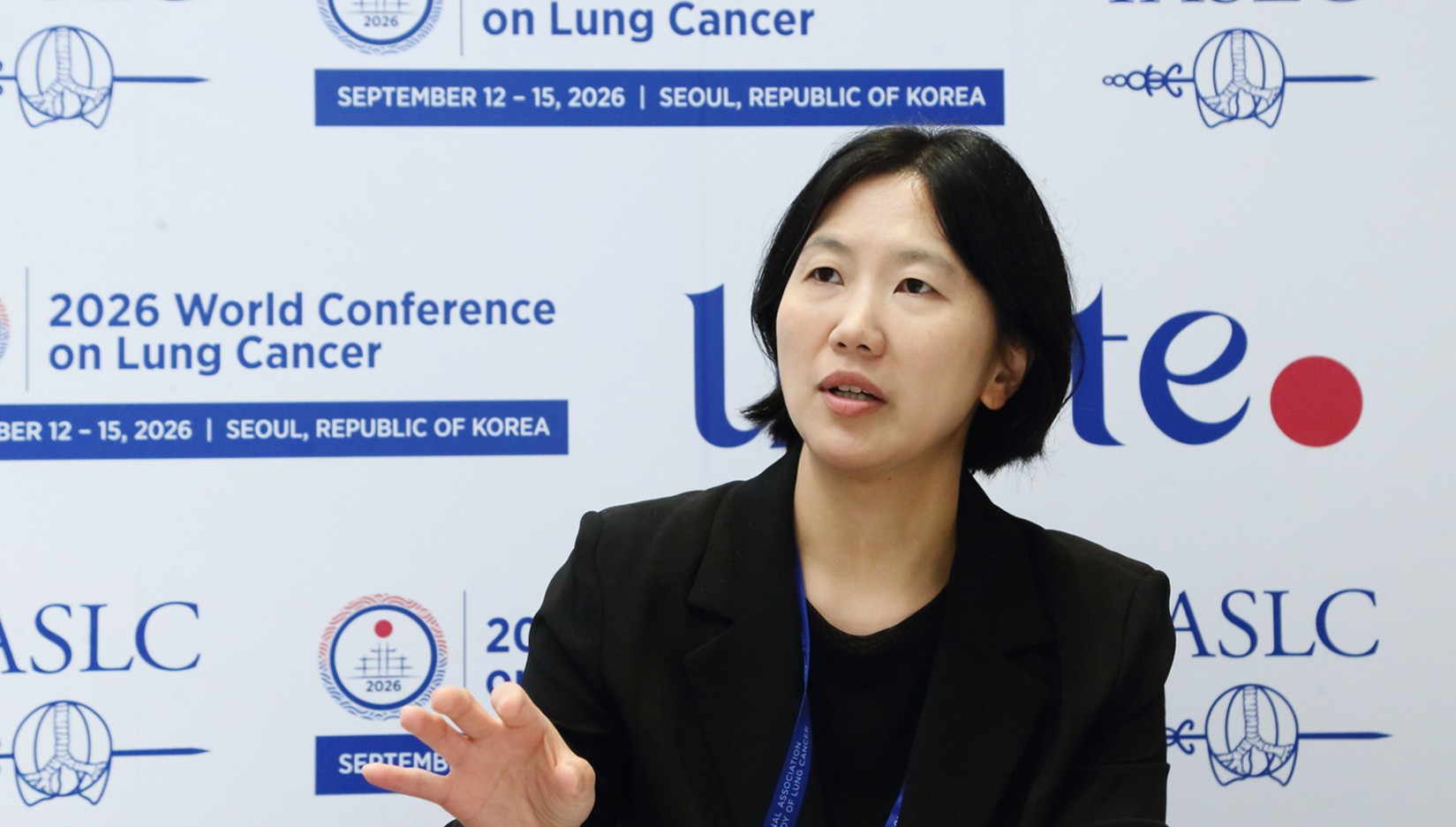
Dailypharm met with Dr.
Temple, Dr.
Stern, and Dr.
Dionne at the 2025 annual meeting of the Association for Research in Vision and Ophthalmology held in Salt Lake City.
Utah, to hear about the competitiveness of RPESC-RPE-4W, the latest clinical results, and the company’s future development strategies.

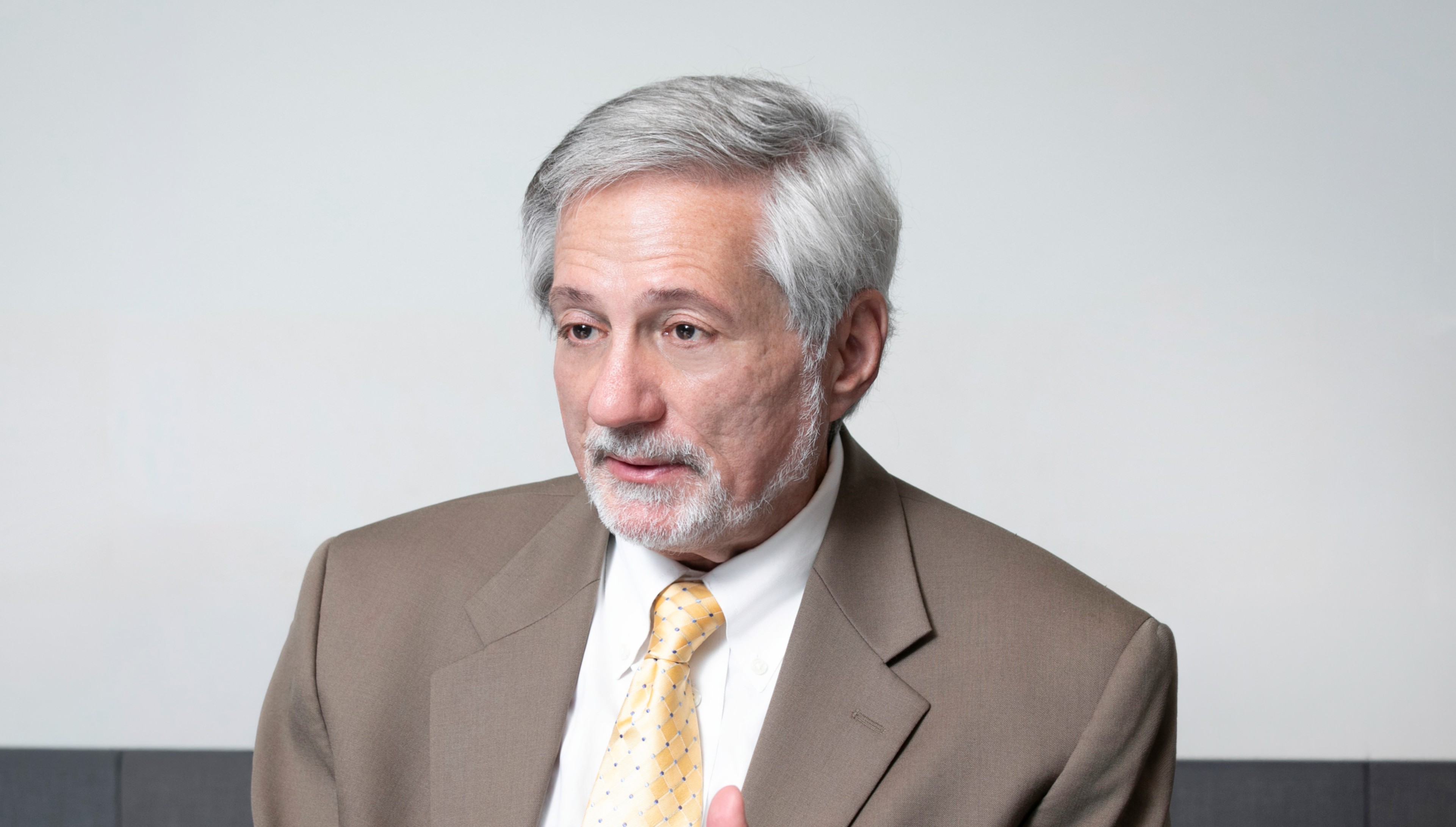
Keith E.
Dionne, Dr.
Sally Temple, Dr.
Jeffrey Stern - What kind of treatment is Luxa’s RPESC-RPE-4W? Dr.
Temple: RPESC-RPE-4W is a cell therapy candidate for dry age-related macular degeneration (AMD) based on adult retinal pigment epithelial stem cells (RPESC).
Dry AMD is caused by the degeneration of RPE cells located in the central part of the retina, ultimately leading to central vision loss.
This candidate aims to improve the damaged retinal environment and help restore vision by culturing RPE cells externally and transplanting them into the patient's retinal layer.
It is currently in Phase 1/2a clinical trials.
- I understand that NSCI has begun preclinical research on RPESC-RPE-4W.
What prompted the development of a treatment for dry AMD? Dr.
Temple: The discovery of RPE cells in 2012 opened up new opportunities for treating retinal diseases.
At the time, my husband, Dr.
Stern, was treating many patients with macular degeneration, including my mother.
It was then that I learned there was no effective treatment for dry AMD.
After realizing that RPE cells could potentially address the underlying cause of AMD, we conducted animal experiments and observed significant recovery of vision loss.
Dr.
Temple: Central nervous system tissue was long considered incapable of regeneration, but this perception is changing as recent research suggests that some regeneration is possible.
The discovery of how certain levels of recovery can occur after disease or injury has raised the possibility that stem cells or progenitor cells responsible for regeneration may exist within the CNS.
-There is still skepticism within the academic community regarding stem cell therapy.
What is your perspective on this? During my PhD, I studied progenitor cells in single-cell culture, which was a highly suitable approach for investigating stem cells in the brain or retina.
During the research, Dr.
Stern provided significant assistance in developing a time-lapse video system that enabled us to track and observe brain cells in culture.
Using this system, we identified a rare but actual population of stem cells within the central nervous system.
The next question was how these central nervous system stem cells are regulated.
Through our research, we discovered that whether stem cells remain in a quiescent state or actively divide to regenerate brain tissue depends on how closely they are in contact with blood vessels.
Based on this finding, NSCI was established in 2005.
In recent years, we have observed patients with age-related macular degeneration who have shown improvements in vision following RPE stem cell transplantation therapy, which has brought us great joy in seeing that our research is benefiting.
- What is the current status and outlook for the dry AMD treatment market?
Dr.
Dionne: Dry AMD affects approximately 200 million people worldwide, and this number is expected to increase with the aging population.
It is one of the leading causes of blindness in adults, and there is currently no fundamental cure.
The current best treatment is complement inhibitors, with FDA-approved drugs such as Syfovre and Izervey.
However, these treatments require monthly or bimonthly injections into the back of the eye and only slow disease progression without improving vision.
Luxa's RPESC-RPE-4W has demonstrated the potential to replace damaged RPE cells and improve vision.
Additionally, recent reports indicate that global pharmaceutical giants like Merck in the U.S.
are acquiring ophthalmic biotech companies targeting smaller markets than dry AMD for billions of dollars.
This demonstrates that the size of the market is not the key factor, but rather how quickly we can respond to it.
-Dry AMD treatments are being developed by several companies besides Luxa.
Various therapeutic agents with different mechanisms, such as induced pluripotent stem cells (iPSCs), embryonic stem cells, and gene therapies, are under development.
What makes RPESC-RPE-4W unique? Dr.
Temple: The biggest difference between Luxa's clinical trial and others is the type of RPE cells being transplanted.
We use “adult RPE stem cells” that are specialized to develop into RPE cells.
In contrast, other therapies first create pluripotent stem cells, such as iPSCs or embryonic stem cells, which can differentiate into various cell types, and then artificially differentiate them into RPE cells for transplantation.
This approach involves a complex differentiation process and carries the risk of unwanted cells being mixed in.
Luxa eliminates the risk of generating abnormal cells by directly using adult RPE stem cells.
Additionally, adult RPE stem cells are highly stable, do not induce tumors, and effectively differentiate into the desired RPE cells, making them more suitable for treatment.
-Please tell us about the interim results of the RPESC-RPE-4W Phase 1/2a trial presented at ARVO 2025. Dr.
Stern: Luxa is conducting the RPESC-RPE-4W Phase 1/2a clinical trial, and at this conference, we presented data from the low-dose Cohort 1, which involved administering 50,000 cells to six patients.
The interim results showed no serious adverse events (SAEs), tumorigenicity, inflammatory responses, or retinal detachment associated with the investigational drug.
As a result, the company is now able to proceed to the next phase, which involves increasing the dose to 150,000 and 250,000 cells.
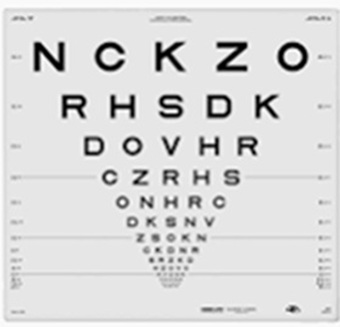
Luxa measured changes in vision after RPESC-RPE-4W administration using the ETDRS (Early Treatment Diabetic Retinopathy Study) chart.
Each line contains five letters.
Being able to read 15 more letters means being able to read 3 more lines.
Interim results of the Phase 1/2a clinical trial showed that patients with the poorest vision were able to read approximately 21 more letters or 3 more lines on the ETDRS chart.
Before treatment, patients could only read the largest letters, but after treatment, they were able to read the fourth line on the ETDRS chart due to an improvement of three lines in visual acuity.
Visual acuity improved within approximately one month after administration, and the effect was maintained stably throughout the one-year clinical period.
-What is your outlook for the RPESC-RPE-4W clinical trial, and how do you plan to develop it in the future? Dr.
Stern: I believe that the current results are most likely to continue.
While there is a possibility that the eight patients treated so far are exceptional cases, the probability is very low.
To confirm this, we need to analyze all 18 patients who participated in the clinical trial.
Since initial safety and tolerability have already been established, we have added two new clinical sites to accelerate the clinical trial.
One is the Byers Eye Institute at Stanford University in the United States, and the other is LA Retina, a large private hospital located in Los Angeles, California, United States.
The ongoing Phase 1/2a clinical trial is scheduled to be completed by the fourth quarter of this year.
Following this, the company plans to seek business partners to conduct large-scale clinical trials and obtain FDA approval for RPESC-RPE-4W.
-

- 0
댓글 운영방식은
댓글은 실명게재와 익명게재 방식이 있으며, 실명은 이름과 아이디가 노출됩니다. 익명은 필명으로 등록 가능하며, 대댓글은 익명으로 등록 가능합니다.
댓글 노출방식은
댓글 명예자문위원(팜-코니언-필기모양 아이콘)으로 위촉된 데일리팜 회원의 댓글은 ‘게시판형 보기’와 ’펼쳐보기형’ 리스트에서 항상 최상단에 노출됩니다. 새로운 댓글을 올리는 일반회원은 ‘게시판형’과 ‘펼쳐보기형’ 모두 팜코니언 회원이 쓴 댓글의 하단에 실시간 노출됩니다.
댓글의 삭제 기준은
다음의 경우 사전 통보없이 삭제하고 아이디 이용정지 또는 영구 가입제한이 될 수도 있습니다.
-
저작권·인격권 등 타인의 권리를 침해하는 경우
상용 프로그램의 등록과 게재, 배포를 안내하는 게시물
타인 또는 제3자의 저작권 및 기타 권리를 침해한 내용을 담은 게시물
-
근거 없는 비방·명예를 훼손하는 게시물
특정 이용자 및 개인에 대한 인신 공격적인 내용의 글 및 직접적인 욕설이 사용된 경우
특정 지역 및 종교간의 감정대립을 조장하는 내용
사실 확인이 안된 소문을 유포 시키는 경우
욕설과 비어, 속어를 담은 내용
정당법 및 공직선거법, 관계 법령에 저촉되는 경우(선관위 요청 시 즉시 삭제)
특정 지역이나 단체를 비하하는 경우
특정인의 명예를 훼손하여 해당인이 삭제를 요청하는 경우
특정인의 개인정보(주민등록번호, 전화, 상세주소 등)를 무단으로 게시하는 경우
타인의 ID 혹은 닉네임을 도용하는 경우
-
게시판 특성상 제한되는 내용
서비스 주제와 맞지 않는 내용의 글을 게재한 경우
동일 내용의 연속 게재 및 여러 기사에 중복 게재한 경우
부분적으로 변경하여 반복 게재하는 경우도 포함
제목과 관련 없는 내용의 게시물, 제목과 본문이 무관한 경우
돈벌기 및 직·간접 상업적 목적의 내용이 포함된 게시물
게시물 읽기 유도 등을 위해 내용과 무관한 제목을 사용한 경우
-
수사기관 등의 공식적인 요청이 있는 경우
-
기타사항
각 서비스의 필요성에 따라 미리 공지한 경우
기타 법률에 저촉되는 정보 게재를 목적으로 할 경우
기타 원만한 운영을 위해 운영자가 필요하다고 판단되는 내용
-
사실 관계 확인 후 삭제
저작권자로부터 허락받지 않은 내용을 무단 게재, 복제, 배포하는 경우
타인의 초상권을 침해하거나 개인정보를 유출하는 경우
당사에 제공한 이용자의 정보가 허위인 경우 (타인의 ID, 비밀번호 도용 등)
※이상의 내용중 일부 사항에 적용될 경우 이용약관 및 관련 법률에 의해 제재를 받으실 수도 있으며, 민·형사상 처벌을 받을 수도 있습니다.
※위에 명시되지 않은 내용이더라도 불법적인 내용으로 판단되거나 데일리팜 서비스에 바람직하지 않다고 판단되는 경우는 선 조치 이후 본 관리 기준을 수정 공시하겠습니다.
※기타 문의 사항은 데일리팜 운영자에게 연락주십시오. 메일 주소는 dailypharm@dailypharm.com입니다.