- LOGIN
- MemberShip
- 2026-05-15 03:59:21
- SGLT-2 inhibitor, effective for patients with kidney disease
- by | translator Choi HeeYoung | 2020-11-19 06:10:58
SGLT-2 inhibitors, developed as a treatment for diabetes, are further expanding their indications.
It has proven its protective effect beyond simple cardiovascular safety, and recently, data proving the benefit of kidney disease is accumulating.
In patients with type 2 diabetes, SGLT-2 inhibitors prevented the deterioration of renal function, and in recent large-scale clinical trials, it was also effective in patients with renal impairment regardless of diabetes.
This rationale is not limited to Randomized Controlled Trials (RCT).
Various RWE studies (CVD-REAL) conducted by AstraZeneca confirm the usefulness of SGLT-2 in the field.
In a recent large-scale RWE study conducted on Koreans, CVD-REAL 2, which included 340,000 Koreans, confirmed the cardiovascular benefits in type 2 diabetes patients.
However, this CVD-REAL 3 KOREA conducted a study exclusively for Koreans.
Also, it has proven effective in diabetic patients with kidney disease.
Dailypharm met with Professor Koh Eun-sil, Nephrology of Yeouido St.
Mary's Hospital and Professor Hyuk-Sang Kwon, Endocrinology, who participated in the CVD-REAL 3 KOREA study, and heard about the significance of this study and the prospects of SGLT-2 inhibitors.
Professor Koh was the first author and Professor Kwon was the corresponding author.

The study analyzed 90,000 patients with type 2 diabetes in Korea using a propensity score matching technique to analyze patients who started taking SGLT-2 inhibitors and those who started taking other hypoglycemic drugs at a one-to-one ratio of 45016 patients each.
It is characterized by the fact that it is the same method as CVD-REAL 3 previously conducted in countries around the world, and that it is only for Koreans.
In the SGLT-2 inhibitor group, Forxiga (Dapagliflozin) was the most common with 73.3%, followed by Jariance (Empagliflozin) 20.8%, and Suglat (Ipragliflozin) 6%.
As a result, patients taking SGLT-2 had a 53% lower risk of developing end-stage renal failure than those taking hypoglycemic drugs.
In particular, patients with glomerular filtration rate (eGFR) of 60-90 and patients with 60 or less showed greater benefits.
In this group, SGLT-2 inhibitors had a lower risk of developing end-stage renal failure than taking hypoglycemic drugs by 61%, with or without proteinuria.
In addition, taking SGLT-2 inhibitors reduced death from all causes by 18% compared to taking hypoglycemic drugs.
Prof.
Koh Eun-sil said, "The follow-up period is somewhat short, but this study clearly confirmed the kidney protection effect of SGLT-2 inhibitors." "We participated and the rate was only about 11%, and this time, even a study only observed by Koreans came out in the same way as the global study." Professor Koh expected that this study will play a major role in resolving questions about racial differences.
In addition, the RWE study was thought to be helpful in predicting the effect of drugs in actual clinical practice.
Corresponding author Professor Kwon Hyuk-Sang also said, "Most of the SGLT-2 inhibitor studies have an average percentage of Asian applicants of 10%, so even if the results are good, it is questionable whether it will be effective in domestic patients." In addition, he added, "This study is meaningful in that it has proven its effectiveness in 100% Korean patients."
He then explained, "I think this renal protective effect is a series of effects of the entire SGLT-2 inhibitor rather than a specific drug." He added, "However, since the guidelines are based on evidence, the recommendations will be given priority to drugs that have demonstrated cardiovascular or kidney benefits and have demonstrated cardiovascular or renal benefits."
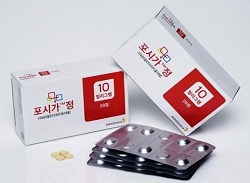
Currently, AstraZeneca is trying to acquire indications for treatment of chronic kidney disease based on the clinical results of DAPA-CKD.
The guidelines of international conferences are also rapidly reflecting the paradigm shift caused by SGLT-2 inhibitors.
Recently, Kidney Disease Improving Global Outcomes (KDIGO) recommended a combination therapy of metformin and an SGLT-2 inhibitor as the first-line treatment for chronic kidney disease patients with diabetes based on Forxiga's clinical trial.
Although there are possibilities in various areas, it is evaluated that more follow-up observations should be made to determine whether the benefits can be safely maintained in the long term.
Nevertheless, Professor Koh looked forward to SGLT-2 inhibitors because there is no suitable treatment for chronic kidney disease.
Prof.
Koh said clinical studies of drugs that were expected in the field of chronic kidney disease as well as heart failure failed.
It has emerged as a hot issue in renal medicine as studies related to SGLT-2 inhibitors are actively conducted.
Of course, more analysis through long-term observation is needed, but she said she expects a lot of good data to come out in the future.
-

- 0
댓글 운영방식은
댓글은 실명게재와 익명게재 방식이 있으며, 실명은 이름과 아이디가 노출됩니다. 익명은 필명으로 등록 가능하며, 대댓글은 익명으로 등록 가능합니다.
댓글 노출방식은
댓글 명예자문위원(팜-코니언-필기모양 아이콘)으로 위촉된 데일리팜 회원의 댓글은 ‘게시판형 보기’와 ’펼쳐보기형’ 리스트에서 항상 최상단에 노출됩니다. 새로운 댓글을 올리는 일반회원은 ‘게시판형’과 ‘펼쳐보기형’ 모두 팜코니언 회원이 쓴 댓글의 하단에 실시간 노출됩니다.
댓글의 삭제 기준은
다음의 경우 사전 통보없이 삭제하고 아이디 이용정지 또는 영구 가입제한이 될 수도 있습니다.
-
저작권·인격권 등 타인의 권리를 침해하는 경우
상용 프로그램의 등록과 게재, 배포를 안내하는 게시물
타인 또는 제3자의 저작권 및 기타 권리를 침해한 내용을 담은 게시물
-
근거 없는 비방·명예를 훼손하는 게시물
특정 이용자 및 개인에 대한 인신 공격적인 내용의 글 및 직접적인 욕설이 사용된 경우
특정 지역 및 종교간의 감정대립을 조장하는 내용
사실 확인이 안된 소문을 유포 시키는 경우
욕설과 비어, 속어를 담은 내용
정당법 및 공직선거법, 관계 법령에 저촉되는 경우(선관위 요청 시 즉시 삭제)
특정 지역이나 단체를 비하하는 경우
특정인의 명예를 훼손하여 해당인이 삭제를 요청하는 경우
특정인의 개인정보(주민등록번호, 전화, 상세주소 등)를 무단으로 게시하는 경우
타인의 ID 혹은 닉네임을 도용하는 경우
-
게시판 특성상 제한되는 내용
서비스 주제와 맞지 않는 내용의 글을 게재한 경우
동일 내용의 연속 게재 및 여러 기사에 중복 게재한 경우
부분적으로 변경하여 반복 게재하는 경우도 포함
제목과 관련 없는 내용의 게시물, 제목과 본문이 무관한 경우
돈벌기 및 직·간접 상업적 목적의 내용이 포함된 게시물
게시물 읽기 유도 등을 위해 내용과 무관한 제목을 사용한 경우
-
수사기관 등의 공식적인 요청이 있는 경우
-
기타사항
각 서비스의 필요성에 따라 미리 공지한 경우
기타 법률에 저촉되는 정보 게재를 목적으로 할 경우
기타 원만한 운영을 위해 운영자가 필요하다고 판단되는 내용
-
사실 관계 확인 후 삭제
저작권자로부터 허락받지 않은 내용을 무단 게재, 복제, 배포하는 경우
타인의 초상권을 침해하거나 개인정보를 유출하는 경우
당사에 제공한 이용자의 정보가 허위인 경우 (타인의 ID, 비밀번호 도용 등)
※이상의 내용중 일부 사항에 적용될 경우 이용약관 및 관련 법률에 의해 제재를 받으실 수도 있으며, 민·형사상 처벌을 받을 수도 있습니다.
※위에 명시되지 않은 내용이더라도 불법적인 내용으로 판단되거나 데일리팜 서비스에 바람직하지 않다고 판단되는 경우는 선 조치 이후 본 관리 기준을 수정 공시하겠습니다.
※기타 문의 사항은 데일리팜 운영자에게 연락주십시오. 메일 주소는 dailypharm@dailypharm.com입니다.
- [Reporter's View] The dark side of improved diabetes med convenience
- Reporter's view | Son, Hyung Min

- [Reporter's View] Contradiction of "K-passing" and a new drug powerhouse
- Reporter's view | Lee, Jeong-Hwan