- LOGIN
- MemberShip
- 2026-05-03 11:36:14
- Rebamipide eye drops will be reimb next month
- by Lee, Tak-Sun | translator Kim, Jung-Ju | 2023-02-16 05:51:31
In particular, with reimbursement reevaluations set to be conducted for hyaluronic acid eye drops that occupy the largest share of the artificial tears market this year, the possibility of changes made in the market share and rank has also been raised.
On the 15th, the Ministry of Health and Welfare issued an administrative notice of an amendment to newly establish a reimbursement standard for Rebamifide 0.1/5ml.
The drugs subject to the amendment are Samil Phamraceutical’s ‘Reva-K Eye Drops’ and Kukje Pharma’s ‘Reba-eye Eye Drops 2%.’ The Health Insurance Review and Assessment Service decided to approve the drugs for reimbursement within its approved indication, for the ‘improvement of corneal and conjunctival epithelial damage in adult patients with dry eye syndrome.’ However, its combined administration with mucin secretagogue (diquafosol sodium) will not be allowed reimbursement.
The reimbursement will be add a rebamipide option to the dry eye treatment market.
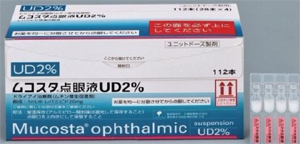
Rebamipide eye drops have already been released in Japan in 2012 by Otsuka Pharmaceutical as 'Mucosta ophthalmic suspension UD 2%', but Samil and Kukje’s products are the first to be introduced to Korea.
Rebamipide is known to stabilize the tear film by increasing ocular mucin secretion and contribute to the improvement of corneal and conjunctival epithelial damage to improve dry eye symptoms.
Samil and Kukje demonstrated the drug's improved outcomes through a clinical trial.
In a clinical trial that was conducted on a total of 220 patients with dry eye symptoms (74 patients in the 2% Rebamipide ophthalmic suspension arm, 74 patients in the placebo arm), patients were administered the drug or placebo in each eye four times (every 4 hours).
At week 12, outcomes in the 2% Rebamipide ophthalmic suspension arm were superior to the placebo arm.
With the drug demonstrating an effect in improving dry eye syndrome when administered just 4 times a day, Rebamipide has been evaluated to have an improved convenience compared to existing artificial tear products that require administration 5-6 times per day.
Reimbursed eye drop options currently in use for dry eye include hyaluronic acid, diquafosol sodium, and cyclosporine.
Among the options, hyaluronic acid boasts the largest share in the market, which is estimated to bring in an annual sales of KRW 230 billion.
These hyaluronic acid eye drops will be receiving reevaluation on their adequacy of reimbursement this year.
According to HIRA, as of January 2022, reimbursement is being applied to 427 items from 51 companies, and the average annual claims amount of the drugs for the past three years was estimated to be around KRW 231.5 billion.
Controversy over the reimbursement adequacy of hyaluronic acid eye drops, which were reimbursed since 1997, has been raised for some time.
In 2000, the National Evidence-based healthcare Collaborating Agency (NECA) argued for the need to improve the reimbursement standards for dry eye, saying that it was too early to conclude that hyaluronic acid ophthalmic solutions are clinically significantly different from other treatment alternatives.
Hyaluronic acid eye drops are currently used both for specialized and general drugs in Korea, however, most are used with a doctor's prescription, putting pressure on Korea’s national insurance finances.
On the other hand reimbursement for hyaluronic acid is not applied in major developed countries and is only reimbursed in Japan.
If the reevaluation concludes that hyaluronic acid eye drops are not eligible for reimbursement, the artificial tears market will inevitably be reorganized.
The analysis is that the existing diquafosol sodium and cyclosporine products will reap reflective benefit, and the rebamipide eye drops that are reimbursed this time may also serve as an alternative.
Recently, Daewoo Pharm is also known to be preparing a same-ingredient drug with Samil Pharmaceutical and Kukje Pharma for approval.
An industry official said, “Rebamipide eye drops that will be reimbursed this time, developed by Samil and Kukje, have improved marketability.
It offers an improvement in the irritability experienced using the original Japanese product.
Therefore, I believe the products will settle as new options in the dry eye syndrome treatment market upon release.
-

- 0
댓글 운영방식은
댓글은 실명게재와 익명게재 방식이 있으며, 실명은 이름과 아이디가 노출됩니다. 익명은 필명으로 등록 가능하며, 대댓글은 익명으로 등록 가능합니다.
댓글 노출방식은
댓글 명예자문위원(팜-코니언-필기모양 아이콘)으로 위촉된 데일리팜 회원의 댓글은 ‘게시판형 보기’와 ’펼쳐보기형’ 리스트에서 항상 최상단에 노출됩니다. 새로운 댓글을 올리는 일반회원은 ‘게시판형’과 ‘펼쳐보기형’ 모두 팜코니언 회원이 쓴 댓글의 하단에 실시간 노출됩니다.
댓글의 삭제 기준은
다음의 경우 사전 통보없이 삭제하고 아이디 이용정지 또는 영구 가입제한이 될 수도 있습니다.
-
저작권·인격권 등 타인의 권리를 침해하는 경우
상용 프로그램의 등록과 게재, 배포를 안내하는 게시물
타인 또는 제3자의 저작권 및 기타 권리를 침해한 내용을 담은 게시물
-
근거 없는 비방·명예를 훼손하는 게시물
특정 이용자 및 개인에 대한 인신 공격적인 내용의 글 및 직접적인 욕설이 사용된 경우
특정 지역 및 종교간의 감정대립을 조장하는 내용
사실 확인이 안된 소문을 유포 시키는 경우
욕설과 비어, 속어를 담은 내용
정당법 및 공직선거법, 관계 법령에 저촉되는 경우(선관위 요청 시 즉시 삭제)
특정 지역이나 단체를 비하하는 경우
특정인의 명예를 훼손하여 해당인이 삭제를 요청하는 경우
특정인의 개인정보(주민등록번호, 전화, 상세주소 등)를 무단으로 게시하는 경우
타인의 ID 혹은 닉네임을 도용하는 경우
-
게시판 특성상 제한되는 내용
서비스 주제와 맞지 않는 내용의 글을 게재한 경우
동일 내용의 연속 게재 및 여러 기사에 중복 게재한 경우
부분적으로 변경하여 반복 게재하는 경우도 포함
제목과 관련 없는 내용의 게시물, 제목과 본문이 무관한 경우
돈벌기 및 직·간접 상업적 목적의 내용이 포함된 게시물
게시물 읽기 유도 등을 위해 내용과 무관한 제목을 사용한 경우
-
수사기관 등의 공식적인 요청이 있는 경우
-
기타사항
각 서비스의 필요성에 따라 미리 공지한 경우
기타 법률에 저촉되는 정보 게재를 목적으로 할 경우
기타 원만한 운영을 위해 운영자가 필요하다고 판단되는 내용
-
사실 관계 확인 후 삭제
저작권자로부터 허락받지 않은 내용을 무단 게재, 복제, 배포하는 경우
타인의 초상권을 침해하거나 개인정보를 유출하는 경우
당사에 제공한 이용자의 정보가 허위인 경우 (타인의 ID, 비밀번호 도용 등)
※이상의 내용중 일부 사항에 적용될 경우 이용약관 및 관련 법률에 의해 제재를 받으실 수도 있으며, 민·형사상 처벌을 받을 수도 있습니다.
※위에 명시되지 않은 내용이더라도 불법적인 내용으로 판단되거나 데일리팜 서비스에 바람직하지 않다고 판단되는 경우는 선 조치 이후 본 관리 기준을 수정 공시하겠습니다.
※기타 문의 사항은 데일리팜 운영자에게 연락주십시오. 메일 주소는 dailypharm@dailypharm.com입니다.
- [Reporter’s View] Medical Devices Act binds payment within 6 months
- Reporter's view | Hwang, byoung woo

- "Vabysmo PFS shifts the retinal disease treatment persistence·efficiency"
- Reporter's view | Son, Hyung Min