- LOGIN
- MemberShip
- 2026-09-25 02:48:20
- SU's strengths maximized through combined use with SGLT-2is
- by Kim, Jin-Gu | translator Kim, Jung-Ju | 2023-05-12 05:44:28
New opportunities have emerged for the use of the diabetes treatment sulfonylurea (SU).
It is claimed that its combined use with SGLT-2 inhibitor drugs can offset the existing disadvantages such as hypoglycemia and weight gain, while fully utilizing the strong blood sugar lowering effect of SU drugs.

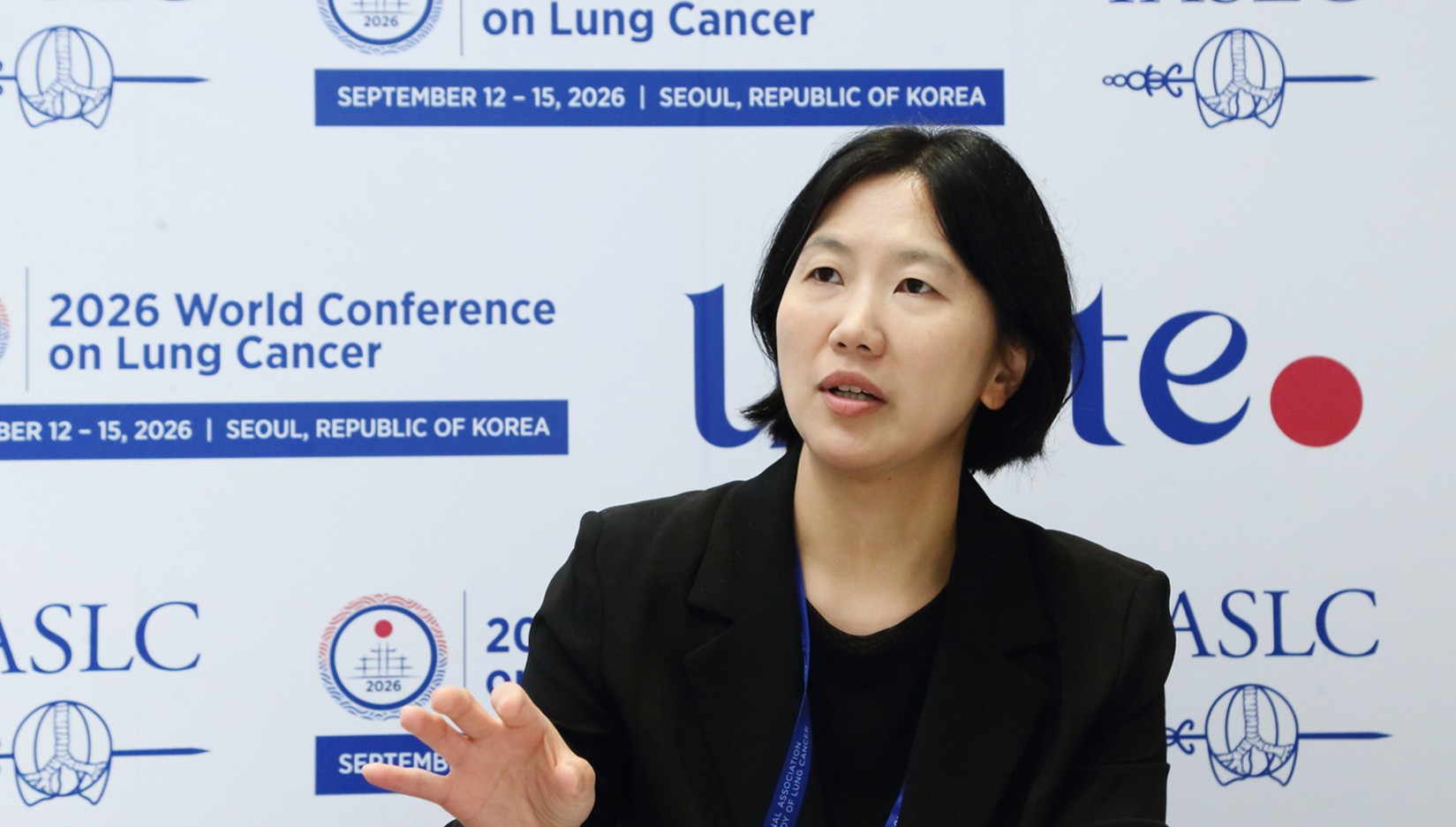
In his presentation on 'Expected Effects of Combined Use of Sulfonylurea and SGLT-2 Inhibitor in Type 2 Diabetes', he said, "The commonly known disadvantages and side effects of SU class drugs can be overcome by combining them with SGLT-2 inhibitor class drugs." "A recent study cleared the misconception that SU class drugs increase cardiovascular risk" SU-class antidiabetics were known to have clear advantages and disadvantages.
Although it has an excellent blood sugar lowering effect, its risk of hypoglycemia and weight gain were pointed out as disadvantages.
Also, there had been rising concerns about how it may increase the risk of cardiovascular disease.
Due to such reasons, the use of SU-class drugs had been gradually decreasing in practice.
In the past, other than metformin, SU was the most commonly used drug, but its prescriptions had decreased since the release of DPP-4 class drugs that have a lower risk of hypoglycemia.
However, Professor Jin Hwa Kim cleared the misconception that SU-class drugs have a high cardiovascular risk with a recent study.
According to Kim, the CAROLINA trial that was published in 2019 compared the cardiovascular safety of glimepiride, an SU drug, and linagliptin, a DPP-4 inhibitor.
Results of the CAROLINA trial, which studied 6,000 people in 43 countries around the globe for 8 years, showed that the cardiovascular safety of the two drugs was similar.
With glimepiride demonstrating safety similar to linagliptin, a drug proven to have cardiovascular safety, U-class drugs can be cleared of the misconception that it increases cardiovascular risk.
In the 'GRADE' study that compared glimepiride’s cardiovascular safety with liraglutide, a GLP-1 analog, results showed that glimepiride had a similar level of cardiovascular risk as liraglutide.
In addition, in another meta-study that compared SU class drugs with DPP-4 inhibitor class drugs or TZD class drugs, there was no significant difference in cardiovascular events and mortality between different classes overall.
With such research results coming out one after another, Professor Kim explained that the American Diabetes Association (ADA) issued a 'neutral' opinion on the cardiovascular risk of SU-class drugs in its diabetes treatment guidelines this year.
Professor Kim said, "The studies reduced overall concerns about cardiovascular risk.
Also, when used in combination with SGLT-2 inhibitors, which have cardiovascular benefits, its use will become much safer." "The risk of hypoglycemia and weight gain of SU class drugs can be offset by SGLT-2 inhibitors" Professor Kim claimed that the risk of hypoglycemia and weight gain, which were pointed out as other disadvantages of SU class drugs, can be sufficiently offset by combining the use of SGLT-2 inhibitor class drugs.
According to Kim, a recent meta-analysis showed that the risk of hypoglycemia increased when SU-class drugs were used in combination with SGLT-2 inhibitors.
On this, Professor Kim said, "However, specifics showed that results differed depending on the dosage of the SU class drugs.
When using SU drugs with SGLT-2 inhibitors, you can reduce the dose of the SU drug to reduce the risk of hypoglycemia.” Regarding the weight gain side effect, he added “There are concerns that SU drugs may cause weight gain, but it can be offset with SGLT-2 inhibitors.” Professor Kim added, “The concerns held by SU class drugs can be offset by combining its use with SGLT-2 inhibitors.
This will allow patients to fully enjoy the strong blood sugar lowering effect of SU class drugs.” Kang-Seo Park, professor of Endocrinology at Eulji University Hospital, who chaired the session, added, “For patients with high blood sugar, SU class drugs can be used to help lower blood sugar safely through combined use with SGLT-2 inhibitors.”
-

- 0
댓글 운영방식은
댓글은 실명게재와 익명게재 방식이 있으며, 실명은 이름과 아이디가 노출됩니다. 익명은 필명으로 등록 가능하며, 대댓글은 익명으로 등록 가능합니다.
댓글 노출방식은
댓글 명예자문위원(팜-코니언-필기모양 아이콘)으로 위촉된 데일리팜 회원의 댓글은 ‘게시판형 보기’와 ’펼쳐보기형’ 리스트에서 항상 최상단에 노출됩니다. 새로운 댓글을 올리는 일반회원은 ‘게시판형’과 ‘펼쳐보기형’ 모두 팜코니언 회원이 쓴 댓글의 하단에 실시간 노출됩니다.
댓글의 삭제 기준은
다음의 경우 사전 통보없이 삭제하고 아이디 이용정지 또는 영구 가입제한이 될 수도 있습니다.
-
저작권·인격권 등 타인의 권리를 침해하는 경우
상용 프로그램의 등록과 게재, 배포를 안내하는 게시물
타인 또는 제3자의 저작권 및 기타 권리를 침해한 내용을 담은 게시물
-
근거 없는 비방·명예를 훼손하는 게시물
특정 이용자 및 개인에 대한 인신 공격적인 내용의 글 및 직접적인 욕설이 사용된 경우
특정 지역 및 종교간의 감정대립을 조장하는 내용
사실 확인이 안된 소문을 유포 시키는 경우
욕설과 비어, 속어를 담은 내용
정당법 및 공직선거법, 관계 법령에 저촉되는 경우(선관위 요청 시 즉시 삭제)
특정 지역이나 단체를 비하하는 경우
특정인의 명예를 훼손하여 해당인이 삭제를 요청하는 경우
특정인의 개인정보(주민등록번호, 전화, 상세주소 등)를 무단으로 게시하는 경우
타인의 ID 혹은 닉네임을 도용하는 경우
-
게시판 특성상 제한되는 내용
서비스 주제와 맞지 않는 내용의 글을 게재한 경우
동일 내용의 연속 게재 및 여러 기사에 중복 게재한 경우
부분적으로 변경하여 반복 게재하는 경우도 포함
제목과 관련 없는 내용의 게시물, 제목과 본문이 무관한 경우
돈벌기 및 직·간접 상업적 목적의 내용이 포함된 게시물
게시물 읽기 유도 등을 위해 내용과 무관한 제목을 사용한 경우
-
수사기관 등의 공식적인 요청이 있는 경우
-
기타사항
각 서비스의 필요성에 따라 미리 공지한 경우
기타 법률에 저촉되는 정보 게재를 목적으로 할 경우
기타 원만한 운영을 위해 운영자가 필요하다고 판단되는 내용
-
사실 관계 확인 후 삭제
저작권자로부터 허락받지 않은 내용을 무단 게재, 복제, 배포하는 경우
타인의 초상권을 침해하거나 개인정보를 유출하는 경우
당사에 제공한 이용자의 정보가 허위인 경우 (타인의 ID, 비밀번호 도용 등)
※이상의 내용중 일부 사항에 적용될 경우 이용약관 및 관련 법률에 의해 제재를 받으실 수도 있으며, 민·형사상 처벌을 받을 수도 있습니다.
※위에 명시되지 않은 내용이더라도 불법적인 내용으로 판단되거나 데일리팜 서비스에 바람직하지 않다고 판단되는 경우는 선 조치 이후 본 관리 기준을 수정 공시하겠습니다.
※기타 문의 사항은 데일리팜 운영자에게 연락주십시오. 메일 주소는 dailypharm@dailypharm.com입니다.