- LOGIN
- MemberShip
- 2026-09-24 02:41:12
- Public opinion grows on if PO kidney tx should be covered
- by Nho, Byung Chul | translator Kim, Jung-Ju | 2023-10-31 05:35:19
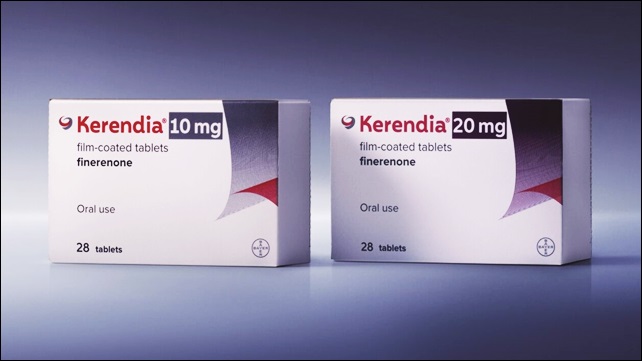
This drug is a disease-related disease that has emerged for the first time in 20 years As first-in classes related to kidney disease are blocked by insurance registration review barriers, it seems urgent to improve the system through social consensus.
A drug related to this is Kerendia, Bayer's chronic renal failure treatment that was newly introduced for the first time in 20 years.
Renal anemia that occurs due to abnormal kidney function can be mentioned, including the recently approved AstraZeneca Evrenzo (2021), JW Pharmaceutical Eronai (2022), and Mitsubishi Danabe Vadanem (2023).
The reasons why a rapid registration process for innovative new drugs related to kidney disease is required are to expand patient treatment options and reduce health insurance finances.
According to the NHIS data, the number of chronic kidney disease patients in Korea increased by 36.9% from 206,061 in 2017 to 282,169 in 2021, and in particular, those in their 80s surged by 82.8%.
The number of hemodialysis patients is also showing an exponential increase, and the health insurance budget currently spent on approximately 100,000 patients is close to 3 trillion won.
Compared to existing renal anemia treatments that are distributed only as injections, it is expected that patient compliance will also significantly increase because it is in the form of an oral pill.
The news that Kerendia has been submitted to the pharmaceutical review committee provides some hope for the insurance listing of these drugs related to comprehensive kidney disease.
This is a result of approximately one and a half years after approval (May 2022) due to the expression of opinions from all directions, including not only the developer, but also the nephrology society, the National Assembly, and patient groups.
Therefore, discussions on drug price negotiation for Kerendia, which was recognized as appropriate for coverage of chronic kidney disease with type 2 diabetes at the 11th pharmaceutical reimbursement evaluation committee, are gaining momentum, giving strength to the justification for listing renal anemia treatment drugs.
The reason why health authorities actively reviewed the adequacy of Kerendia's benefits was to reduce social costs.
When chronic kidney disease progresses to end-stage renal failure, treatment progresses to hemodialysis, peritoneal dialysis, kidney transplantation, and surgery, which costs around 30 million won per year, which goes against public opinion to overcome this by actively intervening in drug therapy in the process.
We are doing it together.
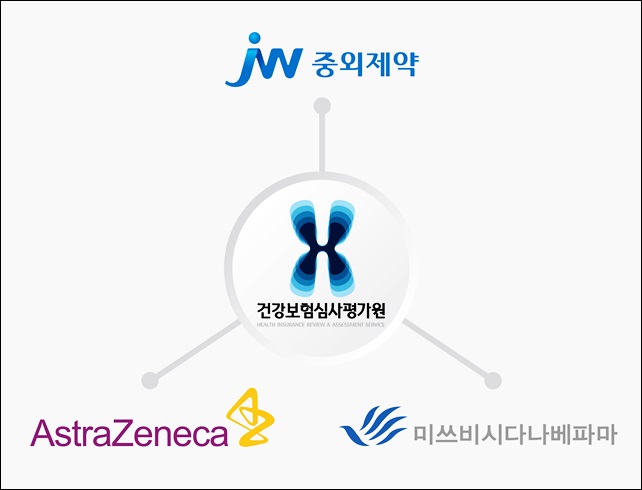
These drugs are expected to have equivalent effects compared to injectable drugs and contribute to reducing health insurance costs but are still pending HIRA review As can be seen in the Kerendia case, tablet-type renal anemia treatments also require an emphasis on drug efficacy and cost-effectiveness and a quick reimbursement process is required.
It is known that tablet-type renal anemia treatment drugs can achieve financial savings of about 10 to 20% compared to existing injection drugs, based on clinical data on anemia treatment in dialysis patients, even if patients with general kidney disease are excluded.
Some are concerned about issues related to blood clots, but according to the industry, existing drugs appear to be in a similar situation, so it is almost a logical contradiction to use this as an issue to put a brake on drug price negotiations.
The only treatment for renal anemia is EPO, which was developed about 30 years ago, and recently, even third-generation injectable drugs with extended administration intervals have been released.
As the number of patients who do not respond to existing medications is gradually increasing, new treatment mechanisms are required due to side effects such as blood pressure changes and nausea and vomiting.
It is understood that JW Pharmaceutical's Eronai and Mitsubishi Badanem are attempting to be listed at the average price among alternative drugs.
AstraZeneca Evrenzo appears to have virtually suspended all proposals for PE and alternative drug weighted average prices based on the headquarters' high orphan drug price policy.
-

- 0
댓글 운영방식은
댓글은 실명게재와 익명게재 방식이 있으며, 실명은 이름과 아이디가 노출됩니다. 익명은 필명으로 등록 가능하며, 대댓글은 익명으로 등록 가능합니다.
댓글 노출방식은
댓글 명예자문위원(팜-코니언-필기모양 아이콘)으로 위촉된 데일리팜 회원의 댓글은 ‘게시판형 보기’와 ’펼쳐보기형’ 리스트에서 항상 최상단에 노출됩니다. 새로운 댓글을 올리는 일반회원은 ‘게시판형’과 ‘펼쳐보기형’ 모두 팜코니언 회원이 쓴 댓글의 하단에 실시간 노출됩니다.
댓글의 삭제 기준은
다음의 경우 사전 통보없이 삭제하고 아이디 이용정지 또는 영구 가입제한이 될 수도 있습니다.
-
저작권·인격권 등 타인의 권리를 침해하는 경우
상용 프로그램의 등록과 게재, 배포를 안내하는 게시물
타인 또는 제3자의 저작권 및 기타 권리를 침해한 내용을 담은 게시물
-
근거 없는 비방·명예를 훼손하는 게시물
특정 이용자 및 개인에 대한 인신 공격적인 내용의 글 및 직접적인 욕설이 사용된 경우
특정 지역 및 종교간의 감정대립을 조장하는 내용
사실 확인이 안된 소문을 유포 시키는 경우
욕설과 비어, 속어를 담은 내용
정당법 및 공직선거법, 관계 법령에 저촉되는 경우(선관위 요청 시 즉시 삭제)
특정 지역이나 단체를 비하하는 경우
특정인의 명예를 훼손하여 해당인이 삭제를 요청하는 경우
특정인의 개인정보(주민등록번호, 전화, 상세주소 등)를 무단으로 게시하는 경우
타인의 ID 혹은 닉네임을 도용하는 경우
-
게시판 특성상 제한되는 내용
서비스 주제와 맞지 않는 내용의 글을 게재한 경우
동일 내용의 연속 게재 및 여러 기사에 중복 게재한 경우
부분적으로 변경하여 반복 게재하는 경우도 포함
제목과 관련 없는 내용의 게시물, 제목과 본문이 무관한 경우
돈벌기 및 직·간접 상업적 목적의 내용이 포함된 게시물
게시물 읽기 유도 등을 위해 내용과 무관한 제목을 사용한 경우
-
수사기관 등의 공식적인 요청이 있는 경우
-
기타사항
각 서비스의 필요성에 따라 미리 공지한 경우
기타 법률에 저촉되는 정보 게재를 목적으로 할 경우
기타 원만한 운영을 위해 운영자가 필요하다고 판단되는 내용
-
사실 관계 확인 후 삭제
저작권자로부터 허락받지 않은 내용을 무단 게재, 복제, 배포하는 경우
타인의 초상권을 침해하거나 개인정보를 유출하는 경우
당사에 제공한 이용자의 정보가 허위인 경우 (타인의 ID, 비밀번호 도용 등)
※이상의 내용중 일부 사항에 적용될 경우 이용약관 및 관련 법률에 의해 제재를 받으실 수도 있으며, 민·형사상 처벌을 받을 수도 있습니다.
※위에 명시되지 않은 내용이더라도 불법적인 내용으로 판단되거나 데일리팜 서비스에 바람직하지 않다고 판단되는 경우는 선 조치 이후 본 관리 기준을 수정 공시하겠습니다.
※기타 문의 사항은 데일리팜 운영자에게 연락주십시오. 메일 주소는 dailypharm@dailypharm.com입니다.