- LOGIN
- MemberShip
- 2026-09-23 15:59:20
- ‘Biobetter Nexviazyme is a better treatment option'
- by Eo, Yun-Ho | translator Kim, Jung-Ju | 2024-02-13 05:51:38

This is especially true for rare and incurable diseases.
In the field of metabolic diseases, a paradigm shift occurred when researchers found that certain rare patients lacked a single enzyme, which led to the development of therapies to introduce a substitute into the body to fulfill the enzyme’s role.
As a result, patients suffering from these conditions, which are referred to as ‘LSDs (Lysosomal Storage Diseases),’ include Hunter syndrome, Gaucher disease, Fabry disease, and Pompe disease, are currently being treated with enzyme replacement therapy (ERT).
Among these diseases, recent advances have been made in the treatment landscape of Pompe disease.
About a decade after the ERT drug Myozyme (alglucosidase alfa) was introduced, the biobetter Nexviazyme (avalglucosidase alfa-ngpt) has been granted reimbursement coverage in Korea.
Nexviazyme, which was added to the reimbursement list in September last year, became the first drug to receive pricing benefits as a biobetter in Korea.
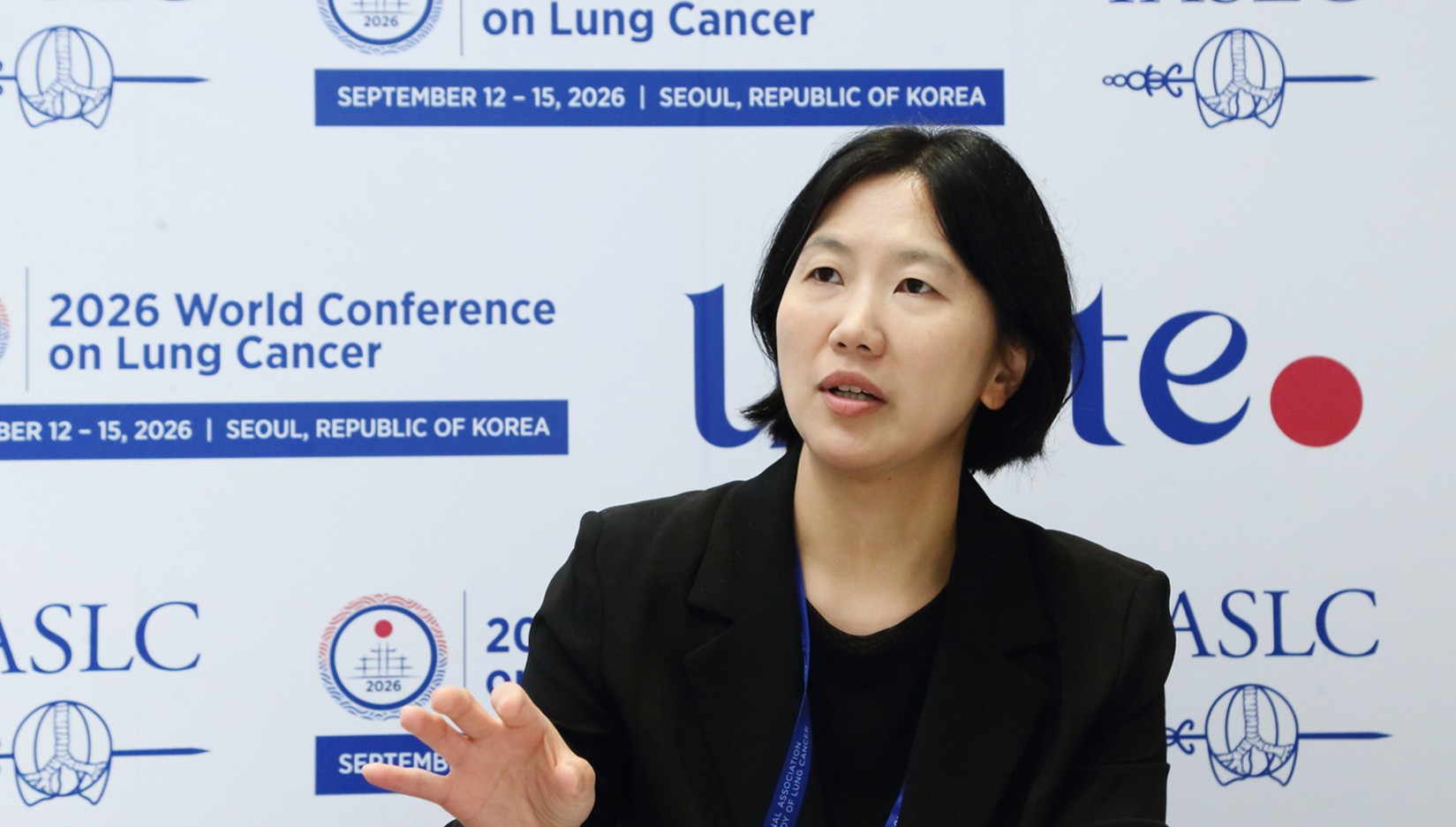
Dailypharm met with Hyunjoo Lee, Professor of Pediatrics at Gangnam Severance Hospital, to learn more about the significance of Nexviazyme’s arrival in Korea.
-Nexviazyme can now be prescribed with reimbursement in Korea.
What is the benefit of this new treatment option? Pompe disease is a progressive, genetic neuromuscular disease.
Despite the many advances in the treatment landscape, there still remained an unmet need as patients were unable to achieve 100% improvement with existing treatments.
Nexviazyme was developed to address this unmet need.
Nexviazyme is a biobetter drug that was approved for its improved formulation and advancements over the existing Myozyme.
It increases intracellular drug uptake by expressing approximately 15 times more mannose 6-phosphate (M6P) on the surface of the therapeutic enzyme than existing therapies.
As a result, it can reduce muscle cell damage through effective glycogenolysis by improving glucosidase activity, and it is also beneficial in terms of safety due to improved immunogenicity.
-Could you elaborate on the unmet needs that had existed in Korea? Pompe disease is divided into 2 types: infantile-onset Pompe Disease (IOPD), and late-onset Pompe Disease (LOPD), which is characterized by irreversible muscle damage.
Myozyme use in patients with infantile-onset Pompe disease has been associated with rapid improvement in heart-related symptoms, such as enlargement of the heart, but there remained room for improvement in muscle-related symptoms, which did not improve 100% and progressed over time.
Patients with Pompe disease experience ongoing issues, such as difficulty walking due to arm and leg muscle damage and breathing difficulties due to respiratory muscle damage, but they had limited options as there was only one treatment available for their use.
- I understand that forced vital capacity (FVC) and the ability to walk were key endpoints in the Nexviazyme trial. That is correct.
In addition to cardiac symptoms, improvements in respiratory and skeletal muscles are important in Pompe disease, to the extent that researchers seek to understand which muscles are most affected.
This is most often determined by a six-minute walk test or a forced vital capacity test, but since the walk test cannot be conducted on pediatric patients, symptom improvement in these patients is determined by respiratory and infectious disease susceptibility, and muscle strength for daily activities.
The FDA approval in late-onset Pompe disease was granted first for Nexviazyme because of the drug’s effect in improving skeletal muscle, respiratory failure, and muscle-related symptoms.
- Are there any risks associated with long-term treatment with Nexviazyme? Because it is an injectable, an infusion-related reaction may occur.
Also, regular hospital visits are needed for the injections, which can be challenging.
Younger children may have difficulty with vascularization, but there are no other risks.
- I remember a few years ago, there was a lot of talk on the need to improve the diagnostic system for genetic diseases such as Pompe disease.
What is the current diagnostic landscape like for Pompe disease in Korea?
Early diagnosis is important in infantile-onset Pompe disease because of its rapid symptom progression, which can to severe cardiorespiratory disorders and death within a year if the patient does not start treatment immediately.
In Korea, diagnostic testing itself is not difficult due to good medical access, and since January this year, lysosomal storage diseases have been included in the neonatal screening test, which means that many patients will be diagnosed more quickly.
This is expected to increase the diagnosis rate of lysosomal storage diseases and enable better collection of accurate data about the disease, including the prevalence of Pompe disease patients in Korea.
- Lastly, what area do you think needs improvement in the Pompe disease treatment environment? Despite much support from the government, relevant organizations, and pharmaceutical companies, there still are some neglected areas that require attention.
For example, in adults, we can evaluate the patient's improvement through FVC and 6-minute walk tests, etc.
but it is difficult to do these tests on children.
Urine tests are a good option, but these tests are often performed overseas, making it difficult to find out the results immediately.
I hope that national or rare disease organizations will recognize this need and create a system to enable efficient testing in Korea.
False positives can occur in newborn babies that are born too small or prematurely, depending on their condition.
In such cases, I believe the additional tests that are performed at the discretion of the doctor on these patients should also be covered.
Also, screening newborns after 28 days of age or those with late-onset Pompe disease is not reimbursed in Korea, and I would like the initial screening process for these patients to be covered so that those with late-onset Pompe disease can be more proactively diagnosed.
-

- 0
댓글 운영방식은
댓글은 실명게재와 익명게재 방식이 있으며, 실명은 이름과 아이디가 노출됩니다. 익명은 필명으로 등록 가능하며, 대댓글은 익명으로 등록 가능합니다.
댓글 노출방식은
댓글 명예자문위원(팜-코니언-필기모양 아이콘)으로 위촉된 데일리팜 회원의 댓글은 ‘게시판형 보기’와 ’펼쳐보기형’ 리스트에서 항상 최상단에 노출됩니다. 새로운 댓글을 올리는 일반회원은 ‘게시판형’과 ‘펼쳐보기형’ 모두 팜코니언 회원이 쓴 댓글의 하단에 실시간 노출됩니다.
댓글의 삭제 기준은
다음의 경우 사전 통보없이 삭제하고 아이디 이용정지 또는 영구 가입제한이 될 수도 있습니다.
-
저작권·인격권 등 타인의 권리를 침해하는 경우
상용 프로그램의 등록과 게재, 배포를 안내하는 게시물
타인 또는 제3자의 저작권 및 기타 권리를 침해한 내용을 담은 게시물
-
근거 없는 비방·명예를 훼손하는 게시물
특정 이용자 및 개인에 대한 인신 공격적인 내용의 글 및 직접적인 욕설이 사용된 경우
특정 지역 및 종교간의 감정대립을 조장하는 내용
사실 확인이 안된 소문을 유포 시키는 경우
욕설과 비어, 속어를 담은 내용
정당법 및 공직선거법, 관계 법령에 저촉되는 경우(선관위 요청 시 즉시 삭제)
특정 지역이나 단체를 비하하는 경우
특정인의 명예를 훼손하여 해당인이 삭제를 요청하는 경우
특정인의 개인정보(주민등록번호, 전화, 상세주소 등)를 무단으로 게시하는 경우
타인의 ID 혹은 닉네임을 도용하는 경우
-
게시판 특성상 제한되는 내용
서비스 주제와 맞지 않는 내용의 글을 게재한 경우
동일 내용의 연속 게재 및 여러 기사에 중복 게재한 경우
부분적으로 변경하여 반복 게재하는 경우도 포함
제목과 관련 없는 내용의 게시물, 제목과 본문이 무관한 경우
돈벌기 및 직·간접 상업적 목적의 내용이 포함된 게시물
게시물 읽기 유도 등을 위해 내용과 무관한 제목을 사용한 경우
-
수사기관 등의 공식적인 요청이 있는 경우
-
기타사항
각 서비스의 필요성에 따라 미리 공지한 경우
기타 법률에 저촉되는 정보 게재를 목적으로 할 경우
기타 원만한 운영을 위해 운영자가 필요하다고 판단되는 내용
-
사실 관계 확인 후 삭제
저작권자로부터 허락받지 않은 내용을 무단 게재, 복제, 배포하는 경우
타인의 초상권을 침해하거나 개인정보를 유출하는 경우
당사에 제공한 이용자의 정보가 허위인 경우 (타인의 ID, 비밀번호 도용 등)
※이상의 내용중 일부 사항에 적용될 경우 이용약관 및 관련 법률에 의해 제재를 받으실 수도 있으며, 민·형사상 처벌을 받을 수도 있습니다.
※위에 명시되지 않은 내용이더라도 불법적인 내용으로 판단되거나 데일리팜 서비스에 바람직하지 않다고 판단되는 경우는 선 조치 이후 본 관리 기준을 수정 공시하겠습니다.
※기타 문의 사항은 데일리팜 운영자에게 연락주십시오. 메일 주소는 dailypharm@dailypharm.com입니다.