- LOGIN
- MemberShip
- 2026-07-31 09:30:33
- Gov't 'Too soon to price immune-oncology drugs by indication
- by Lee, Jeong-Hwan | translator Kim, Jung-Ju | 2024-02-22 05:49:59
Regarding introducing a differentiated drug pricing system for immuno-oncology drugs by indication in Korea, the NHIS said that more social consensus is needed and that it would first need to gather patients' opinions on paying different prices for the same drug by cancer type and spend the administrative costs required to change the health insurance claims system, such as assigning separate billing codes.
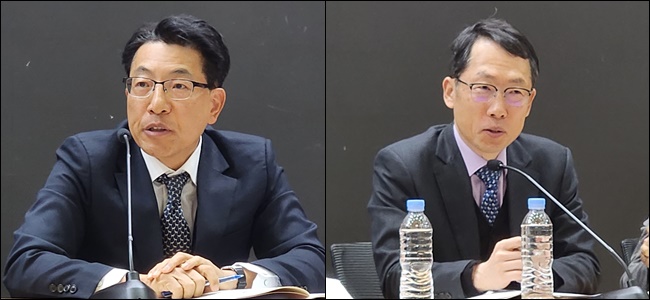
Chang-Hyun Oh, Director of Pharmaceutical Benefits at MOHW, and Hae-Min Jung, head of the Department of Drug Management at the NHIS, made such comments at a forum discussion on the 10-year achievements and challenges of the introduction of immuno-oncology drugs that was hosted by Rep.
Jong-sung Lee of the People Power Party on the 20th.
Regarding the future insurance coverage of anti-cancer drugs, Oh said that he would focus on strengthening patient access, especially for cancer types with no reimbursed treatment.
To this end, Oh urged pharmaceutical companies seeking reimbursement to thoroughly prepare a financial sharing plan.
The implication is that immuno-oncology drugs are relatively expensive, so pharmaceutical companies need to take on a drastic range of financial sharing in order to get their drugs reimbursed quickly.
In particular, Oh promised to operate the reimbursement system with the concept that reimbursing immuno-oncology drugs strengthens essential medical care.
"We have already announced an essential medical care policy that saves healthcare finances that are being leaked or overused for use as additional resources.
In the pharmaceutical field, we will also mobilize follow-up management systems such as reevaluation of reimbursement adequacy and reevaluation of reimbursement standards and conditions to rationalize expenditures and reduce unnecessary finances, and reflect them in innovative drug prices." He added, "Foreign countries would not have applied immuno-oncology reimbursement at once either.
Korea is also just going through the due process.
Due to their high price, the companies need to take special care in submitting the financial-sharing plan to accelerate their reimbursement.
We are expanding coverage of cancer types for immuno-oncology drugs, and will prioritize patient access to immuno-oncology drugs.” Jung explained that to enable the indication-specific drug pricing system, changes would need to be made to Korea’s health insurance claims system, such as assigning a separate billing code and preparing a separate refund plan for differences in patients’ out-of-pocket expenses.
In other words, consultations with relevant organizations and social consensus are further needed to introduce the indication-specific drug pricing system.
Jung also raised the need to collect patients' opinions, as insurance drug prices may increase when additional cancer types are added to the reimbursement list.
"If the indication-specific drug pricing system is introduced, drug prices may increase when other cancers are added for reimbursement.
We also need to consider whether patients will be willing to accept different out-of-pocket costs for different cancers.
The patient-specific flexibility and price opacity when signing risk-sharing agreements need to be considered.” Jung added, "The single price-weighted average price method also requires separate codes for each indication, and it is difficult to predict usage, which can lead to the need for later settlement of prices.
Multi-year multi-indication systems are also quite rare overseas.
Therefore, some uncertainties lie in indication-specific contracts, so it is important to consider whether the industry will be willing to accept these variables.” "The realization of the multi-indication reimbursement system should be a collaborative effort between relevant organizations, patients, and the government; It requires discussions on ensuring patient access to care, as well as the clinical innovativeness of the drug, the financial capacity of national health insruance, and administrative costs associated with the separate billing codes."
-

- 0
댓글 운영방식은
댓글은 실명게재와 익명게재 방식이 있으며, 실명은 이름과 아이디가 노출됩니다. 익명은 필명으로 등록 가능하며, 대댓글은 익명으로 등록 가능합니다.
댓글 노출방식은
댓글 명예자문위원(팜-코니언-필기모양 아이콘)으로 위촉된 데일리팜 회원의 댓글은 ‘게시판형 보기’와 ’펼쳐보기형’ 리스트에서 항상 최상단에 노출됩니다. 새로운 댓글을 올리는 일반회원은 ‘게시판형’과 ‘펼쳐보기형’ 모두 팜코니언 회원이 쓴 댓글의 하단에 실시간 노출됩니다.
댓글의 삭제 기준은
다음의 경우 사전 통보없이 삭제하고 아이디 이용정지 또는 영구 가입제한이 될 수도 있습니다.
-
저작권·인격권 등 타인의 권리를 침해하는 경우
상용 프로그램의 등록과 게재, 배포를 안내하는 게시물
타인 또는 제3자의 저작권 및 기타 권리를 침해한 내용을 담은 게시물
-
근거 없는 비방·명예를 훼손하는 게시물
특정 이용자 및 개인에 대한 인신 공격적인 내용의 글 및 직접적인 욕설이 사용된 경우
특정 지역 및 종교간의 감정대립을 조장하는 내용
사실 확인이 안된 소문을 유포 시키는 경우
욕설과 비어, 속어를 담은 내용
정당법 및 공직선거법, 관계 법령에 저촉되는 경우(선관위 요청 시 즉시 삭제)
특정 지역이나 단체를 비하하는 경우
특정인의 명예를 훼손하여 해당인이 삭제를 요청하는 경우
특정인의 개인정보(주민등록번호, 전화, 상세주소 등)를 무단으로 게시하는 경우
타인의 ID 혹은 닉네임을 도용하는 경우
-
게시판 특성상 제한되는 내용
서비스 주제와 맞지 않는 내용의 글을 게재한 경우
동일 내용의 연속 게재 및 여러 기사에 중복 게재한 경우
부분적으로 변경하여 반복 게재하는 경우도 포함
제목과 관련 없는 내용의 게시물, 제목과 본문이 무관한 경우
돈벌기 및 직·간접 상업적 목적의 내용이 포함된 게시물
게시물 읽기 유도 등을 위해 내용과 무관한 제목을 사용한 경우
-
수사기관 등의 공식적인 요청이 있는 경우
-
기타사항
각 서비스의 필요성에 따라 미리 공지한 경우
기타 법률에 저촉되는 정보 게재를 목적으로 할 경우
기타 원만한 운영을 위해 운영자가 필요하다고 판단되는 내용
-
사실 관계 확인 후 삭제
저작권자로부터 허락받지 않은 내용을 무단 게재, 복제, 배포하는 경우
타인의 초상권을 침해하거나 개인정보를 유출하는 경우
당사에 제공한 이용자의 정보가 허위인 경우 (타인의 ID, 비밀번호 도용 등)
※이상의 내용중 일부 사항에 적용될 경우 이용약관 및 관련 법률에 의해 제재를 받으실 수도 있으며, 민·형사상 처벌을 받을 수도 있습니다.
※위에 명시되지 않은 내용이더라도 불법적인 내용으로 판단되거나 데일리팜 서비스에 바람직하지 않다고 판단되는 경우는 선 조치 이후 본 관리 기준을 수정 공시하겠습니다.
※기타 문의 사항은 데일리팜 운영자에게 연락주십시오. 메일 주소는 dailypharm@dailypharm.com입니다.
- “Drug pricing intervention contributes to the crisis in essential healthcare and shortage of drugs”
- Reporter's view | Lee, Jeong-Hwan